
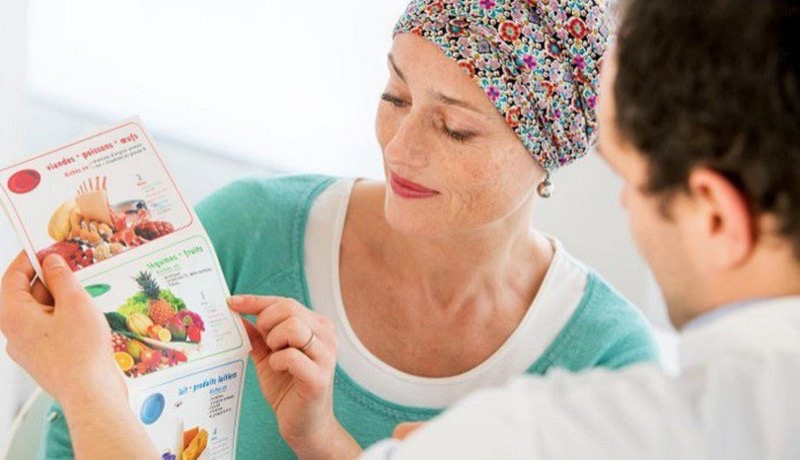
There is now substantial scientific agreement that dietary patterns meaningfully influence cancer risk — but the gap between knowing this and knowing what to actually put on your plate is where most practical guidance falls short. Research papers confirm that fiber reduces colorectal cancer risk by approximately 10% per 10 grams per day. What they don’t tell you is how to build meals that consistently deliver 30 grams of fiber.
This guide bridges that gap. It translates the best-available evidence on diet and cancer into a concrete eating framework: specific foods, target servings, a sample week of meals, and modifications for different cancer risk profiles and cancer survivorship. It is not a cancer treatment protocol — dietary changes do not treat active cancer. It is a long-term dietary pattern for meaningful, sustainable cancer risk reduction.
Two framing points before starting: First, this is a pattern, not a food-by-food prescription. Individual foods don’t determine cancer risk — dietary patterns sustained over years do. Second, eating well for cancer prevention and eating well for overall health are essentially identical: a plant-rich, whole food diet that minimizes processed meat, ultra-processed foods, and excess alcohol benefits cardiovascular health, metabolic health, and cancer risk reduction simultaneously.
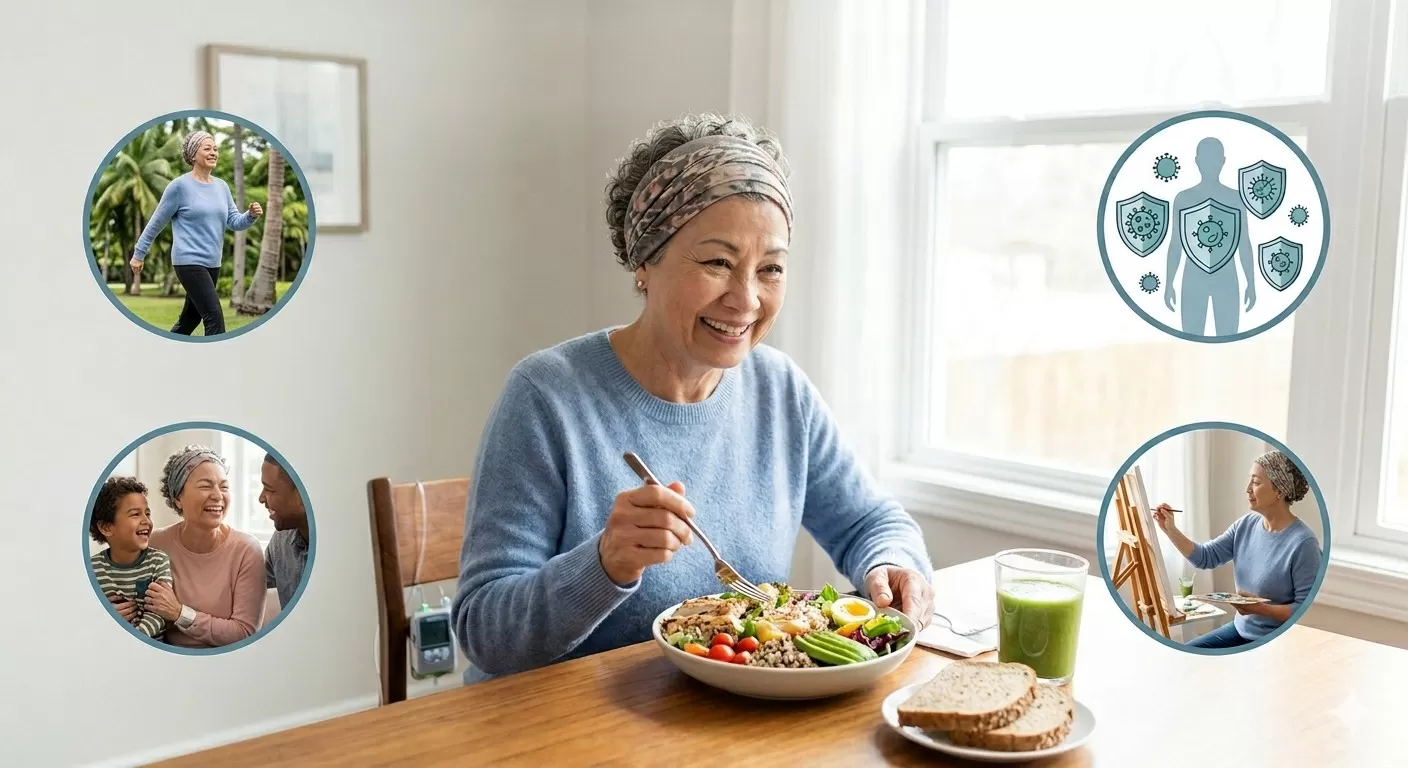
The 7 Building Blocks of an Anti-Cancer Diet
Rather than a list of things to fear, the most useful framework for an anti-cancer diet is what to build toward. These seven elements, consistently achieved, produce the dietary pattern most strongly associated with cancer risk reduction across multiple cancer types.
1. Fill Half Your Plate with Vegetables and Fruits
The most consistent signal in cancer-diet research is that plant food diversity and volume protects. Target: 5+ servings of vegetables and 2–3 servings of fruit daily. (One serving = ½ cup cooked, 1 cup raw, or a medium piece of fruit.)
Within this, prioritize:
- Cruciferous vegetables (broccoli, cauliflower, Brussels sprouts, kale, cabbage, arugula): at least one serving daily. These uniquely activate the Nrf2 antioxidant system via sulforaphane.
- Colorful produce: orange and yellow (beta-carotene, lutein: carrots, sweet potatoes, yellow peppers), dark green (folate, lutein: spinach, kale), red/pink (lycopene: tomatoes, watermelon), deep purple/blue (anthocyanins: blueberries, purple cabbage).
2. Make a Quarter of Your Plate Whole Grains
Whole grains reduce colorectal cancer risk by approximately 17% in the highest consumers (≥3 servings/day) compared to lowest, per WCRF 2018. Their protective effect comes from fiber plus phytic acid (reduces oxidative DNA damage), lignans, and saponins.
Practical options: oats (4g fiber/cup cooked), brown rice (3.5g/cup), quinoa (5g/cup; complete protein), barley (6g/cup; among the highest-fiber grains), whole wheat pasta (6g/cup), bulgur wheat (8g/cup).
Rule of thumb: If the ingredient list starts with “whole [grain name],” it counts. If it starts with “enriched” or “refined,” it doesn’t.
3. Make a Quarter of Your Plate Plant Protein
Legumes — lentils, chickpeas, black beans, kidney beans, edamame, split peas — are the highest-value cancer-prevention protein source. They provide very high dietary fiber (12–16g/cup cooked), resistant starch (fermentation substrate for butyrate), phytate (antioxidant), and abundant folate. And they replace red and processed meat servings.
Target: 1–2 servings of legumes daily. Supplement with nuts and seeds: walnuts (omega-3), ground flaxseed (lignans + ALA omega-3), and 1–2 Brazil nuts daily (provides the selenium daily reference intake without exceeding safe limits).
4. Include Omega-3 Rich Fish 2–3 Times per Week
Fatty fish — salmon, sardines, mackerel, herring, anchovies, trout — provide EPA and DHA, the long-chain omega-3 fatty acids that compete with arachidonic acid for COX-2 and reduce the prostaglandin E2-driven inflammatory signaling implicated in cancer promotion.
Wild-caught salmon, canned sardines in olive oil, and canned mackerel are practical, accessible options. Aim for two to three 100–150g servings per week.
5. Cook with Olive Oil as Your Primary Fat
Extra virgin olive oil contains oleocanthal — a phenolic compound that inhibits both COX-1 and COX-2 via the same mechanism as ibuprofen, at concentrations achievable through typical dietary use (Beauchamp GK et al., Nature 2005). It also contains hydroxytyrosol, oleuropein, and other polyphenols that inhibit NF-κB.
Use EVOO for salad dressings (oil + acid = effective medium for fat-soluble lycopene absorption from tomatoes), sautéing vegetables (stable to ~200°C), drizzling on cooked dishes, and pairing with cooked tomatoes for optimal lycopene bioavailability.
6. Drink Green Tea and Coffee Daily
Green tea (2–3 cups/day): EGCG (epigallocatechin-3-gallate) inhibits VEGF (anti-angiogenic), mTOR, and induces apoptosis. Drink below 65°C — very hot beverages are IARC Group 2A for esophageal cancer.
Coffee (3–4 cups/day): Associated with approximately 40% lower liver cancer risk (multiple large prospective studies); also inversely associated with endometrial and colorectal cancer. IARC 2016 moved coffee from Group 2B to Group 3 for most cancers, noting decreased liver and endometrial cancer risk.
Replacing sugar-sweetened beverages with these provides antioxidant benefit while removing sugar’s obesity-promoting effect.
7. Eliminate Processed Meat; Minimize Red Meat
Processed meat (bacon, sausage, hot dogs, deli meat): IARC Group 1 carcinogen — the same evidence certainty as tobacco for colorectal cancer. No safe level. Goal: remove it from your regular diet and treat it as an extremely rare exception.
Red meat (beef, pork, lamb, veal): IARC Group 2A. WCRF recommendation: limit to ≤350–500g cooked weight per week. When eating red meat: choose leaner cuts; marinate before grilling (reduces HCA formation up to 90%); use moist-heat methods (stewing, braising) where possible; avoid charring.
Power Foods to Incorporate Daily or Near-Daily
Cruciferous Vegetables — The Non-Negotiable
Sulforaphane — produced from glucoraphanin when cruciferous vegetables are chopped or chewed — activates the Nrf2 transcription factor, upregulating Phase II detoxification enzymes while inhibiting Phase I carcinogen-activating CYP450 enzymes.
- Chop or crush broccoli and let it sit a few minutes before cooking — this allows myrosinase to convert glucoraphanin to sulforaphane before heat inactivates the enzyme
- Steam rather than boil (boiling leaches glucosinolates into the water)
- Use raw kale massaged with olive oil and lemon as a salad base; add raw broccoli florets to salads
- Fermented cabbage (sauerkraut, kimchi) adds probiotic benefit alongside the glucosinolates
- Target: 1+ serving daily
Cooked Tomatoes — Lycopene Delivery System
Lycopene from cooked and processed tomatoes is dramatically more bioavailable than from raw tomatoes — cooking breaks down cell walls, and adding fat (olive oil) further increases absorption. Tomato paste has approximately 10× higher lycopene concentration per gram than raw tomatoes and is cheaply available year-round.
Goal: 5+ servings of cooked tomatoes per week. A tablespoon of tomato paste in any savory soup, stew, bean dish, or sauce provides concentrated lycopene with negligible effort.
Berries — Daily Antioxidant Delivery
Blueberries, raspberries, strawberries, blackberries, pomegranate seeds, and tart cherries provide anthocyanins, ellagitannins, and vitamin C that inhibit NF-κB in cancer cell studies. Frozen berries are nutritionally equivalent to fresh in phytochemical content and far cheaper year-round. A cup of frozen mixed berries in morning oatmeal or a smoothie ensures consistent daily intake.
Garlic — Chop Early, Cook After
Garlic’s anti-cancer organo-sulfur compounds form when garlic cells are damaged by chopping or crushing. The key: chop or crush garlic and let it sit 10 minutes before cooking — this allows alliinase to convert alliin to allicin before heat deactivates the enzyme. Adding chopped garlic directly to a hot pan inactivates alliinase before allicin can form. Add garlic to essentially every savory meal.
Legumes — The Daily Fiber Foundation
One cup of cooked lentils provides 16g of fiber — more than half the 30g daily target in a single food. Adding several vegetable servings and whole grain portions alongside daily legumes makes the 30g fiber target essentially automatic.
Practical options: lentils (no soaking; 20–25 min cook time), canned chickpeas (rinse and add directly to salads or roast for snacks), canned black beans (soups, tacos, grain bowls), frozen edamame (microwave 3 minutes; ready to eat).
Walnuts, Flaxseed, and Brazil Nuts
- Walnuts (1 oz / ~14 halves daily): The only tree nut with significant ALA omega-3 (2.5g/oz); polyphenols associated with lower cancer and cardiovascular mortality in cohort studies
- Ground flaxseed (2 tablespoons daily): Highest lignan content of any food; 3.5g ALA omega-3; 3g fiber. Must be ground — whole seeds pass undigested. Add to oatmeal, smoothies, yogurt, or baked goods.
- Brazil nuts (1–2 daily): Each nut provides 70–90 mcg selenium — one or two nuts meets the daily reference intake (55 mcg) without approaching the upper limit (400 mcg). Do not exceed 2 regularly.
A Sample Anti-Cancer Week of Eating
Day 1
Breakfast: Rolled oat porridge with frozen blueberries, 2 tbsp ground flaxseed, 1 oz walnuts. Two cups green tea.
Lunch: Lentil and kale soup (canned lentils + vegetable broth + kale + garlic + turmeric). Whole grain bread.
Dinner: Baked salmon (150g) + steamed broccoli + roasted cherry tomatoes in olive oil + brown rice.
Snack: Apple + 2 tbsp almond butter + 1–2 Brazil nuts.
Estimated fiber: ~34g | Omega-3: ~3g EPA/DHA + ALA
Day 2
Breakfast: 2 eggs scrambled with broccoli, onions, and bell peppers in olive oil. Whole grain toast + sliced tomatoes. Coffee.
Lunch: Large kale salad with chickpeas, cucumber, red cabbage, avocado, olive oil + lemon dressing.
Dinner: Black bean and tomato stew (canned tomatoes + black beans + garlic + cumin + kale). Brown rice.
Snack: Edamame (1 cup) + raspberries.
Estimated fiber: ~38g
Day 3
Breakfast: Smoothie: frozen mixed berries + ½ cup oats + 2 tbsp ground flaxseed + unsweetened soy milk + handful spinach. Matcha.
Lunch: Whole grain wrap with hummus + roasted red pepper + cucumber + arugula + sun-dried tomatoes.
Dinner: Tofu and bok choy stir-fry with garlic, ginger, sesame oil, tamari. Brown rice.
Snack: Pear + handful walnuts + green tea.
Estimated fiber: ~32g
Day 4
Breakfast: Plain Greek yogurt with walnuts, pomegranate seeds, and oats. Coffee.
Lunch: Barley and vegetable soup (barley + carrots + onion + tomato paste + kale + garlic).
Dinner: Grilled mackerel (marinated in lemon + olive oil + herbs 30 min before grilling) + quinoa + roasted asparagus.
Snack: Cherry tomatoes + hummus + 1–2 Brazil nuts.
Estimated fiber: ~31g
Day 5
Breakfast: Avocado toast on whole grain sourdough + sliced tomatoes + sprouts + olive oil drizzle. Coffee.
Lunch: Lentil, spinach, and tomato salad (warm lentils + baby spinach + cherry tomatoes + olive oil + garlic vinaigrette).
Dinner: Salmon + whole wheat pasta + broccoli + tomato sauce (with tomato paste) + garlic + basil.
Snack: Blueberries + almonds.
Estimated fiber: ~29g
Foods to Eliminate or Minimize
| Food | Action | Evidence |
|---|---|---|
| Processed meat (bacon, sausage, deli meat, hot dogs) | Eliminate or very rare | IARC Group 1; +18% CRC per 50g/day |
| Alcohol | Minimize; eliminate if possible | IARC Group 1 for 6–7 cancers; no safe level for breast cancer |
| Sugar-sweetened beverages | Eliminate | Obesity driver (13 cancer types); no nutritional value |
| Ultra-processed foods | Minimize | +12% all-cancer risk per 10% increase in intake |
| Red meat | Limit ≤350–500g cooked/week | IARC Group 2A; NOC and HCA formation |
| Charred meat | Avoid charring; marinate before grilling | HCAs/PAHs (IARC Group 2A) |
| Very hot beverages (>65°C) | Let cool to drinking temperature | IARC Group 2A for esophageal cancer |
How to Reach 30 Grams of Fiber Per Day
| Meal | Food | Fiber |
|---|---|---|
| Breakfast | ½ cup rolled oats (cooked) | 4g |
| Breakfast | ½ cup raspberries | 4g |
| Breakfast | 2 tbsp ground flaxseed | 3g |
| Lunch | 1 cup cooked lentils | 16g |
| Lunch | 1 cup broccoli (cooked) | 5g |
| Dinner | ½ cup brown rice | 2g |
| Snack | 1 medium apple | 4.4g |
| Total | ~38g |
Key insight: A single cup of cooked lentils provides 16g of fiber — more than half the daily target in one food. Making legumes a daily component makes 30g achievable without precision tracking.
Special Considerations for Cancer Survivors
Higher protein needs: Cancer treatment increases protein catabolism. Most survivors benefit from 1.2–1.5g of protein per kilogram of body weight per day — significantly more than the 0.8g/kg recommended for healthy adults. Legumes, fish, eggs, and dairy or fortified plant dairy provide concentrated protein alongside cancer-protective nutrients.
Increase fiber gradually: If GI sensitivity is present (common after colorectal surgery, abdominal radiation, or chemotherapy-related mucositis), start with soluble fiber sources (oats, peeled fruit, well-cooked legumes) before adding high-insoluble-fiber foods.
Eliminate alcohol: Regular alcohol intake after breast cancer diagnosis and treatment is associated with approximately 30% higher recurrence risk in multiple studies. Complete abstinence is the safest approach for breast cancer survivors.
Vitamin D: Discuss with your oncologist. VITAL trial data suggest 2,000 IU/day vitamin D3 may reduce cancer mortality in those with insufficient baseline levels. Serum 25-OH-D testing followed by targeted supplementation is reasonable.
Work with a registered oncology dietitian for an individualized plan accounting for specific treatment side effects, nutritional deficiencies, and cancer type.
Anti-Cancer Diet Modifications by Cancer Type
Breast cancer risk: Limit or eliminate alcohol (most actionable dietary change — 7–10% increased risk per drink/day, no threshold). Maximize cruciferous vegetables for indole-3-carbinol’s favorable estrogen metabolism effects. Emphasize plant-based eating for healthy weight maintenance (postmenopausal breast cancer is strongly obesity-linked). Soy foods are safe and likely modestly protective.
Colorectal cancer risk: Maximize fiber to 30g+/day with daily legume intake. Eliminate processed meat. Limit red meat to less than 3 servings/week. Add garlic and onions to cooked dishes daily. Adequate dietary calcium from dairy or fortified plant alternatives.
Prostate cancer risk: Cooked tomatoes in olive oil 5+ times/week for lycopene. Cruciferous vegetables daily. Maintain normal (not excessive) dairy intake.
Liver cancer prevention: No alcohol. 3–4 cups coffee daily. Control weight through plant-rich whole food eating. Store nuts and grains properly to minimize aflatoxin exposure; purchase from reputable sources.
Frequently Asked Questions
What is the best overall anti-cancer diet?
The dietary pattern with the most consistent and broad evidence for cancer risk reduction is a Mediterranean-style plant-rich eating pattern: 5+ servings vegetables and 2–3 fruit daily; 3+ servings whole grains; legumes at least once daily; olive oil as primary fat; fatty fish 2–3×/week; limited red meat; no processed meat; minimal alcohol. This pattern maximizes fiber, plant phytochemicals, and anti-inflammatory fats while minimizing the foods with established cancer-promoting effects.
What diet should I follow during cancer treatment?
During active treatment, the primary nutritional goal shifts to maintaining weight, lean muscle mass, and meeting increased protein needs (1.2–1.5g/kg/day). The same plant-rich principles apply, but with practical modifications — easy-to-eat, high-protein, nutrient-dense foods take priority when GI side effects limit tolerance. Work with a registered oncology dietitian for individualized guidance specific to your treatment type and side effect profile.
Can the Mediterranean diet reduce cancer risk?
Yes. Meta-analyses of prospective cohort studies consistently find approximately 10–20% lower overall cancer incidence in individuals with high Mediterranean diet adherence, with stronger effects for colorectal, breast, gastric, and liver cancers. This is among the best-supported dietary claims in cancer epidemiology — and the Mediterranean diet simultaneously reduces cardiovascular disease risk and all-cause mortality.
What should I eat to specifically reduce colorectal cancer risk?
The most evidence-backed actions: reach 30g/day dietary fiber through whole grains, legumes, and vegetables (approximately 10% CRC risk reduction per 10g/day); eliminate processed meat (IARC Group 1, +18% CRC risk per 50g/day); limit red meat to ≤350–500g cooked/week; include 3+ servings whole grains daily; maintain adequate calcium from dietary sources; minimize alcohol.
Are there foods that “feed” cancer cells I should avoid?
The idea that eliminating sugar “starves” cancer is a significant oversimplification. Cancer cells preferentially use glucose through aerobic glycolysis — but so do all rapidly dividing cells, including immune cells needed to fight cancer. What is accurate: chronically elevated blood sugar and insulin — driven by excess refined carbohydrates and sugary foods — promote cancer through the insulin/IGF-1 signaling axis. The solution: choose lower-glycemic complex carbohydrates (whole grains, legumes, vegetables) rather than eliminating all carbohydrates.
How many vegetable servings do I need for cancer prevention?
At least 5 servings of vegetables and 2–3 servings of fruit daily is the practical target consistent with WCRF and ACS cancer prevention guidelines. One serving = ½ cup cooked vegetables, 1 cup raw, or a medium piece of fruit. Evidence supports “more is better” for most plant foods up to very high intake levels — there is no evidence of harm from high vegetable intake, and strong evidence that very low intake is associated with significantly higher cancer risk.
Should cancer survivors avoid meat entirely?
Not necessarily. What is strongly supported: eliminate processed meat; limit red meat to 1–2 servings per week maximum; replace most protein with fish, legumes, and plant sources. Poultry in reasonable amounts is not associated with increased cancer risk. The pattern that matters most is: maximize plant diversity, eliminate processed meat, and keep red meat to a modest occasional role. For breast cancer survivors, prioritizing plant protein over animal protein and minimizing alcohol are the most impactful dietary actions for recurrence risk reduction.
- World Cancer Research Fund / American Institute for Cancer Research. Diet, Nutrition, Physical Activity and Cancer: A Global Perspective. Third Expert Report. WCRF/AICR, 2018.
- International Agency for Research on Cancer. Monographs Vol 114: Red Meat and Processed Meat. Lyon: IARC, 2015.
- International Agency for Research on Cancer. Monographs Vol 116: Coffee, Mate, and Very Hot Beverages. Lyon: IARC, 2016.
- Rock CL, Thomson CA, et al. American Cancer Society Guideline for Diet and Physical Activity for Cancer Prevention. CA Cancer J Clin. 2020;70(4):245-271.
- Beauchamp GK, et al. Phytochemistry: ibuprofen-like activity in extra-virgin olive oil. Nature. 2005;437(7055):45-46.
- Fiolet T, et al. Consumption of ultra-processed foods and cancer risk: NutriNet-Santé cohort. BMJ. 2018;360:k322.
- Aune D, et al. Whole grain consumption and risk of colorectal cancer. BMJ. 2016;353:i2716.
- Kwan ML, et al. Alcohol consumption and breast cancer recurrence and survival after a breast cancer diagnosis. J Clin Oncol. 2010;28(29):4410.
- American Cancer Society. Nutrition and Physical Activity During and After Cancer Treatment. ACS, 2022.
Really well-written article on the anti-cancer diet plan: what to. The connection between diet, lifestyle, and long-term outcomes is explained clearly here. Forwarding this to others in my support group who are dealing with similar issues.
Thank you for covering the anti-cancer diet plan: what to so thoroughly without being overly technical. I appreciated how the article addressed both the clinical side and the practical lifestyle adjustments. Forwarding this to others in my support group who are dealing with similar issues.
Finally a resource that explains the anti-cancer diet plan: what to in plain language. The practical tips at the end made this immediately actionable, not just theoretical. Forwarding this to others in my support group who are dealing with similar issues.
Thank you for covering the anti-cancer diet plan: what to so thoroughly without being overly technical. It is refreshing to see an article that acknowledges individual variation rather than one-size-fits-all advice. This is going into my health folder that I bring to every doctor’s visit.
I have been reading about the anti-cancer diet plan: what to for weeks and this is the most thorough guide I found. It is refreshing to see an article that acknowledges individual variation rather than one-size-fits-all advice. Shared this with three friends who are dealing with related issues. Very useful resource.
As someone dealing with this personally, the the anti-cancer diet plan: what to section was very helpful. I especially valued the explanation of why these recommendations exist, not just what they are. Thank you for making complex medical information accessible without dumbing it down.