
Diet accounts for roughly 30–35% of cancer deaths in high-income countries — the second-largest modifiable cancer risk factor after tobacco. For most of the 20th century, dietary cancer research operated at the level of “eat more vegetables.” The science has moved considerably further. We now understand specific compounds in specific foods acting on specific cancer pathways: sulforaphane from broccoli that reactivates silenced tumor suppressor genes through HDAC inhibition; lycopene from cooked tomatoes that blocks IGF-1 signaling in prostate tissue; EGCG from green tea that prevents tumor blood vessel formation by blocking VEGF receptor signaling.
This specificity doesn’t mean you need to engineer a daily regimen of precise phytochemical doses. It means the broad “eat more plants” recommendation now has mechanistic depth that allows for an evidence-informed dietary strategy: prioritize the food categories where human evidence is strongest, organized by what they do and which cancers they’re most protective against.
This article is a comprehensive reference guide to those foods — organized by food category and cross-referenced to the cancers each is most specifically studied for, built on prospective cohort studies and meta-analyses rather than in vitro cell-culture findings. The goal is not to catalog every food with an anti-cancer cell study but to identify where the evidence is actionable and strong enough to affect your actual daily choices.
Cancer-Type to Food Reference
| Cancer Type | Most Protective Foods | Primary Mechanism |
|---|---|---|
| Colorectal | Fiber-rich foods, whole grains, garlic, cruciferous | Butyrate, bile acid dilution, sulforaphane |
| Breast | Cruciferous, legumes, olive oil, soy, flaxseed | I3C/DIM estrogen metabolism, lignans, phytoestrogens |
| Prostate | Cooked tomatoes, cruciferous, green tea | Lycopene (IGF-1 inhibition), sulforaphane, EGCG |
| Gastric/Stomach | Garlic, green tea, cruciferous vegetables | Allicin (H. pylori suppression), EGCG, isothiocyanates |
| Liver (HCC) | Coffee, cruciferous, no alcohol | Chlorogenic acids, diterpenes, Phase II detox enzymes |
| Lung | Cruciferous, leafy greens, berries | Isothiocyanates, antioxidants |
| Bladder | Cruciferous vegetables | Isothiocyanates (excreted through urine at tumor site) |
| Endometrial | Coffee, soy, olive oil | Insulin sensitivity, phytoestrogens |
| Esophageal | Berries, cruciferous, garlic | Ellagic acid → urolithins, allicin |
| Pancreatic | Fruits and vegetables broadly | Antioxidants, folate (limited specific evidence) |
Cruciferous Vegetables — The Single Most Studied Food Category
No food category has been more extensively studied for cancer prevention than cruciferous vegetables. Broccoli, kale, Brussels sprouts, cauliflower, cabbage, arugula, bok choy, watercress, and radishes all belong to this group, and all contain a family of sulfur-containing compounds called glucosinolates.
When cruciferous vegetable cells are damaged — by chopping, chewing, or crushing — an enzyme called myrosinase converts glucosinolates into sulforaphane, indole-3-carbinol (I3C), and various isothiocyanates. Sulforaphane activates the Nrf2 transcription factor, which upregulates Phase II detoxification enzymes that neutralize carcinogens before they damage DNA. Sulforaphane also inhibits HDAC enzymes, which can reactivate tumor suppressor genes silenced during carcinogenesis.
I3C is converted in the acidic stomach to diindolylmethane (DIM), which shifts estrogen metabolism toward 2-hydroxyestrone and away from 16α-hydroxyestrone — a ratio associated with lower breast and endometrial cancer risk.
The epidemiological evidence is consistent: meta-analyses show 15–20% lower cancer risk in highest cruciferous vegetable consumers across multiple cancer types. The effect is most pronounced for bladder cancer — a 51% lower risk in the highest intake group (Tang et al., 2010 meta-analysis) — likely because isothiocyanates are excreted through urine, concentrating anti-cancer compounds directly at the bladder wall.
- Chop or crush cruciferous vegetables and let them rest 5 minutes before cooking — this allows myrosinase to form sulforaphane before heat inactivates the enzyme
- Steam rather than boil: boiling leaches glucosinolates into the cooking water
- Broccoli sprouts contain 20–50 times more glucoraphanin per gram than mature broccoli — add a tablespoon to salads
- Target: 1 serving daily minimum
Tomatoes and Lycopene
Tomatoes owe most of their cancer-preventive properties to lycopene — an acyclic carotenoid and one of the most potent antioxidants in the human diet (approximately 10 times more potent than beta-carotene for quenching singlet oxygen). Lycopene also inhibits IGF-1 signaling and modulates cell-cycle regulatory proteins — mechanisms particularly relevant to prostate tissue.
In the landmark 1995 analysis by Giovannucci et al. (JNCI), men consuming 10 or more servings of tomato products per week had approximately 35% lower prostate cancer risk. A meta-analysis found each 2mg/day increase in lycopene intake was associated with 6% lower prostate cancer risk.
Two practical points substantially affect lycopene delivery. First, cooking transforms all-trans lycopene into cis-isomers with far higher bioavailability — tomato sauce, tomato paste, canned crushed tomatoes, and roasted tomatoes deliver much more absorbable lycopene than raw tomatoes. Tomato paste has 4–10× the lycopene concentration of fresh tomatoes. Second, fat increases lycopene absorption 2–3× — pairing tomatoes with olive oil is synergistic.
Target: 5+ servings of cooked tomato products per week. A tablespoon of tomato paste dissolved into any soup, stew, or bean dish provides a concentrated lycopene dose with negligible effort.
Berries — Anthocyanins and Ellagic Acid
Berries are among the most phytochemically complex foods in the human diet. Blueberries, raspberries, strawberries, blackberries, pomegranate seeds, and tart cherries contribute anthocyanins, ellagic acid, quercetin, vitamin C, and — in blueberries — pterostilbene (a more bioavailable resveratrol analog).
Anthocyanins inhibit NF-κB signaling, reduce VEGF expression (anti-angiogenic), and promote apoptosis. Ellagic acid — found in high concentrations in raspberries, pomegranate, and strawberries — is converted by gut bacteria to urolithins, which have anti-proliferative and anti-inflammatory effects in colorectal cell studies and are currently being investigated in clinical trials.
Practical advantage: Frozen berries are nutritionally and phytochemically equivalent to fresh. Year-round access to frozen blueberries, raspberries, and mixed berries makes daily consumption accessible. A cup of frozen mixed berries in oatmeal or a smoothie requires zero preparation.
Garlic and Alliums
Garlic, onions, leeks, shallots, chives, and green onions share organosulfur compounds — including allicin and its derivatives — that form when plant cells are crushed or chopped. These compounds inhibit CYP2E1 (which activates dietary carcinogens including nitrosamines); induce Phase II detoxification enzymes; trigger apoptosis; and inhibit cancer cell proliferation.
Garlic’s strongest cancer association is gastric cancer: meta-analyses consistently show 30–50% lower gastric cancer risk in the highest garlic consumption groups — likely reflecting garlic’s documented ability to inhibit Helicobacter pylori, the IARC Group 1 carcinogen responsible for most gastric cancers. The Iowa Women’s Health Study found the highest garlic intake associated with approximately 50% lower colon cancer risk.
Key practical point: Chop or crush garlic and let it rest 10 minutes before cooking to allow allicin formation before heat inactivates alliinase. Add to essentially every savory dish.
Legumes, Whole Grains, and Fiber
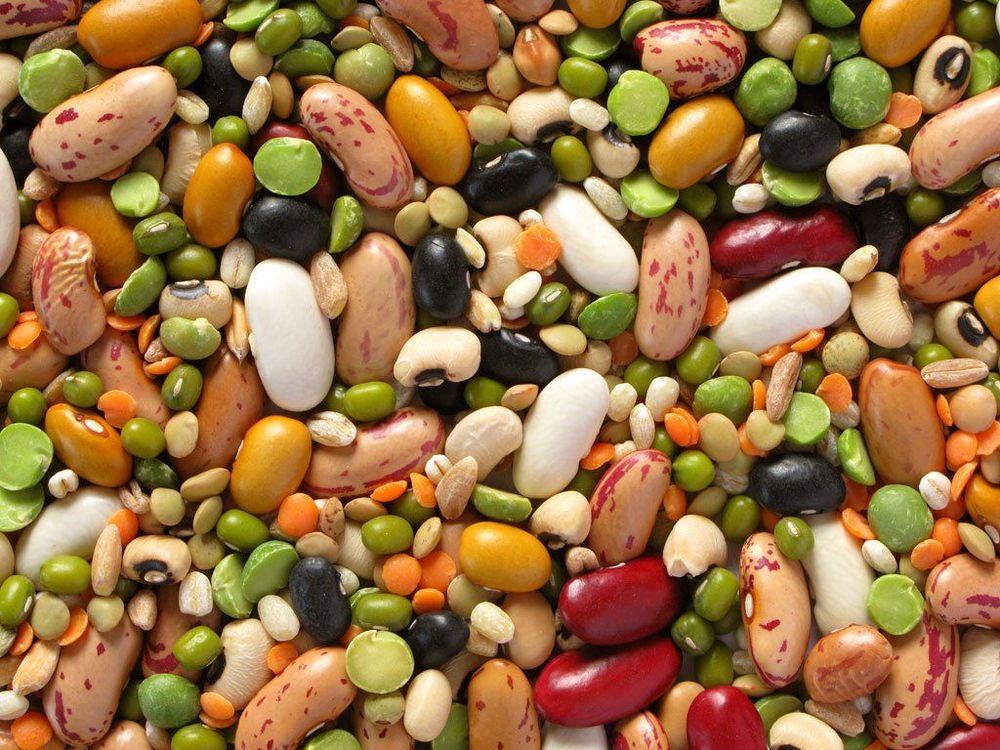
Legumes and whole grains share their primary cancer-preventive mechanism: dietary fiber, fermented in the colon into short-chain fatty acids, principally butyrate. Butyrate is a potent HDAC inhibitor — it promotes expression of tumor suppressor genes, induces apoptosis in transformed colonocytes while protecting normal ones, reduces colonic cell proliferation, and decreases production of secondary bile acids. Fiber also reduces colonic transit time and dilutes carcinogens in contact with the mucosa.
Legumes additionally contribute phytic acid (antioxidant that reduces iron-catalyzed oxidative DNA damage), resistant starch (additional butyrate substrate), and folate (essential for DNA synthesis and methylation). Meta-analyses associate legume intake with 9–18% lower colorectal cancer risk. Lentils provide 16g fiber per cooked cup; black beans 15g; chickpeas 12g.
Whole grains supply fiber plus phytic acid, plant lignans (converted by gut bacteria to enterolactone and enterodiol, which modulate estrogen receptor activity), and saponins. WCRF 2018: ≥3 servings per day whole grains → 17% lower colorectal cancer risk, with a clear dose-response.
Target: Legumes once or twice daily; 3+ whole grain servings daily.
Healthy Fats That Fight Cancer
Extra Virgin Olive Oil
Extra virgin olive oil contains oleocanthal — a phenolic compound that inhibits COX-1 and COX-2 by the same mechanism as ibuprofen (Beauchamp et al., Nature 2005). It also contains hydroxytyrosol (one of the most potent antioxidant phenols in any food), oleuropein, and oleic acid. Oleic acid has been shown to downregulate HER2 oncogene expression in breast cancer cells in vitro. Mediterranean diet studies consistently show lower overall cancer incidence in high adherents.
Fatty Fish (EPA and DHA Omega-3)
EPA and DHA from salmon, sardines, mackerel, herring, anchovies, and trout competitively inhibit arachidonic acid at COX-2, reducing PGE2 synthesis — PGE2 promotes tumor progression, angiogenesis, and immune evasion. Fatty fish also provide vitamin D, with VDR signaling promoting cell differentiation, apoptosis, and anti-proliferation. Target: 2–3 servings per week.
Walnuts
The only tree nut with significant ALA omega-3 (2.5g/oz), walnuts also contain ellagitannins (converted to urolithins by gut bacteria) and gamma-tocopherol (an anti-inflammatory form of vitamin E).
Ground Flaxseed
Flaxseed has 100–800 times more lignans than any other plant food. Gut bacteria convert these to enterolactone and enterodiol, which modulate sex hormone activity associated with lower breast and prostate cancer risk. Each 2 tablespoons provides 3.5g ALA omega-3 and 3g fiber. Must be ground — whole seeds pass undigested.
Anti-Cancer Beverages — Green Tea and Coffee
Green Tea
EGCG, the primary active catechin in green tea, inhibits VEGF receptor signaling (anti-angiogenic), mTORC1 (anti-proliferative), NF-κB and AP-1 (anti-inflammatory), and matrix metalloproteinases (anti-metastatic). Japanese cohort studies show 20–30% lower gastric cancer risk in high green tea consumers. Matcha provides approximately 3× more EGCG per serving than steeped green tea. Drink below 65°C. Avoid high-dose EGCG supplement extracts — concentrated extracts are associated with rare hepatotoxicity.
Coffee
At 3–4 cups per day, coffee is associated with approximately 40% lower hepatocellular carcinoma risk, ~25% lower endometrial cancer risk, and ~15% lower colorectal cancer risk. Chlorogenic acids improve insulin sensitivity; diterpenes (present in unfiltered coffee) induce Phase II detoxification enzymes. IARC reclassified coffee from Group 2B to Group 3 in 2016, specifically noting inverse associations with liver and endometrial cancer. Drink below 65°C.
Additional Protective Foods
Soy Foods
Isoflavones (genistein, daidzein) bind estrogen receptors preferentially at ERβ — anti-proliferative in breast tissue. Multiple meta-analyses confirm soy is safe in breast cancer survivors, with possible modest protective effect. Fermented soy (miso, tempeh, natto) provides higher isoflavone bioavailability and additional probiotic benefit.
Mushrooms
Beta-glucans activate NK cells, macrophages, and dendritic cells via Dectin-1 receptor → enhanced tumor immune surveillance. PSK (from Turkey tail mushroom Trametes versicolor) is an approved adjuvant cancer drug in Japan, with meta-analyses showing improved survival in gastric and colorectal cancer combined with chemotherapy. Cook all mushrooms.
Turmeric (Curcumin)
Curcumin inhibits NF-κB, COX-2, VEGF, and promotes apoptosis. The limitation: less than 1% is absorbed from standard preparations. Adding black pepper (piperine) increases curcumin bioavailability approximately 2,000% (Shoba et al., Planta Med 1998). Use turmeric with black pepper and fat in cooked dishes.
Foods to Limit or Avoid
| Food | Classification | Key Evidence |
|---|---|---|
| Processed meat (bacon, sausage, deli meat) | IARC Group 1 | +18% CRC risk per 50g/day |
| Alcohol | IARC Group 1 | Causes 7 cancer types; no safe level |
| Red meat | IARC Group 2A | +17% CRC risk per 100g/day |
| Very hot beverages (>65°C) | IARC Group 2A | Esophageal squamous cell carcinoma |
| Aflatoxin (improperly stored grains/nuts) | IARC Group 1 | Hepatocellular carcinoma |
Frequently Asked Questions
What food has the highest cancer-fighting potential?
If a single food category had to be identified, cruciferous vegetables would be the leading candidate — protective across the most cancer types (lung, colorectal, breast, prostate, bladder, ovarian, gastric) through multiple distinct mechanisms. However, coffee and tomatoes have evidence for specific cancers (liver and prostate respectively) that is as strong or stronger for those particular cancers. The practical answer: no single food provides comprehensive protection — an overall plant-rich dietary pattern does.
Do I need to eat these foods every day for cancer prevention?
Cancer prevention is a long-term dietary pattern, not a daily supplement schedule. The prospective cohort evidence relates to habitual intake over years and decades, not daily precision. Aiming for daily or near-daily cruciferous vegetables, legumes, and whole grains, plus several-times-weekly cooked tomatoes, fatty fish, and garlic creates the sustained pattern the evidence supports. Missing a day has no measurable impact; a pattern sustained for months and years does.
Can I get enough cancer-protective compounds from food, or do I need supplements?
For virtually all compounds discussed, whole food sources are superior or equivalent to supplements, and several supplement trials have shown harm. The ATBC and CARET trials found beta-carotene supplementation increased lung cancer by 18–28% in smokers. High-dose folic acid supplements may promote growth of existing colorectal polyps. Concentrated EGCG supplements cause hepatotoxicity. Eat the foods; avoid cancer-prevention supplements unless your physician has a specific, evidence-based reason for a particular supplement at a specific dose.
Which foods prevent breast cancer specifically?
The strongest dietary evidence for breast cancer risk reduction: cruciferous vegetables (I3C/DIM shifts estrogen metabolism favorably), flaxseed and legumes (lignans and phytate modulate estrogen activity), olive oil (Mediterranean diet studies, oleic acid), soy foods in moderate amounts (confirmed safe in survivors; possible modest protection), and most critically, minimizing alcohol — 7–10% increased breast cancer risk per drink per day, with no safe threshold established.
Are there any foods that directly cause cancer?
Yes. Processed meat (bacon, sausage, deli meat, hot dogs) is an IARC Group 1 carcinogen — sufficient evidence of causality for colorectal cancer at the same certainty level as tobacco. Each 50g per day increases colorectal cancer risk by 18%. Alcohol is also IARC Group 1, causally linked to cancers of the mouth, pharynx, larynx, esophagus, liver, colorectum, and breast. Red meat is Group 2A (probable carcinogen) with 17% increased CRC risk per 100g/day.
What role does fiber play in cancer prevention?
Dietary fiber is among the most consistently supported cancer-preventive dietary factors, specifically for colorectal cancer. The primary mechanism is fermentation by colonic microbiota into butyrate — a HDAC inhibitor that promotes tumor suppressor gene expression, induces apoptosis in colon cancer cells, and inhibits proliferation. Fiber also reduces colonic transit time, dilutes and binds bile acids, and feeds beneficial butyrate-producing bacteria. Every 10g/day increase in dietary fiber is associated with approximately 10% lower colorectal cancer risk (WCRF 2018 dose-response analysis).
Is organic produce better for cancer prevention?
The current evidence does not support a meaningful cancer risk difference between organic and conventionally grown produce. Large prospective cohort studies have not found that organic food consumption significantly alters cancer risk once total dietary pattern and intake volume are accounted for. Regulatory pesticide residues in conventionally grown produce are at levels far below those causing effects in toxicology studies. The more consequential variable is total volume of fruits and vegetables consumed — eating large amounts of conventionally grown produce substantially reduces cancer risk compared to eating small amounts of organic.
- World Cancer Research Fund / American Institute for Cancer Research. Diet, Nutrition, Physical Activity and Cancer: A Global Perspective. Third Expert Report. WCRF/AICR, 2018.
- International Agency for Research on Cancer. Monographs Vol 114: Red Meat and Processed Meat. Lyon: IARC, 2015.
- International Agency for Research on Cancer. Monographs Vol 116: Coffee, Mate, and Very Hot Beverages. Lyon: IARC, 2016.
- Giovannucci E, et al. Intake of carotenoids and retinol in relation to risk of prostate cancer. JNCI. 1995;87(23):1767-1776.
- Tang L, et al. Cruciferous vegetable intake and the risk of bladder cancer. Cancer Epidemiol Biomarkers Prev. 2010;19(6):1593-1600.
- Fahey JW, et al. Broccoli sprouts: an exceptionally rich source of inducers of enzymes that protect against chemical carcinogens. PNAS. 1997;94(19):10367-10372.
- Beauchamp GK, et al. Phytochemistry: ibuprofen-like activity in extra-virgin olive oil. Nature. 2005;437(7055):45-46.
- Shoba G, et al. Influence of piperine on the pharmacokinetics of curcumin. Planta Med. 1998;64(4):353-356.
- Rock CL, Thomson CA, et al. American Cancer Society Guideline for Diet and Physical Activity for Cancer Prevention. CA Cancer J Clin. 2020;70(4):245-271.
- Aune D, et al. Dietary fibre and colorectal cancer risk. BMJ. 2011;343:d6617.
Bookmarked this article on foods to prevent cancer: a complete immediately — going to reference it regularly. I especially valued the explanation of why these recommendations exist, not just what they are. Will definitely be coming back to this site for more health information.
Finally a resource that explains foods to prevent cancer: a complete in plain language. I have tried following advice from several sources but this is the most consistent with what my specialist told me. This is going into my health binder that I bring to every doctor’s visit.
I shared this article on foods to prevent cancer: a complete with my doctor and they appreciated the level of detail. I especially valued the explanation of why these recommendations exist, not just what they are. This is going into my health binder that I bring to every doctor’s visit.
Really well-written article on foods to prevent cancer: a complete. What I liked most was that the article didn’t just say what to avoid — it also gave alternatives. This is going into my health folder that I bring to every doctor’s visit.
I shared this article on foods to prevent cancer: a complete with my doctor and they appreciated the level of detail. The article answered questions I didn’t even know I had until I started reading. Exactly the kind of evidence-based information that is hard to find in one place.
Came across this while researching foods to prevent cancer: a complete for a family member. I especially valued the explanation of why these recommendations exist, not just what they are. Shared this with three friends who are dealing with related issues. Very useful resource.