
Minimally invasive cancer treatment describes a broad and growing category of oncologic techniques that achieve equivalent — or in some cases superior — clinical outcomes to traditional open surgery, while using smaller or no external incisions, causing less tissue trauma, and enabling significantly faster recovery. The defining principle is oncologic equivalence: a technique that heals faster but leaves residual cancer is not an acceptable minimally invasive option. Every approach covered here has published evidence establishing its oncologic effectiveness before adoption.
The field encompasses four distinct categories: minimally invasive surgical approaches (laparoscopic, robotic, VATS, endoscopic resection); ablation therapies that destroy tumors with heat or cold (RFA, microwave ablation, cryoablation, HIFU); interventional radiology-based treatments (TACE, Y-90 radioembolization); and radiation-based approaches that ablate tumors without any incision at all (SBRT/SABR, Gamma Knife, CyberKnife, proton therapy). For an overview of how all cancer treatment types work, see the cancer treatment guide.
Surgical Minimally Invasive Approaches
Laparoscopic Cancer Surgery
Laparoscopic surgery uses 3–5 small (0.5–1 cm) port incisions, a camera, and specialized instruments to perform the same resections as open surgery with significantly less tissue trauma. Multiple randomized trials have established oncologic equivalence for colorectal cancer — the most studied application:
- COST trial (NEJM 2004): 872 patients — laparoscopic vs. open colectomy. No difference in 3-year disease-free or overall survival. Shorter hospital stay and faster recovery in the laparoscopic group.
- COLOR II trial: Laparoscopic rectal surgery non-inferior to open for 3-year OS, DFS, and local recurrence.
- ACOSOG Z6051 and ALaCaRT: Laparoscopic rectal surgery non-inferior on composite pathologic quality metrics.
Beyond colorectal surgery, laparoscopic approaches are standard for: nephrectomy, adrenalectomy, hysterectomy for endometrial cancer staging, hepatic wedge resection, and staging laparoscopy for gastric cancer (which reveals occult peritoneal metastases in 20–30% of cases that CT missed — changing the treatment plan entirely). For a deeper comparison of surgical approaches, see the cancer surgery guide.
Robotic Cancer Surgery
The da Vinci system provides 3D high-definition visualization, 7-degree-of-freedom wristed instruments, and tremor filtration — enabling precise dissection in anatomically constrained spaces. Robot-assisted radical prostatectomy (RARP) now accounts for more than 80% of prostatectomies in the United States, with median blood loss of approximately 150 mL vs. ~800 mL for open RP, transfusion rate under 2%, and hospital stay of 1–2 days vs. 3–5 days open.
The ROLARR trial compared robotic vs. laparoscopic rectal resection — no significant difference in conversion-to-open rate or TME quality. Additional robotic applications include: partial nephrectomy for small renal masses, gynecologic cancer staging, and robotic-assisted thoracic surgery (RATS).
VATS (Video-Assisted Thoracoscopic Surgery)
VATS has replaced open thoracotomy as the standard approach for resectable early-stage lung cancer. The landmark JCOG0802/WJOG4607L trial (Lancet 2022) established that segmentectomy (sublobar resection) is not only non-inferior but superior for overall survival (94.3% vs. 91.1% at 5 years) compared to lobectomy for peripheral T1a NSCLC (≤2 cm). Median hospital stay: 4 days VATS vs. 6–7 days open thoracotomy, with significantly less postoperative pain and earlier respiratory function recovery.
Endoscopic Resection (ESD and EMR)
For very early gastrointestinal cancers confined to the mucosa, endoscopic resection achieves curative outcomes without any incision:
- ESD (Endoscopic Submucosal Dissection): En bloc resection with full histologic margin assessment. Curative for T1a (mucosal) gastric cancer — 5-year cancer-specific survival >95% in Japanese series. Also established for superficial esophageal adenocarcinoma on Barrett’s esophagus and large colorectal adenomas with high-grade dysplasia.
- EMR (Endoscopic Mucosal Resection): For smaller lesions; acceptable for colorectal polyps with superficial invasion (SM1).
- EUS-guided FNB: Real-time ultrasound-guided minimally invasive biopsy of pancreatic masses and mediastinal lymph nodes — tissue diagnosis without open surgery.
Ablation Therapies
Ablation therapies destroy cancer cells in place — using heat, cold, or ultrasound — via a percutaneous needle or focused external energy, without removing the tumor surgically.
Radiofrequency Ablation (RFA)
Needle electrode delivers alternating current → heat 60–100°C → coagulation necrosis. Best for tumors ≤3 cm. Established for HCC, renal T1a, bone mets pain control.
Microwave Ablation (MWA)
Electromagnetic energy → >100°C heat, faster than RFA. Not limited by tissue charring. Effective for 3–5 cm lesions. Increasingly preferred over RFA for larger liver and lung tumors.
Cryoablation
Argon gas → freeze to −40°C → thaw → repeat. Ice-ball visible on CT in real time for margin monitoring. T1a renal tumors, focal prostate cancer. Outpatient-possible.
HIFU
Focused ultrasound waves → 80–85°C at focal point without any needle. FDA-cleared for prostate cancer (whole-gland and focal). Palliative pancreatic pain control. Truly non-invasive.
Hepatocellular Carcinoma (HCC) and RFA
RFA is the preferred first-line treatment for BCLC 0/A HCC in patients not suitable for surgical resection. The SURF trial (randomized comparison of RFA vs. surgery for resectable HCC ≤3 cm) showed equivalent overall survival between approaches — with recurrence-free survival slightly favoring surgery. For surgical non-candidates, complete ablation rates of 70–90% at experienced centers, with long-term cancer-specific survival comparable to surgery in well-selected patients.
Renal Cell Carcinoma
Both RFA and cryoablation are established options for T1a renal masses (≤4 cm) in patients with significant comorbidities that preclude surgery. Multiple comparative studies and AUA guidelines support ablation as an appropriate alternative, with 5-year cancer-specific survival comparable to laparoscopic partial nephrectomy for small renal tumors in selected patients.
Interventional Radiology-Based Treatments
TACE (Transarterial Chemoembolization)
TACE exploits the dual blood supply of the liver: normal liver parenchyma is supplied primarily by the portal vein, while HCC tumors derive most of their blood supply from the hepatic artery. A catheter threaded via the femoral or radial artery into hepatic artery branches feeding the tumor delivers a combination of chemotherapy (doxorubicin, cisplatin) and embolic particles — blocking tumor blood supply while concentrating drug delivery directly to the tumor.
Two landmark randomized trials (Llovet JM et al., Lancet 2002; Lo CM et al., Ann Surg 2002) established TACE as the first treatment ever proven to improve survival in unresectable HCC — now the standard of care for BCLC-B (intermediate-stage) disease. Drug-eluting bead TACE (DEB-TACE) uses chemotherapy-loaded microspheres for slower local drug release and reduced systemic toxicity (PRECISION V trial: equivalent response rate to conventional TACE with better hepatic tolerability).
Y-90 Radioembolization (TARE / SIRT)
Yttrium-90 microspheres (SIR-Spheres or TheraSphere) are injected via hepatic artery catheter and lodge permanently in tumor microvasculature, delivering 100–150 Gy of local radiation over 2 weeks — far exceeding what external beam radiation can safely deliver to the liver. Y-90 is particularly effective for HCC with portal vein tumor thrombus (where TACE is generally contraindicated), and can be used as “radiation lobectomy” to induce compensatory hypertrophy of the future liver remnant before staged resection.
For colorectal liver metastases: combined analysis of the FOXFIRE, SIRFLOX, and FOXFIRE-Global trials showed no OS improvement when Y-90 was added to first-line FOLFOX chemotherapy in unselected patients — but Y-90 remains an active option for chemotherapy-refractory CRC liver metastases. According to the Society of Interventional Radiology, TACE and Y-90 procedures are best performed at centers with dedicated IR teams experienced in hepatic oncology.

Radiation-Based Minimally Invasive Approaches
SBRT / SABR (Stereotactic Body Radiation Therapy)
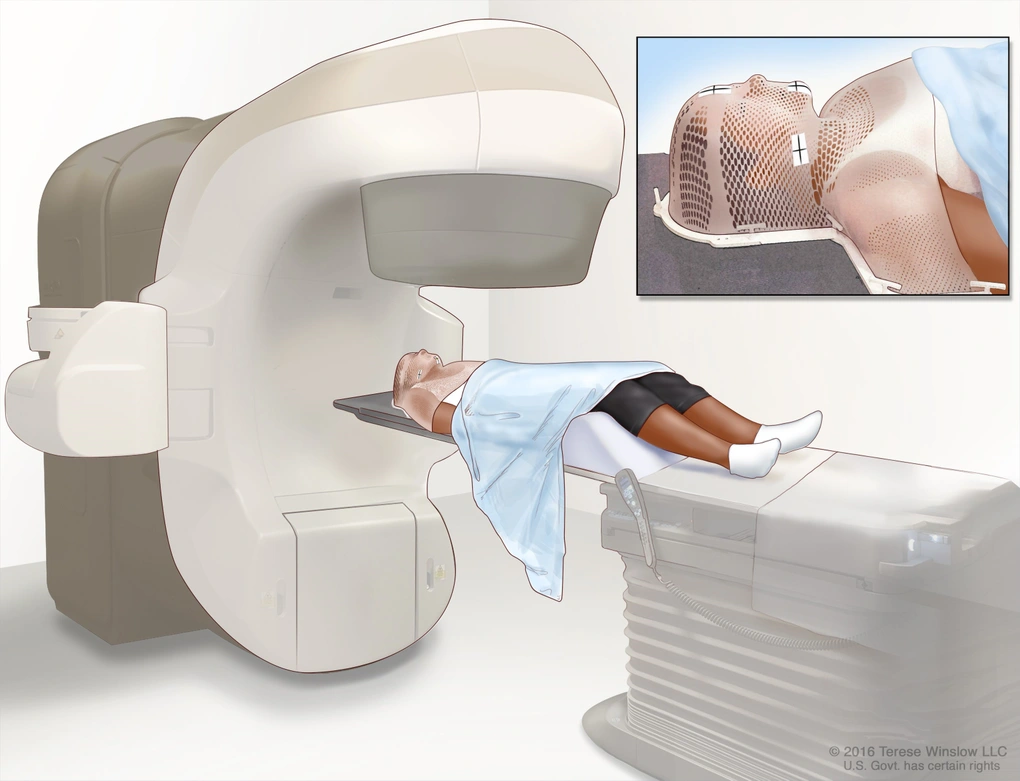
SBRT delivers ablative radiation doses in 3–5 treatments (fractions) using real-time image guidance (IGRT) and sub-centimeter targeting precision — the radiologic equivalent of ablation. The biological effect of the very high dose per fraction includes direct vascular damage and immunogenic cell death, in addition to standard DNA damage from conventional radiation.
Early-stage inoperable lung cancer: The RTOG 0236 trial (JAMA 2010) established SBRT as the standard for medically inoperable T1-T2N0 NSCLC — 54 Gy in 3 fractions achieved 97.6% local tumor control at 3 years, with 3-year OS 55.8%. For early lung cancer with excessive surgical risk, SBRT is now the de facto standard alternative to surgery.
Prostate cancer: The PACE-B trial (Lancet Oncology 2019) randomized 874 patients to SBRT (36.25 Gy in 5 fractions) vs. conventional/moderately hypofractionated RT. SBRT was non-inferior for biochemical recurrence-free survival — NCCN now endorses 5-fraction SBRT as an appropriate treatment option for low-to-intermediate risk prostate cancer.
Oligometastatic disease: The SABR-COMET trial (Lancet 2019) randomized 99 patients with 1–5 oligometastases to palliative systemic therapy alone vs. systemic therapy + SABR to all sites. Five-year OS: 42.3% vs. 17.7% — establishing SABR as a meaningful option for carefully selected oligometastatic patients.
Spinal metastases: Spinal stereotactic radiosurgery (SSRS) achieves durable pain control and local tumor control superior to conventional radiation — RTOG 0631 confirmed SSRS superiority for pain management at 3 months vs. 8 Gy conventional. For a comprehensive review of all radiation delivery techniques, see the radiation therapy guide.
Gamma Knife and CyberKnife (SRS)
Gamma Knife: 192 cobalt-60 sources focused at a single isocenter — sub-millimeter precision intracranial stereotactic radiosurgery, the established standard for 1–4 brain metastases, acoustic neuromas, and meningiomas. The NCCTG N0574 trial (JAMA 2016) showed that SRS alone — without whole-brain radiation — preserves neurocognitive function without sacrificing overall survival for patients with 1–3 brain metastases. Avoiding unnecessary whole-brain RT via precise SRS is now the standard of care for limited brain metastases.
CyberKnife: A frameless robotic linear accelerator with real-time fiducial-based tumor tracking — enabling extracranial SBRT with continuous motion compensation. Applications: prostate, spine, liver, lung, pancreas, and intracranial targets.
Proton Therapy
Protons deposit their energy in a characteristic Bragg peak — the dose rises sharply at the end of the particle’s range, then drops to near zero. This spares normal tissue beyond the tumor, reducing exit dose compared to photon (X-ray) radiation.
Established clinical benefit:
- Pediatric brain tumors: Significantly reduces neurocognitive late effects and growth hormone deficiency vs. photon RT — now standard at pediatric proton centers
- Skull base chordomas/chondrosarcomas: Proton doses of 70–78 CGE achieve >85% 5-year local control adjacent to brainstem and cranial nerves — targets unreachable with safe photon doses
- Head and neck cancer: Reduces salivary gland dose and xerostomia; cardiac dose reduction for left-sided breast cancer requiring nodal irradiation
For most cancer types (prostate, lung, liver), randomized trial evidence of proton superiority over high-quality IMRT/SBRT does not yet exist. Proton therapy selection should be based on proximity to critical normal structures and individual dosimetric comparisons, not marketing claims.
When Minimally Invasive Treatment Is (and Isn’t) Appropriate
| Approach | Best Suited For | Not Appropriate When |
|---|---|---|
| RFA / MWA | Isolated liver/renal/lung tumors ≤3–5 cm; non-surgical candidates | Adjacent to major bile ducts, bowel, or large vessels; multiple lesions with high systemic burden |
| Cryoablation | T1a renal masses; focal prostate; bone mets pain | Tumors >5 cm; adjacent to ureter or collecting system |
| TACE | BCLC-B unresectable HCC; bridge to transplant; preserved liver function | Child-Pugh C liver disease; hepatic artery thrombosis; bilobar disease with poor liver reserve |
| SBRT/SABR | Early inoperable lung/liver/prostate/spine; 1–5 oligometastases | Centrally located lung tumors without ultra-central protocol; tumors >5 cm; prior high-dose RT same site |
| Laparoscopic/Robotic | Most colorectal, renal, gynecologic, prostate cancers | Bulky tumors with vascular invasion; extensive adhesions; prohibitive conversion risk |
For guidance on how minimally invasive options compare to surgery and systemic therapy side-by-side, see the cancer treatment options guide. The appropriate cancer stage directly determines eligibility for many minimally invasive approaches — accurate staging workup is prerequisite to this decision.
How to Find a Minimally Invasive Cancer Treatment Center
Not all hospitals offer the full spectrum of minimally invasive cancer techniques. For specialized procedures:
- Ablation / TACE / Y-90: Centers with dedicated interventional oncology programs; the Society of Interventional Radiology (SIR) maintains a physician finder for IR-trained cancer treatment specialists
- SBRT for complex sites (spine, central lung, pancreas): Radiation oncology centers with IGRT capability and real-time motion management; NCI-designated cancer centers
- Robotic surgery for complex resections: High-volume surgical oncology programs; ask about annual volume for your specific procedure
- Proton therapy: Approximately 40 centers in the US; NCI-designated centers and major academic medical centers; requires insurance prior authorization
According to NCCN Patient Guidelines, all cancer treatment decisions — including minimally invasive approaches — should be reviewed by a multidisciplinary tumor board before proceeding. The NCI also provides detailed information on minimally invasive cancer surgery techniques and when they are appropriate.
Frequently Asked Questions
- National Cancer Institute — Minimally Invasive Surgery
- NCCN — Guidelines for Patients
- Society of Interventional Radiology — sirweb.org
- Weeks JC et al. — COST trial (laparoscopic colectomy); NEJM 2004
- Saji H et al. — JCOG0802 (segmentectomy vs. lobectomy for T1a NSCLC); Lancet 2022
- Timmerman R et al. — RTOG 0236 (SBRT for medically inoperable NSCLC); JAMA 2010
- Brand DH et al. — PACE-B trial (SBRT vs. RT for prostate cancer); Lancet Oncol 2019
- Palma DA et al. — SABR-COMET (SABR for oligometastatic disease); Lancet 2019
- Llovet JM et al. — TACE for unresectable HCC; Lancet 2002
- Brown PD et al. — NCCTG N0574 (SRS vs. SRS + WBRT for brain metastases); JAMA 2016
This article is for educational purposes only and does not constitute medical advice. Discuss all cancer treatment decisions with your oncology care team.
As someone dealing with this personally, the minimally invasive cancer treatment: types and section was very helpful. I have tried following advice from several sources but this is the most consistent with what my specialist told me. This gave me real confidence going into my next specialist appointment.
Came across this while researching minimally invasive cancer treatment: types and for a family member. The specific numbers and thresholds mentioned are exactly what I needed to understand my lab results. Appreciate the effort that went into researching and writing this — it shows.
I have been reading about minimally invasive cancer treatment: types and for weeks and this is the most thorough guide I have found. The article answered questions I didn’t even know I had until I started reading. This is going into my health binder that I bring to every doctor’s visit.
Really well-written article on minimally invasive cancer treatment: types and. I appreciate that the article is careful about distinguishing between what is known and what is still being researched. Keep up this kind of thorough health journalism — it genuinely helps patients like me.
This is one of the clearest explanations of minimally invasive cancer treatment: types and I have found. The practical tips made this immediately actionable, not just theoretical. This is exactly why I prefer this website over generic health platforms.
Thank you for covering minimally invasive cancer treatment: types and so thoroughly without being overly technical. I appreciate that the article is careful about distinguishing between what is known and what is still being researched. This is exactly why I prefer this website over generic health platforms.