
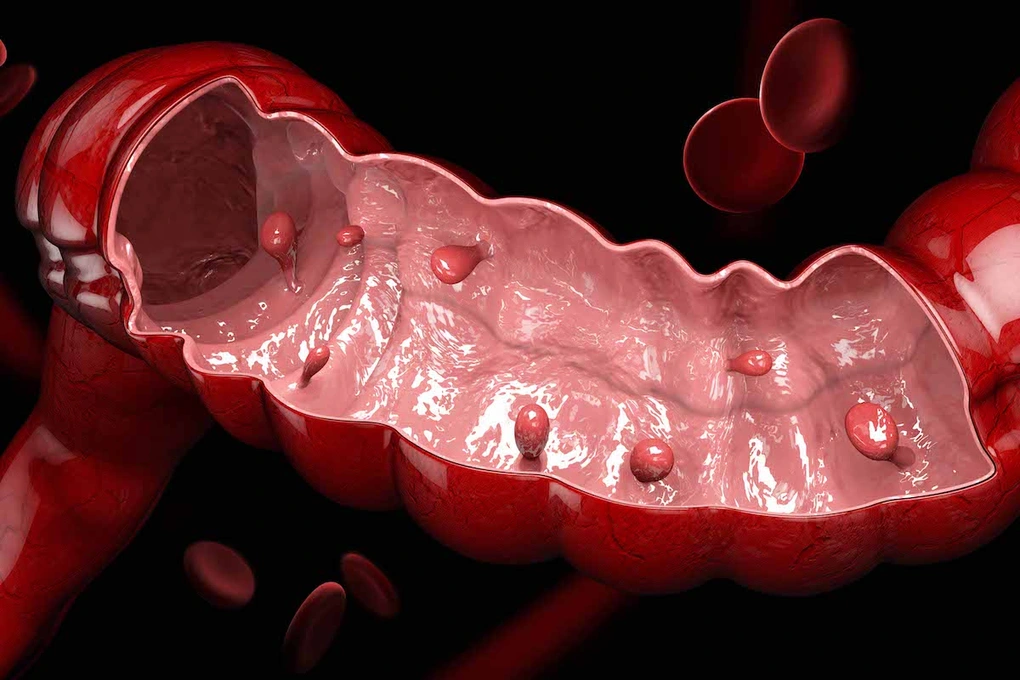
Changed bowel habits are among the most common symptoms of colon cancer — and among the most frequently attributed to something else. IBS, dietary changes, stress, travel, and aging are the explanations most patients reach for first. In many cases, they are correct. Altered bowel habits are extremely common in the general population, and the majority have benign causes.
The cancer-relevant question is not whether someone has diarrhea or constipation — it is whether something has changed from their normal baseline, persisted without a clear explanation, and is getting progressively worse. A person who has had IBS for fifteen years is not describing a new symptom. A person who has had normal bowel habits for decades and now has persistent pencil-thin stools over six weeks is describing something that requires evaluation.
An equally important concept: the type of bowel change — or whether there is any bowel change at all — depends almost entirely on where in the colon the tumor is located.
How Tumor Location Determines the Type of Bowel Change
The colon is not a uniform tube. It changes in diameter, content, and function from one end to the other — and those differences determine exactly what symptoms a growing tumor produces.
The right colon — cecum and ascending colon — is the widest segment, roughly the diameter of a baseball. Stool within it is still liquid, arriving from the small intestine as a watery mixture. A tumor growing here can reach considerable size before it significantly narrows the lumen. The liquid stool flows past or around it without difficulty. The result: silent, chronic bleeding that is invisible to the patient, rather than obstruction.
The left colon — descending colon and sigmoid — is narrower, roughly the diameter of a large sausage. By the time stool reaches the left colon, it has been consolidated into a formed solid mass. A tumor growing here begins to narrow the passage through which solid stool must travel. The result is a distinctly obstructive symptom pattern that develops earlier and is more obvious to the patient.
The rectum is the final segment — narrow, highly innervated, and the body’s primary sensory organ for the urge to defecate. Even relatively small rectal tumors produce symptoms early because the rectum has no tolerance for space-occupying lesions.
Left Colon and Sigmoid Cancer — The Obstructive Pattern
When a tumor grows in the left colon or sigmoid colon, it progressively narrows the lumen through which formed stool passes. The symptoms that result are mechanical — the colon is trying to move solid stool through a smaller and smaller space.
Pencil-thin or ribbon-like stools are the classic presentation. Stool that would normally emerge as a normal-caliber cylinder is literally squeezed through the narrowed lumen — producing a thin, flat, or ribbon-shaped stool. Patients who have never paid attention to stool shape suddenly notice that something has changed. When this is new and persistent, it warrants colonoscopy even without accompanying bleeding.
Alternating constipation and diarrhea produces a characteristic see-saw pattern. The partial obstruction makes it difficult for solid stool to pass — producing constipation. Liquid stool, smaller in effective size, can seep past or around the obstruction — producing diarrhea. The patient oscillates between the two states, often without an obvious trigger. Many patients and physicians initially attribute this to IBS, which produces similar alternation through a completely different mechanism.
Sense of incomplete evacuation — the feeling that a bowel movement is not fully complete even after what seems like a normal stool — is a common and underreported symptom. Patients describe feeling like they need to go again immediately after finishing. This reflects the tumor’s partial obstruction producing residual sensation rather than a functional problem.
Cramping, bloating, and increased gas develop as the tumor enlarges and the colon works harder against the resistance. Combined with alternating bowel habits, this closely mimics IBS — which contributes to misdiagnosis.
Urgency — a sudden, intense need to reach a bathroom — can occur particularly when the tumor is close to the rectum.
In advanced cases: complete obstruction is a surgical emergency. The patient suddenly cannot pass stool or gas, the abdomen distends severely, cramping becomes intense, and vomiting follows. Seek emergency care immediately.
Rectal Cancer — Specific Symptoms
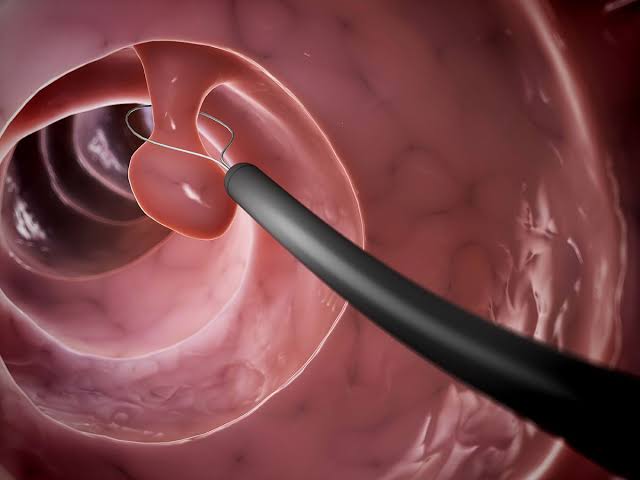
Rectal cancer produces a distinctive symptom set that reflects the rectum’s anatomy and function. Because the rectum is narrow, highly innervated, and serves as the body’s sensory organ for the urge to defecate, even relatively small rectal tumors produce symptoms early.
Tenesmus is the most characteristic symptom of rectal cancer: a persistent, often painful urge to defecate even when the rectum is empty. The tumor occupies space in the rectum and triggers the same reflex that an actual stool would — the patient experiences a continuous “not quite done” sensation. Straining without productive result. Tenesmus that is new, persistent, and not explained by hemorrhoids warrants evaluation.
Urgency and increased frequency follow from the reduced functional capacity of the rectum. A normal rectum can hold a substantial volume before the urge becomes urgent. A rectum with a growing tumor has reduced capacity — the urge to go becomes more frequent and urgent with smaller stool volumes.
Sense of incomplete evacuation after every bowel movement is also common in rectal cancer. The rectum does not feel empty even after defecation.
Pain in the rectal area is typically a late feature, occurring when the cancer has grown through the rectal wall or involved adjacent structures. Early rectal cancer rarely produces pain at rest.
These symptoms are commonly misattributed to hemorrhoids for months. Tenesmus, urgency, incomplete evacuation, and rectal bleeding is a symptom profile that could represent rectal cancer or hemorrhoids — and only evaluation distinguishes them.
Right Colon Cancer — Often No Bowel Changes
Right colon cancer is, in many ways, the most dangerous precisely because it is the most silent. In the majority of cases, right-sided colon cancer does not produce bowel habit changes. The patient’s stools look normal, bowel movements seem normal, and there is nothing to prompt concern or evaluation.
The wide diameter of the right colon, and the liquid nature of its contents, allow a right-sided tumor to grow substantially before causing any luminal obstruction. It bleeds chronically and invisibly — the blood dispersing into liquid stool without discoloration.
What right colon cancer produces instead is iron deficiency anemia. The constant, invisible blood loss depletes iron stores over weeks and months. Hemoglobin falls. The patient notices fatigue — persistent, disproportionate, not relieved by rest. Pallor develops. Shortness of breath with minimal exertion, heart palpitations when climbing stairs. By the time a blood count reveals severely low hemoglobin, the tumor has often been present for many months.
Some patients with right-sided cancer report vague discomfort or a sense of fullness in the right lower abdomen. In late-stage right-sided cancer, a palpable mass can sometimes be felt through the abdominal wall. Both findings indicate advanced disease.
The practical implication: unexplained iron deficiency anemia in a man, or in a post-menopausal woman, is an indication for colonoscopy — even in the complete absence of bowel symptoms.
Bowel Changes vs. IBS — What Makes the Difference
IBS and left-sided colon cancer share several surface features: altered bowel habits, abdominal cramping, bloating, and urgency. This overlap is a major contributor to delayed diagnosis.
IBS does NOT cause rectal bleeding, unexplained weight loss, iron deficiency anemia, or nocturnal diarrhea. Any of these alarm features in a patient with supposed IBS symptoms — even one who has had IBS for years — warrants colonoscopy to exclude colorectal cancer. A history of IBS does not protect against colon cancer, and colon cancer develops in people with IBS.
What distinguishes cancer-associated bowel changes from IBS:
- Duration: IBS is typically a chronic condition of years’ standing. Colon cancer produces new symptoms — a change from what was normal, developing over weeks to months
- Pattern: IBS symptoms tend to be variable and linked to identifiable triggers (stress, diet, menstrual cycle). Colon cancer-associated changes tend to be progressive — steadily narrowing stools, steadily worsening obstruction — without that variability
- Nocturnal diarrhea: Functional bowel disorders almost never produce diarrhea that wakes a patient from sleep. Nocturnal diarrhea is an organic symptom that warrants investigation
- Response to diet and lifestyle: IBS symptoms often respond at least partially to dietary modification. Colon cancer-associated changes do not improve with diet changes
- Alarm features: IBS produces none of the alarm features of colorectal cancer. Rectal bleeding, weight loss, and anemia are not IBS
When Bowel Changes Require a Colonoscopy
The threshold for evaluation in the context of changed bowel habits:
- Adult ≥45 with new bowel habit change lasting more than four weeks with no clear explanation: Colonoscopy is indicated
- Any adult with alarm features — rectal bleeding, iron deficiency anemia, unexplained weight loss, nocturnal diarrhea — combined with bowel changes: Urgent colonoscopy regardless of age
- Pencil-thin or ribbon-like stools persisting for four or more weeks: Colonoscopy even without accompanying bleeding
- Family history of colon cancer in a first-degree relative who develops bowel changes: Earlier and more urgent evaluation
- Worsening and progressive symptoms — not the stable variability typical of IBS — warrant colonoscopy
The correct response is evaluation — not watchful waiting, not attributing the change to IBS, diet, or stress without excluding a structural cause. Most evaluations will find a benign explanation, and that knowledge is genuinely reassuring. The minority that find a cancer or advanced polyp catch it at a stage where treatment is most effective.
Frequently Asked Questions
Do pencil-thin stools always mean cancer?
No — pencil-thin stools can result from severe spasm or cramping of the sigmoid colon in IBS, from external compression, or from other benign causes. However, when they are new, persistent, and not explained by bowel disease the patient already has, they warrant colonoscopy to exclude a structural cause. The concern is not isolated pencil-thin stools on one day — it is persistent narrowing that doesn’t resolve.
Can stress or anxiety cause the same bowel changes?
Yes — stress and anxiety can produce bowel habit changes, cramping, urgency, and alternating constipation and diarrhea through the gut-brain axis. These are real physiological effects. However, stress-related bowel changes do not cause rectal bleeding, iron deficiency anemia, or progressive stool narrowing. If bowel changes are attributed to stress but persist beyond four to six weeks without improvement, or if any alarm features are present, evaluation is warranted regardless of the stress explanation.
Sources: Hamilton W et al., Br J Cancer 2005; NICE Colorectal Cancer NG151 2020; Rex DK et al., AJG 2021; Astin M et al., Br J Gen Pract 2011.
When Bowel Changes Need Urgent Evaluation
Not all bowel habit changes require immediate investigation, but certain combinations of features should prompt timely evaluation with a healthcare provider and colonoscopy. Understanding the red flag features that distinguish concerning changes from functional bowel variability helps patients seek care at the right time — neither delaying evaluation of potentially serious changes nor seeking unnecessary urgent workup for benign symptoms.
The following combinations of bowel changes warrant prompt evaluation (within days to a few weeks, not months): new-onset constipation or narrowed stool caliber in a person over 50 who has not had recent colonoscopy; rectal bleeding combined with change in stool consistency or frequency; bowel changes accompanied by unintentional weight loss (>5kg/10lbs); bowel changes with a palpable abdominal mass; iron deficiency anemia discovered on blood testing — even in the absence of visible bleeding. These feature combinations substantially raise the pre-test probability of a structural colonic lesion (polyp, cancer, or significant inflammatory disease) and justify expedited investigation.
For more detail on the specific symptom of rectal bleeding and what it indicates, see our guide to blood in stool and colon cancer. For a comprehensive overview of all colon cancer warning signs taken together, see our article on colon cancer symptoms. For information on the population-level screening that can detect colon cancer before symptoms develop, see our guide to colorectal cancer screening.
The Role of Colonoscopy in Evaluating Bowel Changes
When bowel changes require investigation, colonoscopy is the gold standard diagnostic test. It provides direct visualization of the entire large intestine from the anus to the cecum, identifies structural causes of altered bowel habits (polyps, cancer, diverticular disease, colitis, strictures), and allows tissue biopsy for histological diagnosis. For patients with new bowel changes who are over the standard screening age and have not had a recent colonoscopy, a diagnostic colonoscopy (as opposed to a screening colonoscopy) is typically indicated. For a step-by-step guide to what colonoscopy involves, see our article on colonoscopy.
Functional bowel disorders — including irritable bowel syndrome (IBS), functional constipation, and functional diarrhea — are far more common causes of bowel habit changes than colorectal cancer, particularly in younger patients without alarm features. However, distinguishing functional from structural causes requires clinical assessment and, in appropriate cases, colonoscopy; bowel habit changes should not be attributed to IBS without ruling out structural pathology, particularly in patients over 50 or those with alarm features.
Key Resources
- American Cancer Society — Colorectal Cancer Signs and Symptoms
- National Cancer Institute — Colorectal Cancer
- American College of Gastroenterology — Colorectal Cancer Screening
Lifestyle Factors and Colorectal Cancer Risk
Beyond screening, understanding the modifiable lifestyle factors that influence colorectal cancer risk provides patients with actionable prevention strategies that complement regular colonoscopy or stool-based testing programs. Colorectal cancer is one of the cancers most strongly linked to modifiable risk factors, and the evidence for several preventive behaviors is substantial enough to have influenced clinical guidelines.
Diet: A diet high in red and processed meat is one of the most consistently documented dietary risk factors for colorectal cancer. The International Agency for Research on Cancer (IARC) classifies processed meat (bacon, sausage, hot dogs, deli meats) as a Group 1 carcinogen for colorectal cancer, and red meat as a Group 2A probable carcinogen. The mechanism involves N-nitroso compounds, heme iron, and heterocyclic amines formed during high-temperature cooking. Conversely, diets high in dietary fiber — particularly from whole grains, legumes, fruits, and vegetables — are associated with reduced colorectal cancer risk, likely through effects on fecal transit time, gut microbiome composition, and fermentation of fiber to short-chain fatty acids (SCFAs) that promote colonocyte health.
Physical activity: Regular physical activity is associated with a 20–25% reduction in colorectal cancer risk in prospective cohort studies. The protective effect appears strongest for colon cancer compared to rectal cancer, and for vigorous activity compared to light activity. Physical activity may reduce colorectal cancer risk through effects on insulin resistance, inflammatory markers, prostaglandin synthesis, and bowel transit time. The ACS recommends at least 150–300 minutes of moderate-intensity activity or 75–150 minutes of vigorous activity per week for cancer prevention.
Body weight: Obesity — particularly central adiposity — is a significant colorectal cancer risk factor. Adipose tissue produces inflammatory cytokines and increases circulating insulin and insulin-like growth factor 1 (IGF-1), which promote colonic epithelial proliferation. Weight loss in overweight individuals is associated with reduced colorectal cancer risk, though the magnitude of risk reduction depends on the degree and duration of weight loss.
Alcohol: Alcohol consumption is associated with increased colorectal cancer risk in a dose-dependent manner. The ACS classifies alcohol as a Group 1 carcinogen for colorectal cancer; even moderate drinking (1–2 drinks/day) is associated with a measurable increase in risk. The mechanism involves acetaldehyde (a toxic alcohol metabolite), folate depletion (alcohol impairs folate absorption and metabolism), and oxidative stress.
Aspirin and NSAIDs: Regular aspirin use has been shown to reduce colorectal cancer incidence and mortality in observational studies and several randomized trials. The protective effect of aspirin on colorectal cancer is attributed to inhibition of cyclooxygenase-2 (COX-2), which mediates prostaglandin E2 synthesis — a key driver of colorectal tumor proliferation. However, USPSTF does not recommend aspirin specifically for colorectal cancer prevention because of the bleeding risk, and the decision to use aspirin should be based on the individual’s cardiovascular risk-benefit profile in consultation with their physician.
Talking to Your Doctor: Questions to Ask
When discussing colorectal cancer prevention, screening, or symptoms with your healthcare provider, being prepared with specific questions helps ensure that you get the information you need to make informed decisions. The following questions are relevant to most scenarios involving colorectal health.
About screening: What colorectal cancer screening test do you recommend for me, and why? Am I at average risk or higher risk? If higher risk, what earlier or more frequent screening schedule should I follow? My father/mother/sibling had colorectal cancer — how does that change my screening timeline?
About test results: My FIT/Cologuard/stool test came back positive — what exactly does this mean, and how quickly do I need a follow-up colonoscopy? My colonoscopy found a polyp — what type was it, what size, and what does this mean for my surveillance schedule? My biopsy showed CIN or dysplasia — what grade, and what is the recommended next step?
About symptoms: I’ve noticed rectal bleeding/blood in stool/bowel habit changes for the past few weeks — should I have a colonoscopy? I am 38 years old and have these symptoms — do my age and lack of risk factors affect whether I need a colonoscopy? My symptoms resolve and then return — is this pattern significant?
About prevention: Are there dietary or lifestyle changes that would meaningfully reduce my colorectal cancer risk? Should I take aspirin for colorectal cancer prevention given my personal risk profile? I have a family history of Lynch syndrome — should I have genetic counseling or germline testing?
Effective communication with your healthcare provider is one of the most important factors in colorectal cancer prevention and early detection. Do not minimize or normalize symptoms — describe them accurately, including when they started, their frequency, whether they are changing, and any associated symptoms. The brief time investment in a productive clinical conversation is vastly outweighed by the benefit of catching a colorectal cancer at an early, curable stage rather than a late, advanced one.
Colorectal cancer remains the second leading cause of cancer death in the United States when men and women are combined, accounting for approximately 52,550 deaths per year (ACS 2023 estimates). Despite these numbers, it is also one of the most preventable and treatable cancers when caught early. Stage I colorectal cancer has a 5-year relative survival rate of approximately 90%; Stage IV drops to approximately 14%. This dramatic survival gradient — from highly curable to largely incurable — underscores why screening, surveillance, and prompt evaluation of symptoms collectively represent the most impactful set of actions any individual can take to reduce their colorectal cancer risk. The tools available today — from FIT stool testing to colonoscopy to Cologuard to the Shield blood test — give patients and clinicians more options than ever to find and prevent colorectal cancer before it becomes life-threatening. Using them at the right time, and following through when results are abnormal, is the single most important factor determining individual outcomes.
Bookmarked this article on bowel changes and colon cancer: what immediately — going to reference it regularly. The article answered questions I didn’t even know I had until I started reading. Appreciate the effort that went into researching and writing this — it shows.
My cardiologist recommended I look into bowel changes and colon cancer: what and this article covered it perfectly. I especially valued the explanation of why these recommendations exist, not just what they are. This gave me real confidence going into my next specialist appointment.
This is one of the clearest explanations of bowel changes and colon cancer: what I have found. I especially valued the explanation of why these recommendations exist, not just what they are. Will definitely be coming back to this site for more health information.
As someone dealing with this personally, the bowel changes and colon cancer: what section was very helpful. I have tried following advice from several sources but this is most consistent with what my specialist told me. Exactly the kind of evidence-based information that is hard to find in one place.
Came across this while researching bowel changes and colon cancer: what for a family member. The specific numbers and thresholds mentioned are exactly what I needed to understand my results. Shared this with three friends who are dealing with related issues. Very useful resource.
This is one of the clearest explanations of bowel changes and colon cancer: what I have found. I have tried following advice from several sources but this is most consistent with what my specialist told me. This is exactly why I prefer this website over generic health platforms.