
Most colon polyps cause no symptoms whatsoever. They don’t bleed, they don’t hurt, and they produce no sign that anything is happening inside the colon. This is both the defining feature of colon polyps and the reason colonoscopy was developed: these growths are common, potentially dangerous, and completely invisible without direct visualization.
Approximately 30 to 40 percent of average-risk adults will have at least one colon polyp found during a screening colonoscopy. The question is never simply whether you have a polyp — it’s what type, how large, and what features the pathology report identifies. The answer determines whether you go back in seven to ten years or in one to three.
The reason colonoscopy is the only screening test that both detects and prevents colon cancer is exactly this: it finds polyps and removes them before they can progress — interrupting the years-long process by which normal colon tissue becomes cancer.
What Are Colon Polyps?
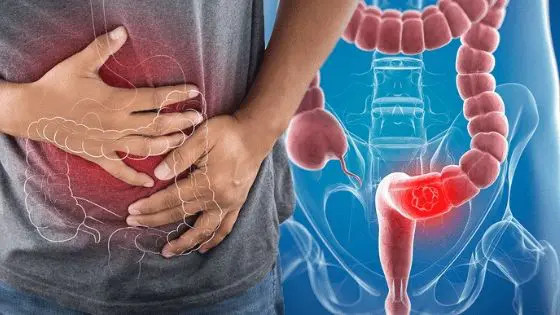
A colon polyp is an abnormal growth arising from the inner lining (mucosa) of the colon. The term covers a broad range of lesions — from completely benign, clinically irrelevant growths to lesions that represent the immediate precursor stage of colon cancer.
Polyps grow in various shapes. Some are pedunculated — raised on a stalk, like a mushroom attached to the colon wall. These are relatively easy to remove completely by snaring the stalk. Others are sessile — flat-based, attached directly to the colon wall without a stalk. Some are very flat or slightly depressed, lying against the mucosa with minimal elevation. The flat morphology of some polyp types — particularly sessile serrated lesions — makes them genuinely difficult to see during colonoscopy, and they are missed more often than raised polyps of the same size.
Prevalence increases with age. Polyps are relatively uncommon in adults under 40, begin to rise in prevalence around age 45, and are found in a substantial minority of adults in their 60s and 70s. This is why colorectal cancer screening begins at 45.
Types of Colon Polyps — and Which Ones Matter
Not all polyps carry the same risk. The type of polyp — determined by the pathologist who examines the removed tissue — is the single most important factor in determining both cancer risk and surveillance intervals.
Hyperplastic polyps are the most common polyp type overall. They are typically tiny (less than 5mm), pale, and found predominantly in the rectum and sigmoid colon. Small hyperplastic polyps in the left colon carry essentially no cancer risk and do not change the standard colonoscopy interval.
Tubular adenomas are the most important and most common cancer precursor polyp. They account for approximately 80% of all adenomas. Their cancer risk depends on size, number, and grade. A single small tubular adenoma under 10mm with low-grade dysplasia is a relatively low-risk finding. Multiple adenomas, larger adenomas, or adenomas with higher-grade features carry progressively greater risk.
Tubulovillous adenomas have a mixed architecture — part tubular, part villous. They carry intermediate cancer risk.
Villous adenomas have a finger-like, frond-like architecture. They are less common (approximately 5% of adenomas) but carry the highest cancer risk among adenoma types. Approximately 15 to 25% of villous adenomas harbor high-grade dysplasia or invasive cancer at the time of resection. Large villous adenomas of the rectum can occasionally produce copious mucus secretion, leading to chronic diarrhea — one of the rare instances where polyps cause clinical symptoms.
Sessile serrated lesions (SSLs) represent a clinically important and increasingly recognized pathway to colon cancer. SSLs arise through the serrated pathway — distinct from the classic adenoma-carcinoma sequence — leading to microsatellite-unstable tumors via methylation of the MLH1 gene. They are predominantly right-sided, flat, pale, and often covered by a cap of mucus that makes them easy to miss during colonoscopy. Despite their benign appearance, SSLs carry meaningful cancer risk, especially when large (10mm or greater) or showing dysplasia.
Advanced adenoma is a clinical composite: any adenoma that is 10mm or larger, or has tubulovillous or villous features, or has high-grade dysplasia. Advanced adenomas represent the highest near-term cancer risk and require the shortest surveillance intervals.
How Polyps Become Cancer — The Adenoma-Carcinoma Sequence
The transformation from normal colon mucosa to invasive colorectal cancer follows a well-characterized sequence that takes, on average, ten to fifteen years. This timeline is the biological foundation for colonoscopy screening — the window during which polyp removal eliminates the cancer that would otherwise have developed.
The process begins when normal colon cells acquire a mutation in the APC tumor suppressor gene, which normally controls cell growth and division. With APC disabled, cells begin to proliferate abnormally, forming a tiny cluster of abnormal glands. Over subsequent years, additional mutations accumulate — KRAS mutations promote cell growth; loss of chromosome 18q removes growth suppression; finally, loss of TP53 removes the last brake on uncontrolled division. The lesion has grown from a small adenoma into an invasive cancer.
The serrated pathway works differently. Sessile serrated lesions acquire an early BRAF mutation. The cancer suppressor MLH1 becomes silenced through methylation rather than mutation, producing a tumor with defective mismatch repair — the MSI-H phenotype. These tumors arise in the right colon and may progress more rapidly than classic adenomas, contributing to some of the cancers that develop between scheduled colonoscopies.
The practical implication: removing a polyp at any stage before invasive cancer develops eliminates the cancer entirely. A tubular adenoma removed at 8mm is a cancer that will never occur. This is why polypectomy during colonoscopy is one of the most effective cancer prevention interventions in medicine.
Risk Factors for Developing Colon Polyps
Age is the most important risk factor. Polyp prevalence increases sharply after 45 and continues to rise into the 60s and 70s. This is why screening begins at 45.
Family history meaningfully increases risk. A first-degree relative with colorectal cancer or advanced adenoma doubles or triples polyp risk. Screening recommendations for these patients begin at age 40, or ten years before the youngest relative’s diagnosis.
Diet: High consumption of red and processed meat, low fiber intake, and low dietary calcium are associated with higher adenoma risk. Calcium supplementation has modest but documented benefit in reducing adenoma recurrence.
Lifestyle factors: Obesity — particularly abdominal obesity — is a significant independent risk factor. Physical inactivity compounds this risk. Tobacco smoking is associated with serrated polyps as well as adenomas. Heavy alcohol use increases risk.
Hereditary syndromes:
- Familial adenomatous polyposis (FAP): APC gene mutation; hundreds to thousands of adenomas beginning in adolescence; virtually 100% colon cancer risk by age 40 without prophylactic colectomy; annual colonoscopy starting at age 10–15
- Lynch syndrome: Mismatch repair gene mutations (MLH1, MSH2, MSH6, PMS2); few adenomas but rapid progression; right-sided CRC predominance; colonoscopy every 1–2 years starting age 20–25
- MUTYH-associated polyposis (MAP): Similar to FAP in presentation; biallelic MUTYH mutations
Why Colon Polyps Almost Never Cause Symptoms
The fundamental challenge of colon polyps is that more than 95% produce no symptoms at all. A tubular adenoma of 8 or 9 millimeters on the wall of the colon causes no bleeding, no pain, no change in bowel habits, and no sign of any kind that can be felt by the patient. If a colonoscopy removes it, the cancer is prevented. If no colonoscopy is performed, it grows silently for the next several years.
The exceptions are uncommon. Large polyps — typically 20mm or larger — may bleed enough to produce visible rectal blood or iron deficiency anemia. Very large villous adenomas, particularly in the rectum, can produce copious mucus leading to chronic diarrhea and electrolyte imbalance. These events are unusual and do not represent the typical polyp experience.
The practical implication: waiting for symptoms is not a viable strategy for polyp detection. The entire ten-to-fifteen-year window in which a tubular adenoma can be removed before it becomes cancer is completely asymptomatic. Only colonoscopy — or, with less effectiveness, stool tests — detects polyps during this window.
What Your Surveillance Interval Means
When a colonoscopy finds and removes polyps, the pathology report determines the next colonoscopy interval. The interval reflects the estimated risk that a new or residual advanced polyp will develop within that timeframe.
- 1–2 small tubular adenomas (under 10mm, low-grade dysplasia): 7–10 years. Low-risk finding. The risk of developing an advanced polyp within this period is low; a long surveillance interval is appropriate.
- 3–4 tubular adenomas, OR one adenoma 10–19mm, OR any adenoma with tubulovillous/villous features or high-grade dysplasia: 3 years. Intermediate risk. Multiple adenomas suggest a higher density of polyp formation; size and features reflect greater biological aggressiveness.
- 5–10 adenomas, OR any adenoma 20mm or larger: 1–3 years. High risk. Multiple synchronous adenomas or very large adenomas indicate a colon that generates polyps prolifically.
- More than 10 adenomas: 1 year; genetic counseling referral. When adenoma burden is this high, hereditary syndrome evaluation (FAP, MAP, Lynch) is warranted.
- Sessile serrated lesion under 10mm, no dysplasia: 5 years. Serrated pathway risk justifies closer follow-up than hyperplastic polyps.
- Sessile serrated lesion 10mm or larger, or with dysplasia: 3 years. High-risk SSL equivalent to advanced adenoma.
One important clarification: a clean colonoscopy after a prior high-risk finding does not reset the interval to ten years. Surveillance continues based on the highest-risk prior finding — not the most recent result. A patient who had five adenomas removed three years ago and now has a clean colonoscopy typically goes back in one to three years, not ten.
Frequently Asked Questions
If my polyps were removed, am I cured?
Removing existing polyps eliminates the specific cancer risk those polyps represented. But the same colon that generated adenomas will likely generate new ones over the following years. This is why surveillance colonoscopy after polypectomy is not optional — it catches the next generation of polyps before they progress. The interval your physician assigned reflects the estimated timing of when new lesions are most likely to appear.
Do I need to change my diet after polyps are found?
Diet modification may reduce the risk of new polyp formation but does not eliminate it. Evidence supports reducing red and processed meat intake, increasing fiber and vegetables, and maintaining a healthy weight. Calcium supplementation (1,000–1,200mg daily) has modest but documented benefit in reducing adenoma recurrence. These measures complement, rather than replace, surveillance colonoscopy.
Sources: Fearon ER & Vogelstein B, Cell 1990; Gupta S et al., Gastroenterology 2020 (ACG/USMSTF surveillance guidelines); Rex DK et al., AJG 2021; Snover DC, Hum Pathol 2011 (serrated pathway).
Understanding Your Colonoscopy Surveillance Interval
After polyp removal, the surveillance colonoscopy schedule your gastroenterologist recommends is directly determined by what was found — the number, size, type, and degree of dysplasia of the removed polyps. Understanding this framework helps patients grasp why their interval differs from the standard 10-year colonoscopy and what it means for their long-term cancer risk.
The 2020 ACG/USMSTF surveillance guidelines (updated from 2012) represent the most current consensus on post-polypectomy surveillance timing. Key intervals include: 1–2 adenomas <10mm with low-grade dysplasia → 7–10 years; 3–4 small adenomas → 3–5 years; 5–10 adenomas or any adenoma ≥10mm or any adenoma with villous features or high-grade dysplasia → 3 years; adenoma >20mm removed piecemeal → 6 months; serrated sessile polyp ≥10mm or any serrated polyp with dysplasia → 3 years. Patients with piecemeal removal of large polyps need the earliest follow-up because resection completeness cannot be confirmed histologically.
For a full guide to the colonoscopy procedure itself — how it is performed, what preparation involves, and what to expect on the day — see our detailed article on colonoscopy. For context on which screening tests are available beyond colonoscopy (including stool DNA tests and FIT), see our guide to colorectal cancer screening.
Polyps and Colorectal Cancer: The Continuum
Colon polyps are not colorectal cancer — but understanding their relationship to cancer is essential for motivating both compliance with colonoscopy and adherence to post-polypectomy surveillance. The adenoma-carcinoma sequence is one of the best-understood cancer development pathways in oncology: specific genetic mutations accumulate over years, driving a benign adenoma through stages of increasing dysplasia to invasive cancer. The Wnt/APC/beta-catenin pathway mutation (typically an APC gene mutation) is the initiating event in sporadic colorectal adenomas; subsequent mutations in KRAS, SMAD4, and TP53 drive progression toward high-grade dysplasia and then invasive cancer.
For a comprehensive overview of colorectal cancer — including how polyp-derived cancers differ from de novo cancers arising through the serrated pathway — see our main guide to colorectal cancer. For information about the symptoms that may indicate a polyp has progressed to cancer, see our guide to colon cancer symptoms.
Key Resources on Colon Polyps
- American Cancer Society — Colorectal Cancer Prevention Guidelines
- National Cancer Institute — Colorectal Cancer Prevention (PDQ)
- American College of Gastroenterology — Colon Polyps
Lifestyle Factors and Colorectal Cancer Risk
Beyond screening, understanding the modifiable lifestyle factors that influence colorectal cancer risk provides patients with actionable prevention strategies that complement regular colonoscopy or stool-based testing programs. Colorectal cancer is one of the cancers most strongly linked to modifiable risk factors, and the evidence for several preventive behaviors is substantial enough to have influenced clinical guidelines.
Diet: A diet high in red and processed meat is one of the most consistently documented dietary risk factors for colorectal cancer. The International Agency for Research on Cancer (IARC) classifies processed meat (bacon, sausage, hot dogs, deli meats) as a Group 1 carcinogen for colorectal cancer, and red meat as a Group 2A probable carcinogen. The mechanism involves N-nitroso compounds, heme iron, and heterocyclic amines formed during high-temperature cooking. Conversely, diets high in dietary fiber — particularly from whole grains, legumes, fruits, and vegetables — are associated with reduced colorectal cancer risk, likely through effects on fecal transit time, gut microbiome composition, and fermentation of fiber to short-chain fatty acids (SCFAs) that promote colonocyte health.
Physical activity: Regular physical activity is associated with a 20–25% reduction in colorectal cancer risk in prospective cohort studies. The protective effect appears strongest for colon cancer compared to rectal cancer, and for vigorous activity compared to light activity. Physical activity may reduce colorectal cancer risk through effects on insulin resistance, inflammatory markers, prostaglandin synthesis, and bowel transit time. The ACS recommends at least 150–300 minutes of moderate-intensity activity or 75–150 minutes of vigorous activity per week for cancer prevention.
Body weight: Obesity — particularly central adiposity — is a significant colorectal cancer risk factor. Adipose tissue produces inflammatory cytokines and increases circulating insulin and insulin-like growth factor 1 (IGF-1), which promote colonic epithelial proliferation. Weight loss in overweight individuals is associated with reduced colorectal cancer risk, though the magnitude of risk reduction depends on the degree and duration of weight loss.
Alcohol: Alcohol consumption is associated with increased colorectal cancer risk in a dose-dependent manner. The ACS classifies alcohol as a Group 1 carcinogen for colorectal cancer; even moderate drinking (1–2 drinks/day) is associated with a measurable increase in risk. The mechanism involves acetaldehyde (a toxic alcohol metabolite), folate depletion (alcohol impairs folate absorption and metabolism), and oxidative stress.
Aspirin and NSAIDs: Regular aspirin use has been shown to reduce colorectal cancer incidence and mortality in observational studies and several randomized trials. The protective effect of aspirin on colorectal cancer is attributed to inhibition of cyclooxygenase-2 (COX-2), which mediates prostaglandin E2 synthesis — a key driver of colorectal tumor proliferation. However, USPSTF does not recommend aspirin specifically for colorectal cancer prevention because of the bleeding risk, and the decision to use aspirin should be based on the individual’s cardiovascular risk-benefit profile in consultation with their physician.
Talking to Your Doctor: Questions to Ask
When discussing colorectal cancer prevention, screening, or symptoms with your healthcare provider, being prepared with specific questions helps ensure that you get the information you need to make informed decisions. The following questions are relevant to most scenarios involving colorectal health.
About screening: What colorectal cancer screening test do you recommend for me, and why? Am I at average risk or higher risk? If higher risk, what earlier or more frequent screening schedule should I follow? My father/mother/sibling had colorectal cancer — how does that change my screening timeline?
About test results: My FIT/Cologuard/stool test came back positive — what exactly does this mean, and how quickly do I need a follow-up colonoscopy? My colonoscopy found a polyp — what type was it, what size, and what does this mean for my surveillance schedule? My biopsy showed CIN or dysplasia — what grade, and what is the recommended next step?
About symptoms: I’ve noticed rectal bleeding/blood in stool/bowel habit changes for the past few weeks — should I have a colonoscopy? I am 38 years old and have these symptoms — do my age and lack of risk factors affect whether I need a colonoscopy? My symptoms resolve and then return — is this pattern significant?
About prevention: Are there dietary or lifestyle changes that would meaningfully reduce my colorectal cancer risk? Should I take aspirin for colorectal cancer prevention given my personal risk profile? I have a family history of Lynch syndrome — should I have genetic counseling or germline testing?
Effective communication with your healthcare provider is one of the most important factors in colorectal cancer prevention and early detection. Do not minimize or normalize symptoms — describe them accurately, including when they started, their frequency, whether they are changing, and any associated symptoms. The brief time investment in a productive clinical conversation is vastly outweighed by the benefit of catching a colorectal cancer at an early, curable stage rather than a late, advanced one.
Colorectal cancer remains the second leading cause of cancer death in the United States when men and women are combined, accounting for approximately 52,550 deaths per year (ACS 2023 estimates). Despite these numbers, it is also one of the most preventable and treatable cancers when caught early. Stage I colorectal cancer has a 5-year relative survival rate of approximately 90%; Stage IV drops to approximately 14%. This dramatic survival gradient — from highly curable to largely incurable — underscores why screening, surveillance, and prompt evaluation of symptoms collectively represent the most impactful set of actions any individual can take to reduce their colorectal cancer risk. The tools available today — from FIT stool testing to colonoscopy to Cologuard to the Shield blood test — give patients and clinicians more options than ever to find and prevent colorectal cancer before it becomes life-threatening. Using them at the right time, and following through when results are abnormal, is the single most important factor determining individual outcomes.
Thank you for covering colon polyps: types, risks, and what so thoroughly without being overly technical. What I liked most was that the article didn’t just say what to avoid — it also gave alternatives. Looking forward to reading more articles from this website.
As someone dealing with this personally, the colon polyps: types, risks, and what section was very helpful. What I liked most was that the article didn’t just say what to avoid — it also gave alternatives. Thank you for making complex medical information accessible without dumbing it down.
Bookmarked this article on colon polyps: types, risks, and what immediately — going to reference it regularly. I especially valued the explanation of why these recommendations exist, not just what they are. Keep up this kind of thorough health journalism — it genuinely helps patients like me.
Thank you for covering colon polyps: types, risks, and what so thoroughly without being overly technical. I appreciated how the article addressed both the clinical side and the practical adjustments. This is going into my health folder that I bring to every doctor’s visit.
My doctor recommended I look into colon polyps: types, risks, and what and this article covered it perfectly. I appreciate that the article is careful about distinguishing between what is known and what is still being researched. Keep up this kind of thorough health journalism — it genuinely helps patients like me.
Thank you for covering colon polyps: types, risks, and what so thoroughly without being overly technical. The specific numbers and thresholds mentioned are exactly what I needed to understand my results. Forwarding this to others in my support group who are dealing with similar issues.