
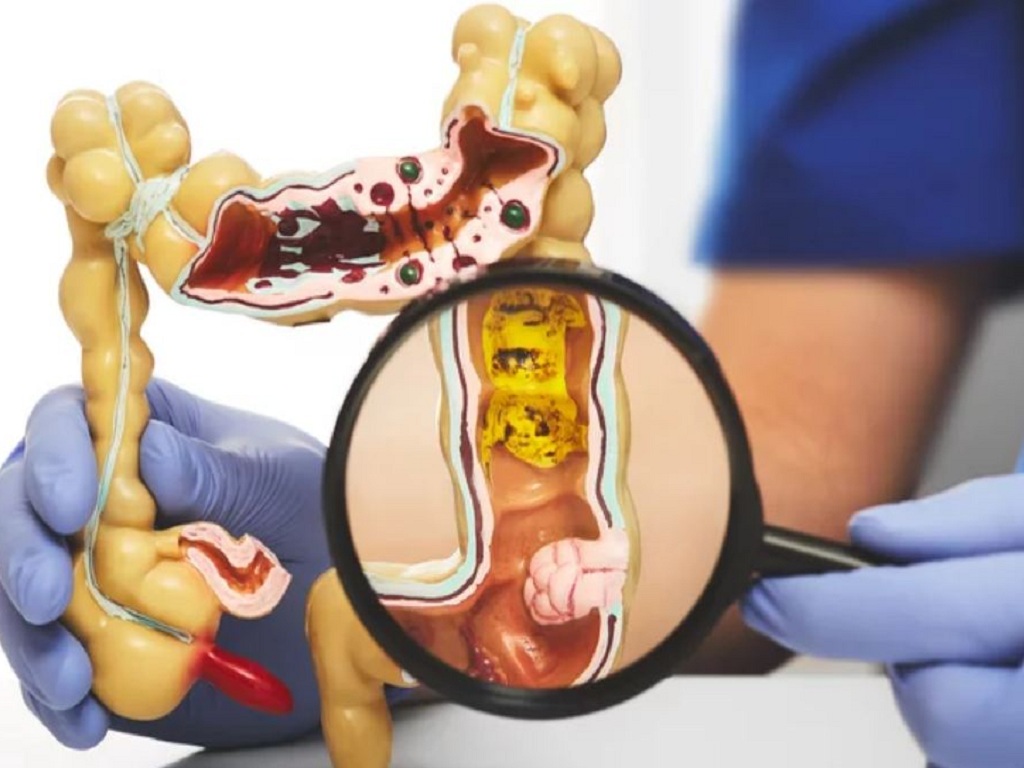
The most dangerous thing about colon cancer symptoms is that they often don’t exist — or at least not in any form the patient can feel. The majority of colon cancers are caught at Stage III or IV, when the cancer has already spread beyond the colon wall, precisely because early-stage tumors rarely announce themselves. A Stage I colon cancer — the stage where surgery alone is curative in more than 90% of patients — is, in most cases, completely silent. The patient feels nothing unusual.
This changes how the entire topic of colon cancer symptoms must be understood. Waiting for symptoms is not a cancer detection strategy. Screening — colonoscopy, FIT, or another validated test — is the only reliable way to find colon cancer at the stage where it can be cured rather than managed. Symptoms, when they do appear, most often mean the cancer has grown significantly.
Why Early Colon Cancer Is Usually Silent
A Stage I colon cancer — a tumor confined to the submucosa or muscularis propria of the colon wall — does not typically bleed visibly, does not obstruct the colon, and does not compress any nerves. Without any of those three mechanisms in play, the patient has no obvious reason to seek medical attention.
Polyps — the precursors from which the vast majority of colon cancers arise — are even more consistently asymptomatic. A 1-centimeter polyp on the colon wall causes no pain, no bleeding, no changes in bowel habits, and no signs of any kind. Neither does a 2-centimeter polyp, in most cases. The polyp-to-cancer transition that takes ten to fifteen years proceeds in silence, inside a structure with no nerve endings on its inner surface to sense a growing mass.
This is the fundamental reason colonoscopy prevents cancer rather than just detecting it. The colonoscopy finds the polyp at the stage where removing it — during the same procedure, with no additional treatment — eliminates the future cancer. Once a colon cancer does grow large enough to cause symptoms, the picture it creates depends almost entirely on where in the colon it is located.
The Iron Deficiency Anemia No One Expected
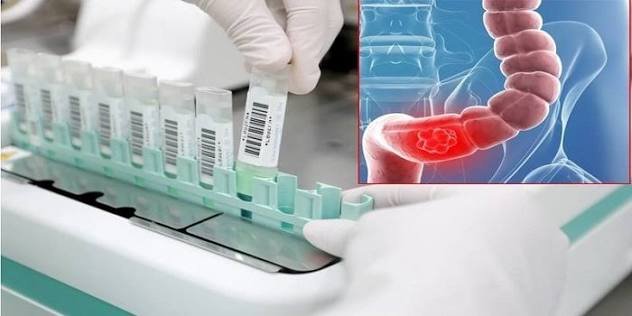
Right-sided colon cancer — tumors in the cecum and ascending colon — is perhaps the most frequently misdiagnosed cancer presentation in general medicine, not because the diagnosis is difficult once considered, but because the symptom it produces most commonly has nothing obviously to do with the colon.
The right colon is wide — roughly the diameter of a baseball — and stool within it is still liquid. A tumor growing here can become very large before it causes any obstruction. When a right-sided tumor bleeds, it bleeds chronically and slowly, rather than in dramatic episodes. The blood mixes into the liquid stool and becomes invisible. The patient never sees blood in the toilet. Everything looks normal.
What happens instead is iron deficiency anemia. The chronic, invisible blood loss steadily depletes iron stores. Over weeks and months, hemoglobin falls. The patient begins to notice fatigue — not ordinary tiredness, but a heaviness that doesn’t resolve with rest. As anemia deepens, symptoms expand: pallor, shortness of breath with mild exertion, heart palpitations after climbing stairs, difficulty concentrating. The patient may attribute all of this to stress, age, or poor sleep. By the time a blood test reveals severely low hemoglobin, the right colon tumor has often been bleeding for many months.
Iron deficiency anemia in a man, or in a post-menopausal woman without an obvious cause, must be investigated with a colonoscopy — not just treated with iron supplements. The iron deficiency has a source. Finding that source is not optional. Many right-sided colon cancers are first detected through a blood count ordered for something else entirely, and treating the anemia without identifying its cause delays a potentially curable diagnosis.
Other right-sided symptoms include vague discomfort or fullness in the right lower abdomen. In late-stage disease, a palpable mass can sometimes be felt through the abdominal wall — a finding that by definition indicates advanced cancer.
Visible Bleeding and Bowel Changes — Left Colon and Sigmoid
The left colon and sigmoid colon are narrower — roughly the diameter of a sausage — and carry formed stool rather than liquid. These differences produce a distinctly different symptom profile from right-sided tumors.
When a tumor in the left colon bleeds, the stool is solid enough that blood coats the outside or mixes visibly with the formed stool. The patient sees dark-red or bright-red blood in the toilet or on toilet paper. Unlike the right colon’s occult bleeding, this blood is visible — which means patients notice it, and are more likely to seek evaluation. Unfortunately, they are also more likely to attribute it to hemorrhoids.
Equally distinctive is the mechanical effect of a tumor in a narrow segment. As the sigmoid tumor grows, it narrows the lumen through which stool must pass. The classic presentation is pencil-thin or ribbon-like stools — the stool is literally squeezed through a constricted space. Patients also experience alternating constipation and diarrhea: normal stool can’t pass easily but liquid stool can work around the partial obstruction. Cramping, bloating, urgency, and a persistent sense of incomplete evacuation are common. These symptoms frequently lead patients and physicians to consider irritable bowel syndrome, hemorrhoids, or dietary causes before colon cancer enters the picture.
In complete bowel obstruction — a medical emergency caused by a tumor that has grown large enough to fully block the colon — there is sudden-onset abdominal distension, severe cramping, inability to pass stool or gas, and nausea and vomiting. This requires emergency surgical evaluation.
Why “It’s Just Hemorrhoids” Can Be Dangerous
Hemorrhoids are far more common than colon cancer, and they are the most common cause of rectal bleeding in adults. For most patients who see bright-red blood after a bowel movement, hemorrhoids are indeed the cause. This makes it entirely understandable that the first thought of both patients and physicians is hemorrhoids rather than cancer.
The problem is that the symptom profiles are identical. Both internal hemorrhoids and left-sided or rectal colon cancer can cause bright-red blood in the toilet or on toilet paper, blood coating the stool, a sense of incomplete evacuation, and discomfort after defecation. There is no feature of the bleeding — not the color, the amount, the timing, or the consistency — that reliably distinguishes hemorrhoidal bleeding from cancer-associated bleeding based on the symptom description alone.
Published studies have found that hemorrhoid attribution is one of the most common causes of delayed diagnosis in colorectal cancer. Across various series, 30–40% of patients eventually diagnosed with colorectal cancer had attributed their bleeding to hemorrhoids for weeks or months before seeking evaluation. Patients with both hemorrhoids and colon cancer — an entirely possible combination — are particularly at risk: the hemorrhoids provide a satisfying explanation for the bleeding while the cancer continues to grow.
The appropriate response to any rectal bleeding in an adult is a clinical evaluation. A physician can perform a digital rectal exam and recommend a sigmoidoscopy or colonoscopy to confirm the source. It is worth noting that most rectal bleeding in adults is not cancer — an evaluation is not a death sentence, it is a confirmation. For the vast majority of patients, the colonoscopy will show hemorrhoids or nothing of concern, and that knowledge is genuinely reassuring.
Other Warning Signs You Shouldn’t Ignore
Beyond the location-specific symptoms, several general signs warrant prompt attention regardless of where in the colon a cancer may be located:
- Unexplained weight loss: More than 5% of body weight over six months without an intentional dietary change is one of the classic alarm symptoms of gastrointestinal malignancy
- Persistent fatigue that is disproportionate to everyday demands, particularly when accompanied by iron deficiency anemia on blood work
- New or changing abdominal pain that is persistent, worsening, or distinctly different from any previous pain pattern — cramping that worsens over weeks rather than resolving
- Nausea or vomiting without an obvious illness may suggest partial bowel obstruction from a growing tumor
- A palpable abdominal mass — a lump felt in the abdomen that was not there before; a late finding, but one that should never be ignored
Colon Cancer Symptoms vs IBS
Irritable bowel syndrome (IBS) is one of the most common causes of alternating bowel habits, abdominal cramping, and bloating in adults — especially in younger adults. Because these symptoms overlap with some presentations of colon cancer, patients with IBS may wonder whether their symptoms warrant additional investigation.
The key distinction is what IBS does not cause. IBS does not cause rectal bleeding, does not cause iron deficiency anemia, does not cause unintentional weight loss, and does not cause nocturnal diarrhea (diarrhea that wakes the patient from sleep). IBS typically begins in young adulthood and follows a pattern of symptoms that comes and goes, often triggered by stress or dietary changes.
Red flags that should prompt investigation beyond an IBS diagnosis include:
- Any blood in the stool
- Unintentional weight loss
- Iron deficiency anemia
- Onset of new bowel symptoms after age 45
- Nocturnal diarrhea that disrupts sleep
- Family history of colorectal cancer
- Symptoms that are new, worsening, or changing in character over time
None of these features are typical of IBS. Their presence warrants a colonoscopy to rule out an organic cause. For more on what screening involves, see our colorectal cancer screening guide.
When to Seek Medical Attention
Within a few days: Any rectal bleeding — regardless of how obviously hemorrhoidal it seems; unexplained weight loss; new change in bowel habits persisting more than two to three weeks; unexplained fatigue that may suggest anemia.
As soon as possible: Persistent abdominal pain or cramping that is new or worsening; persistent change in stool consistency or caliber that cannot be explained by diet or illness.
Emergency evaluation immediately: Severe abdominal distension with inability to pass stool or gas; sudden severe abdominal pain with a rigid abdomen; large-volume rectal bleeding with dizziness or lightheadedness.
Most patients who present with these symptoms will not have colon cancer. But the ones who do will benefit enormously from early identification. For a comprehensive overview of colon cancer causes, staging, and treatment, see our colon cancer guide.
Frequently Asked Questions
What is the first sign of colon cancer?
It depends on where the tumor is located. For right-sided colon cancer, the first sign is often iron deficiency anemia — discovered on a blood test, not through any visible symptom. For left-sided and sigmoid cancer, the first noticeable sign is usually visible rectal bleeding or a change in bowel habits. In many patients, Stage I colon cancer produces no first sign at all — it is found through screening.
Can colon cancer be present with no symptoms?
Yes — and this is the norm for early-stage disease. Stage I colon cancer is almost always asymptomatic. Many Stage II tumors are also discovered through screening before producing symptoms. The fact that colon cancer can grow for years without obvious symptoms is precisely why colonoscopy screening, beginning at age 45 for average-risk adults, is essential rather than optional.
Does colon cancer always cause pain?
No. Pain is not an early symptom of colon cancer. Early-stage tumors rarely cause pain. Pain associated with colon cancer typically indicates advanced disease — either direct invasion of surrounding structures, or a partial bowel obstruction causing cramping as the colon contracts against a blocked segment. The absence of abdominal pain does not mean colon cancer is not present.
Sources
- American Cancer Society. Colorectal Cancer Signs and Symptoms. cancer.org
- Hamilton W et al. Clinical features of colorectal cancer before diagnosis. Br J Cancer. 2005.
- US Preventive Services Task Force. Colorectal Cancer Screening, 2021. uspreventiveservicestaskforce.org
Related reading: Colon cancer overview | Colorectal cancer guide | Colorectal cancer screening | Colonoscopy guide
When to Seek Emergency Care for Colon Cancer Symptoms
Most colon cancer symptoms develop gradually and allow time for evaluation through scheduled appointments. However, certain presentations require emergency care rather than routine outpatient evaluation.
Seek emergency care if you experience: heavy or continuous rectal bleeding that does not stop, severe acute abdominal pain particularly if the abdomen is rigid or board-like (suggesting perforation), complete inability to pass stool or gas (suggesting bowel obstruction), or any combination of acute abdominal pain with fever and signs of sepsis (rapid heart rate, low blood pressure, confusion). Colorectal cancer can cause two serious emergencies: bowel obstruction (tumor blocks the colonic lumen, preventing passage of stool and gas) and bowel perforation (tumor erodes through the intestinal wall, spilling intestinal contents into the peritoneal cavity). Both are surgical emergencies requiring immediate hospital evaluation. Perforation carries a high mortality rate because of peritonitis and sepsis; obstruction, if complete, requires urgent decompression or surgical intervention.
For context on the full range of colorectal cancer detection approaches — including screening that can find cancers before symptoms develop — see our comprehensive guide to colorectal cancer screening. For detailed information about the colonoscopy procedure used to evaluate symptomatic patients as well as screening populations, see our article on colonoscopy. For an overview of rectal cancer specifically and how its symptoms can differ from colon cancer, see our guide to rectal cancer.
Authoritative Resources
- American Cancer Society — Colorectal Cancer Signs and Symptoms
- National Cancer Institute — Colorectal Cancer
- American College of Gastroenterology — Colorectal Cancer
Distinguishing Colon Cancer Symptoms from Common GI Conditions
One of the most clinically important challenges in evaluating colon cancer symptoms is that nearly all of them overlap with far more common, benign gastrointestinal conditions. Rectal bleeding is more commonly caused by hemorrhoids or anal fissures than by colorectal cancer. Constipation and loose stools are more commonly caused by irritable bowel syndrome (IBS), dietary changes, or medication side effects than by a colonic tumor. Abdominal pain and bloating are more commonly caused by functional GI disorders, celiac disease, or inflammatory bowel disease than by cancer. This overlap creates a genuine dilemma: symptom-based evaluation alone cannot reliably distinguish colorectal cancer from these conditions without objective testing.
The key clinical principle is that no symptom should be attributed to a benign cause without appropriate investigation, particularly in patients who are at or above screening age or who have risk factors for colorectal cancer. A 55-year-old with new rectal bleeding should not have that bleeding attributed to hemorrhoids without a colonoscopy to evaluate the colon, even if hemorrhoids are also present — hemorrhoids are extremely common, and a tumor can coexist with hemorrhoids in the same patient. Similarly, new-onset constipation or a change in bowel habits that persists for more than four to six weeks warrants evaluation rather than reassurance, particularly in patients who have not had a recent colonoscopy.
The NICE guidelines in the United Kingdom are particularly instructive on this point: they recommend urgent (two-week) referral for colonoscopy for patients over 40 with rectal bleeding and change in bowel habit, patients over 60 with rectal bleeding alone, and patients over 60 with change in bowel habit alone — without requiring that other causes be excluded first. This reflects the principle that the cost of missing a colorectal cancer diagnosis substantially outweighs the cost of performing a colonoscopy that turns out to be normal or to find a benign cause.
The Role of Symptoms in the Diagnostic Pathway
When a patient presents with symptoms that could indicate colorectal cancer, the diagnostic pathway typically involves: a clinical history (when symptoms started, how they have evolved, associated symptoms, family history, prior colonoscopy), a physical examination including digital rectal exam (DRE), laboratory tests (complete blood count to assess for anemia, which may indicate chronic gastrointestinal blood loss), and imaging or endoscopy. For most symptomatic patients, colonoscopy is the preferred investigation because it provides direct visualization of the entire colonic mucosa, allows biopsy of any suspicious lesions, and permits removal of polyps during the same procedure. CT colonography (virtual colonoscopy) is an alternative when colonoscopy is not feasible. Flexible sigmoidoscopy evaluates only the left colon and rectum and is inappropriate when right-sided colonic pathology is being considered. CEA (carcinoembryonic antigen) is a tumor marker that is elevated in some colorectal cancers, but it is not diagnostic — it is primarily used for monitoring treatment response and recurrence after a colorectal cancer diagnosis has already been established.
Key Takeaways About Colon Cancer Symptoms
Colon cancer symptoms are varied, often non-specific, and frequently attributed to benign conditions — which is why screening before symptoms develop is the most effective strategy for reducing colorectal cancer mortality. The most important symptoms to recognize and report promptly to a healthcare provider include: blood in or on stool (regardless of presumed cause), persistent change in bowel habits lasting more than four to six weeks, unexplained iron-deficiency anemia, unintentional weight loss of five or more percent of body weight, and abdominal pain or bloating that is new and unexplained. These symptoms do not confirm colorectal cancer — they identify patients who need evaluation to determine the cause. The evaluation almost always includes colonoscopy, which can both diagnose and — in the case of polyps — simultaneously prevent progression to cancer. Early-stage colon cancer, when caught before symptoms develop through regular screening, is associated with a five-year survival rate exceeding 90%. Reporting symptoms promptly and completing recommended diagnostic evaluations gives the best chance of finding colorectal cancer at a curable stage.
Colorectal cancer remains among the most preventable of all major cancers. The adenoma-to-carcinoma progression, which typically takes ten to fifteen years, creates a long window during which colonoscopy — by finding and removing precancerous polyps — can interrupt cancer development entirely. This prevention opportunity is unique to colorectal cancer among gastrointestinal malignancies; most other GI cancers do not have an identifiable, removable precursor lesion that colonoscopy can address. Completing scheduled colonoscopies at the appropriate screening and surveillance intervals, and following through on diagnostic evaluation when symptoms arise, represent two of the most impactful individual-level actions for reducing colorectal cancer incidence and mortality. The five-year survival exceeds 90 percent when colorectal cancer is caught at Stage I — a figure that underscores the value of finding it before it produces symptoms rather than after.
I have been reading about colon cancer symptoms and when to for weeks and this is the most thorough guide I have found. The practical tips at the end made this immediately actionable, not just theoretical. This gave me real confidence going into my next specialist appointment.
My cardiologist recommended I look into colon cancer symptoms and when to and this article covered it perfectly. The specific numbers and thresholds mentioned are exactly what I needed to understand my lab results. This gave me real confidence going into my next specialist appointment.
I shared this article on colon cancer symptoms and when to with my doctor and they appreciated the level of detail. I have tried following advice from several sources but this is the most consistent with what my specialist told me. I wish I had found this article when I was first diagnosed — would have saved a lot of confusion.
This is one of the clearest explanations of colon cancer symptoms and when to I have found. I have tried following advice from several sources but this is most consistent with what my specialist told me. Thank you for making complex medical information accessible without dumbing it down.
Came across this while researching colon cancer symptoms and when to for a family member. The article answered questions I didn’t even know I had until I started reading. Keep up this kind of thorough health journalism — it genuinely helps patients like me.
I never fully understood colon cancer symptoms and when to until I read this. I appreciated how the article addressed both the clinical side and the practical adjustments. Thank you for making complex medical information accessible without dumbing it down.