
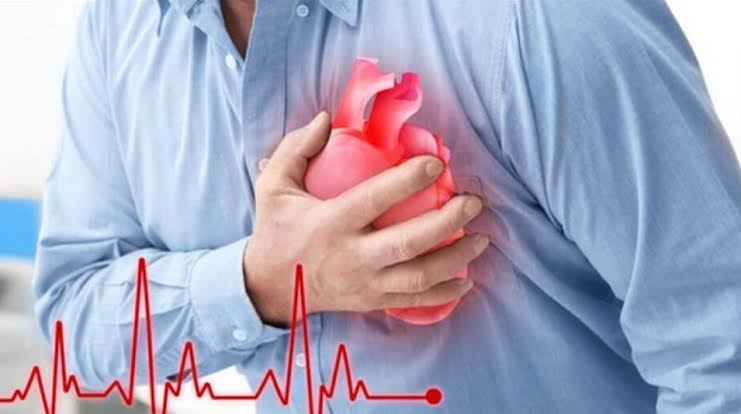
Jaw pain is so commonly attributed to dental problems, jaw joint disorders, or muscle tension that many people never consider the heart as a potential source. Yet jaw pain is one of the recognized referred pain patterns of myocardial ischemia — a symptom that can signal an impending or ongoing heart attack, particularly in women, in whom jaw pain is a significantly more common feature of acute coronary events than in men. Understanding how the heart causes jaw pain, which features raise cardiac concern, and which features point clearly to dental or other non-cardiac causes can help patients avoid the dangerous mistake of attributing a cardiac symptom to a toothache.
How Heart Attack Causes Jaw Pain
The mechanism linking heart attacks to jaw pain is the same viscerosomatic referral that produces left arm pain in cardiac events. The sensory nerve fibers from the myocardium enter the spinal cord at segments C8 through T4. In the dorsal horn, these cardiac afferent signals converge with signals from the upper cervical nerve roots and the mandibular branch (V3) of the trigeminal nerve — the sensory nerve that supplies the lower jaw and teeth. The brain, receiving pain signals from these convergent pathways, interprets the source as the jaw rather than the heart.
Cardiac jaw pain is typically bilateral — affecting both sides of the lower jaw — or diffuse, in contrast to the localized pain of a specific dental problem. Patients frequently describe it as a dull aching, pressure, or tightening that felt “like a toothache” affecting several teeth at once without being localizable to any specific one. Some patients present to a dentist before receiving a cardiac diagnosis, and dental examination reveals no localized source of pain consistent with the symptom. Jaw pain in MI may accompany chest symptoms — the familiar pressure or tightness — or may occur in isolation as the dominant or only reported symptom.
Women and Cardiac Jaw Pain
Jaw pain as a cardiac symptom deserves particular emphasis in women, because clinical evidence consistently shows that women are far more likely than men to experience MI with atypical features including jaw pain, unusual fatigue, back pain, and nausea — without the classic central chest pressure. Research from the WISE (Women’s Ischemia Syndrome Evaluation) study found that jaw pain was reported by a significant proportion of women as a prodromal symptom in the weeks preceding an acute coronary event. This disparity has been attributed to differences in pain threshold, the higher prevalence of microvascular coronary disease in women, hormonal factors affecting pain processing, and patterns of autonomic nervous system response to ischemia.
The clinical implication is significant. When a woman over 50 with cardiac risk factors presents with unexplained jaw pain — particularly jaw pain that is bilateral, aching in quality, or associated with any degree of breathlessness, fatigue, or mild chest discomfort — a cardiac cause must be included in the differential diagnosis and evaluated with an ECG and troponin, rather than being dismissed as dental or musculoskeletal without further investigation. The history of a normal dental exam with persistent jaw discomfort that cannot be attributed to a specific tooth or joint is an important clinical clue that should prompt cardiac consideration.
Common Non-Cardiac Causes of Jaw Pain
The vast majority of jaw pain in the general population is not cardiac. Dental causes — tooth decay, dental abscess, and periapical infection — are the most common cause. Dental pain is typically localizable to a specific tooth, worsened by hot or cold foods and beverages, and associated with tenderness when the affected tooth is tapped (percussion tenderness). A dental abscess may produce a more diffuse jaw ache, accompanied by swelling, warmth, fever, and a visible collection in the gum or face.
Temporomandibular joint (TMJ) disorder is the most common non-dental musculoskeletal cause of jaw pain. The TMJ — the joint connecting the lower jaw to the skull just in front of the ear — can develop osteoarthritis, disc displacement, and muscle spasm that produce jaw pain and clicking, limited mouth opening, and pain that is characteristically worsened by chewing, biting into hard foods, and prolonged jaw use. Bruxism — involuntary grinding or clenching of the teeth, often during sleep — produces bilateral jaw muscle pain and tension that is typically worst on waking in the morning, associated with flat or worn tooth surfaces. Trigeminal neuralgia produces brief, lancinating, electric shock-like pain lasting seconds, triggered by light touch, which is entirely unlike the sustained aching of cardiac jaw pain.
Temporal Arteritis: A Non-Cardiac Cause That Requires Urgent Evaluation
Temporal arteritis (giant cell arteritis) is a vasculitis that predominantly affects adults over 50 and produces a distinctive symptom called jaw claudication — pain in the jaw muscles with chewing that resolves promptly when chewing stops. This pattern — jaw pain provoked by the increased blood flow demand of chewing and relieved by rest — is analogous to claudication in PAD and is highly characteristic of giant cell arteritis. It occurs because inflammation narrows the vessels supplying the masseter and temporal muscles, reducing blood flow adequate for chewing but not for rest.
Temporal arteritis is urgent because it can cause sudden, permanent vision loss from ischemic optic neuropathy in up to 20 percent of untreated patients. The accompanying features — new temporal headache, scalp tenderness, jaw claudication, polymyalgia rheumatica, and fever — combined with elevated ESR (typically above 50 mm/hr) and CRP are the diagnostic constellation. High-dose corticosteroids (prednisone 40 to 60 mg per day) should be started immediately upon clinical suspicion, before temporal artery biopsy confirms the diagnosis, because the risk of vision loss during the diagnostic delay is too high to wait.
Features That Point to a Cardiac Cause
The key distinguishing feature of cardiac jaw pain is the relationship between jaw pain and the specific triggers and accompaniments of myocardial ischemia. Cardiac jaw pain is typically aching or pressure-like in quality rather than sharp, throbbing, or electric. It is bilateral or diffuse, affecting the lower jaw without localizing to a specific tooth or the joint in front of the ear. It is not worsened by chewing, biting, hot or cold foods, or touch. The most important positive finding is the cardiac context: jaw pain that occurs during exertion and resolves with rest (angina equivalent), or jaw pain at rest accompanied by any degree of chest discomfort, sweating, nausea, or breathlessness.
Patients with known coronary artery disease who experience new jaw pain with their customary exertional activities should recognize this as a possible anginal equivalent and discuss it with their cardiologist promptly. Any patient who develops acute jaw pain at rest alongside chest symptoms, diaphoresis, nausea, or left arm pain must call 911 immediately.
When to Call 911 and How Jaw Pain Is Evaluated
Call 911 immediately if jaw pain is accompanied by any chest pressure or tightness, diaphoresis, nausea, dyspnea, or left arm or shoulder pain. Call 911 if jaw pain is new and occurs at rest in a patient with known coronary artery disease. Call 911 if jaw pain is sudden, severe, and part of a new constellation of symptoms — even without classic chest pain — because atypical MI presentations can be dominated by jaw pain without prominent chest symptoms.
The initial evaluation in a patient with cardiac risk factors includes a 12-lead ECG and serial high-sensitivity troponin measurements. If these are normal and cardiac causes are excluded, evaluation proceeds to dental and medical causes: a dental examination with percussion and thermal testing for dental pathology; TMJ assessment for clicking, limited opening, and masseter tenderness; ESR and CRP with temporal artery assessment for giant cell arteritis in older patients with jaw claudication or temporal headache; and a head and neck examination for parotitis, otitis, and sinusitis.
Frequently Asked Questions
Can jaw pain be the only symptom of a heart attack?
Yes, particularly in women. While jaw pain more commonly accompanies chest discomfort, diaphoresis, or arm pain, it can occasionally be the only or predominant symptom, especially in women, diabetic patients, and older adults. Any new jaw pain in a person with cardiac risk factors that cannot be attributed to a clear dental or TMJ cause, particularly if it is bilateral, aching in quality, and not worsened by chewing or food temperature, warrants cardiac evaluation including an ECG and troponin.
How is jaw pain from a heart attack different from a toothache?
The key differences are location, quality, and triggers. A toothache is localizable to a specific tooth and worsened by hot, cold, or sweet foods, chewing, and percussion. Cardiac jaw pain is bilateral or diffuse — patients often say they feel it in all their lower teeth at once or throughout the jaw — and is an aching pressure not worsened by eating, food temperature, or chewing. It is triggered by exertion, emotional stress, or occurs at rest in ACS. The presence of any accompanying chest symptoms, sweating, nausea, or arm discomfort alongside jaw pain makes a cardiac cause far more likely than a dental one.
Is jaw pain during chewing always from the jaw joint?
Not always. While jaw pain during chewing most commonly reflects TMJ disorder, bruxism, or dental pain, jaw claudication during chewing that stops promptly with rest is a hallmark of giant cell arteritis — an urgent vascular condition, not a joint problem. In an older adult with this symptom pattern alongside temporal headache, scalp tenderness, or new visual symptoms, emergency evaluation for giant cell arteritis is essential given the risk of permanent vision loss.
Should I call 911 or go to the dentist for jaw pain?
Go to the dentist if your jaw pain has a clear dental pattern: you can point to a specific tooth, the pain worsens with hot or cold foods, or you have visible swelling or prior dental problems. Call 911 if your jaw pain is accompanied by chest discomfort, sweating, nausea, shortness of breath, or left arm pain — or if you have known heart disease and the jaw pain is new. If you have significant cardiac risk factors and develop bilateral jaw aching you cannot attribute to a specific tooth, see your physician for cardiac evaluation before or alongside your dental appointment.
For information on left arm pain that frequently accompanies cardiac jaw pain, see our article on pain in the left arm and when it may be heart-related. For information on chest tightness that often accompanies these symptoms, see chest tightness and its possible causes. For cardiovascular reference values relevant to cardiac risk assessment, see heart health numbers every adult should know.
The American Heart Association includes jaw pain in its list of heart attack warning signs and advises on when to seek emergency care. The National Heart, Lung, and Blood Institute explains the range of heart attack symptoms including atypical presentations. The CDC provides information on heart attack symptoms, risk factors, and the importance of timely treatment.
Jaw pain is a symptom that most people associate with the dentist’s office, and most of the time they are right. But a subset of jaw pain — bilateral, aching in quality, triggered by exertion or accompanied by systemic symptoms, and not localizable to a specific tooth or joint — is a referred pain symptom of myocardial ischemia that demands the same urgency as chest pain. Recognizing this pattern, particularly in women and in patients with known cardiac disease or risk factors, is a potentially life-saving awareness that should be part of every patient’s understanding of heart attack warning signs.
Jaw Pain as an Angina Equivalent
Beyond acute MI, jaw pain can serve as an anginal equivalent — a manifestation of stable coronary artery disease that produces ischemic symptoms other than the classic substernal chest pressure. Just as some patients with significant coronary stenosis experience exertional left arm heaviness or exertional dyspnea rather than chest pain, others experience predictable exertional jaw aching that represents the same underlying pathophysiology of increased myocardial oxygen demand during activity outstripping coronary supply.
Patients with jaw pain as their anginal equivalent often describe a reproducible pattern: the jaw ache reliably appears after climbing a certain number of stairs, walking a certain distance, or during emotionally stressful situations, and reliably resolves within two to five minutes of rest. Some patients notice that sublingual nitroglycerin, taken at the onset of the jaw aching, provides relief within minutes — the same response that nitroglycerin produces on typical anginal chest pain. This nitroglycerin-responsive, exertional jaw aching in a patient with cardiac risk factors is a strong indication for cardiac evaluation even in the complete absence of chest symptoms.
The management of jaw pain as an anginal equivalent follows the same principles as conventional stable angina. Beta-blockers, calcium channel blockers, and long-acting nitrates reduce the frequency and severity of anginal episodes including those that manifest as jaw pain. Exercise stress testing or stress imaging documents the ischemic basis of the symptom, guiding decisions about coronary angiography and possible revascularization. For patients whose jaw pain anginal equivalent is accompanied by a large territory of inducible ischemia on stress imaging or who have high-risk anatomical coronary disease, revascularization through percutaneous coronary intervention or bypass surgery provides superior symptom relief compared to medical therapy alone.
Jaw Pain After Cardiac Events and Procedures
Patients recovering from myocardial infarction or cardiac surgery may experience jaw pain in the recovery period from causes that differ from the acute ischemic source. Post-cardiac surgery patients frequently develop TMJ symptoms or masseter muscle tension from prolonged periods of dental clenching related to anesthesia, intubation, and postoperative pain and anxiety. These iatrogenic TMJ symptoms can be managed with soft diet, jaw exercises, and anti-inflammatory medications. However, any new jaw pain in the weeks following MI, coronary intervention, or cardiac surgery that has the aching, bilateral quality of cardiac referred pain — rather than the localized, movement-related quality of post-procedural TMJ strain — should be evaluated with an ECG and troponin to exclude restenosis, stent thrombosis, or new ischemia.
Patients on aspirin and dual antiplatelet therapy after coronary stenting occasionally develop dental or gum pain related to bleeding at gingival (gum) sites that are too fragile to withstand normal brushing, producing gum tenderness and jaw discomfort. This medication-related gingival sensitivity is not cardiac in origin and can be addressed with gentle oral hygiene and dental consultation. It should not prompt discontinuation of antiplatelet therapy, which carries a risk of stent thrombosis if stopped within the recommended dual antiplatelet therapy duration.
The Broader Spectrum of Atypical Heart Attack Symptoms
Jaw pain occupies one position on the broader spectrum of atypical heart attack symptoms that challenge conventional awareness and clinical teaching. The full spectrum includes jaw pain, neck pain, throat discomfort, shoulder and upper back pain (particularly between the shoulder blades), epigastric pain (upper abdominal aching that can resemble indigestion), and unusual fatigue — all of which can represent myocardial ischemia through referred pain pathways and neurohormonal responses without the classic substernal chest pressure that most people recognize as a heart attack.
The commonality among these atypical presentations is the clinical context: they occur in patients with cardiac risk factors, they may be triggered by exertion or emotional stress and relieved by rest, they are often accompanied by systemic symptoms (diaphoresis, nausea, dyspnea) that reflect the ischemic stress response, and they appear in patients whose prior cardiac evaluations have shown significant coronary disease. Recognition of the full breadth of MI symptom presentations — not just the classic central chest pressure — is essential for reducing the time from symptom onset to treatment, which remains the most powerful determinant of outcome in acute MI. Every minute of delay between symptom onset and coronary reperfusion translates to additional myocardial cell death; recognition of atypical symptoms like jaw pain as potential cardiac emergencies can substantially shorten that delay for the patients who need it most.
Dental Emergencies That Mimic Cardiac Jaw Pain
Several dental emergencies can produce jaw pain severe enough to prompt emergency room visits, raising the initial concern of a cardiac event before the dental cause is clarified. Ludwig’s angina — a rapidly spreading cellulitis of the floor of the mouth from a lower molar infection — produces severe jaw and neck pain, swelling, and systemic toxicity (fever, difficulty swallowing, drooling) that can look alarming. Despite its name containing the word “angina” (derived from the Latin for throttling, not the cardiac term), Ludwig’s angina is a dental infection emergency with no cardiac component, though it requires urgent airway management and antibiotics. The distinguishing features are floor-of-mouth swelling, trismus (inability to open the mouth), fever, and a dental source visible or identifiable on CT imaging.
An acute periapical abscess — a localized infection at the tip of a tooth root — can rupture and spread to adjacent tissues, producing a rapidly enlarging facial swelling and severe jaw pain that develops over hours. Unlike cardiac jaw pain, which is bilateral and aching, an acute dental abscess is asymmetric (one-sided), accompanied by visible swelling, warmth, redness, and sometimes a pointing abscess visible intraorally, and is associated with a history of toothache or dental pathology in the affected tooth. The absence of chest symptoms, diaphoresis, and arm pain distinguishes even severe dental jaw pain from a cardiac event in the vast majority of cases, but the combination of jaw pain with any systemic ischemic features should always prompt cardiac evaluation before attributing symptoms to a dental cause.
Jaw Pain and Cardiac Medications
Several cardiac medications can produce orofacial side effects that manifest as jaw or facial pain. Bisphosphonates, used in patients with osteoporosis who often have comorbid cardiovascular disease, are associated with osteonecrosis of the jaw (bisphosphonate-related osteonecrosis of the jaw, BRONJ) — particularly following dental extractions or implant placement. This produces jaw pain, exposed bone, and non-healing ulcers at the dental surgery site. Calcium channel blockers (particularly nifedipine), used commonly for hypertension and angina, can cause gingival hyperplasia — overgrowth of the gum tissue — which produces gum tenderness and jaw discomfort, particularly around the lower front teeth. Anticoagulants (warfarin, DOACs) do not cause jaw pain directly, but they can prolong bleeding from routine dental procedures and produce gum hematomas that are tender and alarming in appearance.
Statins, used almost universally in coronary artery disease patients, rarely produce jaw or facial muscle pain as a manifestation of statin-associated myopathy, though this is far less common than statin-associated leg muscle symptoms. Any patient on statin therapy who develops new jaw or facial muscle aching — particularly if accompanied by generalized muscle pain, weakness, or darkened urine — should have a creatine kinase (CK) level measured to evaluate for myopathy. However, because jaw pain in a cardiac patient always carries the possibility of ischemic referral, the investigation of potential statin myopathy should occur alongside, not instead of, cardiac evaluation when the clinical context raises even modest concern for ischemia.
The interplay between dental health and cardiovascular health extends beyond the symptom of jaw pain. Periodontal disease — chronic infection and inflammation of the gum and supporting bone around the teeth — is associated with increased cardiovascular risk through shared inflammatory pathways and possible systemic spread of oral bacteria. Patients with significant periodontal disease have higher rates of coronary artery disease and adverse cardiovascular events, and while the causal direction of this relationship remains debated, maintaining good dental health is a reasonable component of comprehensive cardiovascular risk reduction. Regular dental care, aggressive treatment of gum disease, and good oral hygiene practices are therefore valuable not only for jaw and tooth health but also as part of the broader lifestyle approach to cardiovascular protection.
My cardiologist recommended I look into jaw pain and heart attack: a and this article covered it perfectly. I especially valued the explanation of why these recommendations exist, not just what they are. This gave me real confidence going into my next specialist appointment.
This is one of the clearest explanations of jaw pain and heart attack: a I have found. I especially valued the explanation of why these recommendations exist, not just what they are. Forwarding this to others in my support group who are dealing with similar issues.
I shared this article on jaw pain and heart attack: a with my doctor and they appreciated the level of detail. I have tried following advice from several sources but this is the most consistent with what my specialist told me. This is going into my health binder that I bring to every doctor’s visit.
I shared this article on jaw pain and heart attack: a with my doctor and they appreciated the level of detail. It is refreshing to see an article that acknowledges individual variation rather than one-size-fits-all advice. Forwarding this to others in my support group who are dealing with similar issues.
Bookmarked this article on jaw pain and heart attack: a immediately — going to reference it regularly. I appreciate that the article is careful about distinguishing between what is known and what is still being researched. I wish I had found this article earlier — would have saved a lot of confusion.
Came across this while researching jaw pain and heart attack: a for a family member. The specific numbers and thresholds mentioned are exactly what I needed to understand my results. Keep up this kind of thorough health journalism — it genuinely helps patients like me.