

Left arm pain is perhaps the most widely recognized symptom associated with heart attack in popular awareness — and with good reason. Referred pain from cardiac ischemia to the left arm is a well-established phenomenon that reflects the neuroanatomical overlap between the heart’s pain fibers and the sensory pathways serving the left arm. But left arm pain is also one of the most common musculoskeletal, neurological, and orthopedic complaints, arising far more frequently from the shoulder, neck, elbow, or peripheral nerves than from the heart. Understanding when left arm pain may signal a cardiac problem — and when it almost certainly does not — can help patients make the critical decision of whether to call for emergency help or seek a more routine evaluation.
Why the Heart Causes Left Arm Pain
The connection between the heart and the left arm through referred pain is explained by the convergence of pain signals in the spinal cord. The heart’s afferent sensory fibers enter the spinal cord at segments C8 through T4. These same spinal cord levels also receive sensory input from the inner (medial) left arm, shoulder, and jaw. When ischemic pain signals from the myocardium arrive at the dorsal horn of the spinal cord, they converge with signals from these somatic structures. The brain, which is more experienced at interpreting pain as coming from the body surface and limbs than from the viscera, misinterprets the signal as originating in the arm or jaw rather than the heart. The result is pain felt in the arm without any pathology in the arm itself.
Cardiac arm pain is typically felt in the inner left arm (the medial aspect), shoulder, and sometimes extends to the forearm and hand. It is described as heaviness, aching, or a pressure sensation rather than sharp or stabbing. It often occurs simultaneously with or slightly after the onset of chest tightness, radiating outward from the chest. And like the chest component of angina, it is triggered by physical exertion or emotional stress, and relieved by rest and sublingual nitroglycerin. Approximately 30 to 40 percent of patients with acute myocardial infarction report left arm pain as one of their symptoms. Women, older adults, and diabetic patients are particularly likely to have MI presentations dominated by arm pain, fatigue, or jaw pain rather than classic chest pressure.
Cardiac Conditions That Cause Left Arm Pain
Acute myocardial infarction is the most urgent cardiac cause of left arm pain. When a coronary artery is acutely occluded by thrombosis, the resulting myocardial ischemia produces severe, persistent chest pressure or tightness alongside left arm heaviness or pain. The combination of arm pain with chest pressure, diaphoresis (cold sweating), nausea, and dyspnea is the classic presentation of MI and should prompt an immediate call to emergency services. Every minute of delay from symptom onset to restoration of coronary blood flow represents irreversible myocardial damage.
Stable angina produces a predictable, milder version of left arm involvement during episodes of exertional ischemia. Patients with significant coronary stenosis often experience left arm heaviness or aching when climbing stairs, walking briskly, or doing physical work, and this arm discomfort reliably resolves within two to five minutes of resting or after a sublingual nitroglycerin tablet. Aortic dissection is a particularly dangerous cause of arm pain that may be confused with MI but requires a completely different treatment approach. The distinguishing feature of aortic dissection pain is its quality — sudden, severe, tearing or ripping sensation in the chest and back at maximum intensity immediately at onset — rather than the gradual crescendo of MI pain. A blood pressure difference greater than 20 mmHg between the two arms suggests proximal dissection or subclavian disease, and thrombolysis must not be administered until aortic dissection is excluded.
Non-Cardiac Causes of Left Arm Pain
The most common causes of left arm pain in adults are orthopedic and neurological. Cervical radiculopathy — compression of a nerve root at the cervical spine — produces pain that radiates down the arm in the distribution of the affected nerve root. C8 nerve root compression produces pain and tingling along the inner arm to the ring and little fingers — a distribution that overlaps with cardiac referred pain and can cause diagnostic confusion. The key distinguishing feature is the relationship to neck position: Spurling’s maneuver (lateral neck flexion toward the affected side with downward pressure on the head) reproduces radicular arm pain, while this maneuver has no effect on cardiac pain.
Rotator cuff disease — including tendinitis, partial or complete tears, and impingement — is one of the most common causes of shoulder and arm pain in adults over 40. The pain from rotator cuff pathology is centered around the shoulder, often radiates to the outer upper arm, and is characteristically reproduced by specific shoulder movements, particularly reaching overhead or behind the back. Thoracic outlet syndrome produces arm pain and numbness through compression of the brachial plexus in the space between the first rib and clavicle; the pain is positional and worsened by overhead activities. Brachial neuritis (Parsonage-Turner syndrome) begins with intense, severe shoulder and arm pain that resolves over days to weeks but is followed by progressive weakness of the shoulder girdle and arm muscles, often after a viral infection or immunological trigger.
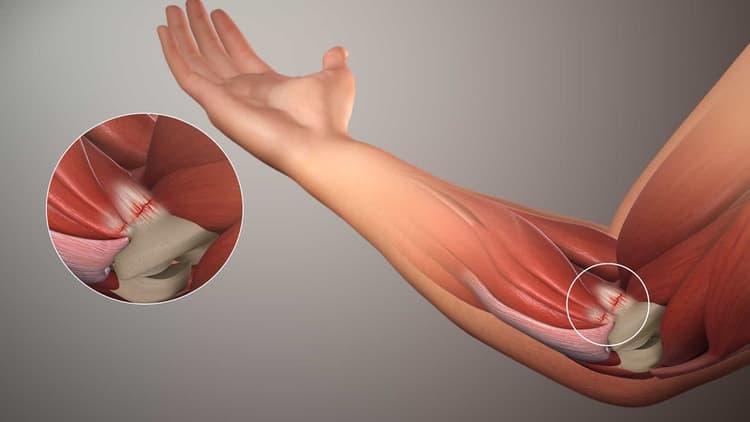
Herpes zoster (shingles) affecting the C8-T1 dermatomes produces burning, lancinating pain in the inner arm before the characteristic rash appears. The pain quality — burning, shooting, superficial — is typically unlike the deep, heavy aching of cardiac pain, and when the rash eventually appears, it confirms the diagnosis. Overuse injuries, muscle strains, lateral epicondylitis (tennis elbow), and bicipital tendinitis all produce arm pain that is anatomically localized, reproduced by palpation, and associated with a history of specific physical activities.
Key Features That Point to a Cardiac Cause
The most important clinical feature distinguishing cardiac from non-cardiac left arm pain is the presence of accompanying chest symptoms. Left arm pain that occurs simultaneously with chest pressure, tightness, or heaviness is far more likely to be cardiac referred pain than left arm pain in isolation. Diaphoresis (cold, clammy sweating), nausea, and dyspnea accompanying left arm pain are the other systemic features that most strongly suggest a cardiac cause, reflecting the neurohormonal response to severe myocardial ischemia.
Non-cardiac arm pain is typically reproduced or worsened by specific physical maneuvers: shoulder range of motion (rotator cuff, bursitis), neck movements (cervical radiculopathy), palpation of the joint or muscle (tendinitis, muscle strain), or overhead arm position (thoracic outlet). Cardiac pain is virtually never affected by these maneuvers. A sharp, electric, or shooting quality to the arm pain is also more consistent with a neurological cause than with the heavy, dull aching of cardiac referred pain.
When to Call 911
Left arm pain should prompt an immediate call to 911 in several situations. Any arm pain occurring simultaneously with chest pressure, tightness, or heaviness — even if the chest symptoms seem mild — in a person with known coronary artery disease or significant cardiac risk factors requires emergency evaluation. Left arm pain accompanied by diaphoresis, nausea, or sudden severe dyspnea at rest should be treated as possible MI. Patients with known coronary artery disease who develop new or changing left arm symptoms — including arm pain at rest where it was previously only exertional — should be evaluated the same day as potential unstable angina. Sudden severe arm pain with a tearing quality in the chest or back raises concern for aortic dissection and requires immediate emergency evaluation.
Evaluation and Treatment
The evaluation of left arm pain of uncertain cause begins with a thorough history and physical examination. For any patient with significant cardiac risk factors or arm pain features suggesting a cardiac cause, an ECG should be obtained promptly; it may reveal ST changes of ischemia or MI, allowing immediate triage. Serial troponin measurements over one to three hours rule in or out myocardial injury. Blood pressure measurements in both arms are important when aortic dissection is a concern.
For arm pain evaluated and found to be non-cardiac, physical examination guides further workup. Reproduction of symptoms with shoulder movement suggests MRI or ultrasound for rotator cuff evaluation. Reproduction with neck movement or a positive Spurling’s test suggests cervical spine MRI. Neurological findings in a dermatomal distribution suggest nerve conduction studies. Treatment follows the diagnosis: confirmed cardiac causes require cardiovascular management; musculoskeletal causes respond to rest, physical therapy, anti-inflammatory medications, and corticosteroid injections; cervical radiculopathy often resolves with conservative management and physical therapy.
Frequently Asked Questions
Can left arm pain be the only symptom of a heart attack?
Yes, though it is unusual. Most patients with MI have chest discomfort alongside other symptoms, but a minority — particularly women, older adults, and diabetic patients — can present with arm pain, fatigue, nausea, or jaw pain as the predominant or only symptom. These atypical presentations are more likely to be misattributed to non-cardiac causes, which can delay treatment. Any sudden or new left arm pain in a person with significant cardiac risk factors — particularly when accompanied by sweating, nausea, or dyspnea — should prompt emergency evaluation.
How do I know if my left arm pain is from the heart or a muscle?
Musculoskeletal arm pain is typically reproducible by pressing on the arm muscles or joints, worsened by specific arm or shoulder movements, and associated with a history of exertion, injury, or repetitive use. Cardiac arm pain is not reproduced by palpation or movement, has a heavy or dull aching quality, is associated with chest symptoms or systemic features (sweating, nausea), and may be triggered by exertion in a reproducible pattern. When in doubt — especially in someone with cardiac risk factors or a history of heart disease — an ECG and troponin evaluation is the appropriate next step before attributing arm pain to a musculoskeletal cause.
Why does the heart refer pain to the left arm specifically?
Referred pain to the left arm reflects the neuroanatomical sharing of spinal cord segments between the heart and the left arm. The heart’s pain signals travel through afferent fibers that enter the spinal cord at segments C8 through T4. These same segments receive sensory signals from the inner left arm, shoulder, and jaw. When the brain receives ischemic pain from the myocardium via these shared pathways, it interprets it as coming from the arm and jaw rather than the heart. The right arm can also be involved, but the left arm is far more commonly affected due to the predominant left-sided cardiac innervation.
Should I go to the emergency room for left arm pain?
You should go to the emergency room or call 911 if your left arm pain is accompanied by chest pressure or tightness, sweating, nausea, dyspnea, or lightheadedness; if you have known heart disease or significant cardiac risk factors; or if the arm pain is sudden, severe, and unexplained. Left arm pain that is isolated without any accompanying features, occurs only with specific shoulder or arm movements, is associated with localized tenderness, or has a clear musculoskeletal explanation in a young person without risk factors is more appropriately evaluated in an urgent care or primary care setting. When in doubt, it is always safer to be evaluated and have a cardiac cause excluded than to wait and risk delayed treatment for an acute coronary event.
For information on chest tightness that frequently accompanies cardiac left arm pain, see our article on chest tightness and its possible causes. For information on palpitations that can accompany cardiac events, see heart palpitations and their causes. For cardiovascular reference values relevant to heart health assessment, see heart health numbers every adult should know.
The American Heart Association lists arm pain among the warning signs of heart attack and describes when to seek emergency care. The National Heart, Lung, and Blood Institute explains heart attack symptoms including referred arm pain and the importance of prompt treatment. The CDC provides information on heart attack symptoms and risk factors.
Left arm pain is a symptom that spans the range from the entirely benign — a sore muscle from yesterday’s workout — to the immediately life-threatening — a heart attack or aortic dissection that demands emergency response. The features that separate these extremes are identifiable with careful attention to the quality of the pain, the circumstances that trigger or worsen it, and the accompanying symptoms that narrow the differential diagnosis. When left arm pain occurs in a context that raises cardiac concern — particularly with chest pressure, sweating, nausea, or in someone with cardiac risk factors — the appropriate response is immediate emergency evaluation, not waiting to see whether the pain resolves on its own.
Left Arm Pain in Special Contexts
The significance of left arm pain varies substantially depending on the clinical context in which it occurs. In a young person under 35 with no cardiac risk factors who develops left arm pain after a vigorous workout or a new repetitive activity, a musculoskeletal cause is overwhelmingly more likely than a cardiac one, and the appropriate first step is evaluation by a primary care physician or sports medicine specialist rather than an emergency cardiac evaluation. In contrast, the same symptom in a 65-year-old man with hypertension, diabetes, and a 30 pack-year smoking history should be treated as a possible acute coronary syndrome until proven otherwise, regardless of whether chest symptoms are prominent.
The post-operative period deserves special attention. Patients who have undergone cardiac surgery — coronary artery bypass grafting, valve replacement, or other open heart procedures — frequently experience chest and arm discomfort in the weeks after surgery from sternal healing, costochondritis at the sternotomy site, or brachial plexus stretch injury from surgical positioning. These post-surgical causes of arm discomfort are common and benign, but they occur in a population at elevated risk for perioperative MI and graft occlusion. Any new or changing arm or chest pain in the post-cardiac surgery period warrants careful evaluation, including ECG and troponin, to exclude a cardiac cause before attributing symptoms to expected post-operative discomfort.
Athletes and active individuals can develop left arm pain from causes specific to their activity. Overhead athletes — swimmers, baseball pitchers, volleyball players — develop a spectrum of shoulder pathology including rotator cuff tears, SLAP lesions (superior labrum anterior-posterior tears), and glenohumeral instability that produces arm pain and shoulder weakness. Cyclists develop ulnar neuropathy at the wrist from prolonged pressure on the handlebars (handlebar palsy), producing pain and tingling in the ring and little fingers of the hand that can superficially resemble the distribution of cardiac referred pain. Weight lifters can develop acute acromioclavicular joint injuries that produce sharp, localized shoulder and upper arm pain from a specific mechanism (the “AC separation”). In each of these cases, the history of the specific activity and the reproduction of pain by sport-specific movements helps confirm the non-cardiac diagnosis.
The Role of Referred Pain in Cardiac Diagnosis
Understanding the pattern of cardiac referred pain beyond the left arm can broaden the recognition of atypical MI presentations. The same spinal cord convergence mechanism that refers cardiac pain to the left arm also produces referred pain to the jaw (through the mandibular branch of the trigeminal nerve and upper cervical nerve convergence), the neck, the upper back between the shoulder blades, and — less commonly — the right arm and shoulder, the epigastrium (upper abdomen), and occasionally the teeth. Patients who present with isolated jaw pain, isolated upper back pain, or isolated epigastric pain in the context of diaphoresis and nausea may be experiencing MI with an atypical referral pattern, even without prominent left arm or chest symptoms.
The epigastric referral pattern of inferior MI — where ischemia of the inferior wall of the left ventricle, which is in close proximity to the diaphragm, produces pain in the upper abdomen rather than the chest — is one of the most frequently misdiagnosed MI presentations. Patients with inferior MI who present with nausea, vomiting, and epigastric pain are often initially assumed to have a gastrointestinal cause and treated for indigestion, peptic ulcer, or gastroenteritis before an ECG reveals the diagnosis. Recognition that nausea and upper abdominal pain in a middle-aged or older patient with cardiac risk factors can represent inferior MI — just as jaw or arm pain can represent anterior MI — is essential for timely diagnosis and treatment.
The referred pain pathways of the heart are not limited to the traditional left arm and chest distribution because the sensory innervation of the myocardium is complex, variable between individuals, and does not always follow textbook patterns. This is particularly true in patients with diabetes, who may have autonomic neuropathy that further distorts pain perception, producing silent MI (no pain) or unusual referral patterns. The clinical lesson from referred pain physiology is that the combination of systemic symptoms — diaphoresis, nausea, new onset dyspnea, or a sense of impending doom — with any localized pain that is new and unexplained should trigger cardiac evaluation, even when the pain location is not the textbook left chest and arm.
Upper Extremity Vascular Causes of Arm Pain
While peripheral arterial disease predominantly affects the lower extremities, upper extremity arterial disease can also cause arm pain that occasionally raises concern for a cardiac cause. Subclavian artery stenosis — from atherosclerosis or, less commonly, Takayasu’s arteritis — reduces blood flow to the arm during exercise, producing exertional arm fatigue, heaviness, and pain analogous to claudication in the legs. The arm symptoms are typically provoked by sustained arm use rather than walking, and are accompanied by a blood pressure difference between the two arms and a reduced or absent radial pulse on the affected side. Subclavian steal syndrome, where retrograde flow in the vertebral artery compensates for the subclavian stenosis, additionally produces symptoms of posterior cerebral ischemia during arm exercise.
Upper extremity deep vein thrombosis — blood clot in the axillary or subclavian vein — produces arm swelling, pain, and heaviness, and is associated with central venous catheters, pacemaker leads, malignancy, or effort-induced thrombosis in young, active individuals (Paget-Schroetter syndrome). The arm swelling and discoloration of upper extremity DVT distinguish it from cardiac referred pain, and duplex ultrasound of the upper extremity veins is the diagnostic standard. Paget-Schroetter syndrome specifically affects young athletes engaged in repetitive overhead activities (swimming, baseball pitching, wrestling) and should be considered in a young person with acute arm pain and swelling after intense upper extremity exertion.
Raynaud’s phenomenon affecting the hand produces episodic arm and hand pain accompanying the characteristic color changes, triggered by cold or emotional stress. While the digital pallor, cyanosis, and rubor of Raynaud’s are visually distinctive, the pain during episodes can occasionally be described in alarming terms by patients who are not familiar with the condition. The episodic, cold-triggered nature, the visible color changes, and the complete resolution with rewarming are the clinical features that reliably identify Raynaud’s and distinguish it from cardiac referred pain. In secondary Raynaud’s from scleroderma, more persistent arm and hand pain may occur between episodes as the underlying microvascular disease progresses, requiring rheumatological evaluation and management.
Thoracic aortic aneurysm, while rare, can produce chronic left arm or chest-arm pain through compression of adjacent structures or through the same referral mechanism as dissection when the aneurysm wall is under tension. A chest X-ray that reveals widening of the mediastinum or an abnormal aortic contour in a patient with unexplained chest and arm symptoms should prompt CT angiography of the aorta to evaluate for aneurysmal disease. The threshold for imaging should be low in patients with a history of hypertension, connective tissue disease (Marfan syndrome, Loeys-Dietz syndrome), or a bicuspid aortic valve, which are the most common risk factors for thoracic aortic aneurysm.
I shared this article on pain in the left arm: when with my doctor and they appreciated the level of detail. I have tried following advice from several sources but this is the most consistent with what my specialist told me. Will definitely be coming back to this site for more health information.
Really well-written article on pain in the left arm: when. What I liked most was that the article didn’t just say what to avoid — it also gave alternatives. I wish I had found this article when I was first diagnosed — would have saved a lot of confusion.
Finally a resource that explains pain in the left arm: when in plain language. It is refreshing to see an article that acknowledges individual variation rather than giving one-size-fits-all advice. Appreciate the effort that went into researching and writing this — it shows.
My doctor recommended I look into pain in the left arm: when and this article covered it perfectly. The specific numbers and thresholds mentioned are exactly what I needed to understand my results. This gave me real confidence going into my next specialist appointment.
Thank you for covering pain in the left arm: when so thoroughly without being overly technical. The connection between lifestyle choices and long-term outcomes is explained clearly here. Keep up this kind of thorough health journalism — it genuinely helps patients like me.
This is one of the clearest explanations of pain in the left arm: when I have found. I appreciated how the article addressed both the clinical side and the practical adjustments. This is exactly why I prefer this website over generic health platforms.