
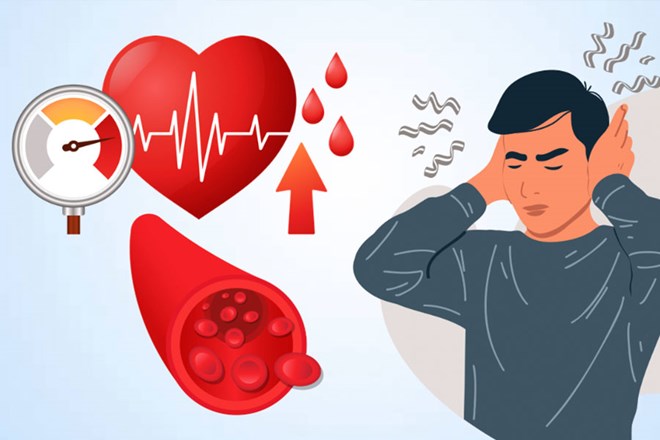
Stress and blood pressure are connected through some of the body’s most fundamental survival mechanisms — the same physiological systems that evolved to prepare the human body for immediate physical threat also produce acute, measurable increases in blood pressure that can be detected within seconds of a psychological stressor and may persist for minutes to hours. This is not a metaphor or a vague mind-body concept: stress raises blood pressure through specific, well-characterized neurochemical and hormonal pathways involving the sympathetic nervous system, the hypothalamic-pituitary-adrenal axis, and the renin-angiotensin system. The clinical question is not whether stress raises blood pressure — it clearly does — but rather what the magnitude and duration of those elevations are, how chronic stress exposure relates to sustained hypertension, and what stress-reduction strategies produce meaningful, lasting blood pressure benefits.
The Physiology of Stress and Blood Pressure
The cascade through which psychological stress activates cardiovascular responses begins in the brain. When the amygdala — the brain’s threat-detection center — perceives a stressor, it activates the hypothalamus, which simultaneously triggers two major biological response systems.
The first and faster response is the sympathetic-adrenomedullary axis. The hypothalamus activates sympathetic nerves that directly innervate the adrenal medulla, which responds within seconds by releasing epinephrine (adrenaline) and norepinephrine (noradrenaline) into the bloodstream. These catecholamines act within seconds: epinephrine increases heart rate and cardiac contractility, raising cardiac output; norepinephrine primarily causes widespread arteriolar vasoconstriction, increasing peripheral vascular resistance. The combined effect is a rapid rise in both systolic and diastolic blood pressure that can reach 30 to 40 mmHg above baseline within seconds of a sufficiently intense acute stressor.
The second response system — slower but more sustained — is the hypothalamic-pituitary-adrenal (HPA) axis. The hypothalamus releases corticotropin-releasing hormone (CRH), which stimulates the pituitary to release ACTH, which in turn stimulates the adrenal cortex to release cortisol. Cortisol sensitizes blood vessels to catecholamines (amplifying their vasoconstrictive effect), promotes sodium and water retention through weak mineralocorticoid activity, and can remain elevated for hours with repeated or sustained stress exposure.
Stress also activates the renin-angiotensin-aldosterone system indirectly through sympathetic stimulation of renin release from the kidneys, adding an angiotensin II-mediated vasoconstriction component. Beyond the acute hormonal effects, chronic stress promotes vascular dysfunction through inflammatory pathways: chronically elevated stress hormones increase production of IL-6, TNF-α, and CRP — the same mediators associated with atherosclerotic plaque vulnerability. Chronic stress also reduces the endothelium’s capacity to produce nitric oxide while increasing production of endothelin-1, shifting arterial tone toward sustained constriction and higher blood pressure.
Acute Stress: When Blood Pressure Spikes Suddenly
The acute blood pressure rise during psychological stress can be substantial — exceeding the threshold for hypertensive urgency in some individuals — and may occur in response to a wide range of everyday triggers: a heated argument, a near-miss accident, receiving shocking news, or performing under time pressure. Studies using mental arithmetic tasks and public speaking challenges in laboratory settings consistently demonstrate that healthy adults can show transient systolic blood pressure rises of 20 to 40 mmHg, while people with established hypertension typically show larger acute responses.
An extreme example of the acute cardiovascular consequences of severe psychological stress is Takotsubo cardiomyopathy, also called broken heart syndrome. A sudden, intense emotional shock — bereavement, frightening news, extreme anger, overwhelming surprise — triggers such a massive catecholamine surge that the left ventricle undergoes transient dysfunction, with the apex of the heart ballooning outward during systole while the base contracts normally. This produces a clinical presentation nearly identical to acute myocardial infarction: chest pain, electrocardiographic changes, and elevated cardiac biomarkers. Takotsubo cardiomyopathy occurs predominantly in postmenopausal women and is almost always reversible over days to weeks, but acute heart failure, arrhythmias, and death can occur in severe cases.
White coat hypertension — the pattern in which blood pressure is elevated at the doctor’s office but normal elsewhere — is another clinically important example of acute situational stress producing a measurable, reproducible blood pressure elevation. The alerting response triggered by the clinical environment raises blood pressure acutely, and in people who mount a sufficiently strong response, this artificial elevation can reach hypertensive thresholds on every clinical visit.
Chronic Stress and Sustained High Blood Pressure
The most extensively studied form of chronic stress in relation to blood pressure is occupational stress, specifically characterized by the Karasek job strain model: the combination of high psychological demands with low decision latitude (limited control over how work is performed). Multiple longitudinal cohort studies have documented that job strain is associated with elevated blood pressure — particularly elevated ambulatory blood pressure and non-dipping nocturnal patterns — and meta-analyses have found that job strain is associated with approximately 20 to 25 percent higher odds of hypertension.
The INTERHEART study, a case-control study of acute myocardial infarction across 52 countries, found that the combination of psychosocial stress factors — work stress, home stress, financial stress, major life events, and depression — was associated with a population-attributable fraction of approximately 32.5 percent for acute myocardial infarction, making it one of the largest modifiable risk factor contributions identified.
Socioeconomic stress — the chronic low-grade stress associated with financial insecurity, poverty, neighborhood disadvantage, racial discrimination, and social marginalization — is increasingly recognized as a structural contributor to hypertension disparities. Studies consistently show higher rates of hypertension and poorer blood pressure control in socioeconomically disadvantaged groups and in racial and ethnic minorities who face chronic exposure to discrimination-related stress, even after controlling for traditional cardiovascular risk factors.
The Indirect Pathways: How Stress Drives Blood Pressure Through Behavior
For many individuals, the largest contribution of chronic stress to blood pressure elevation occurs not through direct physiological pathways but through the behaviors that stress promotes and the healthy behaviors it undermines.
Stress eating — the tendency to increase consumption of energy-dense, highly palatable, high-sodium, high-calorie processed foods when under psychological stress — raises blood pressure through the multiple mechanisms associated with dietary sodium and obesity. Under stress, people tend to increase consumption of fast food, packaged snacks, and high-sodium convenience foods while reducing consumption of fruits, vegetables, and home-cooked meals — simultaneously moving in the wrong direction on both key dietary blood pressure determinants.
Sleep disruption is both a consequence of psychological stress and an independent driver of blood pressure elevation. Psychological stress is one of the most common causes of insomnia and fragmented sleep. Insufficient sleep in turn activates the sympathetic nervous system and HPA axis, increasing nighttime and morning blood pressure and disrupting the normal nocturnal dipping pattern. The stress-sleep-blood pressure relationship is therefore bidirectional and mutually reinforcing.
Stress-related increases in alcohol consumption contribute to blood pressure elevation through alcohol’s direct pressor effects — which are substantial at more than two drinks per day — and through alcohol’s disruption of sleep architecture. Reduced physical activity is another major behavioral pathway: stress is one of the most frequently cited barriers to exercise, and the consequent reduction in regular aerobic activity removes one of the most effective non-pharmacological blood pressure treatments available.
Who Is Most Vulnerable to Stress-Related Blood Pressure Rises?
Older adults have reduced vascular compliance — stiffer arteries that generate larger blood pressure swings for the same magnitude of autonomic activation — and more impaired recovery of blood pressure to baseline after an acute stressor. People with existing hypertension show exaggerated blood pressure reactivity to acute stress compared to normotensive individuals. People with established anxiety disorders — generalized anxiety disorder, panic disorder, post-traumatic stress disorder — show chronically elevated sympathetic nervous system activation that creates a sustained higher blood pressure set point.
Trait hostility and anger suppression — the tendency to experience and suppress intense anger rather than expressing it constructively — has been linked in multiple longitudinal studies to higher blood pressure and accelerated hypertension development. The CARDIA study found that anger expression style in young adults predicted blood pressure trajectories over 15 years of follow-up. Social isolation and loneliness, which function as chronic stressors through the sustained absence of social buffering, are associated with significantly higher blood pressure in large prospective studies.
Stress-Reduction Techniques That Lower Blood Pressure
Multiple stress-reduction interventions have been evaluated in randomized controlled trials for their effects on blood pressure, and several show clinically meaningful reductions.
Mindfulness-Based Stress Reduction (MBSR) — the structured 8-week program of mindfulness meditation, body scan, and mindful movement — has been tested in multiple RCTs in hypertensive populations. A rigorous trial by Hughes and colleagues published in Psychosomatic Medicine found that MBSR reduced 24-hour ambulatory systolic blood pressure by 6.4 mmHg compared to a health education control — a magnitude comparable to a low-dose antihypertensive medication. Yoga, particularly forms that incorporate pranayama breathing exercises, shows consistent blood pressure-lowering effects in meta-analyses, with mean systolic reductions of 4 to 6 mmHg. Device-guided slow paced breathing — available through devices such as RESPeRATE — activates the baroreflex and reduces sympathetic nervous system tone, and has been cleared by the FDA for adjunctive blood pressure management.
Aerobic exercise is perhaps the most powerful dual-action intervention: it reduces both psychological stress (through endorphin release, mood improvement, and improved sleep) and blood pressure (through direct vascular adaptations and reduced resting sympathetic tone). Strong social connections act as a buffer against the cardiovascular effects of stress: social support is associated with lower resting blood pressure in population studies and attenuates the blood pressure response to acute stressors in laboratory paradigms.
Building a Stress-Resilient Daily Routine for Better Blood Pressure
Sustainable stress management for blood pressure benefit requires building daily habits that reduce the physiological impact of unavoidable stressors and create regular recovery periods for the sympathetic nervous system.
Sleep is foundational: the relationship between stress and blood pressure is mediated in large part through sleep disruption, and prioritizing seven to nine hours of good-quality sleep per night breaks the most important feedback loop in the stress-blood pressure cycle. Sleep hygiene practices — maintaining a consistent sleep and wake schedule, reducing evening screen exposure, keeping the bedroom cool and quiet, and limiting caffeine after noon — address the most common behavioral causes of stress-related sleep disruption.
Regular aerobic exercise provides both a biological stress buffer — reducing resting sympathetic tone and improving HPA axis regulation — and an emotional buffer through mood improvement and enhanced resilience to everyday stressors. The blood pressure benefit of 150 minutes of moderate-intensity aerobic exercise per week is well-established and complementary to dietary and pharmacological interventions. Even brief bouts of exercise — a 10-minute walk during the workday — show acute reductions in blood pressure and anxiety that persist for one to three hours.
Mindfulness practice, even at relatively modest doses of 10 to 20 minutes per day of focused attention meditation, progressively reduces the reactivity of the stress response system: trained meditators show smaller blood pressure and cortisol responses to standardized laboratory stressors than untrained controls. For individuals whose stress-related blood pressure problems are substantially driven by anxiety disorders, depression, or trauma, professional psychological support through cognitive behavioral therapy or psychiatry may be the most effective intervention — addressing the root cause of the chronically activated stress response rather than just its cardiovascular manifestations.
For anyone working to understand the broader picture of blood pressure management, understanding what high blood pressure is and how it develops provides essential context. Learning about morning high blood pressure and the morning surge is relevant given stress’s role in amplifying the morning sympathetic activation. Understanding nighttime blood pressure and non-dipping patterns shows how chronic stress disrupts the normal overnight blood pressure recovery. White coat hypertension illustrates in concrete clinical terms how situational stress produces measurable blood pressure elevation. Guidance on stress management and cardiovascular health is available from the American Heart Association, the CDC, and the National Heart, Lung, and Blood Institute.
Stress and blood pressure are connected not by vague psychosomatic mechanisms but by specific, measurable biological pathways involving the sympathetic nervous system, the HPA axis, the renin-angiotensin system, and vascular inflammation. Managing stress is not a soft lifestyle suggestion adjunct to “real” hypertension treatment — it is one of the most evidence-backed, biologically grounded approaches to blood pressure reduction available.
The Morning Stress Surge and Blood Pressure Compounding
One underappreciated interaction occurs in the early morning hours. Blood pressure already rises sharply during the transition from sleep to waking — the morning surge — driven by the natural circadian activation of the sympathetic nervous system. The alarm going off, immediately checking a phone for messages, rushing to get children ready for school, or confronting a demanding schedule before even leaving the house each layer additional acute stress-driven sympathetic activation on top of this baseline surge. The compound effect on morning blood pressure can be substantial. For individuals with hypertension, the morning period represents the highest cardiovascular risk window of the day, and behavioral patterns that amplify the morning stress response — abrupt wake-ups, skipping breakfast, time pressure — compound an already-elevated baseline. Designing a less-acute morning routine, including giving oneself 10 to 15 minutes of buffer before the day’s demands begin, is a practical intervention for this compound risk period.
How Slow Breathing Lowers Blood Pressure: The Baroreflex Mechanism
Among the simplest and most immediately accessible stress-reduction techniques for blood pressure is slow, diaphragmatic breathing — and the mechanism through which it works is specific and well-characterized. When breathing slows to 6 to 10 breaths per minute (from the typical resting rate of 14 to 16), respiratory sinus arrhythmia — the normal variation in heart rate with breathing — becomes larger in amplitude. This amplification synchronizes with the oscillation of blood pressure in the baroreflex cycle, resonantly stimulating the carotid baroreceptors. The baroreceptors signal the brain that blood pressure is adequate, reducing sympathetic outflow and increasing vagal (parasympathetic) tone. The result is a reduction in heart rate and peripheral vascular resistance that can lower systolic blood pressure by 5 to 10 mmHg within minutes. This technique requires no equipment and can be applied acutely during a stressful moment — a meeting, a difficult conversation, a waiting room visit — making it uniquely practical as both an acute intervention and a regular practice.
Depression, Anger Rumination, and Blood Pressure
Two psychological states deserve special mention for their relationship to blood pressure beyond simple stress.
Depression is associated with HPA axis hyperactivation — chronically elevated cortisol and blunted cortisol feedback suppression — as well as chronically elevated CRP and IL-6. The biological overlap between depression and hypertension mechanisms is substantial, and multiple studies have documented higher rates of hypertension in people with untreated depression. The behavioral consequences of depression — reduced physical activity, disrupted sleep, poor dietary choices, social withdrawal — compound the direct physiological effects. From a practical standpoint, treating depression — with cognitive behavioral therapy, psychotherapy, or medication — may have meaningful indirect benefits for blood pressure. Among antidepressants, SSRIs are generally considered blood pressure-neutral; SNRIs (serotonin-norepinephrine reuptake inhibitors such as venlafaxine and duloxetine) can raise blood pressure, particularly at higher doses, and blood pressure should be monitored when starting these agents.
Anger rumination — the cognitive process of mentally replaying and re-experiencing an anger-inducing event rather than resolving and moving past it — is particularly damaging to blood pressure because it extends the physiological blood pressure spike beyond the actual triggering event. A five-minute argument that resolves produces a blood pressure elevation that returns to baseline within 30 minutes. The same argument, repeatedly replayed in memory for hours, maintains elevated sympathetic activation and cortisol for the entire duration of the rumination. Cognitive defusion techniques from acceptance and commitment therapy — learning to observe and label angry thoughts as thoughts rather than truths, and to allow them to pass without amplification — reduce the duration of this rumination-driven blood pressure elevation.
Measuring Stress-Related Blood Pressure: Why Office Readings Miss the Picture
Standard clinic blood pressure readings capture a single, brief moment under conditions that are themselves mildly stressful for many people. For individuals whose blood pressure is significantly influenced by psychological stress, clinic readings may systematically overestimate resting blood pressure (white coat effect) or miss the elevated blood pressure that occurs in real-world stressful environments. Home blood pressure monitoring — taking readings in a relaxed, familiar setting at multiple times throughout the day — provides a far more representative picture of stress-related blood pressure patterns. Ambulatory blood pressure monitoring (ABPM), which records blood pressure automatically every 15 to 30 minutes over 24 hours including during sleep and during actual stressful activities, is the gold standard for detecting stress-related blood pressure elevations and non-dipping nocturnal patterns. If someone suspects that stress is a significant driver of their blood pressure and clinic readings seem inconsistently elevated or highly variable, ABPM is worth requesting from a physician.
Structural and Socioeconomic Stress: Beyond Individual Management
It is worth being direct about a limitation of individual stress management advice: not all stress is reducible through personal practice. Financial insecurity — the chronic stress of not knowing whether rent will be paid, whether a medical bill can be covered, or whether a job is secure — produces persistent physiological stress activation that mindfulness sessions cannot simply counterbalance. Research on the blood pressure effects of poverty, neighborhood disadvantage, food insecurity, and chronic exposure to racial discrimination consistently finds that these structural stressors produce real, measurable blood pressure elevations that persist even among individuals who report feeling subjectively stressed. Community-level interventions — economic stability programs, access to green space and exercise facilities, healthcare access — address the blood pressure consequences of structural stress in ways that individual-level interventions cannot. Recognizing that structural stress is a genuine cardiovascular health issue, not merely a personal challenge to be managed away, is important both for individuals assessing their own risk and for clinicians advising patients whose blood pressure remains elevated despite apparent compliance with individual interventions.
When to Discuss Stress with Your Doctor
There is persistent reluctance — among both patients and clinicians — to formally address stress as part of hypertension management. Patients may feel that mentioning stress will be dismissed as less serious than reporting a poor diet or medication side effect. Clinicians may feel that stress-related blood pressure elevation is less actionable than a prescribable drug target. Neither position reflects the evidence. A blood pressure that is consistently elevated in clinic but normal at home, a pattern of nocturnal non-dipping, blood pressure spikes correlated with specific identifiable stressors, or a history of anxiety disorder, PTSD, or depression in someone with poorly controlled hypertension — each of these is a signal worth raising explicitly in a medical appointment. Several referral options are available: behavioral health referral for CBT or mindfulness-based programs, referral to a cardiac rehabilitation program that includes stress management components, prescription of ambulatory monitoring to objectively characterize the pattern, and for some patients, pharmacological treatment of an underlying anxiety disorder or depression.
Stress and blood pressure interact across every time scale from seconds (the acute catecholamine surge) to decades (the cumulative cardiovascular burden of a chronically activated stress response), and across every level of causation from molecular (cortisol sensitizing vascular smooth muscle) to societal (the blood pressure consequences of structural inequality). Managing this interaction effectively requires understanding the pathways involved, recognizing which ones apply to a specific situation, and matching interventions — behavioral, pharmacological, and structural — to the actual mechanisms at work.
I shared this article on stress and blood pressure: how stress with my doctor and they appreciated the level of detail. What I liked most was that the article didn’t just say what to avoid — it also gave alternatives. Exactly the kind of evidence-based information that is hard to find in one place.
Really well-written article on stress and blood pressure: how stress. I especially valued the explanation of why these recommendations exist, not just what they are. Thank you for making complex medical information accessible without dumbing it down.
This is one of the clearest explanations of stress and blood pressure: how stress I have found. The section on managing this condition day-to-day was especially useful for meal planning. Exactly the kind of evidence-based information that is hard to find in one place.
My doctor recommended I look into stress and blood pressure: how stress and this article covered it perfectly. I have tried following advice from several sources but this is most consistent with what my specialist told me. This is exactly why I prefer this website over generic health platforms.
This breakdown of stress and blood pressure: how stress is exactly what patients need before a specialist appointment. The practical tips made this immediately actionable, not just theoretical. Thank you for making complex medical information accessible without dumbing it down.
This is one of the clearest explanations of stress and blood pressure: how stress I have found. I appreciate that the article is careful about distinguishing between what is known and what is still being researched. This is going into my health folder that I bring to every doctor’s visit.