
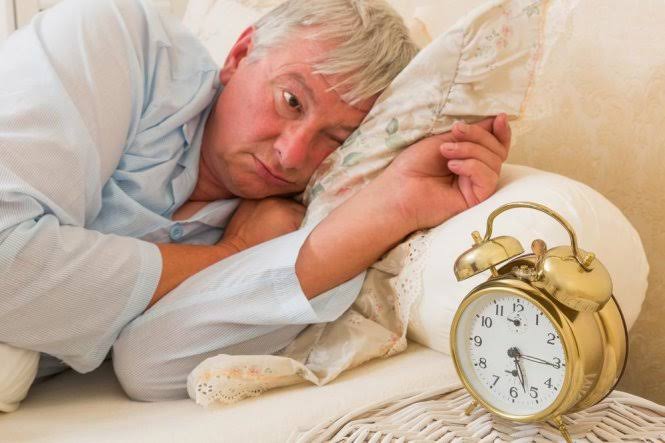
Sleep and high blood pressure are connected through mechanisms that are measurable, specific, and clinically consequential. Sleep is not a passive state for the cardiovascular system — it is the period during which blood pressure normally undergoes its deepest recovery, dropping 10 to 20 percent below daytime levels in healthy individuals. When that recovery is disrupted — whether by insufficient sleep duration, poor sleep quality, or sleep disorders such as obstructive sleep apnea — blood pressure rises in response to specific physiological changes in the sympathetic nervous system, cortisol regulation, and vascular function. The relationship is bidirectional: poor sleep raises blood pressure, and high blood pressure can disrupt sleep. Understanding this connection is important because sleep-related hypertension is both common and, in many cases, highly treatable.
How Sleep Normally Protects Blood Pressure
During healthy sleep, the cardiovascular system shifts from the sympathetic dominance of waking hours toward parasympathetic dominance. Heart rate slows, cardiac output falls, and peripheral blood vessels relax. The result is a measurable and substantial drop in blood pressure that typically begins at sleep onset and reaches its lowest point during the deepest stages of non-rapid eye movement sleep — stages N2 and N3, commonly called slow-wave or deep sleep.
In healthy adults without hypertension, nighttime blood pressure is typically 10 to 20 percent lower than daytime readings. This pattern is called nocturnal dipping, and people who show it are called normal dippers. The magnitude of this nightly blood pressure reduction matters for long-term cardiovascular health: the heart and arteries experience lower pressure for roughly eight hours of every twenty-four, allowing for vascular recovery, reduced cardiac workload, and maintained endothelial function. Ambulatory blood pressure monitoring studies consistently show that this nocturnal blood pressure profile — particularly the dipping pattern — is one of the strongest independent predictors of long-term cardiovascular risk, often more predictive than daytime clinic readings.
The morning blood pressure surge — the sharp rise in blood pressure that occurs in the 1 to 2 hours after waking — is driven by the reactivation of the sympathetic nervous system and the cortisol awakening response. The magnitude of the morning surge is partly determined by the quality of the preceding night’s sleep: disrupted or insufficient sleep amplifies the morning sympathetic activation and produces a higher, more abrupt morning blood pressure rise.
Sleep Deprivation and Blood Pressure: What the Research Shows
Large epidemiological studies consistently document an association between short sleep duration and higher blood pressure and higher hypertension risk. The pattern is dose-responsive: the shorter the sleep duration, the higher the risk.
Analysis of the National Health and Nutrition Examination Survey (NHANES) found that adults sleeping fewer than five hours per night had approximately 60 percent higher odds of hypertension compared to those sleeping the recommended seven to eight hours, while those sleeping five to six hours showed approximately 30 percent higher odds. A 10-year follow-up study of the Nurses’ Health Study cohort by Gangwisch and colleagues, published in Hypertension in 2006, found that women sleeping five or fewer hours per night had a significantly higher incidence of hypertension development compared to those sleeping seven to eight hours. The Multi-Ethnic Study of Atherosclerosis (MESA) found similar associations between short sleep duration and incident hypertension, with stronger associations in younger adults.
Meta-analyses pooling results across multiple cohort studies have consistently reported odds ratios of approximately 1.2 to 1.7 for hypertension among short sleepers — meaning 20 to 70 percent higher odds — compared to those sleeping seven or more hours per night. These associations remain statistically significant after controlling for traditional hypertension risk factors including obesity, diabetes, physical inactivity, and smoking. The optimal range for blood pressure health appears to be seven to nine hours per night, consistent with the National Sleep Foundation recommendations for adults.
The Biology of Sleep-Related Blood Pressure Elevation
Several overlapping physiological pathways explain why insufficient sleep raises blood pressure.
The most consistently documented mechanism is activation of the sympathetic nervous system. Studies measuring urinary catecholamine excretion overnight and direct microneurographic recordings of sympathetic nerve activity show that sleep deprivation increases sympathetic outflow and reduces parasympathetic tone — the opposite of normal sleep physiology. This persistent sympathetic activation raises cardiac output and peripheral vascular resistance, raising blood pressure. Even a single night of partial sleep restriction — reducing sleep to four hours — produces measurable increases in blood pressure and sympathetic activity the following day in healthy young adults.
HPA axis dysregulation accompanies chronic sleep deprivation. Sleep deprivation blunts the normal morning cortisol peak while elevating afternoon and evening cortisol — extending the period of cortisol exposure beyond its normal morning window. Cortisol sensitizes blood vessels to catecholamines and promotes sodium and water retention, amplifying the blood pressure-raising effects of sleep deprivation through the same pathways activated by chronic psychological stress.
Endothelial function declines with sleep restriction. Flow-mediated dilation of the brachial artery — a widely used measure of endothelial nitric oxide production and vascular health — decreases measurably after even brief periods of insufficient sleep. Sleep deprivation also increases markers of systemic inflammation (CRP, IL-6) and oxidative stress, compounding endothelial dysfunction through mechanisms similar to those seen in chronic stress and atherosclerosis. Finally, sleep deprivation drives weight gain through hormonal disruption — increasing ghrelin and reducing leptin — promoting caloric overconsumption and abdominal adiposity, which independently elevates blood pressure through insulin resistance, inflammation, and aldosterone activation.

Obstructive Sleep Apnea: The Most Important Sleep-Blood Pressure Connection
Obstructive sleep apnea — in which the upper airway repeatedly collapses during sleep, producing apneas (complete cessation of airflow) or hypopneas (partial airflow reduction) lasting ten seconds or more — is the most clinically important sleep-related driver of hypertension, and one of the most prevalent and undertreated causes of resistant hypertension.
During each apneic episode, blood oxygen levels drop while carbon dioxide rises. The brain’s chemoreceptors detect this change and trigger a powerful sympathetic surge that terminates the apnea — the person arouses briefly, breathes, and returns to sleep, often with no memory of the event. During this arousal, blood pressure spikes dramatically, sometimes exceeding 200 mmHg systolic. These spikes can occur dozens to hundreds of times per night in severe OSA. The cumulative cardiovascular stress of hundreds of nightly blood pressure spikes accelerates vascular damage, promotes left ventricular hypertrophy, and disrupts the normal nocturnal dipping pattern — OSA characteristically produces non-dipping and even reverse-dipping blood pressure profiles.
Beyond the acute nocturnal effects, chronic intermittent hypoxia from OSA produces sustained sympathetic hyperactivation that persists during waking hours. People with untreated OSA show higher daytime sympathetic nerve activity, higher daytime blood pressure, and worse blood pressure control even when they are not actively having apneas. OSA also promotes systemic inflammation and oxidative stress through hypoxia-reperfusion injury mechanisms.
The epidemiological burden is substantial. Approximately 40 to 60 percent of people with hypertension have OSA. The Wisconsin Sleep Cohort study found that OSA severity — measured by the apnea-hypopnea index (AHI, the number of apneic events per hour) — was associated with a dose-dependent increase in hypertension odds: those with an AHI above 15 events per hour had approximately three times the odds of hypertension compared to those without OSA. OSA is one of the most common identifiable causes of treatment-resistant hypertension — hypertension that fails to achieve target control despite three or more antihypertensive medications.
Continuous positive airway pressure (CPAP) therapy, which splints the airway open during sleep by delivering pressurized air through a mask, is the primary treatment for moderate to severe OSA. Meta-analyses of CPAP treatment in patients with both OSA and hypertension show mean reductions in 24-hour ambulatory blood pressure of approximately 2 to 3 mmHg in unselected populations, with larger reductions of 6 to 10 mmHg in patients with severe OSA or resistant hypertension. CPAP adherence matters substantially: patients who use CPAP for more than four hours per night show consistently larger blood pressure reductions than those with partial adherence.
Non-Dipping and Reverse Dipping: When Blood Pressure Stays High at Night
The classification of nocturnal blood pressure patterns goes beyond the simple question of whether blood pressure is elevated — it categorizes the pattern of blood pressure behavior during sleep. Normal dippers show the expected 10 to 20 percent reduction in nighttime blood pressure. Non-dippers show less than 10 percent nocturnal reduction — their blood pressure remains relatively elevated throughout the night without the normal cardiovascular recovery. Reverse dippers show higher nocturnal blood pressure than daytime blood pressure — a pattern associated with the worst cardiovascular prognosis. Extreme dippers show more than 20 percent nocturnal reduction, which can increase the risk of nocturnal ischemic events, particularly ischemic stroke, in older adults with stiff, poorly autoregulating vasculature.
Non-dipping and reverse dipping patterns are independently associated with increased risk of cardiovascular events beyond that predicted by 24-hour average blood pressure alone. Ambulatory blood pressure monitoring studies show that non-dippers have higher rates of left ventricular hypertrophy, greater albuminuria (a marker of kidney damage), and higher incidence of stroke and myocardial infarction compared to normal dippers with similar daytime blood pressure levels. The most common causes of impaired nocturnal dipping include OSA, chronic kidney disease, diabetes with autonomic neuropathy, excessive dietary sodium intake, shift work and circadian rhythm disruption, and primary autonomic dysfunction.
Insomnia, Other Sleep Disorders, and Blood Pressure
Insomnia — persistent difficulty initiating sleep, maintaining sleep, or experiencing restorative sleep, with associated daytime impairment — is the most prevalent sleep disorder and has important blood pressure consequences. The combination of insomnia complaints with objectively short sleep duration (verified by polysomnography or actigraphy showing actual total sleep time under six hours) carries the highest hypertension risk — greater than either insomnia alone or objectively short sleep without insomnia complaints. This combination appears to represent a physiological subtype of insomnia driven by hyperarousal — persistent sympathetic activation — that directly elevates blood pressure.
Restless legs syndrome (RLS) — the urge to move the legs, particularly at rest and in the evening — is associated with chronically elevated sympathetic tone and higher blood pressure in epidemiological studies. Periodic limb movements of sleep (PLMS), which often co-occur with RLS, produce brief sympathetic surges and blood pressure spikes with each limb movement, disrupting sleep continuity and impairing nocturnal dipping. Shift work and social jetlag — the chronic misalignment between a person’s biological clock and their actual sleep-wake schedule — produce measurably impaired nocturnal dipping even in the absence of total sleep deprivation. Night-shift workers have significantly higher rates of hypertension and adverse cardiovascular outcomes compared to day-shift workers.
Improving Sleep to Lower Blood Pressure: What Works
Several interventions target sleep-related blood pressure elevation with documented efficacy.
Cognitive Behavioral Therapy for Insomnia (CBT-I) is the evidence-based first-line treatment for chronic insomnia. CBT-I combines sleep restriction therapy, stimulus control, sleep hygiene education, and cognitive restructuring of unhelpful sleep-related beliefs. Randomized controlled trials have shown that CBT-I not only improves sleep quality and duration but also reduces nocturnal blood pressure and improves the nocturnal dipping pattern in patients with insomnia and hypertension.
CPAP therapy for OSA is the single most powerful sleep intervention for blood pressure reduction in patients with combined OSA and hypertension, particularly those with resistant hypertension. Given the high prevalence of undiagnosed OSA in hypertensive populations, evaluation for OSA — particularly with overnight home sleep testing, which is now widely accessible — is warranted for any hypertensive patient with symptoms of OSA (snoring, witnessed apneas, excessive daytime sleepiness, morning headaches) or unexplained treatment resistance. For patients who cannot tolerate CPAP, alternatives include mandibular advancement devices for mild to moderate OSA, positional therapy for OSA that is predominantly positional, and weight loss, which is the most effective long-term treatment for OSA in obese patients.
Sleep hygiene practices — maintaining a consistent sleep and wake schedule, avoiding screens for 30 to 60 minutes before bed, keeping the bedroom cool, reducing caffeine intake after noon, and limiting alcohol (which fragments sleep in the second half of the night despite promoting drowsiness initially) — address the behavioral causes of sleep disruption. Sleep extension research demonstrates that voluntarily sleep-restricted individuals who increase their sleep time show meaningful reductions in blood pressure, particularly in the first two weeks of sleep extension.
For anyone working to understand blood pressure management comprehensively, understanding nighttime blood pressure and non-dipping patterns provides essential context for sleep-related findings. Stress and blood pressure covers the interconnected sympathetic pathway through which both stress and poor sleep elevate blood pressure. Morning high blood pressure connects directly to sleep’s role in determining the magnitude of the morning surge. What is high blood pressure provides foundational definitions. Guidance on sleep and cardiovascular health is available from the Sleep Foundation, the National Heart, Lung, and Blood Institute, and the CDC.
Sleep is not merely a lifestyle factor tangentially related to blood pressure — it is a direct physiological determinant of cardiovascular function, mediated through measurable changes in autonomic balance, cortisol regulation, vascular function, and weight. For a substantial fraction of people with poorly controlled hypertension, sleep-related causes — particularly undiagnosed obstructive sleep apnea — are the primary unaddressed driver. Improving sleep duration, sleep quality, and treating sleep disorders where they exist is among the highest-yield and most mechanistically justified interventions available for blood pressure management.
Alcohol, Sleep, and Blood Pressure: A Common Misunderstanding
Alcohol is widely used as a sleep aid, and it does promote sleep onset — shortening the time it takes to fall asleep by increasing adenosine and reducing REM sleep latency initially. However, as alcohol is metabolized during the second half of the night, it produces a rebound effect: fragmented sleep, increased awakenings, suppression of slow-wave sleep, and rebound REM sleep with vivid dreaming. The net effect on sleep quality is negative, and the effect on nocturnal blood pressure is worse than simply not drinking. Beyond the sleep disruption, alcohol consumed in excess of two drinks per day exerts direct pressor effects on blood pressure. For hypertensive patients who use alcohol to wind down before sleep, this pattern combines alcohol’s direct blood pressure-raising effects with sleep fragmentation-driven sympathetic activation — producing a cumulative nocturnal blood pressure burden that is the opposite of what restoring sleep is supposed to achieve.
The Bidirectional Relationship: High Blood Pressure Disrupts Sleep Too
The relationship between sleep and blood pressure is genuinely bidirectional — not just poor sleep causing elevated blood pressure, but elevated blood pressure itself contributing to sleep disruption in ways that perpetuate the cycle. Hypertension promotes nocturia through pressure natriuresis: higher renal perfusion pressure at night causes the kidneys to excrete more sodium and water during the night, increasing the frequency of nocturnal awakening to urinate. In patients with heart failure and volume overload, the redistribution of fluid from the periphery to the pulmonary vasculature when lying down causes orthopnea — breathlessness when lying flat — that disrupts sleep and can mimic or worsen OSA. Anxiety related to a hypertension diagnosis, worry about cardiovascular events, and the side effects of some antihypertensive medications (ACE inhibitors can cause a dry cough; beta-blockers can cause vivid dreams and insomnia in some patients; diuretics taken late in the day cause nocturia) can further compound sleep disruption. Recognizing this bidirectional cycle helps explain why blood pressure often improves more substantially than expected when sleep is addressed — breaking a reinforcing feedback loop in both directions simultaneously.
Daytime Napping and Blood Pressure
Short daytime naps — in the 10 to 20 minute range — have shown some evidence of reducing daytime blood pressure in small studies. A study in Greece, where midday napping is culturally normative, found that regular midday nappers showed lower average 24-hour ambulatory blood pressure than non-nappers. Some interventional studies have found that a brief (20-minute) nap reduces blood pressure for up to 2 hours afterward. The mechanism is likely through parasympathetic recovery similar to nighttime sleep. However, the evidence is not strong enough to recommend napping as a formal blood pressure intervention, and excessive daytime napping — particularly naps longer than 30 to 40 minutes that enter deep sleep — often reflects insufficient or poor-quality nocturnal sleep rather than being an independent cardiovascular benefit.
When to Screen for Sleep Apnea in Hypertensive Patients
Given the high prevalence of undiagnosed OSA in hypertensive populations, guidelines increasingly support systematic screening rather than waiting for patients to report classic symptoms. The classic OSA presentation — a middle-aged obese male with loud snoring and witnessed apneas — is real but captures only a subset of those with significant OSA. Women with OSA often present atypically (insomnia, fatigue, mood disturbance rather than snoring and sleepiness), leading to systematic underdiagnosis. Any hypertensive patient with treatment-resistant blood pressure (failing to reach target on three medications), prominent morning hypertension, non-dipping pattern on ambulatory monitoring, unexplained morning headaches, or excessive daytime sleepiness should be evaluated for OSA. Home sleep testing (HST) — a single-night test with a portable oximetry and airflow device — is widely available, well-covered by insurance, and sufficient to diagnose OSA in most patients without complicating comorbidities. Given that treating OSA can substantially reduce blood pressure and in some cases reduce or eliminate the need for antihypertensive medications, the diagnostic workup has an excellent cost-effectiveness ratio.
Measuring Sleep’s Effect on Blood Pressure: The Role of Ambulatory Monitoring
Standard clinic blood pressure readings cannot capture sleep-related blood pressure problems because they are taken when the patient is awake and in a clinical environment. For patients whose hypertension may be driven or worsened by sleep-related factors — OSA, insomnia, shift work, non-dipping patterns — 24-hour ambulatory blood pressure monitoring (ABPM) is the essential diagnostic tool. ABPM records blood pressure automatically every 15 to 30 minutes throughout an ordinary day and night, capturing the patient’s actual nocturnal blood pressure behavior in their home environment. The ABPM report provides: daytime average, nighttime average, nocturnal dipping percentage, morning surge magnitude, and overall blood pressure load. These parameters provide a far more complete picture of sleep-related blood pressure risk than any number of clinic readings. Increasingly, clinical guidelines for hypertension management — including those from the European Society of Hypertension — recommend ABPM as the diagnostic standard for hypertension, partly because of its ability to detect nocturnal hypertension and non-dipping patterns that are invisible to clinic-based assessment.
Practical Steps to Improve Sleep for Blood Pressure
A practical approach to sleep improvement for blood pressure benefit combines several strategies:
Prioritize sleep duration consistently: going to bed and waking up at the same time seven days a week maintains the circadian rhythm that governs both cortisol and blood pressure patterns. Weekend sleep schedule shifts of two or more hours — common in people who accumulate sleep debt during the week and try to recover on weekends — produce social jetlag that impairs the nocturnal dipping pattern. Reduce bedroom light and noise exposure: even low levels of light during sleep suppress melatonin and increase nocturnal cortisol and blood pressure; blackout curtains and white noise can measurably improve sleep quality in urban environments. Address insomnia before resorting to sleep medications: sedative-hypnotic medications (benzodiazepines, z-drugs such as zolpidem) improve sleep onset time but suppress deep sleep and can cause dependency; CBT-I produces durable improvements in sleep without these drawbacks and should be tried first, either with a trained therapist or through validated digital programs. Avoid eating large meals within two to three hours of bedtime: postprandial blood pressure shifts and the metabolic demand of digestion can delay sleep onset and reduce sleep quality. Review antihypertensive medication timing with a physician: diuretics taken late in the day cause nocturnal polyuria that disrupts sleep; shifting diuretic dosing to morning may improve sleep without compromising blood pressure control.
The relationship between sleep and blood pressure represents one of the most actionable and underutilized areas of hypertension management. Many patients with apparent treatment-resistant hypertension are, in fact, inadequately treated because the sleep-related driver — most commonly undiagnosed OSA — has not been identified or addressed. The tools to evaluate and treat sleep-related hypertension are available, effective, and increasingly accessible. For any hypertensive patient whose blood pressure remains inadequately controlled despite appropriate medication, or whose blood pressure is worst in the morning or fluctuates unexpectedly, sleep is a critical variable worth investigating systematically rather than assuming it is already adequate.
Really well-written article on sleep and high blood pressure: why. It is refreshing to see an article that acknowledges individual variation rather than giving one-size-fits-all advice. Will definitely be coming back to this site for more health information.
As someone dealing with this personally, the sleep and high blood pressure: why section was very helpful. I have tried following advice from several sources but this is the most consistent with what my specialist told me. Exactly the kind of evidence-based information that is hard to find in one place.
As someone dealing with this personally, the sleep and high blood pressure: why section was very helpful. I appreciated how the article addressed both the clinical side and the practical lifestyle adjustments. Forwarding this to others in my support group who are dealing with similar issues.
This is one of the clearest explanations of sleep and high blood pressure: why I have found. It is refreshing to see an article that acknowledges individual variation rather than one-size-fits-all advice. Will definitely be coming back to this site for more health information.
I have been reading about sleep and high blood pressure: why for weeks and this is the most thorough guide I found. The section on managing this condition day-to-day was especially useful for planning. Appreciate the effort that went into researching and writing this — it shows.
Finally a resource that explains sleep and high blood pressure: why in plain language. I especially valued the explanation of why these recommendations exist, not just what they are. This is exactly why I prefer this website over generic health platforms.