
High Blood Pressure and Stroke: The Primary Risk Factor
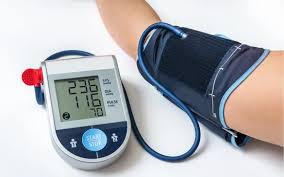
High blood pressure and stroke are linked by one of the most quantitatively powerful causal relationships in all of cardiovascular medicine. Hypertension is responsible for an estimated 50 to 60 percent of strokes globally — more than any other single risk factor, including smoking, diabetes, atrial fibrillation, or high cholesterol. The relationship is continuous, graded, and present even within the “normal” blood pressure range: for every 20 mmHg increase in systolic blood pressure above 115 mmHg, or every 10 mmHg increase in diastolic blood pressure, the risk of stroke approximately doubles. This means a patient with systolic blood pressure of 155 mmHg has roughly twice the stroke risk of a patient with 135 mmHg systolic — and the patient at 135 has roughly twice the risk of a patient at 115.
This continuous relationship has a crucial implication: there is no threshold below which blood pressure reduction stops reducing stroke risk (within the clinically achievable range). Patients who are already being treated for hypertension and have achieved “controlled” blood pressure (below 140/90 mmHg by the old definition) still benefit substantially from achieving the modern target of below 130/80 mmHg — and patients who are already below 130/80 mmHg still benefit from further optimization of lifestyle factors that affect blood pressure. Understanding how hypertension causes stroke, what blood pressure targets are evidence-based, and how to achieve them is the foundation of stroke prevention for the majority of the population.
How High Blood Pressure Damages the Brain — Three Mechanisms
Hypertension does not cause stroke through a single mechanism — it simultaneously damages multiple segments of the cerebrovascular tree through distinct pathophysiological pathways, which is why it contributes to all major stroke subtypes:
Mechanism 1 — Accelerated large artery atherosclerosis: Elevated blood pressure creates abnormal hemodynamic shear stress on the arterial endothelium, particularly at vessel bifurcations and curves — the sites where turbulent flow is already present and where atherosclerotic plaques preferentially develop. This mechanical stress impairs endothelial function (reducing nitric oxide production, increasing adhesion molecule expression, and promoting inflammatory cell infiltration of the vessel wall), accelerating the formation and progression of atherosclerotic plaques in the carotid arteries, the aortic arch, and the intracranial arteries. Hypertensive patients develop significant carotid stenosis at a younger age, with more complex (rupture-prone, lipid-rich) plaque morphology than normotensive individuals with equivalent traditional risk factors. High-grade carotid stenosis (70 to 99 percent) from hypertension-accelerated atherosclerosis carries approximately 26 percent 5-year stroke risk without intervention.
Mechanism 2 — Small vessel damage (lipohyalinosis and microaneurysms): The small perforating arteries that supply the deep brain structures (basal ganglia, internal capsule, thalamus, pons, periventricular white matter) are particularly vulnerable to the structural damage caused by chronic hypertension. These arteries — typically 50 to 400 micrometers in diameter — lack the elastic tissue of larger arteries that normally cushions pulsatile flow, and under chronic high pressure they develop lipohyalinosis (replacement of normal arterial wall components by hyaline material, thickening and weakening the vessel wall) and Charcot-Bouchard microaneurysms (small focal outpouchings where the weakened vessel wall expands under pressure). Lipohyalinosis is the underlying pathology of lacunar infarcts — small, deep infarcts that produce the classic pure motor, pure sensory, and mixed sensorimotor stroke syndromes. Charcot-Bouchard microaneurysm rupture is the primary mechanism of spontaneous hypertensive intracerebral hemorrhage, which occurs most commonly in the basal ganglia (putamen, caudate), thalamus, pons, and cerebellum — the territories of the deep perforating arteries most affected by hypertensive small vessel disease.
Mechanism 3 — Cardiac remodeling and atrial fibrillation: Chronic hypertension imposes a sustained pressure overload on the left ventricle, which responds with concentric hypertrophy (increased wall thickness without increased cavity volume). Hypertensive left ventricular hypertrophy impairs diastolic filling, increases left atrial pressure and size, and promotes atrial structural remodeling (fibrosis, electrical heterogeneity) that predisposes to atrial fibrillation. The population-attributable fraction of AF from hypertension is estimated at 20 to 30 percent — hypertension is the most common underlying condition contributing to AF development. AF, once established, carries a 5-fold increased stroke risk — so hypertension contributes to AF-related stroke both as the cause of AF and, through the thrombus-promoting effects of abnormal atrial wall motion, as a contributor to left atrial appendage thrombus formation that causes cardioembolic stroke.
Blood Pressure Targets for Stroke Prevention — The Evidence
The question of optimal blood pressure targets for stroke prevention has been addressed by multiple large randomized trials, with progressively tighter targets showing incremental benefit:
The PROGRESS trial (Perindopril Protection Against Recurrent Stroke Study) followed 6,105 patients with prior stroke or TIA and demonstrated that blood pressure lowering with perindopril plus indapamide reduced recurrent stroke by 28 percent over 4 years — including in patients whose baseline blood pressure was already within the normal range. This finding established that BP lowering reduces stroke risk independently of starting blood pressure level in patients with cerebrovascular disease.
The ACCORD trial compared intensive (target systolic below 120 mmHg) versus standard (target below 140 mmHg) blood pressure treatment in high-risk diabetic patients — the primary cardiovascular outcome was not significantly reduced by intensive treatment, but stroke specifically was significantly reduced (41 percent relative reduction in the intensive group). This was among the first large RCT evidence supporting lower-than-140 targets for stroke specifically.
The SPRINT trial (Systolic Blood Pressure Intervention Trial) compared intensive BP treatment (systolic target below 120 mmHg) versus standard treatment (target below 140 mmHg) in 9,361 non-diabetic adults with elevated cardiovascular risk. The intensive group showed a 27 percent reduction in major cardiovascular events and a statistically significant reduction in stroke (though SPRINT was not powered primarily for stroke as an endpoint). The SPRINT MIND substudy demonstrated that intensive BP control also reduced cognitive impairment and dementia — extending the brain protection benefit of low BP beyond acute stroke to long-term cognitive preservation. The 2017 ACC/AHA guidelines incorporated SPRINT findings in redefining hypertension as blood pressure of 130/80 or above (previously 140/90), with a target below 130/80 for most patients.
The SPS3 trial (Secondary Prevention of Small Subcortical Strokes) specifically evaluated intensive blood pressure targets in patients with lacunar stroke — a stroke subtype almost entirely caused by hypertensive small vessel disease. Comparing systolic targets of below 130 versus 130 to 149 mmHg, the intensive group showed a non-significant trend toward fewer recurrent strokes and a significant 63 percent reduction in intracerebral hemorrhage. This finding supports aggressive blood pressure control specifically for patients with lacunar stroke or white matter disease, where hypertensive small vessel damage is the dominant mechanism.

Hypertension Treatment — Medications and Their Evidence
Multiple classes of antihypertensive medications are available, and for stroke prevention specifically, evidence supports several first-line agents:
ACE inhibitors and ARBs: The renin-angiotensin system (RAS) blocking agents have the most robust evidence for stroke prevention among antihypertensive drug classes. The HOPE trial demonstrated that ramipril reduced stroke by 32 percent — partially through blood pressure reduction and partially through direct pleiotropic effects on the endothelium and vasculature. The ONTARGET trial showed that telmisartan was equivalent to ramipril for stroke prevention with similar or better tolerability. These agents are first-line for patients with diabetes (nephroprotective), chronic kidney disease, or prior stroke and are strongly preferred in patients whose blood pressure is driven by angiotensin-II excess (renovascular hypertension, primary aldosteronism treated with surgical correction not yet possible).
Thiazide-like diuretics (chlorthalidone, indapamide): The diuretic component was critical to the PROGRESS benefit (perindopril alone reduced stroke by only 5 percent — not significant; perindopril plus indapamide reduced stroke by 43 percent in the combined group). Chlorthalidone outperformed amlodipine and lisinopril for stroke prevention in the ALLHAT trial, the largest antihypertensive trial ever conducted. These agents are inexpensive, well-tolerated, and particularly effective in salt-sensitive hypertension (common in elderly and Black patients).
Calcium channel blockers (amlodipine, nifedipine): Long-acting dihydropyridine CCBs are particularly effective for isolated systolic hypertension (the dominant form in elderly patients and a major stroke risk driver) and reduce stroke significantly in multiple trials. The VALUE trial and ASCOT trial both demonstrated superior stroke protection for amlodipine-based regimens versus atenolol-based regimens at equivalent blood pressure levels, suggesting that amlodipine may have benefits beyond blood pressure reduction alone (or alternatively, that beta-blockers are inferior to other agents for stroke prevention at equivalent BP).
Beta-blockers: While effective for blood pressure control and appropriate for patients with other beta-blocker indications (heart failure with reduced ejection fraction, coronary artery disease, rate control in AF), beta-blockers appear to be less effective for stroke prevention than the three drug classes above at equivalent blood pressure levels — multiple meta-analyses and trial comparisons show higher stroke rates with beta-blocker-based versus non-beta-blocker regimens when blood pressure is comparable. Beta-blockers are therefore not recommended as first-line antihypertensives for stroke prevention specifically in patients without other beta-blocker indications.
Lifestyle Measures — Non-Pharmacological Blood Pressure Reduction
Lifestyle modification for hypertension is not a soft alternative to medication — it is quantitatively effective, evidence-based, and has cumulative stroke prevention benefit both as primary treatment for stage 1 hypertension and as additive benefit when used alongside medications:
Sodium restriction: The DASH-Sodium trial established a dose-response relationship between dietary sodium reduction and blood pressure: reducing sodium intake from 3,450 mg/day to 2,300 mg/day reduces systolic blood pressure by approximately 4 to 6 mmHg; reducing further to 1,500 mg/day (the AHA target for highest-risk patients) reduces systolic by 7 to 10 mmHg. This magnitude of reduction, sustained over time, is associated with significant stroke risk reduction. Most of the excess dietary sodium in Western diets comes from processed and restaurant foods (not added salt), making food choice modification more impactful than removing the table saltshaker.
DASH diet (Dietary Approaches to Stop Hypertension): The DASH dietary pattern — high in fruits, vegetables, low-fat dairy, whole grains, and lean protein; low in saturated fat, red meat, and sweets — reduces systolic blood pressure by 8 to 14 mmHg compared to the typical Western diet. Combined with sodium restriction, DASH diet effect on blood pressure is additive. The DASH diet aligns closely with the Mediterranean dietary pattern, which has independent evidence for stroke risk reduction in the PREDIMED trial (31 percent relative reduction in stroke in the Mediterranean diet plus extra-virgin olive oil arm).
Physical activity: Regular aerobic exercise (150 minutes per week of moderate-intensity or 75 minutes of vigorous-intensity activity) reduces blood pressure by 5 to 8 mmHg in hypertensive individuals — a magnitude comparable to many antihypertensive medications, and achieved through multiple mechanisms including reduced peripheral vascular resistance, enhanced vascular endothelial function, and reduced sympathetic nervous system activation. Resistance training provides additional modest blood pressure benefit beyond aerobic exercise alone. Physical activity also independently reduces stroke risk beyond its blood pressure effects, through improvements in lipid profile, insulin sensitivity, inflammation, and vascular compliance.
Weight loss: Each kilogram of weight reduction is associated with approximately 1 mmHg reduction in systolic blood pressure in overweight hypertensive patients. A weight loss of 5 to 10 kilograms — achievable with sustained dietary and activity modification — produces blood pressure reductions of 5 to 10 mmHg and simultaneously reduces stroke risk through insulin sensitivity improvement, inflammation reduction, and regression of obstructive sleep apnea (a major driver of resistant hypertension often overlooked in clinical practice).
Alcohol moderation: Heavy alcohol consumption (more than 3 drinks per day) is independently associated with hypertension and stroke, particularly hemorrhagic stroke. Reducing alcohol to moderate levels (one drink per day or less for women; two drinks per day or less for men) reduces blood pressure by 3 to 4 mmHg and reduces hemorrhagic stroke risk. Some epidemiological studies suggest low-level alcohol consumption may be associated with lower ischemic stroke risk, but this association is confounded by multiple factors and current guidelines do not recommend initiating alcohol consumption for stroke prevention in non-drinkers.
The American Stroke Association’s hypertension and stroke resource explains the relationship between blood pressure control and stroke prevention. The CDC high blood pressure and stroke page covers measurement, targets, and the population burden of hypertension-related stroke. The NHLBI blood pressure and stroke information provides guidance on treatment targets and lifestyle modification for stroke prevention.
Related reading: What Is a Stroke? | Ischemic vs Hemorrhagic Stroke | Mini-Stroke (TIA) | Atrial Fibrillation | Heart Attack vs Angina
Sources
- PROGRESS Collaborative Group. Randomised trial of a perindopril-based blood-pressure-lowering regimen among 6105 individuals with previous stroke or transient ischaemic attack. Lancet. 2001;358(9287):1033-1041.
- SPRINT Research Group. A Randomized Trial of Intensive versus Standard Blood-Pressure Control. N Engl J Med. 2015;373(22):2103-2116.
- Feigin VL, et al. Global Burden of Stroke and Risk Factors in 188 Countries. Lancet Neurol. 2016;15(9):913-924.
- Whelton PK, et al. 2017 ACC/AHA Hypertension Guideline. J Am Coll Cardiol. 2018;71(19):e127-e248.
- Appel LJ, et al. A Clinical Trial of the Effects of Dietary Patterns on Blood Pressure (DASH). N Engl J Med. 1997;336(16):1117-1124.
Special Populations — Hypertension and Stroke Risk Management
Several groups face distinct challenges in hypertension management for stroke prevention that warrant specific consideration:
Elderly patients with isolated systolic hypertension: In adults over 65, systolic blood pressure elevation with normal or low diastolic pressure (pulse pressure widening from arterial stiffness) is the dominant hypertension pattern and the strongest stroke risk driver. Multiple landmark trials specifically designed for elderly patients — SHEP (Systolic Hypertension in the Elderly Program), Syst-Eur, and HYVET — established that treating isolated systolic hypertension in elderly patients significantly reduces stroke (SHEP showed 36 percent reduction; Syst-Eur showed 42 percent reduction) without the harm once feared from excessive diastolic lowering. The HYVET trial extended this finding to the very elderly (age 80 and above), showing 30 percent stroke reduction and significant mortality reduction. Current AHA/ACC guidelines support treating isolated systolic hypertension to below 130 mmHg systolic in most older adults, with individualization based on frailty, comorbidities, and fall risk.
Patients with prior stroke or TIA: Blood pressure lowering in patients with established cerebrovascular disease is both more urgent and more complex than primary prevention. On one hand, the PROGRESS trial established the greatest absolute benefit of BP lowering in those with prior stroke — the highest-risk group has the most to gain from treatment. On the other hand, excessive blood pressure lowering in patients with hemodynamically significant carotid or intracranial stenosis can reduce cerebral perfusion below the autoregulatory threshold and worsen ischemic symptoms — the J-curve phenomenon in which very low achieved BP is associated with worse outcomes in high-grade stenosis patients. Current guidelines recommend not treating blood pressure below 220/120 mmHg during the first 24 to 48 hours of acute ischemic stroke (unless the patient is receiving tPA, where the target is below 185/110), then initiating or resuming antihypertensive therapy at 24 to 48 hours with a long-term target below 130/80 mmHg.
Patients with hypertension and diabetes: Diabetes combined with hypertension substantially amplifies stroke risk through accelerated large vessel atherosclerosis, small vessel microvascular disease, and autonomic neuropathy that blunts normal blood pressure variation. Both conditions independently activate the renin-angiotensin system and promote endothelial dysfunction. ACE inhibitors and ARBs are strongly preferred first-line agents in this population because they provide both blood pressure reduction and nephroprotective effects (slowing the progression of diabetic nephropathy) — and emerging data suggests these agents may have direct anti-atherosclerotic effects on the cerebrovascular tree. Tight glycemic control in diabetes reduces microvascular complications but has not been shown to reduce macrovascular events (stroke, MI) as reliably as blood pressure and lipid control, emphasizing that hypertension management is the highest-priority intervention for stroke risk in diabetic patients.
Patients with resistant hypertension: Resistant hypertension — defined as blood pressure above goal despite three antihypertensive medications including a diuretic, or requiring four or more medications to achieve control — affects approximately 10 to 15 percent of hypertensive patients and carries substantially higher stroke risk than controlled hypertension. The most common causes of apparent resistant hypertension are medication non-adherence (the most common cause), inadequate diuretic dose or type (thiazide-like diuretics at adequate dose are more effective than loop diuretics for blood pressure), obstructive sleep apnea (the most common secondary cause, causing nocturnal hypertension and elevated sympathetic tone), primary aldosteronism (elevated aldosterone from adrenal adenoma or bilateral adrenal hyperplasia — affects up to 20 percent of resistant hypertension patients and responds to mineralocorticoid antagonist therapy or surgical resection), and medication interference (NSAIDs, which blunt antihypertensive drug efficacy, stimulants, decongestants, and cyclosporine). Systematic evaluation for secondary causes of hypertension is indicated in all patients with resistant hypertension before adding more antihypertensive medications.
Blood Pressure Monitoring — Getting Accurate Readings
Accurate blood pressure measurement is fundamental to both diagnosis and treatment monitoring — the quality of blood pressure readings determines whether treatment decisions are based on the patient’s true ambulatory blood pressure or on artifactually elevated or low values:
Office measurement technique: Blood pressure should be measured after 5 minutes of quiet sitting, with the cuffed arm supported at heart level, in a chair with back support and feet flat on the floor (not dangling). Two readings should be taken at least 1 to 2 minutes apart, and the average recorded. The appropriate cuff size must be used — a cuff that is too small for the arm produces artificially elevated readings (a common error with larger arms). Talking, pain, discomfort, a full bladder, caffeine intake within 30 minutes, or smoking within 30 minutes all elevate readings; standardized measurement conditions are essential for reliable clinical values.
Home blood pressure monitoring (HBPM): Home monitoring is the most practical method for detecting white-coat hypertension (office elevated, home normal — affects 15 to 30 percent of patients diagnosed with clinical hypertension) and masked hypertension (office normal, home elevated — carries higher stroke risk than treated clinical hypertension and is often missed without home monitoring). The AHA recommends validated upper arm cuffs (not wrist monitors, which are sensitive to position error) with measurements taken in the morning before medication and in the evening before dinner, over at least one week, with the first morning reading discarded (first-morning readings in clinical studies are conventionally discarded to eliminate the within-person waking variability). Home readings should be reported to the treating physician at each visit and used alongside office readings to guide treatment decisions.
Ambulatory blood pressure monitoring (ABPM): 24-hour ambulatory monitoring measures blood pressure every 15 to 30 minutes throughout the day and night and is the most accurate method for determining true blood pressure burden. ABPM identifies white-coat hypertension and masked hypertension with higher accuracy than home monitoring and provides critical information about nocturnal blood pressure dipping. Non-dipping pattern (less than 10 percent reduction in blood pressure during sleep compared to waking hours) is independently associated with substantially higher target organ damage and stroke risk — non-dippers have greater left ventricular hypertrophy, higher rates of lacunar infarcts on MRI, and approximately twice the stroke risk of dippers at the same waking blood pressure. ABPM is the gold standard for evaluating resistant hypertension and for clarifying the treatment indication in patients with borderline office readings.
The Morning Blood Pressure Surge — An Overlooked Stroke Risk Window
One of the most clinically significant but underappreciated aspects of hypertension and stroke risk is the morning blood pressure surge — the rapid increase in blood pressure that occurs in the first 1 to 2 hours after awakening. During normal sleep, blood pressure falls by 10 to 20 percent from waking values (the “dipping” pattern). On awakening, the simultaneous activation of the sympathetic nervous system, the renin-angiotensin system, and the release of cortisol drives a rapid increase in blood pressure that typically peaks within 1 to 2 hours of waking. This morning surge creates a period of hemodynamically high blood pressure precisely when other prothrombotic factors also peak: platelet aggregability is highest in the morning, fibrinolytic activity is lowest, and cortisol-driven catecholamine release increases cardiac work and blood pressure volatility.
This constellation of morning prothrombotic and hemodynamic factors explains the well-documented circadian peak of stroke incidence in the early morning (6 am to noon) — a pattern observed in population studies dating from the 1980s and confirmed repeatedly. Approximately 40 percent of all ischemic strokes occur in this 6-hour window. Patients with exaggerated morning BP surge (rise of more than 35 mmHg from the nadir nocturnal value) have significantly higher stroke risk than patients with normal surge at equivalent mean 24-hour blood pressure. This finding has important implications for antihypertensive dosing: medications taken at bedtime that provide extended coverage into the morning hours — including long-acting CCBs, ARBs, and chlorthalidone — may provide superior protection during the morning stroke-risk window compared to once-daily morning dosing that achieves peak effect mid-day when the intrinsic surge has already subsided.
The Hygia Project, a large observational study in Spain, found that bedtime dosing of antihypertensive medications was associated with substantially better blood pressure control during the morning surge and significantly lower cardiovascular event rates (including stroke) compared to morning dosing. While these findings remain to be confirmed in large randomized trials specifically designed for this question, they provide a mechanistic rationale for individualizing the timing of antihypertensive medication based on the patient’s ambulatory blood pressure pattern — particularly in patients with non-dipping or morning surge on ABPM.
The practical message for patients with hypertension: take blood pressure medications consistently as prescribed (skipping doses is particularly harmful because rebound morning BP elevation can be severe), monitor blood pressure regularly at home with morning readings before medication, maintain regular sleep schedules (sleep deprivation significantly elevates BP and disrupts the normal dipping pattern), and discuss with your physician whether the timing of your antihypertensive medications is optimized to provide coverage during the highest-risk morning window. These are actionable, evidence-informed steps that go beyond simply having a prescription filled — they determine whether hypertension treatment actually protects the brain effectively.
As someone dealing with this personally, the high blood pressure and stroke: the section was very helpful. The section on managing this condition day-to-day was especially useful for meal planning. This is going into my health binder that I bring to every doctor’s visit.
Finally a resource that explains high blood pressure and stroke: the in plain language. I especially valued the explanation of why these recommendations exist, not just what they are. Keep up this kind of thorough health journalism — it genuinely helps patients like me.
Bookmarked this article on high blood pressure and stroke: the immediately — going to reference it regularly. The connection between diet, lifestyle, and long-term outcomes is explained clearly here. This is going into my health binder that I bring to every doctor’s visit.
I have been reading about high blood pressure and stroke: the for weeks and this is the most thorough guide I found. This is the kind of evidence-based writing that actually changes how people approach their health. Thank you for making complex medical information accessible without dumbing it down.
Came across this while researching high blood pressure and stroke: the for a family member. The connection between lifestyle choices and long-term outcomes is explained clearly here. Forwarding this to others in my support group who are dealing with similar issues.
Finally a resource that explains high blood pressure and stroke: the in plain language. What I liked most was that the article didn’t just say what to avoid — it also gave alternatives. Forwarding this to others in my support group who are dealing with similar issues.