
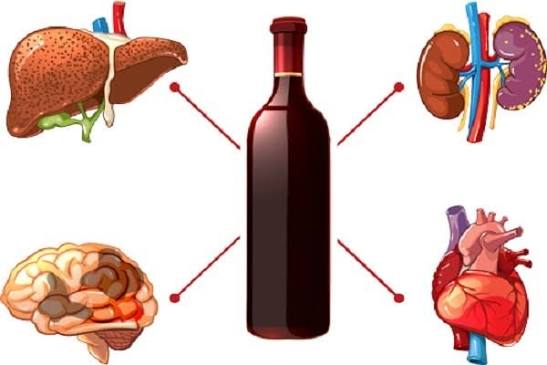
Alcohol and Heart Health: What the Evidence Actually Shows
Few topics in cardiovascular nutrition have shifted more dramatically in recent years than the relationship between alcohol and heart health. For decades, observational epidemiology appeared to show that moderate drinkers had lower cardiovascular disease risk than abstainers — the so-called J-curve. This finding influenced clinical guidance, popular media, and patient behavior in ways that are still evident today: many adults believe that a glass of wine per day is heart-healthy, and some physicians repeated this message. The science has significantly complicated that picture.
New analytical methods — particularly Mendelian randomization, which uses genetic variants to better approximate causal relationships — have largely failed to find the J-curve effect when confounding is adequately addressed. The largest and most recent alcohol and cardiovascular studies now point toward a picture where any alcohol consumption raises blood pressure, increases atrial fibrillation risk, and at heavy levels causes direct heart muscle damage. The question for patients and clinicians is not whether alcohol protects the heart — current evidence does not support that conclusion — but how to understand the dose-dependent risks and communicate them clearly.
What Alcohol Does to Blood Pressure
The most consistent and well-established cardiovascular effect of alcohol is blood pressure elevation. The relationship is approximately linear across the full range of consumption studied: each additional standard drink per day raises systolic blood pressure by approximately 1 mmHg, beginning at even low levels of regular intake. This is not a threshold effect that only appears at heavy drinking — it is a graded, continuous relationship that starts with the first regular drink.
The mechanisms through which alcohol raises blood pressure are multiple and overlapping: ethanol stimulates sympathetic nervous system activity by promoting catecholamine (adrenaline and noradrenaline) release, raising heart rate and vascular resistance. Alcohol elevates cortisol, which raises blood pressure through mineralocorticoid effects (sodium retention, potassium loss). Ethanol suppresses the baroreceptor reflex that normally buffers blood pressure fluctuations. And chronic alcohol use activates the renin-angiotensin-aldosterone system (RAAS), the same hormonal cascade that dehydration activates, driving sodium retention and vasoconstriction.
For heavy drinkers — those consuming three or more standard drinks daily — alcohol is among the most important and reversible causes of hypertension. Studies find that heavy drinkers have systolic blood pressure approximately 3 to 4 mmHg higher than non-drinkers after adjustment for other risk factors. Crucially, abstinence in heavy drinkers reduces systolic blood pressure by 3 to 4 mmHg within two to four weeks — a rapid and clinically meaningful reversal. This places alcohol alongside sodium reduction and weight loss as one of the most impactful lifestyle modifications available for blood pressure control in appropriate patients.
Alcohol and Atrial Fibrillation — Holiday Heart and Chronic Risk
Atrial fibrillation is the cardiovascular outcome most clearly and causally linked to alcohol consumption at both acute and chronic levels. The term “holiday heart syndrome” — coined by Ettinger et al. in 1978 — refers to acute episodes of atrial fibrillation, flutter, or other arrhythmias triggered by binge drinking, classically observed in emergency departments in the days following holiday celebrations when alcohol consumption spikes. Holiday heart is a real and well-documented phenomenon with clear mechanistic explanations.
Acute binge drinking triggers AF through several simultaneous pathways: heavy ethanol intake induces hypokalemia (low blood potassium) and hypomagnesemia (low blood magnesium) through renal losses — both electrolyte disturbances lower the threshold for atrial ectopy and AF initiation. Ethanol’s metabolism to acetaldehyde, which is directly cardiotoxic, causes acute atrial myocyte damage that can serve as AF substrate. Alcohol induces vagal withdrawal during metabolism (the sympathetic dominance of the hangover phase), altering atrial automaticity. And acute alcohol consumption causes inflammatory activation in cardiac tissue — another AF substrate factor.
Beyond acute binge episodes, chronic regular drinking raises AF risk in a dose-dependent manner. A meta-analysis by Larsson et al. found that each additional standard drink per day was associated with approximately 8% higher risk of developing atrial fibrillation — a linear, graded relationship with no apparent threshold below which risk is zero. The absolute risk increase is most clinically relevant in patients who already have other AF risk factors (heart failure, hypertension, obesity, sleep apnea), where alcohol acts as an additive trigger on an already susceptible atrial substrate.
The strongest clinical evidence linking alcohol to AF comes from the SAFARI randomized controlled trial (Apple et al., New England Journal of Medicine 2021). This study randomized 140 patients with paroxysmal or persistent atrial fibrillation who were habitual drinkers to either complete alcohol abstinence or continued drinking for six months. At six months, AF recurrence was documented in 37% of the abstinence group versus 53% of the drinking group — a relative reduction of approximately 37% (hazard ratio 0.55). This trial provides the closest available evidence to a causal demonstration that alcohol causes AF recurrence, and it is now incorporated into clinical AF management guidelines as a basis for recommending alcohol reduction or abstinence in AF patients.
Alcohol, Cardiomyopathy, and Heart Failure
Chronic heavy alcohol consumption causes a specific form of cardiac muscle disease: alcoholic cardiomyopathy. This condition typically develops after years of heavy drinking — generally defined as more than 80 to 100 grams of pure ethanol per day (approximately 6 to 7 standard drinks) for five or more years, though individual sensitivity varies substantially. Alcoholic cardiomyopathy presents as dilated cardiomyopathy: the left ventricle becomes enlarged and weakened, ejection fraction falls, and the clinical picture of heart failure develops — shortness of breath, fatigue, reduced exercise tolerance, and leg edema.
Alcoholic cardiomyopathy is estimated to account for 21 to 36% of dilated cardiomyopathy cases in high-alcohol-intake populations — making it one of the most common causes of non-ischemic heart failure in adults who drink heavily. The mechanisms involve multiple cardiotoxic pathways: ethanol and acetaldehyde directly damage cardiac myofilaments (the contractile proteins actin and myosin), impairing contractile function. Chronic alcohol exposure impairs cardiac protein synthesis and promotes myocyte apoptosis (programmed cell death). Mitochondrial dysfunction from alcohol disrupts ATP production in cardiac muscle. And reactive oxygen species generated during alcohol metabolism cause chronic oxidative damage to cardiomyocytes.
An important and clinically relevant feature of alcoholic cardiomyopathy is its partial reversibility with abstinence. When heavy drinkers with alcohol-related cardiomyopathy achieve sustained abstinence, left ventricular function often improves substantially over months — ejection fraction can recover by 10 to 20 percentage points in some patients. This reversibility distinguishes alcoholic cardiomyopathy from most other forms of heart failure, where the structural damage is not reversible, and makes identification and treatment of alcoholic cardiomyopathy an urgent clinical priority when heavy drinking is identified in a heart failure patient.
Triglycerides and Alcohol
Alcohol has a pronounced and well-established effect on serum triglycerides. Ethanol is metabolized primarily in the liver, where it is converted to acetate — a substrate that promotes hepatic fatty acid synthesis (the same de novo lipogenesis pathway activated by excess fructose from added sugar). Simultaneously, alcohol impairs fatty acid oxidation in the liver, creating a dual effect of increased fatty acid production and reduced fatty acid clearance. The result is elevated VLDL secretion and elevated plasma triglycerides.
This triglyceride-raising effect can be substantial: even one to two drinks per day raises triglycerides measurably in susceptible individuals (particularly those with familial hypertriglyceridemia or insulin resistance). Heavy drinking can cause dramatic triglyceride elevation — levels above 1,000 mg/dL in extreme cases — with clinically significant risk of pancreatitis in addition to cardiovascular disease risk. For patients being treated for elevated triglycerides, alcohol reduction is one of the most effective dietary interventions available, often producing larger triglyceride reductions than comparable dietary fat or carbohydrate changes.
The Red Wine and Resveratrol Story — Fact vs. Fiction
The specific claim that red wine is more cardioprotective than other alcoholic beverages has been popular since the 1990s, when the “French Paradox” was widely reported — the observation that French adults had relatively low heart disease rates despite consuming high saturated fat diets. Red wine, which is uniquely rich in polyphenols from grape skins (including resveratrol, proanthocyanidins, quercetin, and anthocyanins), was proposed as the cardiovascular-protective element that explained the paradox.
The evidence does not support the resveratrol hypothesis in humans. Resveratrol is present in red wine at concentrations of approximately 0.5 to 10 mg per glass — a dose far below the pharmacological doses studied in research (150 to 1,000 mg per day). Bioavailability of resveratrol from wine is poor: it is extensively metabolized in the gut and liver before reaching systemic circulation. Multiple clinical trials of concentrated resveratrol supplements at doses far exceeding what is achievable through wine consumption have failed to demonstrate meaningful cardiovascular benefit in human subjects. The French Paradox is now largely explained by a combination of reporting bias (French adults may underreport both food intake and cardiac events), lifestyle differences, later adoption of high-saturated-fat diets than the data suggested, and the overall Mediterranean dietary pattern context in which French wine drinking occurs.
The polyphenols in red wine — proanthocyanidins, quercetin, anthocyanins — do have genuine cardiovascular biological activity, but they are also found in comparable or higher concentrations in non-alcoholic grape juice, pomegranate juice, blueberries, and dark chocolate. The logical implication is that if the polyphenols in wine are cardiovascularly beneficial, obtaining them from non-alcoholic sources provides the benefit without the cardiovascular hazards of ethanol itself. The American Heart Association explicitly states that the apparent cardiovascular associations with red wine observed in some studies are likely attributable to confounding and do not justify recommending wine for cardiovascular purposes.
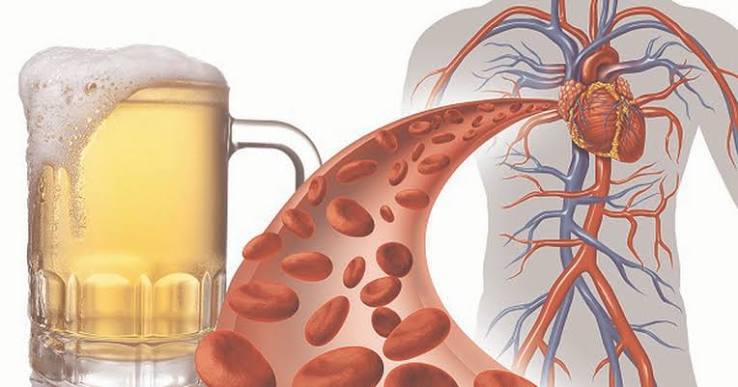
Mendelian Randomization — Why the J-Curve May Be a Statistical Artifact
Mendelian randomization (MR) is an analytical technique that uses genetic variants as instrumental variables to estimate causal effects of exposures (like alcohol intake) on outcomes (like cardiovascular disease) — approximating a randomized controlled trial in an observational setting. The logic: certain genetic variants in alcohol metabolism genes (ADH1B and ALDH2) reliably predict habitual alcohol consumption because they affect how efficiently the body metabolizes ethanol. People who inherit variants that make alcohol metabolism less efficient tend to drink less (or experience unpleasant flushing reactions). Since these genetic variants are determined at conception and randomly distributed in the population (Mendel’s second law), they are not associated with socioeconomic status, diet quality, or the other confounders that plague observational alcohol studies.
When MR is applied to the alcohol-cardiovascular disease question, the J-curve largely disappears. Millwood et al. (Lancet 2019) applied MR in 512,715 Chinese adults — the largest MR study on alcohol and cardiovascular outcomes — and found no evidence of a cardioprotective effect of moderate alcohol consumption. In their MR analysis, the genetic instrument for lower alcohol consumption was associated with lower blood pressure and lower stroke risk in a linear, dose-dependent fashion. Holmes et al. (BMJ 2014) similarly found in 261,991 participants that genetic variants associated with lower alcohol use predicted lower blood pressure and lower cardiovascular disease risk — a finding directly contrary to the J-curve hypothesis.
The explanation for why the observational J-curve does not appear in MR analyses is the two confounders described earlier: sick quitter bias (abstainers include disproportionate numbers of former heavy drinkers in poor health) and healthy user bias (moderate drinkers have systematically healthier lifestyles than average). When genetic instruments are used instead of self-reported drinking, these confounders are removed — and the apparent benefit of moderate drinking disappears. This does not mean the mechanism for alcohol’s proposed HDL-raising, antiplatelet effect is pharmacologically false; it means the net cardiovascular effect of these mechanisms is outweighed by alcohol’s harmful effects on blood pressure, cardiac rhythm, and myocardial function, such that the net causal effect of any regular alcohol consumption appears to be adverse rather than protective.
Current Guidelines on Alcohol and Heart Health
Clinical guidance on alcohol and cardiovascular health has become increasingly restrictive as the MR evidence has accumulated. Major current positions:
American Heart Association (2021): “If you don’t drink, don’t start for any health reasons.” For those who do drink, the AHA recommends no more than one standard drink per day for women and two per day for men — framed as a limit on harm rather than a health recommendation. The AHA explicitly states that the cardiovascular research does not support recommending moderate drinking as a cardiovascular protective intervention.
World Health Organization (2023): “No safe level of alcohol use when it comes to our health.” The WHO’s position extends to overall health outcomes including cancer risk, where the evidence for harm from any alcohol is stronger than for cardiovascular disease specifically. The WHO no longer acknowledges a safe or beneficial level of alcohol consumption.
Canada (2023): The Canadian Centre on Substance Use and Addiction dramatically revised its national alcohol guidance in January 2023, reducing the “low risk” threshold from 10 standard drinks per week for women (15 for men) under the old guidance to fewer than 2 standard drinks per week under the new guidance. This represented one of the most substantial revisions in national alcohol guidance in any country’s history and was driven primarily by accumulated cancer and cardiovascular evidence.
US Dietary Guidelines (2020–2025): Maintain the same limits as AHA (≤1/day women, ≤2/day men) while emphasizing that “less is better” within these limits, and that individuals who do not currently drink should not be advised to start.
Standard Drink Sizes — What You’re Actually Drinking
A significant source of confusion in discussions of alcohol and heart health is the gap between the size of a “standard drink” used in research and the size of drinks actually consumed in everyday settings. In the United States, one standard drink contains 14 grams of pure ethanol. This corresponds to:
- 12 ounces of regular beer at 5% ABV
- 5 ounces of wine at 12% ABV
- 1.5 ounces (one shot) of 80-proof spirits at 40% ABV
Common actual serving sizes frequently exceed these standard drink sizes: a typical restaurant wine glass pour is 6 to 8 ounces (1.2 to 1.6 standard drinks); a pint (16 ounces) of a craft beer at 7% ABV equals approximately 1.9 standard drinks; a cocktail made with 2 ounces of spirits equals 1.33 standard drinks. Someone who reports drinking “two glasses of wine” per evening may be consuming three to four standard drinks of ethanol.
The practical implication: patients who believe they are drinking at or below the AHA-recommended limits (one per day for women, two per day for men) may actually be consuming significantly more if they are using restaurant pour sizes or higher-ABV craft beverages as their reference. Accurate self-assessment of alcohol intake requires knowing both the volume and the ABV of each beverage consumed, not simply counting “drinks.”
For People Who Already Drink — Harm Reduction
The evidence clearly shows that heavy drinking is far more cardiovascularly harmful than light or moderate drinking, and that reducing heavy drinking to moderate levels produces substantial cardiovascular benefit — even if the moderate level does not provide the benefit that the old J-curve hypothesis suggested. For adults who currently drink heavily, the cardiovascular priority is reduction, not a binary choice between continuing at the same level or complete abstinence.
Key cardiovascular benefits of reducing heavy drinking:
- Blood pressure: Reducing from heavy to moderate drinking lowers systolic blood pressure by 3 to 4 mmHg within weeks — equivalent to adding a second antihypertensive medication in many patients.
- Atrial fibrillation: Reduction in drinking frequency and quantity significantly reduces AF burden and recurrence, as demonstrated in the SAFARI trial.
- Triglycerides: Reducing alcohol is one of the most effective triglyceride-lowering dietary interventions available.
- Cardiomyopathy: For patients with alcohol-related cardiomyopathy, abstinence enables partial cardiac recovery not achievable with any medication.
- Overall cardiovascular risk: Heavy drinkers who successfully reduce to low-level consumption reduce their CVD risk substantially, even if that low level still carries some residual risk versus abstinence.
For patients with established cardiovascular disease — particularly atrial fibrillation, heart failure, or high blood pressure — complete abstinence represents the most beneficial option and should be discussed explicitly with their cardiologist. The SAFARI evidence for AF specifically makes a compelling case: abstinence reduced AF recurrence from 53% to 37% in a randomized trial — a larger effect than many pharmaceutical rhythm control strategies.
Conclusion
Alcohol and heart health is a topic where the science has meaningfully shifted from earlier decades. The J-curve cardiovascular benefit of moderate alcohol has not held up under Mendelian randomization scrutiny, and current best evidence suggests that alcohol raises blood pressure, increases atrial fibrillation risk, elevates triglycerides, and at heavy levels causes dilated cardiomyopathy — without providing net cardiovascular protection that outweighs these harms. Current guidelines from the AHA, WHO, and Canada reflect this shift: none recommend starting or maintaining alcohol consumption for cardiovascular benefit, and Canada’s 2023 revision dramatically lowered its low-risk threshold. For patients who currently drink, reduction produces meaningful cardiovascular benefit, with complete abstinence most beneficial for those with established cardiovascular disease — particularly atrial fibrillation and heart failure.
Alcohol, Blood Sugar, and Metabolic Cardiovascular Risk
Beyond its direct cardiovascular effects, alcohol interacts with metabolic risk factors in ways that compound its cardiovascular burden. Alcohol’s relationship with blood glucose and insulin sensitivity is bidirectional and dose-dependent. At low doses, alcohol modestly improves insulin sensitivity by inhibiting hepatic glucose output — one of the mechanisms proposed for the J-curve’s apparent protective effect in older observational studies. At high doses, alcohol impairs glucose metabolism substantially, disrupts glycogen storage, and promotes hepatic fat accumulation (alcoholic fatty liver disease), which drives insulin resistance and elevates the metabolic cardiovascular risk profile.
For people with type 2 diabetes or prediabetes — populations with substantially elevated baseline cardiovascular risk — alcohol creates an additional complication: hypoglycemia risk from alcohol’s inhibition of gluconeogenesis. Alcohol prevents the liver from releasing stored glucose, meaning that drinking without eating can cause dangerously low blood glucose levels, particularly in patients on insulin or sulfonylureas. This hypoglycemia risk is separate from and additive to alcohol’s direct cardiovascular effects, and it makes the risk-benefit calculation for alcohol in diabetic patients even less favorable than in the general population.
The caloric contribution of alcohol also matters for cardiovascular risk: ethanol contains 7 calories per gram — more than carbohydrate or protein — and most alcoholic beverages add additional calories from carbohydrates (beer, wine, mixed drinks with juice or sugar syrup). Regular alcohol consumption is associated with central adiposity (visceral fat accumulation in the abdomen) — the fat distribution pattern most strongly linked to cardiovascular disease, hypertension, and insulin resistance. Weight management is one of the most impactful cardiovascular risk reduction strategies, and alcohol reduction is often one of the most practical and quickly effective caloric reduction interventions for patients with significant habitual drinking.
Alcohol in the Context of Overall Cardiovascular Risk Management
For patients managing cardiovascular risk factors alongside alcohol consumption, several interactions are worth understanding. Alcohol raises blood pressure — and hypertension management is one of the most evidence-based cardiovascular risk reduction strategies available. Patients who are prescribed sodium restriction and antihypertensive medications for hypertension may find that persistent drinking undermines both strategies simultaneously: alcohol directly raises blood pressure and promotes sodium retention through RAAS activation, counteracting dietary and pharmaceutical interventions.
Patients managing triglyceride levels alongside added sugar reduction should recognize that alcohol is the other major dietary driver of triglyceride elevation — with mechanisms similar to excess fructose (both promote hepatic de novo lipogenesis). Reducing both added sugar and alcohol simultaneously is far more effective for triglyceride normalization than addressing either alone. Patients with triglycerides above 500 mg/dL, in particular, are at pancreatitis risk and should eliminate alcohol entirely pending triglyceride control.
Dietary patterns with strong cardiovascular evidence — the Mediterranean diet — are often associated with moderate wine consumption in observational studies and in the PREDIMED trial design. This creates the misleading impression that the Mediterranean diet includes or requires wine. In fact, the cardiovascular benefit of the Mediterranean dietary pattern is attributable to its plant food richness, healthy fat profile, and overall food quality — not to alcohol. The PREDIMED trial itself found that the Mediterranean diet with olive oil and without wine was equally cardioprotective to the version with wine, and the WHO has specifically noted that the Mediterranean diet’s cardiovascular benefit does not depend on its wine component.
The current evidence base on alcohol and cardiovascular health is most accessible through the American Heart Association’s patient guidance on alcohol and heart health, which summarizes the AHA’s 2021 scientific statement. The WHO’s 2023 statement on alcohol safety provides the most comprehensive and current position from a global public health perspective. For patients specifically with atrial fibrillation, the Apple et al. SAFARI trial in the New England Journal of Medicine provides the clearest randomized evidence that abstinence meaningfully reduces AF recurrence.
Bookmarked this article on alcohol and heart health: what the immediately — going to reference it regularly. I have tried following advice from several sources but this is the most consistent with what my specialist told me. Looking forward to reading more articles from this website.
My cardiologist recommended I look into alcohol and heart health: what the and this article covered it perfectly. What I liked most was that the article didn’t just say what to avoid — it also gave alternatives. Forwarding this to others in my support group who are dealing with similar issues.
As someone dealing with this personally, the alcohol and heart health: what the section was very helpful. It is refreshing to see an article that acknowledges individual variation rather than giving one-size-fits-all advice. Appreciate the effort that went into researching and writing this — it shows.
This breakdown of alcohol and heart health: what the is exactly what patients need before a specialist appointment. I appreciate that the article is careful about distinguishing between what is known and what is still being researched. This is going into my health folder that I bring to every doctor’s visit.
Bookmarked this article on alcohol and heart health: what the immediately — going to reference it regularly. The connection between lifestyle choices and long-term outcomes is explained clearly here. This is going into my health folder that I bring to every doctor’s visit.
Finally a resource that explains alcohol and heart health: what the in plain language. This is the kind of evidence-based writing that actually changes how people approach their health. This gave me real confidence going into my next specialist appointment.