
Blood Pressure Monitoring: Clinic vs Home Readings
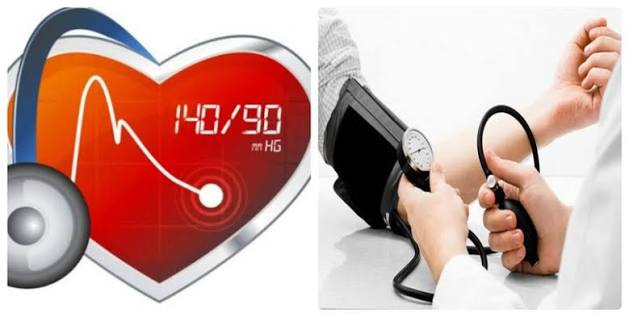
Blood pressure monitoring ??? measuring and tracking arterial blood pressure over time ??? is the most direct tool for managing hypertension, the single most common cardiovascular risk factor worldwide affecting approximately 1.28 billion adults. The choice between clinic measurement, home monitoring, and ambulatory monitoring is not arbitrary: each setting captures different aspects of a patient’s true blood pressure pattern, and the discordances between them ??? white coat hypertension (elevated in clinic, normal at home) and masked hypertension (normal in clinic, elevated at home) ??? affect treatment decisions for tens of millions of patients.
Understanding the differences between clinic and home blood pressure readings, why they often disagree, which is more predictive of cardiovascular risk, and how to measure blood pressure accurately at home transforms patients from passive recipients of a number at each appointment into active partners in their own hypertension management ??? with the real-time data to understand their response to lifestyle changes and medications between clinic visits.
Why Clinic and Home Blood Pressure Readings Differ
Blood pressure is not a fixed value ??? it varies continuously throughout the day and night in response to physical activity, emotion, pain, temperature, digestion, sleep, and the circadian rhythm of the autonomic nervous system. A clinic blood pressure measurement captures a single snapshot of this dynamic variable under the specific circumstances of a medical appointment ??? circumstances that are systematically different from a patient’s usual daily environment:
The physiological stress response to entering a medical environment ??? anxiety about health results, anticipation of a procedure, interaction with unfamiliar healthcare providers, the physical act of having the cuff applied ??? activates the sympathetic nervous system, elevating heart rate and transiently raising blood pressure by 5 to 30 mmHg in susceptible individuals. This phenomenon ??? white coat hypertension ??? produces elevated office readings that disappear when the same patient measures their blood pressure at home in a relaxed, familiar environment. White coat hypertension is present in approximately 15 to 30 percent of patients with elevated clinic blood pressure ??? meaning that treating all elevated clinic readings as true hypertension without home or ambulatory confirmation would result in a substantial proportion of patients receiving antihypertensive medications they do not need.
The opposite phenomenon ??? masked hypertension ??? is equally important and less well-recognized: approximately 10 to 15 percent of patients whose clinic readings are normal or controlled have elevated blood pressure during their usual daily activities that is never captured in office measurements. Masked hypertension carries cardiovascular risk equivalent to sustained (always elevated) hypertension and is detected only through home or ambulatory monitoring. Risk factors for masked hypertension include physical activity at work (manual laborers), high stress occupations, alcohol consumption, smoking, and sleep apnea ??? conditions that elevate blood pressure during daily life but may be partially resolved during a morning clinic visit.
Which Blood Pressure Reading Predicts Cardiovascular Risk Better?
The cardiovascular outcome research consistently demonstrates that out-of-office blood pressure (home or ambulatory) is a stronger predictor of cardiovascular events than clinic blood pressure:
The Ohasama study ??? one of the landmark studies in out-of-office BP research ??? followed a Japanese community population with both clinic and home blood pressure measurements and demonstrated that home blood pressure predicted cardiovascular mortality more accurately than clinic blood pressure. Multiple subsequent meta-analyses involving over 100,000 patients confirm that ambulatory blood pressure monitoring (ABPM) ??? the gold standard ??? is the strongest predictor of MI, stroke, and cardiovascular death, followed by home monitoring, with clinic measurement the weakest predictor.
The explanation lies in the averaging principle: out-of-office measurements capture blood pressure in diverse physiological states across a full day or week, producing an average that better represents the true chronic hemodynamic burden on the heart and blood vessels than a single clinic measurement. Sustained elevated blood pressure ??? the kind that damages arteries over years ??? is better captured by an average of dozens of measurements than by two readings in an artificially controlled clinic environment.
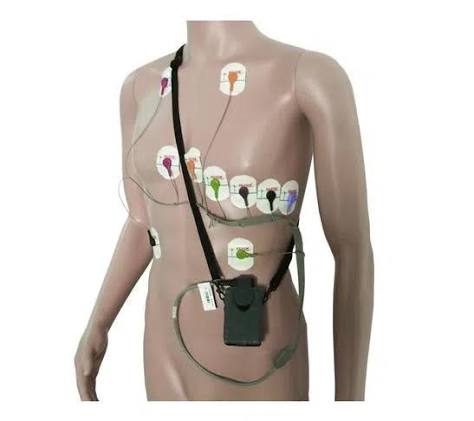
How to Monitor Blood Pressure at Home ??? The Complete Protocol
Accurate home blood pressure monitoring requires attention to both equipment selection and measurement technique. Many patients own home blood pressure devices but use them in ways that produce inaccurate results ??? incorrect cuff size, measuring immediately after activity, sitting in a slouched position, or taking only one reading. The complete validated protocol:
Before purchasing a monitor: Choose a device that has been independently validated against reference standard auscultatory measurements. The dabl Educational Trust website (dableducational.org) and the AHA/American Medical Association “Check. Change. Control.” program list validated devices. Upper arm monitors are strongly preferred ??? wrist and finger monitors are far less accurate due to sensitivity to wrist position and peripheral vascular disease. Confirm that the included cuff fits your arm: measure your upper arm circumference with a tape measure at the midpoint of the upper arm; if your circumference exceeds 32 cm (approximately 12.5 inches), you need a “large adult” or “extra large” cuff.
Prepare for 5 minutes: Sit quietly with your back supported, feet flat on the floor, arm resting on a flat surface at heart level (a table works well). Do not talk during the measurement. Avoid caffeine, tobacco, and exercise for 30 minutes before measuring. Empty your bladder before sitting ??? a full bladder raises blood pressure by 10 to 15 mmHg. Remove tight clothing from the arm.
The 7-day AHA protocol for diagnosis: Measure twice in the morning (before taking morning blood pressure medications and before breakfast) and twice in the evening (before bedtime) for 7 consecutive days. Allow 1 minute between each pair of readings; record both readings and average them for that session. At the end of 7 days, discard day 1 (first-day readings are typically higher due to novelty), then average all remaining morning and evening session averages. A 7-day average home blood pressure at or above 135/85 mmHg confirms hypertension; below this level rules out hypertension in most cases.
Ongoing monitoring for treated hypertension: Once a blood pressure medication regimen is established, monitor once daily (morning or evening ??? choose consistently) on 3 to 4 days per week. Bring your log or device to every medical appointment. If your blood pressure is consistently below 120/80 mmHg on optimal medication, discuss whether dose reduction is appropriate with your provider ??? over-treatment producing chronic low blood pressure (below 110/70 mmHg) may cause dizziness, falls, and kidney stress, particularly in older adults.
Nocturnal Blood Pressure ??? The Hidden Risk the Clinic Never Sees
One of the most clinically significant advantages of ambulatory blood pressure monitoring over both clinic and home measurement is its ability to reveal nighttime blood pressure ??? a dimension of hypertension management that is invisible to all daytime measurements and that carries powerful cardiovascular prognostic significance.
In healthy adults, blood pressure drops 10 to 20 percent during sleep compared to daytime levels ??? a phenomenon called “dipping.” This nocturnal dip reflects the physiological reduction in sympathetic nervous system activity during sleep, allowing vasodilation and cardiac output reduction. The absence of this normal dip ??? “non-dipping” (nighttime BP less than 10 percent below daytime BP) or “reverse dipping” (nighttime BP higher than daytime BP) ??? is associated with substantially higher rates of left ventricular hypertrophy, stroke, MI, and chronic kidney disease than dipping status alone would suggest.
Non-dipping blood pressure patterns are common in: obstructive sleep apnea (repeated nocturnal hypoxemia and arousal trigger surges in sympathetic activity that prevent normal nocturnal dipping ??? hypertension resistant to daytime medications is often due to undiagnosed OSA causing non-dipping); chronic kidney disease (impaired renal sodium excretion at night maintains volume load during sleep); autonomic neuropathy (diabetic or otherwise); and primary aldosteronism (elevated aldosterone causes sodium-driven non-dipping). Identifying non-dipping on ABPM directs investigation and treatment toward these underlying causes ??? often producing dramatic improvements in blood pressure control when the root cause is treated (CPAP for OSA dramatically restores the dipping pattern and reduces nighttime blood pressure by 5 to 10 mmHg in OSA-associated hypertension).
See our related articles on major risk factors for heart disease, A1C and heart disease risk, blood tests for heart health, heart failure symptoms and monitoring, and common heart tests explained. The American Heart Association blood pressure guide, NHLBI hypertension overview, and ACC/AHA 2017 hypertension guideline provide authoritative clinical standards.
- Whelton PK, et al. 2017 ACC/AHA/AAPA/ABC/ACPM/AGS/APhA/ASH/ASPC/NMA/PCNA Guideline for the Prevention, Detection, Evaluation, and Management of High Blood Pressure in Adults. J Am Coll Cardiol. 2018;71(19):e127-e248.
- SPRINT Research Group. A Randomized Trial of Intensive versus Standard Blood-Pressure Control. N Engl J Med. 2015;373(22):2103-2116.
- Parati G, et al. European Society of Hypertension practice guidelines for ambulatory blood pressure monitoring. J Hypertens. 2014;32(7):1359-1366.
- Pickering TG, et al. Recommendations for Blood Pressure Measurement in Humans and Experimental Animals (AHA Scientific Statement). Hypertension. 2005;45(1):142-161.
- Stergiou GS, et al. Home blood pressure monitoring in the 21st century. J Clin Hypertens. 2018;20(7):1116-1121.
Understanding Your Blood Pressure Numbers ??? Systolic, Diastolic, and Pulse Pressure
A blood pressure reading consists of two numbers separated by a slash ??? for example, 128/82 mmHg. Understanding what each number represents and why both matter for cardiovascular risk helps patients interpret their monitoring results meaningfully:
Systolic blood pressure (the top number): The peak arterial pressure generated during each heartbeat ??? when the left ventricle contracts and ejects blood into the aorta. Systolic BP reflects the combined effect of cardiac output, arterial stiffness, and the resistance of the systemic vascular bed. In young adults, elevated diastolic BP is more common; with aging, arterial stiffness from atherosclerosis and collagen cross-linking progressively reduces arterial compliance, causing systolic BP to rise while diastolic BP may remain stable or fall ??? producing isolated systolic hypertension, the most common hypertension phenotype in adults over 60.
Diastolic blood pressure (the bottom number): The minimum arterial pressure during ventricular relaxation (diastole) ??? the pressure the cardiovascular system maintains between heartbeats. Diastolic BP reflects primarily peripheral vascular resistance and the elastic recoil of the aorta. Persistently elevated diastolic BP (>90 mmHg) is associated with increased cardiovascular risk; very low diastolic BP (<60 mmHg) in patients with coronary artery disease reduces coronary perfusion pressure (the gradient driving blood flow through the coronary arteries during diastole) and may worsen myocardial ischemia ??? creating the “J-curve” relationship where both high and very low diastolic BP are associated with increased MI risk.
Pulse pressure (systolic minus diastolic): The difference between systolic and diastolic BP ??? normally 30 to 50 mmHg. Wide pulse pressure (above 60 mmHg) is a marker of arterial stiffness and is an independent predictor of cardiovascular events in older adults. The Framingham Heart Study demonstrated that in adults over age 60, pulse pressure is a stronger predictor of coronary heart disease risk than systolic or diastolic pressure alone ??? reflecting the atherogenic effect of the mechanical trauma from large pulsatile arterial wall expansion with each heartbeat in stiff arteries.
Antihypertensive Medication Classes ??? What They Do and When Each Is Used
For patients who require medication to reach blood pressure targets, understanding the major drug classes helps them participate meaningfully in the treatment decision-making conversation with their provider:
ACE inhibitors and ARBs (renin-angiotensin system blockers): The most broadly beneficial antihypertensive class for patients with additional comorbidities. ACE inhibitors (lisinopril, ramipril, enalapril, perindopril) block the conversion of angiotensin I to angiotensin II ??? the primary vasoconstricting and aldosterone-stimulating hormone of the renin-angiotensin-aldosterone system. ARBs (losartan, valsartan, irbesartan, olmesartan, telmisartan) block the angiotensin II type 1 receptor rather than its production. Both classes reduce blood pressure effectively and provide additional end-organ protection beyond blood pressure lowering: reduction in left ventricular hypertrophy, reduction in proteinuria and CKD progression (especially in diabetic nephropathy), reduction in cardiovascular events in patients with established ASCVD or high-risk conditions (ACE inhibitors demonstrated mortality benefit in the HOPE trial, the EUROPA trial, and post-MI trials). ACE inhibitors cause a dry cough in 10 to 15 percent of patients (from bradykinin accumulation) ??? ARBs are equally effective without this side effect and are the preferred alternative for patients who develop ACE inhibitor-induced cough.
Calcium channel blockers (CCBs): Dihydropyridine CCBs (amlodipine, felodipine, nifedipine extended-release) relax vascular smooth muscle by blocking L-type calcium channels in arterial walls, reducing peripheral vascular resistance and blood pressure. They are particularly effective for isolated systolic hypertension in older adults, for patients of African descent (who tend to have lower renin hypertension that responds well to CCBs), and for patients with concurrent angina (CCBs reduce coronary vasospasm and provide anti-anginal benefit). The ACCOMPLISH trial demonstrated that ACE inhibitor + CCB combination (benazepril + amlodipine) reduced cardiovascular events more effectively than ACE inhibitor + thiazide diuretic ??? making ACE inhibitor/ARB plus CCB the preferred initial two-drug combination for most hypertensive patients. Common side effect: peripheral ankle edema from pre-capillary vasodilation (not fluid retention ??? responds to leg elevation rather than diuretics, though diuretic combination can reduce edema).
Thiazide and thiazide-like diuretics: Chlorthalidone and indapamide (thiazide-like diuretics with stronger BP-lowering effect than hydrochlorothiazide) promote renal sodium and water excretion, reducing plasma volume and cardiac preload, and have direct vasodilatory effects that develop with chronic use. They are particularly effective as the third agent in resistant hypertension (added to RAS blocker + CCB combination) and are first-line for isolated systolic hypertension in older adults (where the ALLHAT trial demonstrated non-inferiority to ACE inhibitor and CCB). Metabolic side effects: hypokalemia (reduced serum potassium ??? may worsen glucose tolerance and cause muscle cramps; potassium supplementation or combination with potassium-sparing agents often required), hyperuricemia (may precipitate gout), and modest insulin resistance (relevant in pre-diabetic patients).
Beta-blockers: Reduce blood pressure by decreasing heart rate and cardiac output and reducing renin release. They are preferred antihypertensives when specific additional indications exist: post-MI (beta-blockers reduce post-infarction mortality by 25 to 30 percent and are indicated for at least 1 to 3 years after MI); heart failure with reduced ejection fraction (carvedilol, metoprolol succinate, bisoprolol ??? three beta-blockers with proven mortality benefit in HFrEF); rate control in atrial fibrillation; and angina (reduce myocardial oxygen demand). Beta-blockers are generally not recommended as first-line antihypertensives in patients without these additional indications because they are less effective at reducing stroke and cardiovascular events compared to ACE inhibitor, ARB, or CCB-based regimens in head-to-head trials.
Resistant Hypertension ??? When Blood Pressure Won’t Reach Target
Resistant hypertension ??? defined as blood pressure remaining above target (typically 130/80 mmHg) despite appropriate use of three antihypertensive medications of different classes at maximally tolerated doses (one of which should be a thiazide or thiazide-like diuretic) ??? affects approximately 10 to 15 percent of hypertensive patients and deserves systematic evaluation for treatable underlying causes before adding further medications:
The most common causes of apparent resistant hypertension are non-adherence to medication (50 to 80 percent of patients with apparent resistance are non-adherent to at least one agent ??? identified by blood and urine drug level testing at specialized hypertension centers), white coat effect (home and ambulatory BP normal despite elevated clinic readings), dietary sodium excess (above 3 to 4 grams per day of sodium blunts antihypertensive drug effect ??? dietary sodium assessment and reduction often unlocks additional BP reduction from existing medications), and medication interactions (NSAIDs ??? ibuprofen, naproxen ??? raise blood pressure by 5 to 10 mmHg through renal prostaglandin inhibition and should be avoided in hypertensive patients; sympathomimetics in decongestants, stimulants, and some diet products also raise BP).
True (confirmed) resistant hypertension warrants evaluation for secondary hypertension ??? identifiable causes of elevated BP that may be specifically treatable: primary aldosteronism (the most common secondary hypertension cause, present in 5 to 10 percent of all hypertensive patients and up to 20 to 30 percent of resistant hypertension ??? identified by elevated aldosterone-to-renin ratio; treated surgically if unilateral adrenal adenoma or with mineralocorticoid receptor antagonists, spironolactone or eplerenone, for bilateral hyperplasia); obstructive sleep apnea (present in 40 to 80 percent of resistant hypertension patients; CPAP therapy reduces 24-hour ambulatory BP by 2 to 3 mmHg ??? modest but meaningful in resistant patients); renal artery stenosis (atherosclerotic narrowing of the renal arteries activating the RAAS ??? detected by duplex ultrasound or CT angiography; revascularization improves BP in selected patients); pheochromocytoma (adrenal catecholamine-secreting tumor ??? rare, approximately 0.2 percent of hypertensives, but causes dramatic paroxysmal hypertension with headache, palpitations, and diaphoresis).
Lifestyle Changes That Lower Blood Pressure ??? Beyond Medication
The DASH (Dietary Approaches to Stop Hypertension) diet and specific lifestyle modifications have demonstrated consistent, quantified blood pressure reductions in randomized trials ??? providing an evidence base for non-pharmacological management that rivals the effect of a single antihypertensive medication:
- DASH diet: Rich in fruits, vegetables, low-fat dairy, whole grains, and lean protein; low in sodium, red meat, and added sugars. Reduces systolic BP by 8 to 14 mmHg in hypertensive adults ??? equivalent to the BP reduction from a single antihypertensive medication at standard doses.
- Sodium reduction: Reducing dietary sodium from the average American intake (~3,400 mg/day) to below 1,500 mg/day lowers systolic BP by 5 to 10 mmHg. Most dietary sodium comes from processed and restaurant foods rather than table salt ??? reading food labels for sodium content (target less than 600 mg per serving) is more effective than adding less salt at the table.
- Aerobic exercise: Regular aerobic exercise (150 minutes per week of moderate-intensity activity) reduces systolic BP by 4 to 8 mmHg through reduced peripheral vascular resistance and improved arterial compliance ??? sustained with ongoing exercise but reversed when exercise is discontinued.
- Alcohol reduction: Heavy alcohol consumption (more than 3 drinks per day) raises blood pressure substantially; reducing to 1 drink per day or less lowers systolic BP by 2 to 4 mmHg.
- Weight loss: Each kilogram of weight loss reduces systolic BP by approximately 1 mmHg; 10-kilogram weight loss achieves 10 mmHg systolic reduction ??? comparable to starting a single antihypertensive medication.
- Smoking cessation: Smoking acutely raises BP by 5 to 10 mmHg per cigarette (sympathomimetic nicotine effect); smoking also prevents antihypertensive medications from achieving their full effect; cessation is cardiovascular risk reduction with benefits extending far beyond blood pressure normalization.