
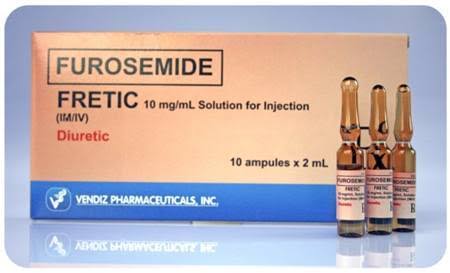
Diuretics — commonly called water pills — are among the most widely prescribed medications in cardiovascular medicine. They reduce the volume of fluid in the bloodstream and body tissues by prompting the kidneys to excrete more sodium and water in the urine. This single mechanism produces benefits across multiple serious conditions: it lowers blood pressure by reducing the volume of blood the heart must pump against, and it relieves the debilitating fluid accumulation that defines decompensated heart failure. Understanding how diuretics for blood pressure and heart failure work, what side effects to watch for, and how to take them safely helps patients get the most benefit from these powerful but nuanced drugs.
What Are Diuretics?
Diuretics act on the nephron — the functional filtration unit of the kidney — to reduce reabsorption of sodium and water, increasing urine output and thereby reducing total body fluid volume. The kidneys filter approximately 180 liters of blood per day, and the vast majority of the sodium filtered is reabsorbed back into the bloodstream at various points along the nephron. Diuretics block specific transport proteins at different nephron segments, each with a different potency and a different profile of electrolyte effects.
The reduction in circulating blood volume lowers blood pressure because the heart is pumping a smaller volume against the vessel walls. In heart failure, where the failing heart cannot pump efficiently and fluid backs up into the lungs and peripheral tissues, diuretics provide rapid relief of congestion — reducing breathlessness, ankle swelling, and the abdominal bloating of ascites. In hypertension, diuretics reduce blood pressure not only through volume reduction but through a secondary vasodilation mechanism that develops with chronic use: as volume falls, compensatory mechanisms partially restore volume, but long-term thiazide diuretic use produces vascular smooth muscle relaxation that contributes to sustained antihypertensive effect independent of volume.
Three Main Classes of Diuretics
Loop Diuretics
Loop diuretics — furosemide (Lasix), torsemide (Demadex), and bumetanide — are the most potent diuretic class available and are the cornerstone of heart failure management. They act on the thick ascending limb of the loop of Henle, blocking the Na-K-2Cl cotransporter (NKCC2). This segment of the nephron normally reabsorbs approximately 25% of all filtered sodium — far more than any other nephron segment — making NKCC2 inhibition the most powerful diuretic mechanism. When the loop of Henle cannot reabsorb sodium, a large sodium load reaches the collecting duct, pulling water with it into the urine.
The result is a rapid, powerful diuresis that begins within 30 to 60 minutes of an oral dose and peaks within 1 to 2 hours. In acute decompensated heart failure — when a patient is admitted with severe breathlessness from pulmonary edema — intravenous furosemide can produce liters of urine output within hours, rapidly relieving lung congestion. The potency of loop diuretics makes them indispensable in heart failure, but it also creates significant risks: rapid fluid and electrolyte loss can cause dehydration, low blood pressure, and dangerous electrolyte abnormalities (particularly hypokalemia and hypomagnesemia) if not carefully monitored.
Torsemide has more predictable oral bioavailability than furosemide (approximately 80% vs. 50% for furosemide, which varies markedly with food and gut edema) and a longer duration of action. The TRANSFORM-HF trial (2022) compared torsemide to furosemide in heart failure patients and found similar mortality outcomes, but some cardiologists prefer torsemide for its pharmacokinetic consistency, particularly in patients with severe bowel edema who absorb furosemide erratically.
Thiazide and Thiazide-Like Diuretics
Thiazide diuretics — hydrochlorothiazide (HCTZ), chlorthalidone, and indapamide — block the Na-Cl cotransporter (NCC) in the distal convoluted tubule. Because the distal tubule reabsorbs only about 5% of filtered sodium, thiazides are less potent than loop diuretics and cannot produce the dramatic volume reduction needed in acute heart failure. However, their moderate, sustained antihypertensive effect makes them ideal for long-term blood pressure management.
Chlorthalidone has a longer half-life (approximately 40 to 60 hours) compared to HCTZ (approximately 8 to 12 hours) and has been associated with greater 24-hour blood pressure reduction in clinical comparisons. The ALLHAT trial — the largest antihypertensive trial ever conducted, with 33,357 patients — found that chlorthalidone was at least as effective as amlodipine (a calcium channel blocker) and more effective than lisinopril (an ACE inhibitor) in preventing cardiovascular events in high-risk hypertension. Thiazides are particularly effective in older adults, Black patients, and those with salt-sensitive hypertension — populations in whom renin-angiotensin system–based therapies (ACE inhibitors, ARBs) may be less effective as monotherapy.
Thiazides cause potassium and magnesium loss, glucose elevation (mild, clinically significant mainly in patients with diabetes or pre-diabetes), and uric acid elevation (relevant in patients with gout). Despite these metabolic effects, their cardiovascular outcome benefit is substantial and they remain a cornerstone of hypertension treatment guidelines worldwide.
Potassium-Sparing Diuretics
Potassium-sparing diuretics — spironolactone, eplerenone, amiloride, and triamterene — work through two distinct mechanisms. Spironolactone and eplerenone are mineralocorticoid receptor antagonists (MRAs): they block aldosterone receptors in the collecting duct, preventing aldosterone from driving sodium reabsorption and potassium excretion. Amiloride and triamterene directly block the epithelial sodium channel (ENaC) in the collecting duct, independently of aldosterone.
As diuretics, potassium-sparing agents are relatively weak and are rarely used alone for blood pressure or volume management. Their main role is as add-on therapy to prevent or correct the potassium and magnesium loss caused by loop and thiazide diuretics. However, spironolactone and eplerenone have an additional role that goes far beyond potassium preservation: they are evidence-based therapies for heart failure with reduced ejection fraction (HFrEF) that have been shown to reduce mortality. The RALES trial (spironolactone vs. placebo in severe HFrEF) demonstrated 30% lower all-cause mortality; the EMPHASIS-HF trial (eplerenone in mild-to-moderate HFrEF) showed 24% lower mortality. These benefits are attributed largely to anti-fibrotic and anti-remodeling effects from blocking aldosterone’s direct cardiac and vascular actions — not their diuretic effect.
Diuretics for High Blood Pressure
Current hypertension guidelines from the ACC/AHA and JNC 8 list thiazide or thiazide-like diuretics as one of the four preferred first-line drug classes for most patients with uncomplicated hypertension, alongside ACE inhibitors, ARBs, and dihydropyridine calcium channel blockers. Thiazides are particularly recommended as a first or second choice in older adults (where they reduce stroke and heart failure risk robustly), Black patients, and patients with isolated systolic hypertension.
In hypertension management, diuretics are often the additive agent of choice when a single drug does not achieve blood pressure targets. The combination of a thiazide with an ACE inhibitor or ARB is highly complementary: ACE inhibitors and ARBs activate the renin-angiotensin system (partially compensating for the volume depletion caused by the diuretic), while the diuretic counteracts the sodium retention that partially blunts the antihypertensive effect of RAAS blockade. This synergy explains why fixed-dose combination products (e.g., lisinopril/HCTZ, olmesartan/HCTZ) are among the most commonly prescribed antihypertensive formulations globally.
Diuretics in Heart Failure
In heart failure — particularly heart failure with reduced ejection fraction (HFrEF) — loop diuretics are the primary treatment for the symptoms of fluid overload: breathlessness, orthopnea (difficulty breathing when lying flat), peripheral edema, and weight gain from retained fluid. The goal of diuretic therapy in heart failure is to achieve and maintain euvolemia — a state in which the patient has no excess fluid accumulation — using the lowest effective dose that controls symptoms without causing dehydration, electrolyte abnormalities, or worsening kidney function.
Unlike the mortality-reducing medications for HFrEF (ACE inhibitors, ARBs, beta blockers, MRAs, SGLT2 inhibitors), loop diuretics have not been shown in randomized trials to reduce mortality in heart failure — they are symptom-relieving drugs rather than disease-modifying drugs. This does not diminish their clinical importance: uncontrolled fluid overload in heart failure causes severe disability, repeated hospitalizations, and poor quality of life. But it does mean that the dose should be titrated to the minimum required for symptom control, and that attempts to reduce the loop diuretic dose should be made whenever the patient’s fluid status improves.
Patients with heart failure are often taught to monitor their weight daily and to contact their care team if weight increases by more than 2 to 3 pounds in 24 hours or 5 pounds over a week — a sign of fluid accumulation that may require a temporary dose increase. Many heart failure programs implement patient-directed flexible diuretic protocols in which patients can adjust their furosemide dose within prescribed limits based on daily weight changes, reducing hospitalization rates. Dietary sodium restriction (less than 2 grams of sodium per day in most HFrEF patients) works synergistically with diuretic therapy by reducing the daily sodium load that diuretics must eliminate.
Side Effects and What to Watch For
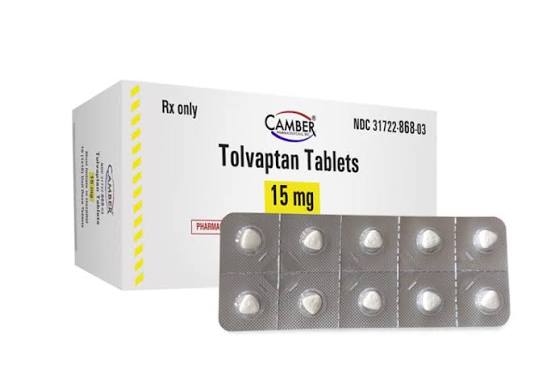
All diuretics carry the risk of excessive fluid removal (over-diuresis), which manifests as dehydration, low blood pressure (particularly orthostatic hypotension — dizziness on standing), reduced kidney perfusion, and electrolyte abnormalities. Patients should report symptoms of over-diuresis to their care team promptly: significant dizziness on standing, persistent dry mouth and thirst, very dark urine, muscle cramps (a common symptom of hypokalemia and hypomagnesemia), or a drop in urine output suggesting worsening kidney function.
Loop diuretics cause the most profound electrolyte losses because of their high potency and the volume of sodium that reaches downstream nephron segments for loss. They cause hypokalemia (low potassium), hyponatremia (low sodium), hypomagnesemia (low magnesium), and metabolic alkalosis. They also increase calcium excretion, which is clinically relevant in patients at risk for osteoporosis — a contrast with thiazides, which reduce urinary calcium excretion and may have a modest bone-protective effect.
Thiazide diuretics cause hypokalemia, hyponatremia (especially in elderly patients — sometimes severe), mild glucose elevation (worsening insulin resistance), uric acid elevation (which can precipitate gout attacks in susceptible patients), and elevation in LDL cholesterol. The hyponatremia risk with thiazides is more significant than with loop diuretics, paradoxically — because thiazides impair the kidney’s ability to generate free water at the same time as they stimulate thirst (through mild volume depletion), creating conditions for dilutional hyponatremia. Elderly women on low-dose thiazides are at particular risk for severe, symptomatic hyponatremia requiring hospitalization.
Electrolyte Monitoring: The Critical Safety Priority
Before starting any diuretic and throughout therapy, regular monitoring of serum electrolytes (sodium, potassium, magnesium) and kidney function (creatinine, BUN) is essential. The standard monitoring schedule is: baseline before starting, 1 to 2 weeks after initiation or a dose change, and then every 3 to 6 months during stable long-term therapy. More frequent monitoring is required in patients with chronic kidney disease, those on multiple diuretics, patients also taking ACE inhibitors or ARBs, and patients with a history of electrolyte abnormalities.
Hypokalemia (potassium below 3.5 mEq/L) from loop or thiazide diuretics increases the risk of cardiac arrhythmias — particularly in patients also taking digoxin (where hypokalemia dramatically potentiates digoxin toxicity) and in patients with underlying structural heart disease. When potassium falls below 3.5 mEq/L, supplementation with oral potassium chloride is typically required, and the underlying diuretic dose may need to be reduced or a potassium-sparing agent added. A serum potassium below 3.0 mEq/L is a medical urgency requiring prompt correction.
Conversely, potassium-sparing diuretics and MRAs (spironolactone, eplerenone) cause potassium retention — hyperkalemia (potassium above 5.5 mEq/L) — which at high levels can cause life-threatening cardiac conduction abnormalities. Hyperkalemia risk is substantially amplified when MRAs are combined with ACE inhibitors or ARBs (which also raise potassium), and in patients with chronic kidney disease (where potassium is cleared less efficiently). The combination of an ACE inhibitor, ARB, and MRA is generally avoided because the risk of severe hyperkalemia outweighs the potential benefit.
Living With Diuretics: Practical Patient Guidance
Loop diuretics should generally be taken in the morning, and if a second daily dose is needed, no later than early afternoon — taking them in the evening will require multiple nighttime bathroom trips that significantly disrupt sleep. Thiazide diuretics have a milder, more sustained effect and can typically be taken at any consistent time of day, though morning is still common. Some patients prefer taking their diuretic with food to reduce mild nausea or GI discomfort.
During acute illness — particularly gastroenteritis with vomiting and diarrhea — patients on diuretics are at high risk of rapid dehydration and electrolyte disturbance, because fluid and salt losses from GI illness compound the ongoing losses from the diuretic. Most heart failure programs provide patients with a “sick day guidance” plan that includes holding the diuretic during acute illness with significant fluid loss, monitoring for dehydration symptoms, and seeking medical attention if unable to keep fluids down for more than 12 to 24 hours.
Sources: ACC/AHA Heart Failure Guidelines (2022); JNC 8 Hypertension Guidelines; RALES Trial, NEJM 1999; EMPHASIS-HF Trial, NEJM 2011; ALLHAT Trial, JAMA 2002; TRANSFORM-HF Trial, JAMA 2023.
Diuretic Resistance: When Furosemide Stops Working
One of the most challenging clinical problems in advanced heart failure is diuretic resistance — a state in which a dose of furosemide that previously produced adequate urine output no longer does so. Diuretic resistance is common in patients with long-standing heart failure and occurs through several mechanisms: reduced GI absorption of oral furosemide (due to bowel wall edema impairing absorption), decreased renal blood flow (reduced glomerular filtration means less furosemide reaches the tubular lumen where it acts), and compensatory hypertrophy of the distal nephron (downstream segments increase their capacity to reabsorb sodium in response to chronic loop diuretic use, partially offsetting the drug’s effect).
Strategies for overcoming diuretic resistance include: switching to intravenous furosemide (which bypasses the absorption problem and achieves reliable bioavailability even in severe bowel congestion); switching to torsemide (which has superior and more consistent oral bioavailability of approximately 80% compared to furosemide’s 10 to 90%); sequential nephron blockade (adding a thiazide diuretic to a loop diuretic to block both the loop of Henle and the distal tubule simultaneously — a combination that can dramatically increase sodium excretion in patients resistant to either drug alone, but also substantially increases the risk of hypokalemia, hyponatremia, and renal function worsening); and optimization of renin-angiotensin system inhibition to reduce aldosterone-driven sodium retention in the collecting duct. The combination of a loop diuretic plus a thiazide in diuretic-resistant heart failure must be used with close monitoring — typically checking electrolytes and renal function within 24 to 48 hours of initiating the combination.
Diuretics in Chronic Kidney Disease
In patients with chronic kidney disease (CKD), diuretic therapy requires careful adjustment. Thiazide diuretics lose much of their antihypertensive efficacy when estimated GFR falls below approximately 30 mL/min/1.73m2, because their action depends on reaching the distal tubule from the bloodstream — reduced renal blood flow limits tubular secretion of the drug. In CKD stages 3b to 5, loop diuretics are preferred over thiazides for both blood pressure and volume management. However, loop diuretics require higher doses in CKD because reduced GFR means less drug reaches the tubular lumen even at a given plasma concentration — a patient with an eGFR of 20 may need furosemide 80 to 160 mg daily to achieve the same diuresis as 20 to 40 mg in a patient with normal kidney function.
Potassium-sparing diuretics and mineralocorticoid antagonists must be used with particular caution in CKD. Spironolactone and eplerenone carry a higher risk of dangerous hyperkalemia in CKD patients because the kidneys are less able to excrete potassium. Guidelines recommend monitoring potassium closely (within 1 week of initiation and after any dose change) and using lower doses in CKD. In CKD stage 4 or 5, MRAs are often avoided entirely due to the high hyperkalemia risk — a critical consideration in HFrEF patients with both heart failure and advanced kidney disease, who might otherwise benefit from these agents’ mortality reduction.
Diuretics in Elderly Patients
Older adults are particularly vulnerable to the adverse effects of diuretics for several physiological reasons: reduced total body water means they have less buffer against volume depletion; reduced baroreceptor sensitivity means they have impaired compensation for blood pressure drops (orthostatic hypotension is both more likely and more severe); reduced thirst sensation means they may not drink adequately to compensate for diuretic-induced losses; and reduced renal function (even without overt CKD, age-related nephron loss reduces GFR by approximately 1 mL/min/1.73m2 per year after age 40) means electrolyte disturbances occur more readily. The risk of severe thiazide-induced hyponatremia is substantially higher in elderly women, and several case series have documented life-threatening hyponatremia in older patients initiated on even low-dose thiazide therapy.
Despite these risks, diuretics remain highly appropriate in elderly patients for heart failure and hypertension — the cardiovascular benefits are well established and the risk-benefit calculation typically favors treatment. The approach in elderly patients is to start at the lowest effective dose, monitor electrolytes and renal function more frequently (every 2 to 4 weeks initially), assess for orthostatic hypotension at each follow-up visit, and have a low threshold for dose reduction at the first sign of over-diuresis. Fall risk assessment is also important, as orthostatic dizziness from diuretic-induced volume depletion is a modifiable risk factor for falls and fall-related injury in older adults.
Related Topics on Horizon Health Guide
- Blood Pressure Medications: Types and Purpose — where diuretics fit alongside ACE inhibitors, ARBs, beta blockers, and calcium channel blockers in evidence-based hypertension treatment
- Common Heart Medications Explained — overview of all cardiovascular drug classes including loop diuretics, MRAs, and their interactions with other heart failure medications
- ACE Inhibitors and ARBs Explained — the RAAS-blocking drugs most commonly combined with diuretics in heart failure and hypertension management
- Beta Blockers: A Simple Patient Guide — the mortality-reducing companion therapy to diuretics and ACE inhibitors in heart failure with reduced ejection fraction
- Aspirin and Heart Health: What to Know — aspirin use in cardiovascular patients, including interactions with diuretics in patients on multiple heart medications
Clinical References and Further Reading
- RALES Trial — NEJM 1999: spironolactone vs. placebo in 1,663 severe HFrEF patients — 30% lower all-cause mortality; trial stopped early for clear benefit
- EMPHASIS-HF — NEJM 2011: eplerenone in 2,737 mild-to-moderate HFrEF patients — 24% lower mortality, 42% fewer heart failure hospitalizations; trial stopped early
- ALLHAT Trial — JAMA 2002: chlorthalidone vs. amlodipine vs. lisinopril in 33,357 high-risk hypertension patients — chlorthalidone at least as effective for all cardiovascular endpoints
Pingback: Heart Health After Age 70
Bookmarked this article on diuretics for blood pressure and heart immediately — going to reference it regularly. I have tried following advice from several sources but this is most consistent with what my specialist told me. Forwarding this to others in my support group who are dealing with similar issues.
As someone dealing with this personally, the diuretics for blood pressure and heart section was very helpful. The specific numbers and thresholds mentioned are exactly what I needed to understand my results. Will definitely be coming back to this site for more health information.
This is one of the clearest explanations of diuretics for blood pressure and heart I have found. This is the kind of evidence-based writing that actually changes how people approach their health. Looking forward to reading more articles from this website.