
Blood Pressure Medications: Types and Purpose
Hypertension — chronically elevated blood pressure — affects approximately 1.28 billion adults worldwide, making it the single most common modifiable risk factor for cardiovascular disease, stroke, and kidney failure. Despite decades of effective treatment options, the World Health Organization estimates that only 42% of adults with hypertension receive any treatment, and just 21% achieve adequate blood pressure control. The gap between diagnosis and optimal management costs millions of lives annually — not from a lack of medications, but often from a lack of understanding about what the available medications do, why different patients benefit from different agents, and how these drugs work together in combination.
Blood pressure medications are not interchangeable. Five primary drug classes approach blood pressure reduction through different physiological mechanisms, making each class particularly effective — or particularly problematic — in specific clinical situations. A 65-year-old Black man with diabetes and kidney disease requires a different first-line agent than a 45-year-old white woman with isolated hypertension and no comorbidities, who in turn needs different treatment than a 55-year-old man recovering from a heart attack. This article explains the evidence behind each major class of blood pressure medications, how they work, what the landmark clinical trials found, and which patients benefit most from each approach.
ACE Inhibitors — Blocking the Renin-Angiotensin System
Angiotensin-converting enzyme (ACE) inhibitors are one of the most broadly useful drug classes in cardiovascular medicine. They work by blocking the enzyme that converts angiotensin I into angiotensin II — a potent vasoconstrictor that also stimulates aldosterone release (causing sodium and water retention) and promotes cardiac and vascular remodeling over time. When ACE is inhibited, less angiotensin II is produced: blood vessels relax, blood pressure falls, the kidneys retain less sodium, and the heart faces reduced resistance to pumping (afterload). Over years, the reduced angiotensin II exposure also slows harmful remodeling of the heart and kidney tissue.
ACE inhibitors are not just blood pressure medications — they are cardiac and renal protective agents with mortality evidence extending across multiple patient populations. The landmark HOPE trial (New England Journal of Medicine, 2000) randomized 9,297 high-cardiovascular-risk patients without heart failure to ramipril or placebo for five years. Ramipril reduced the composite of cardiovascular death, myocardial infarction, and stroke by 22% — a benefit that appeared in addition to blood pressure lowering and was particularly strong in patients with diabetes. ACE inhibitors are now guideline-recommended in heart failure with reduced ejection fraction (HFrEF), after myocardial infarction, and in chronic kidney disease with proteinuria (where they slow kidney disease progression independently of their blood pressure effects).
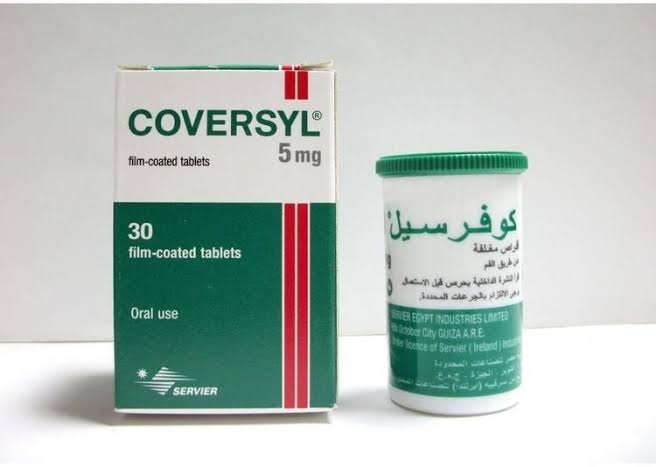
Widely used ACE inhibitors include lisinopril, ramipril, enalapril, captopril, and perindopril. The characteristic ACE inhibitor side effect is a dry, persistent cough, affecting 10 to 15% of patients — caused by bradykinin accumulation (ACE normally degrades bradykinin, so its inhibition allows bradykinin to build up in the respiratory mucosa). This cough is not dangerous and not allergic, but can significantly impact quality of life. The appropriate response is switching to an ARB (angiotensin receptor blocker), which provides equivalent cardiovascular protection without cough. Angioedema — swelling of the lips, tongue, or throat — occurs in 0.1 to 0.5% of patients, is more common in Black patients, and requires emergency medical evaluation. Both ACE inhibitors and ARBs are absolutely contraindicated in pregnancy, where they cause severe fetal renal malformations and oligohydramnios.
ARBs — Angiotensin Receptor Blockers
ARBs (angiotensin receptor blockers) block the AT1 receptor — the primary receptor through which angiotensin II exerts its harmful cardiovascular effects — rather than preventing angiotensin II production as ACE inhibitors do. Because angiotensin II is still produced (it just cannot bind to its receptor), bradykinin levels are not elevated with ARBs. The result is equivalent cardiovascular protection to ACE inhibitors without the cough side effect.
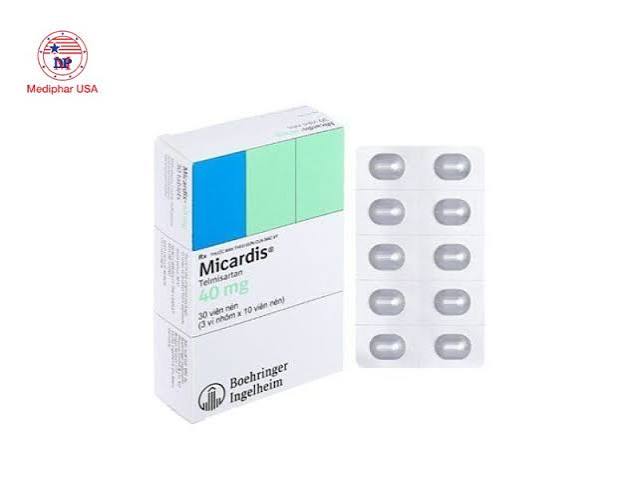
The ONTARGET trial (New England Journal of Medicine, 2008) directly compared telmisartan to ramipril across 25,620 high-cardiovascular-risk patients and found telmisartan non-inferior to ramipril for the composite of cardiovascular death, myocardial infarction, stroke, and hospitalization for heart failure. Critically, the combination of both drugs was also tested — and showed no additional cardiovascular benefit while substantially increasing adverse effects (hypotension, syncope, kidney dysfunction). This finding established that dual RAAS blockade (combining an ACE inhibitor with an ARB) is not beneficial and potentially harmful, and is strongly discouraged in current guidelines.
Available ARBs include losartan, valsartan, candesartan, irbesartan, olmesartan, and telmisartan. They share essentially equivalent cardiovascular efficacy and are the preferred alternative to ACE inhibitors in patients who develop ACE inhibitor cough, and in some studies have additional advantages — telmisartan, for example, also has PPAR-gamma agonist activity that may modestly improve insulin sensitivity. Like ACE inhibitors, ARBs protect the kidneys in diabetic nephropathy, can cause hyperkalemia (elevated potassium), may raise creatinine modestly (a sign of appropriate kidney autoregulation rather than harm in most cases), and are contraindicated in pregnancy.
Calcium Channel Blockers — Arterial Vasodilation
Calcium channel blockers reduce calcium entry into smooth muscle cells in arterial walls, causing the arteries to relax and dilate. The two subclasses differ substantially in their predominant effects and clinical applications.
Dihydropyridine (DHP) calcium channel blockers — amlodipine, nifedipine, felodipine — act predominantly on peripheral arterial smooth muscle, causing vasodilation with relatively little effect on cardiac conduction. Amlodipine is the most widely used antihypertensive worldwide: its long half-life (30 to 50 hours) allows once-daily dosing with stable, consistent blood pressure reduction throughout the 24-hour cycle. The ASCOT-BPLA trial (2005, 19,257 patients with hypertension and at least three cardiovascular risk factors) compared amlodipine plus perindopril to atenolol plus bendroflumethiazide. The trial was terminated early due to the clear superiority of the amlodipine-based regimen: 23% lower cardiovascular mortality, 24% fewer strokes, and significant reductions in total CV events and diabetes incidence. The ACCOMPLISH trial (2008, 11,506 patients) then found that combining an ACE inhibitor (benazepril) with amlodipine reduced major cardiovascular events by 20% compared to combining the same ACE inhibitor with hydrochlorothiazide — even though blood pressure lowering was equivalent in both arms — suggesting that amlodipine provides cardiovascular benefits beyond its blood pressure effect alone.
Non-dihydropyridine (non-DHP) CCBs — diltiazem and verapamil — act on both peripheral arteries and cardiac conduction tissue. They slow the sinoatrial and atrioventricular nodes, reducing heart rate alongside their antihypertensive effect. This makes them useful for rate control in atrial fibrillation and for angina management. However, their negative inotropic effect (reduced cardiac contractility) makes non-DHP CCBs contraindicated in heart failure with reduced ejection fraction, where reduced contractility worsens already compromised pump function and has been associated with increased mortality. Common DHP side effects include peripheral edema (ankle swelling from arterial vasodilation), flushing, and reflex tachycardia at higher doses.
Thiazide and Thiazide-Like Diuretics — Evidence-Based First-Line Agents
Thiazide-type diuretics inhibit the sodium-chloride cotransporter in the distal convoluted tubule of the kidney, increasing urinary sodium and water excretion, reducing blood volume, and lowering blood pressure. They have been used for hypertension since the 1950s, and despite decades of newer drug classes entering the market, they remain among the best-supported first-line options for uncomplicated hypertension based on hard cardiovascular outcome data.
The ALLHAT trial (Antihypertensive and Lipid-Lowering Treatment to Prevent Heart Attack Trial, JAMA 2002) is the largest antihypertensive drug comparison trial ever conducted, enrolling 42,418 patients with hypertension and at least one additional cardiovascular risk factor. ALLHAT compared chlorthalidone, amlodipine, lisinopril, and doxazosin (an alpha blocker). The doxazosin arm was terminated early due to significantly higher rates of heart failure (nearly double the risk compared to chlorthalidone). Chlorthalidone performed equivalently to amlodipine for the primary composite endpoint and was superior for preventing heart failure. Against lisinopril, chlorthalidone was equivalent for the primary endpoint but superior for stroke prevention (particularly in Black patients) and heart failure. These data established thiazide diuretics as a first-line cornerstone of antihypertensive therapy, particularly in patients without specific indications favoring another class.
An important practical distinction: chlorthalidone is substantially preferred over hydrochlorothiazide (HCTZ), which is paradoxically far more commonly prescribed. Chlorthalidone has a half-life of 50 to 60 hours compared to HCTZ’s 8 to 12 hours, providing more consistent 24-hour blood pressure control. Chlorthalidone achieves approximately 1.5 to 2 times greater blood pressure reduction per milligram compared to HCTZ, and all major outcome trials (ALLHAT, SHEP, MRC) that demonstrated cardiovascular benefits of thiazide diuretics used chlorthalidone or indapamide, not HCTZ. Many patients receiving HCTZ for blood pressure control would benefit from switching to chlorthalidone. Key monitoring parameters: potassium (thiazides cause hypokalemia, which increases arrhythmia risk), glucose (thiazides modestly increase fasting glucose), uric acid (thiazides increase urate levels and can precipitate gout in susceptible patients), and creatinine.
Beta Blockers — Specific Indications Rather Than First-Line
Beta blockers reduce blood pressure by blocking adrenergic receptors — the receptors through which adrenaline stimulates the heart and blood vessels. The result is reduced heart rate, reduced cardiac output, and lower renin release from the kidneys, collectively producing blood pressure reduction. For decades, beta blockers were considered first-line antihypertensives. However, evidence from the ASCOT-BPLA trial and subsequent meta-analyses showed that atenolol (the most commonly studied beta blocker for hypertension) is less effective at reducing stroke and cardiovascular mortality than amlodipine or ACE inhibitors at equivalent blood pressure levels. Current guidelines (ACC/AHA 2017, ESC 2018) do not recommend beta blockers as preferred first-line therapy for uncomplicated hypertension without specific indications.
Beta blockers remain essential, however, when specific comorbidities are present. They are guideline-mandated therapy after myocardial infarction (reducing sudden cardiac death and recurrent MI), in heart failure with reduced ejection fraction (where metoprolol succinate, carvedilol, and bisoprolol each show 34 to 35% mortality reduction in landmark trials), for angina (reducing myocardial oxygen demand and ischemic episodes), and for rate control in atrial fibrillation. They are also useful for patients with symptomatic hypertension accompanied by a high resting heart rate. In patients with diabetes, beta blockers can mask sympathomimetic hypoglycemia symptoms (trembling, tachycardia) while preserving sweating — an important consideration when prescribing in insulin-dependent diabetes. Beta blockers should never be stopped abruptly; gradual tapering over one to two weeks is necessary to avoid rebound adrenergic hyperstimulation and potential acute cardiac events.
Fourth-Line Agents — Resistant Hypertension
Resistant hypertension is defined as blood pressure that remains uncontrolled despite three antihypertensive agents at optimal doses — typically an ACE inhibitor or ARB, a calcium channel blocker, and a thiazide diuretic. Approximately 10 to 15% of patients with treated hypertension meet this definition. Before labeling a patient truly resistant, pseudo-resistance must be excluded: poor medication adherence, white coat hypertension (elevated readings in clinical settings but normal at home), and inadequate thiazide dosing or use of HCTZ rather than chlorthalidone.
For genuinely resistant hypertension, the PATHWAY-2 trial (Lancet 2015) compared spironolactone, bisoprolol, doxazosin, and placebo as fourth-line agents in patients already on triple therapy. Spironolactone — an aldosterone antagonist diuretic — reduced systolic blood pressure by 8.7 mmHg more than placebo and was significantly superior to both bisoprolol and doxazosin. This finding established spironolactone as the preferred fourth-line agent in resistant hypertension, likely reflecting that many “resistant” cases have underlying primary aldosteronism or aldosterone excess. Spironolactone risks hyperkalemia (particularly when combined with ACE inhibitors or ARBs) and gynecomastia in men; eplerenone is a more selective alternative without gynecomastia but is more expensive.
Combination Therapy and Blood Pressure Targets
Most patients with hypertension require two or more medications to achieve guideline-recommended blood pressure targets. The 2017 ACC/AHA guidelines set the target below 130/80 mmHg for most adults with confirmed hypertension — a threshold supported by the SPRINT trial, which found that a systolic target below 120 mmHg reduced major cardiovascular events by 25% and all-cause mortality by 27% compared to a target below 140 mmHg in a high-cardiovascular-risk population. The intensive target also increased certain adverse effects (hypotension, syncope, acute kidney injury), so individualized target-setting remains important — particularly in elderly or frail patients, those with significant orthostatic hypotension, or patients with advanced chronic kidney disease where aggressive BP lowering can accelerate renal decline.
Preferred combination regimens: An ACE inhibitor or ARB combined with a calcium channel blocker (supported by ASCOT-BPLA, ACCOMPLISH, and ONTARGET data) is the most evidence-supported two-drug combination for most patients. When a third agent is needed, adding a thiazide diuretic (chlorthalidone) is standard. Fixed-dose combination tablets — single pills containing two or three agents — significantly improve medication adherence by reducing pill burden and simplifying daily routines. Several fixed-dose combinations (e.g., amlodipine+olmesartan, perindopril+amlodipine+indapamide) are specifically formulated for this purpose.
Conclusion
Blood pressure medications represent one of the most evidence-rich areas of clinical pharmacology, with decades of large randomized controlled trials defining which agents benefit which patients in which combinations. The five primary classes — ACE inhibitors, ARBs, calcium channel blockers, thiazide diuretics, and beta blockers — each target different physiological pathways and offer different advantages in specific clinical settings. Understanding these differences transforms blood pressure management from a passive “take the pill” exercise into an informed partnership with your healthcare provider — enabling better decisions about drug selection, combination therapy, and blood pressure targets that are individualized to your specific risks and comorbidities.
Lifestyle Factors That Interact With Blood Pressure Medications
Blood pressure medications work within the context of broader lifestyle choices that independently affect cardiovascular risk and blood pressure levels. Understanding how diet, physical activity, alcohol intake, and other factors interact with antihypertensive medications helps patients get the most benefit from both pharmaceutical and non-pharmaceutical approaches.
Dietary sodium is perhaps the most directly relevant lifestyle factor. Excessive sodium intake (above 2,300 mg per day, and ideally below 1,500 mg for most adults with hypertension) directly raises blood pressure by increasing blood volume. Thiazide diuretics work in part by promoting sodium excretion — a high-sodium diet partially counteracts this mechanism, reducing their effectiveness. The DASH diet (Dietary Approaches to Stop Hypertension), developed specifically for hypertension management, reduces systolic blood pressure by 8 to 14 mmHg in clinical trials — an effect comparable to a single antihypertensive medication. DASH emphasizes fruits, vegetables, whole grains, and low-fat dairy while minimizing sodium, saturated fat, and red meat.
Physical activity complements blood pressure medication by independently reducing systolic blood pressure by 5 to 8 mmHg through improvements in vascular compliance, endothelial function, and autonomic nervous system tone. Regular aerobic exercise (at least 150 minutes of moderate-intensity activity per week) may reduce the required number of antihypertensive medications or the doses needed to achieve target blood pressure. For patients on beta blockers, heart rate-based exercise intensity monitoring (such as target heart rate calculations) needs adjustment, since beta blockers blunt the heart rate response to exertion — perceived exertion scales (like the Borg scale) become more practical guides to exercise intensity.
Alcohol has a complex, dose-dependent relationship with blood pressure. Moderate alcohol consumption (up to one drink per day for women, two for men) has a neutral or modest blood pressure effect in most studies. However, heavy alcohol intake (more than three drinks per day) consistently raises blood pressure by 5 to 10 mmHg, reduces the effectiveness of antihypertensive medications, and increases the risk of hemorrhagic stroke. Alcohol also interacts with several antihypertensive drug classes: it potentiates the vasodilatory effects of calcium channel blockers and alpha blockers, increasing the risk of orthostatic hypotension (lightheadedness when standing up); and it unpredictably elevates INR in patients also taking warfarin (relevant for those on anticoagulants alongside antihypertensives).
Caffeine produces an acute (1 to 3 hour) blood pressure elevation of approximately 3 to 10 mmHg in habitual non-drinkers through adenosine receptor blockade and sympathomimetic stimulation. However, regular coffee drinkers develop substantial tolerance to caffeine’s pressor effects — chronic coffee consumption does not appear to raise 24-hour ambulatory blood pressure or increase cardiovascular event risk in population studies. For patients with hypertension being evaluated for white coat hypertension or during ambulatory BP monitoring periods, caffeine abstinence is typically recommended for accurate readings.
Monitoring Your Blood Pressure Medications at Home
Home blood pressure monitoring is now considered an essential component of hypertension management, not merely an optional supplement to clinic measurements. White coat hypertension — where blood pressure is elevated in clinical settings due to anxiety but normal in everyday life — affects approximately 15 to 30% of patients diagnosed with hypertension and can lead to unnecessary medication prescriptions or dose escalations. The reverse phenomenon, masked hypertension (normal readings in clinic but elevated at home), affects a similar proportion and can result in undertreated cardiovascular risk that goes undetected with clinic-only monitoring.
Validated upper-arm automated blood pressure monitors are the standard for home use. Wrist and finger monitors are less accurate. Proper technique matters: sit quietly for five minutes before measuring; use the correct arm (typically left, unless otherwise instructed); ensure the cuff is positioned at heart level; take two readings 60 seconds apart and record both; measure at the same time each day (morning before medications and evening before bed are the two most informative timepoints). Most physicians now use an average of multiple home readings for treatment decisions rather than individual clinic readings.
Related Topics on Horizon Health Guide
These Horizon Health Guide articles address lifestyle factors that work alongside blood pressure medications to reduce cardiovascular risk:
- Walking for Heart Health — evidence on walking frequency, pace, and how regular walking complements antihypertensive medication for systolic blood pressure reduction and cardiovascular risk
- Alcohol and Heart Health — the dose-dependent relationship between alcohol intake and blood pressure, and how alcohol interacts with common antihypertensive medications
- Common Heart Medications Explained — a broader overview of all major cardiovascular drug classes including antihypertensives, statins, anticoagulants, and antiplatelets with clinical trial evidence for each
- Coffee and Heart Health — caffeine’s acute vs. chronic effects on blood pressure and what research shows about long-term coffee consumption and cardiovascular outcomes
- Tea and Heart Health — flavonoids, blood pressure reduction, and the cardiovascular evidence from green and black tea consumption
Clinical References and Further Reading
- ALLHAT Trial — JAMA 2002: chlorthalidone vs. amlodipine, lisinopril, and doxazosin in 42,418 patients; largest antihypertensive comparison trial ever conducted
- ACCOMPLISH Trial — NEJM 2008: benazepril+amlodipine reduced major CV events 20% vs. benazepril+hydrochlorothiazide in 11,506 patients
- SPRINT Trial — NEJM 2015: systolic BP target <120 reduced major cardiovascular events by 25% and all-cause mortality by 27% vs. <140 target
Pingback: ACE Inhibitors and ARBs Explained
Pingback: Diuretics for Blood Pressure and Heart Failure
Pingback: Heart Health After Age 60
Pingback: Monitoring Blood Pressure at Home for Seniors
Pingback: Fall Risk, Dizziness, and Heart Medications
Pingback: Blood Thinners: Why They Are Used
Pingback: Heart Disease Risk in Older Adults
Bookmarked this article on blood pressure medications: types and purpose immediately — going to reference it regularly. The practical tips at the end made this immediately actionable, not just theoretical. Keep up this kind of thorough health journalism — it genuinely helps patients like me.
As someone dealing with this personally, the blood pressure medications: types and purpose section was very helpful. The article answered questions I didn’t even know I had until I started reading. Keep up this kind of thorough health journalism — it genuinely helps patients like me.
My cardiologist recommended I look into blood pressure medications: types and purpose and this article covered it perfectly. I especially valued the explanation of why these recommendations exist, not just what they are. Forwarding this to others in my support group who are dealing with similar issues.
My doctor recommended I look into blood pressure medications: types and purpose and this article covered it perfectly. This is the kind of evidence-based writing that actually changes how people approach their health. I wish I had found this article earlier — would have saved a lot of confusion.
I never fully understood blood pressure medications: types and purpose until I read this. The specific numbers and thresholds mentioned are exactly what I needed to understand my results. Will definitely be coming back to this site for more health information.
I have been reading about blood pressure medications: types and purpose for weeks and this is the most thorough guide I found. The article answered questions I didn’t even know I had until I started reading. Exactly the kind of evidence-based information that is hard to find in one place.