
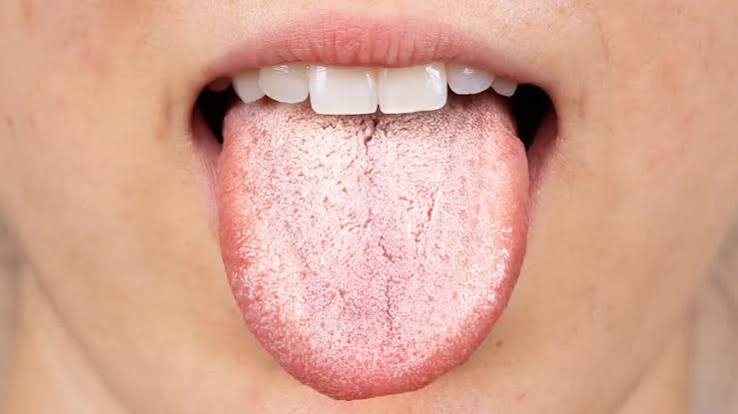
Dry Mouth and High Blood Sugar: Causes and Care
The connection between dry mouth and high blood sugar is both a symptom and a risk multiplier — a signal that blood glucose is elevated, and simultaneously a condition that worsens the oral health complications that elevated glucose promotes. Dry mouth, clinically called xerostomia, is experienced by a substantial proportion of people with poorly controlled diabetes, and it is not merely an uncomfortable inconvenience: it disrupts the protective functions that saliva normally performs in the mouth, accelerating tooth decay, increasing the risk of oral infections including thrush and periodontal disease, and impairing the ability to eat, speak, and taste normally. Understanding why high blood sugar causes dry mouth, what it means for oral health, and how to address it effectively requires understanding saliva’s role in oral biology — and why its reduction matters so much beyond simple discomfort. For anyone experiencing persistent dry mouth alongside other symptoms like thirst, urination changes, or fatigue, reviewing the early signs of high blood sugar provides context for whether these symptoms form a pattern worth evaluating.
How High Blood Sugar Causes Dry Mouth
Several mechanisms link elevated blood glucose to reduced saliva production and dry mouth, and they often operate simultaneously in people with poorly controlled diabetes.
Osmotic dehydration and fluid loss: The most direct mechanism is the systemic dehydration that accompanies hyperglycemia. When blood glucose exceeds the renal threshold (approximately 180 mg/dL), glucose begins spilling into the urine, bringing water with it through osmotic diuresis. This produces the large urine volumes and frequent urination characteristic of uncontrolled diabetes, and it depletes total body water. With reduced fluid volume, all fluid-secreting tissues — including the salivary glands — produce less fluid. Saliva is approximately 99 percent water, and when systemic hydration falls, salivary output falls with it. This mechanism is the same one responsible for the extreme thirst described in our guide on excessive thirst and diabetes — the body is losing fluid faster than it can replace it, and dry mouth is one of the first places this dehydration becomes perceptible. To understand how the body controls blood sugar under normal conditions, saliva production is not normally affected — it is the abnormal elevation of blood glucose above the renal threshold that triggers this cascade.
Direct salivary gland dysfunction: Beyond systemic dehydration, high blood glucose appears to directly impair salivary gland function. The parotid glands — the largest of the three major salivary gland pairs — show structural and functional changes in people with diabetes, including enlarged gland tissue (sialosis or diabetic sialoadenosis) and impaired acinar cell function. The mechanism involves advanced glycation end-products (AGEs) accumulating in salivary gland tissue, autonomic neuropathy affecting the neural control of salivary secretion, and oxidative stress disrupting secretory cell metabolism. These changes reduce the volume of saliva produced and alter its composition — the concentration of salivary proteins, enzymes, and electrolytes changes in ways that further impair saliva’s protective functions even beyond the volume reduction.
Medication effects: Many medications commonly used in diabetes management contribute to dry mouth as a side effect, compounding the metabolic causes. Metformin occasionally causes dry mouth, though this is relatively uncommon. ACE inhibitors, commonly used in diabetes for blood pressure control and kidney protection, can cause dry mouth. Diuretics, often prescribed for blood pressure or heart failure in diabetic patients, increase fluid loss and reduce salivary output. Tricyclic antidepressants, used sometimes for neuropathic pain in diabetes, are among the most potent causes of medication-related dry mouth through their anticholinergic effects on salivary gland secretion. Reviewing all medications with a healthcare provider is an important step in evaluating dry mouth, because medication-related causes may be modifiable through dose adjustment or substitution.
Autonomic neuropathy: Diabetes can damage the autonomic nerves that control salivary gland secretion, just as it damages the autonomic nerves controlling other involuntary functions. Salivary flow is under parasympathetic control — stimulation of the parasympathetic nerves that innervate the salivary glands triggers saliva production. When these nerve fibers are damaged by years of elevated blood glucose, salivary secretion may be blunted even when the salivary glands themselves are structurally intact. This autonomic-neuropathy-driven dry mouth is more common in people with longer-standing diabetes and poorer glucose control, and it may be less reversible than the dehydration-related dry mouth that occurs in acute hyperglycemia.
- Prevalence: Dry mouth affects 40–76% of people with diabetes in various studies, far higher than general population rates
- Mechanisms: Osmotic dehydration, salivary gland dysfunction, autonomic neuropathy, and medication effects — often all operating together
- Oral infection risk: Reduced saliva plus elevated oral glucose creates ideal conditions for Candida (thrush) and periodontal bacteria
- Tooth decay acceleration: Less saliva means less buffering of acid, less antibacterial enzymes, and less remineralization of enamel
- Bidirectional relationship: Periodontal disease worsens blood glucose control, creating a cycle that requires treatment of both
- Reversibility: Dehydration-driven dry mouth reverses quickly with glucose normalization; neuropathy-driven cases are less reversible
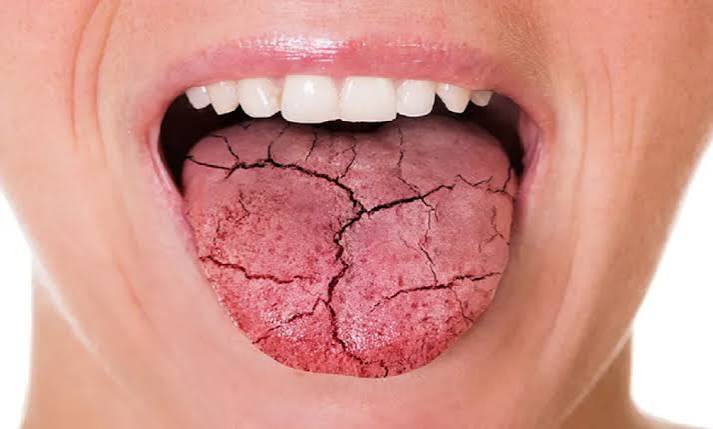
Why Saliva Matters: The Protective Functions That Dry Mouth Disrupts
To appreciate why dry mouth is more than a nuisance in the context of high blood sugar, it helps to understand the multiple protective functions saliva performs in the mouth — all of which are impaired when saliva production falls.
Mechanical cleansing: Saliva constantly bathes the surfaces of teeth, gums, and the mucous membranes of the mouth, mechanically washing away food debris and bacteria. With adequate saliva flow, food particles and bacteria are swept from tooth surfaces and swallowed before they can cause significant damage. With dry mouth, this mechanical cleansing is impaired, and food debris and bacteria accumulate on tooth surfaces for longer periods, increasing the substrate available for acid-producing bacterial metabolism.
Acid buffering: Bacterial metabolism of dietary carbohydrates produces acid as a byproduct — specifically, Streptococcus mutans and related bacteria produce lactic acid that demineralizes tooth enamel, initiating cavity formation. Saliva contains bicarbonate and other buffering agents that neutralize this acid and restore the oral pH toward neutral after eating, giving enamel time to remineralize rather than continuing to be attacked. When saliva is reduced, acid produced by bacterial metabolism stays in contact with tooth enamel for longer and at higher concentrations, dramatically accelerating cavity formation. People with significant dry mouth can develop rampant dental decay that progresses far faster than typical cavity formation — sometimes affecting teeth that would normally be considered low-risk for decay.
Antibacterial proteins: Saliva contains numerous antimicrobial proteins — including lysozyme, lactoferrin, peroxidase enzymes, and secretory IgA — that suppress bacterial and fungal growth in the mouth. These proteins are part of the innate immune defense of the oral cavity, keeping bacterial and fungal populations within healthy limits and preventing overgrowth of pathogenic species. When saliva production falls, these antimicrobial defenses are reduced, creating conditions in which Candida albicans (the fungus responsible for oral thrush) can overgrow, and in which pathogenic periodontal bacteria can proliferate more aggressively in the gum pockets.
Remineralization: Saliva is supersaturated with calcium and phosphate ions — the minerals that constitute tooth enamel. This supersaturation means that saliva normally deposits mineral back into enamel that has been partially demineralized by acid, in a process called remineralization. This continuous cycle of demineralization during acid attacks and remineralization during periods of normal salivary contact is how teeth resist the constant bacterial acid production in the mouth. When saliva is reduced, remineralization cannot keep pace with demineralization, and enamel is progressively lost — contributing to the high cavity rates seen in people with persistent dry mouth.
Oral Infections Linked to High Blood Sugar and Dry Mouth
The combination of reduced saliva (with its antimicrobial proteins), elevated glucose in oral fluids (which feeds bacterial and fungal growth), and often-impaired systemic immune response (a consequence of chronic hyperglycemia) creates an oral environment that is highly susceptible to infection. Two oral infections are particularly associated with high blood sugar and dry mouth.
Oral candidiasis (thrush): Candida albicans, a yeast that colonizes the mouths of many healthy people without causing symptoms, proliferates aggressively when saliva’s antifungal defenses are reduced and oral glucose is elevated. Oral thrush in people with high blood sugar typically presents as creamy white patches on the tongue, inner cheeks, or throat that can be wiped away but leave a red, sometimes bleeding surface underneath. It may cause burning, discomfort with eating, or altered taste. Thrush is particularly common in people with poorly controlled diabetes, in those taking inhaled corticosteroids (common in asthma and COPD management), and in those taking broad-spectrum antibiotics (which disrupt the normal bacterial population that keeps Candida in check). Treatment with antifungal medications (nystatin or fluconazole) resolves the acute infection, but recurrence is common if blood glucose control does not improve — because the underlying conditions that enabled the overgrowth remain present. This bidirectional relationship is worth recognizing: both blood glucose and oral environment need to be addressed together.
Periodontal disease: The relationship between high blood sugar and periodontal disease is one of the most clinically important and well-documented connections in oral medicine. Periodontal disease — the spectrum from early gingivitis through advanced periodontitis — is driven by the accumulation of bacterial biofilm (plaque) below the gumline, where the bacteria trigger an inflammatory response that progressively destroys the connective tissue and bone that support teeth. High blood sugar worsens periodontal disease through multiple mechanisms: elevated glucose in gingival crevicular fluid (the fluid in the pocket between tooth and gum) feeds pathogenic periodontal bacteria; impaired neutrophil function reduces the local immune defense against these bacteria; AGEs in periodontal tissues reduce the ability of cells to repair inflammation-damaged connective tissue; and reduced saliva limits mechanical cleansing at the gumline. People with poorly controlled diabetes have higher rates of periodontal disease, more severe disease progression, and poorer response to periodontal treatment — and crucially, active periodontal disease worsens blood glucose control by generating systemic inflammation that promotes insulin resistance. This bidirectional relationship means that treating periodontal disease can improve A1C levels, and that improving blood glucose control can improve periodontal disease outcomes — the two conditions reinforce each other and ideally are managed in coordination between a diabetes care team and a dentist or periodontist. For context on long-term consequences of blood sugar elevation, our guide on why blood sugar matters for long-term health covers the full spectrum of complications that poorly controlled glucose produces.
Managing Dry Mouth When Blood Sugar Is High
Managing dry mouth in the context of high blood sugar requires addressing both the underlying glucose elevation and the immediate oral symptoms — because neither approach alone is sufficient when both the metabolic cause and the structural consequences of dry mouth are present.
Improving blood glucose control: The most effective intervention for glucose-related dry mouth is improving blood sugar management. Dehydration-driven dry mouth typically resolves quickly when blood glucose is normalized below the renal threshold and osmotic diuresis stops — the body rehydrates, saliva production recovers, and the mouth returns to normal moisture levels within days of sustained glucose improvement. Longer-standing dry mouth driven by salivary gland structural changes or autonomic neuropathy may not fully resolve even with excellent glucose control, but preventing further deterioration requires maintaining good control. Tracking blood glucose improvement with an A1C test provides a reliable measure of whether glucose management is improving enough to reduce its oral impact, and using a home glucose meter as described in our guide on home blood sugar monitoring helps identify the patterns of glucose elevation that are driving the dehydration.
Hydration: Increasing fluid intake throughout the day directly addresses the dehydration component of high-blood-sugar dry mouth. Water is the best choice — it rehydrates without adding glucose. Sipping water frequently throughout the day, and keeping a water bottle at hand, helps maintain salivary flow more consistently than large infrequent drinks. Avoid caffeinated beverages and alcohol, both of which have diuretic effects that compound the fluid losses already occurring from osmotic diuresis in hyperglycemia.
Saliva substitutes and stimulants: Over-the-counter saliva substitutes (artificial saliva sprays, gels, and lozenges) provide temporary moisture relief and may contain some of the proteins and minerals that natural saliva contains, though they do not fully replicate all of saliva’s protective functions. Saliva stimulants — including sugar-free xylitol gum and xylitol candies — stimulate natural saliva production through the chewing and sweet-taste reflexes while providing the additional benefit of xylitol’s antibacterial properties (xylitol is not metabolized by Streptococcus mutans, so it reduces the acid-producing bacterial load while stimulating saliva). Prescription saliva stimulants (pilocarpine, cevimeline) may be prescribed for severe dry mouth when over-the-counter approaches are insufficient.
Dental hygiene intensification: People with dry mouth from high blood sugar need more rigorous dental care than those with normal salivary flow, because the protective mechanisms that normally compensate for less-than-perfect brushing are impaired. Brush with fluoride toothpaste twice daily, floss daily, and consider a fluoride mouth rinse used at a different time from brushing to maximize enamel remineralization. Professional dental cleaning every six months (or more frequently for those with active periodontal disease) removes calculus (hardened plaque) from below the gumline that brushing and flossing cannot reach. Regular dental evaluation allows early detection of cavities and periodontal changes before they progress to more serious disease — particularly important for people with diabetes whose tissue repair capacity is impaired and whose oral infections can progress more rapidly than in people without elevated blood sugar.
Taste Changes and Swallowing Difficulties With Dry Mouth
Beyond the increased infection risk and dental consequences, dry mouth in high blood sugar produces practical daily quality-of-life impacts that are often underappreciated clinically but significantly affect how people with diabetes experience eating, drinking, and speaking.
Altered taste (dysgeusia): Saliva is essential for taste perception — taste receptors on the tongue require dissolved molecules in a fluid medium to detect flavors. When the mouth is dry, food molecules are not adequately dissolved and distributed across the taste receptor fields, reducing the intensity and accuracy of flavor perception. Many people with diabetes-related dry mouth report that food tastes bland, metallic, or differently flavored than they expect — a phenomenon that can reduce appetite and make the dietary adjustments needed for blood glucose management more challenging. If food is less palatable because dry mouth has diminished taste, adhering to a diet that supports good glucose control becomes harder, creating another indirect way in which dry mouth compounds blood sugar management difficulty.
Difficulty chewing and swallowing (dysphagia): Saliva is the lubricant that makes chewing and swallowing possible — it moistens food particles, binds them into a bolus, and lubricates the passage of food from mouth to esophagus. Without adequate saliva, dry foods — crackers, bread, meat, rice — become difficult to chew into a smooth bolus and difficult to swallow. People with significant dry mouth commonly report needing to drink water with every bite of food to enable swallowing, preferring soft or liquid foods to avoid the discomfort of dry food in a dry mouth, and occasionally experiencing food sticking in the throat. These swallowing difficulties can limit food choices in ways that make balanced nutrition harder to achieve — another underappreciated way that dry mouth can affect overall diabetes management.
Difficulty speaking: Adequate saliva lubricates the tongue, lips, and cheeks as they move during speech. With severe dry mouth, the lips may stick together, the tongue may feel thick or sticky against the palate, and extended speaking may become uncomfortable. This can affect social and professional functioning and is a source of significant distress for people with long-standing severe dry mouth — a symptom often normalized or not mentioned to healthcare providers because it seems too mundane compared to glucose-related concerns, but one that has real impact on daily quality of life.
Dry Mouth at Night: The Sleep Disruption Factor
Nighttime dry mouth presents a specific management challenge and is more common in people with high blood sugar than is often recognized. Saliva production normally decreases during sleep — this is why “morning mouth” is universal and why the mouth feels drier on waking than during the day. In people with high blood sugar who already have reduced daytime saliva production, the further reduction during sleep can produce severe dryness, disruption of sleep by dryness discomfort, and accelerated dental damage from prolonged low-saliva contact with tooth surfaces overnight.
Mouth breathing during sleep — whether from nasal congestion, sleep-disordered breathing, or habit — dramatically worsens nighttime dry mouth by evaporating oral moisture through expired air. Sleep apnea is more prevalent in people with diabetes (particularly those who are overweight or obese), and the characteristic mouth breathing of sleep apnea produces severe nighttime dry mouth that is separate from the glucose-related mechanisms described above. People with both diabetes and dry mouth should be evaluated for sleep apnea, both because treatment (CPAP therapy) reduces mouth breathing and the associated dry mouth, and because untreated sleep apnea independently worsens insulin resistance and blood glucose control through its effects on cortisol and other stress hormones. The glucose-sleep-apnea connection is another example of the way diabetes complications interact with each other, each worsening the others, in ways that benefit from comprehensive rather than isolated management.
For nighttime dry mouth, practical measures include: using a bedroom humidifier to increase ambient air moisture; applying a saliva gel or artificial saliva product just before sleep to provide lubrication through the early hours of sleep; using a nasal saline spray before bed to reduce nasal congestion and mouth breathing; avoiding alcohol before bed (which dries out oral mucosa); and ensuring adequate hydration during the day so the body enters sleep in a better-hydrated state. Nasal breathing during sleep — achievable for many people through nasal strips or addressing underlying nasal obstruction — dramatically reduces nighttime oral drying compared to mouth breathing. These measures, combined with blood glucose improvement and the oral hygiene intensification described above, provide the most comprehensive approach to managing the dry mouth that high blood sugar and diabetes produce. For the full context of how blood sugar elevation affects the body systemically — including its effects on fluid balance, vascular health, and immune function — our guide on what blood sugar is and why it matters long-term provide essential background for understanding why oral symptoms like dry mouth are worth taking seriously as signals of metabolic health. And for those who are experiencing dry mouth alongside other blood sugar symptoms and have not yet been evaluated for diabetes or prediabetes, our guide on diabetes risk factors helps identify who is at highest risk and should prioritize testing. Dry mouth in isolation is a common symptom with many causes; dry mouth in the context of thirst, frequent urination, fatigue, and blurry vision is a clinically significant cluster that warrants blood glucose evaluation without delay.
Sources: American Diabetes Association. Standards of Medical Care in Diabetes — 2024. Diabetes Care. 2024;47(Suppl 1):S20–S42. • Lamster IB, et al. The Relationship Between Oral Health and Diabetes Mellitus. CNS Drugs. 2013;27(Suppl 1):S13–S21. • National Institute of Dental and Craniofacial Research. Dry Mouth: Overview and Management. NIDCR; 2023.
Came across this while researching dry mouth and high blood sugar: for a family member. The practical tips made this immediately actionable, not just theoretical. This gave me real confidence going into my next specialist appointment.
I never fully understood dry mouth and high blood sugar: until I read this. This is the kind of evidence-based writing that actually changes how people approach their health. Exactly the kind of evidence-based information that is hard to find in one place.
My doctor recommended I look into dry mouth and high blood sugar: and this article covered it perfectly. I especially valued the explanation of why these recommendations exist, not just what they are. Thank you for making complex medical information accessible without dumbing it down.