
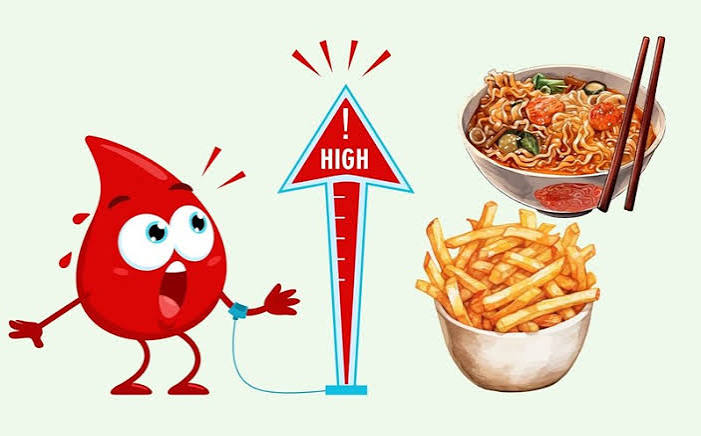
Increased Hunger and Blood Sugar: Why It Happens
The link between increased hunger and blood sugar is one of the defining paradoxes of diabetes: eating more food raises blood glucose further without satisfying hunger, because the fundamental problem is not a shortage of glucose in the blood but rather the cells’ inability to use it. Understanding why blood sugar problems produce relentless hunger — clinically called polyphagia — requires understanding the role of insulin not just as a blood glucose regulator but as a satiety signal, a cellular fuel delivery system, and a hormone whose absence or ineffectiveness sets off a cascade of metabolic consequences that keep the hunger signal activated even when blood glucose is dangerously high. For anyone experiencing persistent, unexplained hunger — particularly alongside thirst, frequent urination, fatigue, or unexpected weight changes — understanding the early signs of high blood sugar provides the context needed to recognize whether these symptoms reflect a blood glucose problem worth evaluating.
The Mechanism: Why Diabetes Causes Persistent Hunger
Under normal metabolic conditions, eating a meal raises blood glucose, which stimulates insulin secretion from the pancreas. Insulin then enables glucose to enter cells — muscle cells, fat cells, liver cells, and others — where it is used for energy or stored as glycogen or fat. As glucose enters cells and blood glucose normalizes, multiple satiety signals are activated: insulin itself suppresses appetite through its action on the hypothalamus; the gut hormone GLP-1 (glucagon-like peptide-1) is released in response to nutrient absorption and signals fullness to the brain; leptin from fat cells communicates the body’s long-term energy reserves; and ghrelin — the primary hunger hormone — falls after eating as the stomach fills and nutrients are absorbed. The result is a reliable cycle of hunger, eating, satiety, and cessation of hunger that maintains energy balance and prevents overconsumption. To understand how the body controls blood sugar normally, this meal-insulin-satiety cycle is central to metabolic regulation.
In diabetes — particularly Type 1 and significantly insulin-deficient Type 2 — this cycle breaks at the cellular delivery step. Insulin is either absent (Type 1) or insufficient (Type 2 with beta cell failure) or fails to activate its cellular receptors adequately (insulin resistance). Glucose from the meal enters the bloodstream normally, raising blood glucose. But without effective insulin signaling, glucose cannot enter cells in adequate amounts. The cells remain in an energy-deficient state despite the abundance of glucose circulating just outside them — the same cellular starvation paradox that drives the unexplained weight loss and diabetes connection.
Crucially, the satiety signals that depend on cellular glucose uptake and insulin action also fail. The hypothalamus does not receive the normal post-meal suppression of hunger signals. Ghrelin levels do not fall appropriately. The brain interprets the cellular energy deficit as a state of starvation — because from the cells’ perspective, that is exactly what it is — and maintains the hunger drive in response. The person continues to feel hungry, eats more food, which raises blood glucose further, but again fails to satisfy cellular energy needs or trigger appropriate satiety. The result is the persistent, sometimes extreme hunger that characterizes uncontrolled diabetes — a hunger that is real, physiologically driven, and not resolved by willpower or eating smaller portions.
Polyphagia: Hunger as a Diabetes Symptom
The clinical term for the excessive hunger of uncontrolled diabetes is polyphagia — from the Greek for “eating much.” It is part of the classic triad of diabetes symptoms alongside polydipsia (excessive thirst) and polyuria (excessive urination), and its presence alongside the other two should immediately raise clinical suspicion for significantly elevated blood glucose. In practice, polyphagia is somewhat less consistently present than polydipsia and polyuria in Type 2 diabetes, because the partial insulin deficiency of Type 2 allows more cellular glucose delivery than the absolute insulin deficiency of Type 1 — but in uncontrolled diabetes of either type, and particularly in newly presenting Type 1, the hunger can be dramatic and disorienting. For context on the full symptom picture in each condition, our guides on symptoms of Type 1 diabetes and symptoms of Type 2 diabetes provide detailed profiles of what each presentation typically includes.
Polyphagia in diabetes has a distinctive quality that differs from ordinary hunger: it is not well resolved by eating. A normal person who is hungry eats, and the hunger dissipates within twenty to thirty minutes as glucose enters cells and satiety signals activate. A person with significant insulin deficiency may eat a full meal and find that hunger returns within an hour or two, or never fully resolves, because the satiety signals that depend on cellular glucose uptake are not being activated. This “hunger that food doesn’t satisfy” is a characteristic feature that, when recognized, points specifically toward a cellular fuel delivery problem rather than simple caloric insufficiency.
The coexistence of polyphagia with weight loss — eating more, losing weight — is particularly diagnostically significant. In most contexts, eating more causes weight gain. When eating more is accompanied by weight loss, it signals that the caloric content of food is being lost faster than it is being consumed, which in diabetes reflects both urinary glucose excretion and the catabolism of fat and muscle stores to meet cellular energy needs. This combination — increased hunger, increased eating, and weight loss simultaneously — strongly suggests significant insulin deficiency and warrants prompt evaluation for Type 1 diabetes or severely decompensated Type 2.
- Polyphagia: Clinical term for excessive, persistent hunger in diabetes — part of the classic diagnostic triad
- Root cause: Cellular glucose starvation despite high blood sugar — cells signal hunger because they are energy-deprived
- Diagnostic flag: Hunger that food doesn’t satisfy, especially alongside thirst, urination, and weight changes
- In Type 1: Hunger may be extreme, accompanied by weight loss — a combination that demands same-day or urgent evaluation
- In Type 2: Hunger often more subtle — driven partly by insulin resistance and hyperinsulinemia affecting appetite hormones
- After treatment: Hunger normalizes quickly when glucose control improves and cellular energy delivery is restored
Hunger in Type 2 Diabetes: The Insulin Resistance Mechanism
In Type 2 diabetes, the hunger mechanism has an additional layer of complexity beyond simple insulin deficiency. In the early stages of Type 2 diabetes and in prediabetes — when insulin resistance is developing but beta cells are still compensating by overproducing insulin — elevated insulin levels (hyperinsulinemia) can paradoxically contribute to increased hunger through several mechanisms.
First, elevated insulin promotes fat storage and inhibits fat breakdown, which in the context of insulin resistance means the body prioritizes storing energy in fat cells even when those fat cells are already abundant and the person is overweight. This diverts calories toward storage rather than cellular energy use, creating a relative cellular energy deficit that maintains hunger signals even in the context of caloric surplus. Second, insulin resistance in the hypothalamus specifically — not just in peripheral tissues — impairs the brain’s ability to receive and respond to insulin’s satiety signal, meaning the normal post-meal appetite suppression that insulin provides is blunted. Third, the blood glucose patterns of insulin resistance — characterized by post-meal blood glucose spikes followed by rapid drops as the overproduced insulin eventually drives glucose too low (reactive hypoglycemia) — create recurring episodes of low or falling blood glucose that reliably trigger hunger.
This pattern means that people in the early stages of Type 2 diabetes or prediabetes may experience persistent hunger and carbohydrate cravings not because they are eating too little, but because their insulin and glucose regulation is disrupted in ways that keep hunger signals activated even in the context of caloric excess. The result is a self-reinforcing cycle: hunger drives eating, eating raises blood glucose and insulin, insulin resistance means the blood glucose is not effectively cleared, and the cellular energy deficit from poor glucose uptake maintains the hunger signal. Understanding what prediabetes is and how insulin resistance develops helps explain why increased appetite is often an early feature of metabolic dysfunction — appearing years before the overt blood glucose elevation that leads to a formal diabetes diagnosis.
Hunger After Meals: Post-Meal Blood Sugar and Appetite
One of the most practically important aspects of the increased hunger and blood sugar relationship is how post-meal blood glucose patterns affect appetite in the hours following eating. In people with good glucose regulation, blood glucose rises modestly after a meal (typically to 120–140 mg/dL), peaks within one to two hours, and returns to baseline within two to three hours — a pattern that corresponds to a period of appropriate satiety followed by a gradual return of appetite as glucose falls to the fasting range. Understanding what normal blood sugar looks like across the day provides the reference point for recognizing when this pattern is disrupted.
In insulin resistance and Type 2 diabetes, several disruptions to this pattern affect hunger: blood glucose may rise higher after the same meal (reflecting impaired insulin-mediated glucose uptake), may stay elevated longer (because the impaired insulin response prolongs the hyperglycemic period), or may drop too rapidly from a high peak as a delayed but excessive insulin response drives glucose into the low-normal or hypoglycemic range. The rapid fall from a high peak — even when glucose levels are still technically in the normal range — reliably stimulates hunger because the hypothalamus responds to the rate of glucose fall as well as absolute glucose level: a rapid drop from 180 to 90 mg/dL triggers hunger signals that a stable 90 mg/dL does not.
This “post-meal hunger rebound” explains why some people with insulin resistance feel hungry again one to two hours after eating a high-glycemic meal — the rapid glucose spike followed by a rapid fall mimics the blood glucose dynamics of hypoglycemia, triggering the same hunger drive that true low blood sugar would produce. Monitoring post-meal blood glucose with a home glucose meter provides direct insight into this pattern — our guide on home blood sugar monitoring covers when to test, what values mean, and how to use the data to understand individual glucose responses to different foods and meal compositions.
When Increased Hunger Warrants Medical Evaluation
Increased hunger that is persistent, unusual in its intensity, or accompanied by other symptoms should prompt medical evaluation rather than simply dietary adjustment. The following combinations are particularly important to evaluate:
Hunger with weight loss: As described above, the coexistence of increased appetite with weight loss is a clinical red flag for significant insulin deficiency, particularly in younger people or those without a prior diabetes diagnosis. This combination warrants prompt evaluation — within days to a week — with a fasting glucose and A1C at minimum.
Hunger with thirst and frequent urination: The classic triad of polyphagia, polydipsia, and polyuria together represent the hallmark presentation of uncontrolled diabetes. When all three are present, evaluation is urgent — the same day or the next morning, with home glucose testing if available while awaiting a clinical appointment. Our guides on excessive thirst and diabetes and frequent urination and blood sugar describe the mechanisms behind each component of this triad.
New hunger in a person with known diabetes: A significant change in appetite in someone already diagnosed with diabetes — particularly if it represents a return of hunger after a period of good control — may signal worsening glycemic control, a change in medication effectiveness, or the development of a complication affecting appetite regulation. This warrants contact with a diabetes care team rather than management in isolation.
Persistent carbohydrate craving with fatigue: The combination of strong carbohydrate craving (driven by falling or unstable blood glucose) with fatigue (from cellular energy deficiency) is a common early presentation of insulin resistance that often precedes a formal diabetes diagnosis by years. While less urgent than the acute presentations above, it warrants evaluation that includes fasting glucose, A1C, and consideration of a glucose tolerance test — the most sensitive test for detecting the post-meal glucose abnormalities of early insulin resistance that fasting glucose alone may miss. For those with family history or other diabetes risk factors, the combination of these symptoms provides additional motivation for proactive evaluation even when fasting glucose is still in the normal range.
Leptin, Ghrelin, and the Hunger Hormones in Diabetes
Beyond insulin’s direct satiety effects, diabetes disrupts the broader hormonal network that regulates appetite — a network centered on leptin and ghrelin, two hormones whose balance determines the long-term setpoint of hunger and fullness.
Leptin, produced by fat cells, serves as the body’s long-term energy reserve gauge. Higher fat stores produce more leptin; the brain reads elevated leptin as a signal that energy stores are sufficient and reduces appetite accordingly. In a healthy metabolic state, this leptin signal reliably suppresses appetite as body fat increases, creating a negative feedback loop that prevents unlimited fat accumulation. However, in obesity and Type 2 diabetes — which frequently coexist — a phenomenon called leptin resistance develops: fat cells produce ample leptin, but the hypothalamus fails to respond appropriately to the leptin signal. The brain, not receiving the “energy stores are full” message that leptin should convey, continues to generate hunger drive as if leptin levels were low. This leptin resistance is a major contributor to the persistent hunger and difficulty achieving sustained satiety that characterizes obesity-related Type 2 diabetes, and it operates independently of blood glucose levels — meaning that improving glucose control alone does not automatically resolve the leptin-resistance-driven hunger.
Ghrelin, produced primarily by the stomach, is the principal hormone that initiates hunger. Ghrelin levels rise before meals and fall after eating — it is the biological signal that you are hungry and need to eat. In people with good insulin sensitivity, a meal effectively suppresses ghrelin for several hours. In insulin resistance and Type 2 diabetes, the ghrelin suppression after meals is blunted and shorter-lasting — the stomach returns to secreting hunger-stimulating ghrelin sooner after a meal than it should, contributing to the pattern of hunger returning too quickly after eating. Interestingly, this dysregulation of ghrelin suppression may be one reason why the GLP-1 receptor agonist medications (such as semaglutide and liraglutide) are so effective at reducing appetite in diabetes and obesity: they powerfully suppress ghrelin while enhancing the satiety signals that insulin resistance has blunted, directly addressing the hormonal mechanisms that maintain inappropriate hunger.
Glycemic Index, Food Choices, and Hunger Management in Diabetes
Understanding the connection between food choices, blood glucose patterns, and hunger is one of the most practically actionable aspects of managing the increased hunger and blood sugar relationship. The glycemic index (GI) of foods — a measure of how rapidly they raise blood glucose after eating — has a direct bearing on post-meal hunger patterns, and the evidence for lower-GI dietary approaches in diabetes management includes benefits beyond glucose control that extend to appetite regulation and satiety.
High-glycemic foods (white bread, refined starches, sweetened beverages, many processed foods) produce rapid, high blood glucose spikes followed by rapid glucose falls, as described in the post-meal blood glucose section above. This spike-and-fall pattern reliably triggers hunger within one to two hours after eating — even when the total caloric content of the meal was adequate. The rapid fall in blood glucose, even from a high starting point, activates the hypothalamic hunger response as effectively as true hypoglycemia, creating a pattern of eating, brief satisfaction, and early return of hunger that drives excess caloric intake and worsening glucose control.
Lower-glycemic foods — those with significant fiber content (vegetables, legumes, whole grains), protein, and healthy fat — produce slower, more modest blood glucose rises and more prolonged satiety. The fiber in vegetables and whole grains slows glucose absorption, flattening the glucose curve and avoiding the spike-and-crash pattern. Protein stimulates insulin secretion and GLP-1 release (which prolongs satiety) without producing a glucose spike. Fat slows gastric emptying, reducing the speed at which carbohydrates enter the bloodstream. The combination of these macronutrient effects makes a lower-glycemic meal pattern a useful practical tool for reducing the post-meal hunger rebound that high-glycemic eating patterns produce. Checking blood glucose after different meals with a home glucose meter — as described in our guide on home blood sugar monitoring — makes this pattern directly visible, allowing personalized identification of which specific foods produce the largest spikes and most pronounced hunger rebounds for an individual. What raises blood glucose significantly varies between people, and personal data is more useful than generalized glycemic index tables for guiding food choices.
Hunger After Treating Hypoglycemia: A Special Case
People using insulin or certain oral diabetes medications (particularly sulfonylureas) are at risk of hypoglycemia — blood glucose falling below 70 mg/dL — which produces a powerful, often overwhelming hunger drive as the brain reacts to the energy crisis of inadequate glucose supply. This hunger is one of the most intense and distinctive experiences in diabetes management: it is difficult to ignore, often accompanied by shakiness, sweating, anxiety, and difficulty concentrating, and demands immediate food intake. The blood sugar regulation article explains the physiological emergency that hypoglycemia represents and why the brain prioritizes correcting it so urgently.
The challenge of hypoglycemia-driven hunger is the risk of overcorrection: eating far more than is needed to correct the low blood glucose, because the hunger is so intense and the brain’s assessment of “how much is enough” is impaired during the hypoglycemic state. The standard recommendation — the “rule of 15” — is to treat hypoglycemia with exactly 15 grams of fast-acting carbohydrates (4 glucose tablets, 4 ounces of juice, 15 grams of glucose gel), wait 15 minutes, and recheck blood glucose before eating more. This measured approach prevents the overcorrection that produces post-hypoglycemia hyperglycemia — a “glucose rebound” cycle in which treatment of a low leads to a high, which may then require correction that risks another low.
After the hypoglycemia is treated and blood glucose has returned to the normal range, the hunger often persists beyond what the glucose level would predict — a phenomenon driven partly by the stress hormones (adrenaline, cortisol) released during hypoglycemia, which continue to affect appetite and glucose metabolism for one to two hours after glucose normalizes. Knowing that this post-hypoglycemia hunger is hormonally driven rather than a true reflection of ongoing glucose deficiency helps resist the urge to keep eating during the recovery period, when further eating is no longer needed but the appetite remains elevated. For people who experience frequent hypoglycemia and its associated hunger, medication adjustment with a diabetes care team is typically more effective than dietary strategies alone for breaking the hypoglycemia-hunger-overcorrection cycle. Understanding what diabetes is at a physiological level — including the role of counter-regulatory hormones in glucose emergencies — provides the context needed to make sense of these experiences and manage them effectively.
Distinguishing Diabetes Hunger From Other Causes of Increased Appetite
Increased hunger has many causes beyond diabetes, and the presence of polyphagia alone does not confirm a blood sugar problem. However, certain accompanying features make the diabetes etiology more likely and provide the clinical signals that guide evaluation priorities.
Hyperthyroidism is a common cause of increased hunger, often accompanied by weight loss, heat intolerance, rapid heart rate, and anxiety — symptoms that can overlap with some aspects of uncontrolled diabetes. A thyroid-stimulating hormone (TSH) test distinguishes thyroid-related hunger from blood sugar-related hunger quickly and inexpensively, and is typically included in any workup for unexplained increased appetite or weight loss.
Anxiety and depression frequently alter appetite — anxiety may suppress or increase appetite depending on the individual; depression can produce either increased or decreased appetite. When hunger changes are accompanied by mood symptoms, sleep disturbances, or energy changes that fit a psychiatric pattern, evaluation for mood disorders is appropriate alongside metabolic testing, as they are not mutually exclusive — depression and diabetes frequently coexist, with each worsening the other through both biological and behavioral mechanisms.
Certain medications increase appetite as a side effect — notably corticosteroids (which also raise blood glucose and can trigger steroid-induced diabetes), antidepressants in the tricyclic and SSRI classes, some antipsychotics, and antihistamines. When increased hunger coincides with a medication change, the medication is a likely contributor. Notably, corticosteroid-induced appetite increase and blood glucose elevation are related: the steroids raise glucose through multiple mechanisms and simultaneously drive appetite, creating a pattern that closely resembles diabetes and may, in susceptible individuals, trigger it. For context on the full range of risk factors for blood sugar problems, our guide on diabetes risk factors covers how medications, family history, and lifestyle factors combine to influence risk. And for those who wonder whether their hunger and blood sugar patterns reflect prediabetes — a state in which blood glucose is elevated but below the diabetes threshold — our guide on prediabetes symptoms and why testing matters explains what the early stage of metabolic dysfunction looks like and why catching it early changes outcomes.
Sources: American Diabetes Association. Standards of Medical Care in Diabetes — 2024. Diabetes Care. 2024;47(Suppl 1):S20–S42. • Schwartz MW, et al. Insulin Action and Brain Glucose Metabolism. Nature Reviews Neuroscience. 2017;18(12):701–714. • National Institute of Diabetes and Digestive and Kidney Diseases. Symptoms and Causes of Diabetes. NIDDK; 2023.
Really well-written article on increased hunger and blood sugar: why. The connection between lifestyle choices and long-term outcomes is explained clearly here. Exactly the kind of evidence-based information that is hard to find in one place.
Really well-written article on increased hunger and blood sugar: why. It is refreshing to see an article that acknowledges individual variation rather than one-size-fits-all advice. I wish I had found this article earlier — would have saved a lot of confusion.
Thank you for covering increased hunger and blood sugar: why so thoroughly without being overly technical. The specific numbers and thresholds mentioned are exactly what I needed to understand my results. This gave me real confidence going into my next specialist appointment.