

Unexplained Weight Loss and Diabetes: What It Means
The connection between unexplained weight loss and diabetes is one of the most biologically striking in metabolic medicine — and one that often prompts the medical evaluation that leads to a first diabetes diagnosis. Losing weight without intentionally trying to, and at a pace faster than lifestyle changes alone can explain, is the body’s distress signal that something is fundamentally wrong with how it is fueling itself. In diabetes, particularly Type 1 diabetes and advanced or newly presenting Type 2, this involuntary weight loss reflects a state of cellular starvation: the body cannot access the glucose it needs for fuel and begins breaking down its own fat and muscle tissue in a desperate attempt to generate energy from alternative sources. Understanding why diabetes causes weight loss — which muscles and fat depots are affected, how fast the process unfolds, and what accompanies it — provides both clinical insight and the urgency assessment needed to respond appropriately when unexplained weight loss occurs.
Why Diabetes Causes Weight Loss: The Cellular Starvation Paradox
The core paradox of diabetes-related weight loss is that it occurs in the presence of abundant blood glucose. Blood sugar may be 300, 400, or 500 mg/dL — far more glucose than the body needs — yet cells throughout the body are starving for fuel. The reason is the role of insulin as the essential gatekeeper of cellular glucose uptake. To understand how the body controls blood sugar normally, insulin acts as the signal that opens cell membrane glucose transporters, allowing glucose to enter cells for energy production, storage as glycogen, or conversion to fat. Without adequate insulin — or when cells become severely resistant to it — glucose circulates in the blood but cannot cross cell membranes in adequate amounts. The cells experience a state of energy deficiency despite the abundance of glucose just outside their walls.
When this cellular energy deficit becomes significant, the body activates the same emergency metabolic programs it would use during starvation: it increases gluconeogenesis (breaking down amino acids from muscle protein to make new glucose), accelerates lipolysis (breaking down stored body fat into fatty acids and glycerol for energy), and activates ketogenesis (converting fatty acids into ketone bodies that can fuel the brain when glucose is unavailable). All three processes simultaneously consume the body’s structural and energy reserves — muscle mass and fat stores — producing the rapid, involuntary weight loss that characterizes significant insulin deficiency.
The weight loss is genuinely involuntary and often paradoxically rapid: five, ten, fifteen, or more pounds over a period of days to weeks in severe cases of new-onset Type 1 diabetes. Even the food that is eaten provides little counterbalance — the glucose from meals enters the blood, raises blood sugar further, and is excreted in large amounts through osmotic diuresis into the urine, contributing to caloric loss on top of the internal catabolism of stored reserves. Some people with newly diagnosed Type 1 diabetes describe losing weight so rapidly and obviously that clothing stops fitting within weeks — a symptom cluster that makes its own diagnostic case when understood in context.
Weight Loss in Type 1 vs. Type 2 Diabetes
The pattern, speed, and clinical significance of weight loss differ substantially between Type 1 and Type 2 diabetes, reflecting the different degrees and mechanisms of insulin deficiency in each condition.
In Type 1 diabetes, insulin deficiency is typically absolute — the autoimmune destruction of beta cells has eliminated the pancreas’s ability to produce meaningful amounts of insulin. Without any insulin, the catabolism of fat and muscle proceeds without restraint. Weight loss in new-onset Type 1 diabetes can be dramatic: five to twenty or more pounds over a period of two to eight weeks, occurring alongside the classic triad of extreme thirst, frequent urination, and profound fatigue. In children and adolescents, growth impairment may accompany the weight loss. In adults, the combination of rapid weight loss with the other symptoms described in our guide on symptoms of Type 1 diabetes constitutes a clinical picture that demands immediate evaluation — it often heralds approaching diabetic ketoacidosis (DKA) if insulin is not promptly initiated.
In Type 2 diabetes, significant involuntary weight loss is less common, because residual insulin production usually prevents the extreme degree of cellular energy deficiency seen in Type 1. However, it does occur — particularly in people with Type 2 who develop significant beta cell failure over time, in those with an atypical presentation of LADA (latent autoimmune diabetes of adults, which may be misclassified as Type 2), or in those with very high blood glucose levels that produce substantial caloric loss through urinary glucose excretion. More commonly, the early weight picture in Type 2 diabetes involves weight gain — driven by hyperinsulinemia in the compensated phase — rather than loss, making unexplained weight loss in someone with Type 2 a signal that their metabolic situation has changed and warrants evaluation.
In both types, unexplained weight loss alongside other diabetes symptoms — thirst, urination, fatigue, blurry vision — should be evaluated urgently. Understanding the full spectrum of early signs of high blood sugar helps contextualize whether weight loss is part of a broader blood sugar symptom cluster that warrants same-day or same-week evaluation.
How Much Weight Loss Is Significant
In the context of diabetes evaluation, any unintentional weight loss of 5 percent or more of body weight over six to twelve months is clinically significant and warrants investigation, including blood glucose testing. In the context of the other diabetes symptoms — particularly when weight loss is rapid (more than 1 to 2 pounds per week without dietary change) and accompanied by thirst, urination, fatigue, or blurry vision — even smaller amounts of weight loss are worth evaluating promptly.
The clinical significance of unexplained weight loss extends beyond diabetes. It is also a potential symptom of cancer, hyperthyroidism, malabsorption syndromes, chronic infection, and other serious conditions. This breadth of potential causes means that unexplained weight loss should always prompt medical evaluation rather than reassurance — but it also means that blood glucose testing is a key early step in any workup for unexplained weight loss, both because diabetes is a common cause and because it is simple and inexpensive to test for. A fasting glucose test and A1C test can confirm or rule out diabetes as the cause within days, directing the evaluation toward or away from endocrine causes and informing the urgency of further workup.
- Type 1 onset: Rapid weight loss of 5–20+ lbs over days to weeks from total insulin deficiency
- Mechanism: Cells starve despite high blood glucose; body breaks down muscle and fat for fuel
- Caloric loss: Glucose spilled into urine represents real caloric loss — up to several hundred calories per day in severe hyperglycemia
- Clinical threshold: Loss of 5%+ body weight unintentionally over 6–12 months warrants evaluation
- Urgency: Rapid weight loss with thirst, urination, and fatigue — evaluate same day or next day
- In Type 2: Weight loss is less common than gain; its new appearance in known Type 2 diabetes signals a change in metabolic status
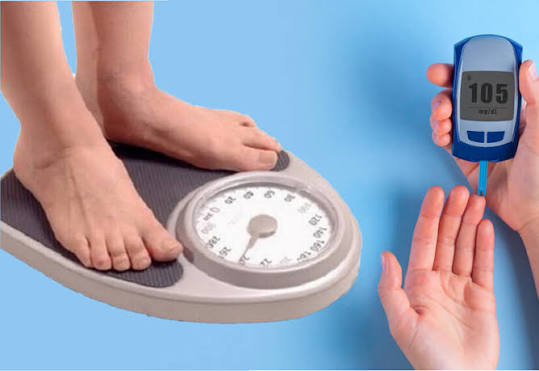
Muscle Loss: The Hidden Component of Diabetes Weight Loss
While fat loss is the most visible component of diabetes-related weight loss, muscle loss — technically termed sarcopenia when chronic and progressive, or acute muscle catabolism in the context of severe insulin deficiency — is equally important clinically. Muscle protein is a major substrate for gluconeogenesis: when the liver cannot maintain adequate glucose production from glycogen stores (which are rapidly depleted in insulin deficiency), it switches to converting amino acids from muscle protein into glucose. This process, called protein catabolism or proteolysis, progressively destroys muscle mass alongside fat stores during periods of significant insulin deficiency.
The muscle loss of diabetes-related weight loss has several practical consequences. Reduced muscle mass decreases resting metabolic rate, making subsequent weight gain easier and weight loss harder once the acute period resolves. It reduces physical strength and exercise capacity, contributing to the profound weakness and fatigue that accompanies acute insulin deficiency. And it impairs future glucose disposal, because skeletal muscle is the primary site of insulin-mediated glucose uptake — less muscle mass means reduced capacity to clear glucose from the blood after meals, creating a cycle that makes blood sugar control harder even after insulin treatment is initiated.
Recovery of muscle mass after insulin treatment is initiated is possible but takes time — weeks to months of adequate nutrition and physical activity to rebuild what was lost during the acute catabolic period. People who start insulin treatment for Type 1 diabetes commonly experience rapid weight regain in the first weeks of treatment as they restore glycogen stores and rehydrate, which can be surprising and alarming without the context of understanding what was lost. This “insulin weight gain” is not fat accumulation but rather the restoration of the glycogen, water, and lean tissue depleted during the catabolic period. For a comprehensive understanding of insulin’s role in metabolism, see our guide on insulin resistance and the body’s normal glucose regulatory mechanisms covered in how the body controls blood sugar.
When Unexplained Weight Loss Requires Emergency Evaluation
In most cases, unexplained weight loss is a symptom that warrants scheduled medical evaluation — concerning enough to discuss with a doctor within the next one to two weeks, but not a reason to go to an emergency room in the absence of other alarming signs. However, certain combinations of symptoms alongside unexplained weight loss require same-day or emergency evaluation because they may indicate diabetic ketoacidosis (DKA) developing.
Seek emergency care immediately if unexplained weight loss is accompanied by: nausea, vomiting, or abdominal pain; rapid or unusually deep breathing; a fruity or acetone-like smell to the breath; confusion, difficulty staying awake, or altered consciousness; or extreme weakness that prevents normal activity. These signs, combined with rapid weight loss and the classic triad of thirst, urination, and fatigue, describe DKA in progress — a life-threatening emergency requiring hospital treatment with intravenous insulin, fluids, and electrolyte replacement. In a child or young adult without a prior diabetes diagnosis who develops rapid weight loss with these accompanying symptoms over days to a week, DKA is the immediate concern and emergency evaluation is appropriate without delay.
For adults who have been losing weight gradually over weeks to months, without the acute emergency signs, scheduling a medical appointment within one to two weeks is appropriate — including a fasting glucose and A1C, thyroid function tests, and other investigations as guided by the full clinical picture. For people already diagnosed with diabetes who notice new unexplained weight loss, contacting their diabetes care team within days is appropriate, as new weight loss in established diabetes may indicate worsening glycemic control, the development of DKA risk, or an unrelated medical condition that needs investigation. See our guide on symptoms of type 2 diabetes and on diabetes risk factors for additional context on recognizing when symptoms warrant prompt versus routine evaluation. At home, tracking blood sugar with a glucose meter provides real-time data to guide the urgency of clinical contact — our guide on home blood sugar monitoring covers how to implement this effectively.
Weight Recovery After Diabetes Treatment
When insulin treatment is initiated for Type 1 diabetes — or when blood glucose control is achieved in Type 2 — the catabolism that drove involuntary weight loss stops almost immediately. Glucose can now enter cells, gluconeogenesis from muscle protein is no longer needed, and lipolysis decelerates as cells switch from crisis fuel generation to normal energy metabolism. Weight regain typically begins within days of starting insulin.
The pace of weight recovery reflects what was lost during the catabolic period. Glycogen stores in the liver and muscle (which hold water along with glucose) are restored first, producing rapid early weight gain — often two to five pounds in the first week — that reflects water retention along with glycogen restoration rather than fat accumulation. Fat recovery and muscle rebuilding follow over the subsequent weeks to months, at a rate determined by caloric intake, protein consumption, and physical activity. People who receive insulin therapy after significant weight loss commonly need nutritional counseling to ensure they are consuming adequate protein and calories to support muscle recovery alongside glucose management. The goal is not simply to regain weight but to restore lean tissue composition rather than disproportionately accumulating fat during the recovery period. Understanding what prediabetes and early metabolic changes look like helps identify blood sugar problems before they progress to the degree of insulin deficiency that produces dramatic weight loss — reinforcing the value of regular blood glucose testing as the most reliable early detection tool.
Urinary Glucose Loss: The Invisible Caloric Drain
One mechanism of diabetes-related weight loss that receives less attention than muscle and fat catabolism is the direct caloric loss through the urine. When blood glucose exceeds the renal threshold — approximately 180 mg/dL in most people, though this varies — the kidneys can no longer reabsorb all of the glucose filtered from the blood, and glucose begins spilling into the urine. This glycosuria (glucose in urine) represents a real, meaningful caloric loss: glucose that was absorbed from food and reached the bloodstream, but never entered cells for energy, is instead excreted. Each gram of glucose excreted carries approximately 4 calories with it — and in severe hyperglycemia, the amount of glucose lost this way can be substantial.
In people with very high blood glucose — 300, 400, or higher — urinary glucose excretion can represent a significant daily caloric drain. A person excreting 50–100 grams of glucose per day in urine (which is not unusual at these glucose levels) is losing 200–400 calories daily that never become available to their tissues. This caloric loss compounds the internal catabolism of fat and muscle, accelerating the net weight loss beyond what internal energy deficit alone would produce. It also contributes to the osmotic diuresis — the large volumes of urine produced — that characterizes uncontrolled diabetes and produces extreme thirst. The connection between thirst, frequent urination, and weight loss in diabetes is not coincidental: all three arise from the same underlying physiology of glucose exceeding the renal threshold. For the full picture of how these symptoms connect, our guide on frequent urination and blood sugar explains the osmotic mechanism in detail, and our guide on excessive thirst and diabetes covers the compensatory fluid drive that results.
After insulin treatment begins and blood glucose normalizes below the renal threshold, this caloric loss stops immediately. Glucose that previously spilled into the urine is now retained in the bloodstream and delivered into cells. This sudden restoration of caloric availability, combined with the restoration of glycogen stores and the cessation of gluconeogenesis, contributes to the rapid early weight gain that many people experience in the first days of insulin treatment — a paradox that makes physiological sense once the urinary caloric drain is understood.
Diagnosing the Cause of Unexplained Weight Loss
When a person presents with unexplained weight loss — or when unexplained weight loss occurs alongside other symptoms that suggest diabetes — the diagnostic evaluation follows a systematic path designed to identify both the cause of the weight loss and the underlying metabolic state.
Initial blood testing typically includes: a fasting plasma glucose (to directly measure blood glucose in the fasting state and identify hyperglycemia); a hemoglobin A1C (to assess average blood glucose over the preceding two to three months — a critical measure because it confirms whether the hyperglycemia is new or has been present for longer); a comprehensive metabolic panel (checking kidney function, liver function, and electrolytes — all of which may be affected by significant hyperglycemia or by the dehydration that accompanies it); and a thyroid-stimulating hormone (TSH) test, because hyperthyroidism is a common cause of unexplained weight loss that can coexist with or be confused with diabetes.
In younger patients or when the clinical picture suggests Type 1 diabetes, additional testing may include: C-peptide levels (which measure the residual insulin production of the pancreas — low C-peptide confirms significant beta cell failure consistent with Type 1); anti-glutamic acid decarboxylase (anti-GAD) antibodies and other islet autoantibodies (confirming the autoimmune nature of the beta cell destruction); and serum ketones or urine ketones (assessing whether the body is in a ketotic state, which indicates significant insulin deficiency). For an overview of all these testing approaches and what they mean, our guide on the A1C test explains how glucose measures translate to a picture of long-term metabolic control. Understanding what blood sugar is provides essential context for interpreting all of these tests and what the numbers mean for health.
If blood glucose testing is normal and diabetes is ruled out, the evaluation of unexplained weight loss continues along other diagnostic pathways: CT scanning to assess for malignancy; testing for inflammatory markers, chronic infection, or malabsorption; and psychiatric evaluation for conditions like depression, anxiety, or eating disorders that can produce unintentional weight loss. The scope of this workup reflects the clinical reality that unexplained weight loss is a symptom with a broad differential diagnosis — diabetes is often the right answer, but ruling out other causes when diabetes is not found is equally important.
Practical Steps if You Notice Unexplained Weight Loss
If you or someone you know is losing weight without trying — particularly if the weight loss is more than 5 pounds over a month without dietary change, or is accompanied by increased thirst, frequent urination, unusual fatigue, or blurry vision — the following practical steps can help organize both the immediate assessment and the pathway to evaluation:
Document the weight change. Weigh yourself at the same time each day (morning, before eating, after using the bathroom) and record it. A reliable trend over one to two weeks provides objective data for a medical evaluation that is more useful than a single measurement. Note when the weight loss started and whether it corresponds to any change in symptoms, appetite, or health.
Track associated symptoms. Write down any accompanying symptoms — thirst levels, urination frequency (counting trips to the bathroom overnight is a useful proxy), energy levels, vision changes, and any tingling or numbness. The combination of these symptoms with weight loss tells a diagnostic story that helps a clinician move quickly to the right tests. Our guide on early signs of high blood sugar provides a full catalogue of what to look for.
Use a home glucose meter if available. A fasting blood glucose measurement at home (first thing in the morning before eating) provides immediate, actionable information: if it is consistently above 126 mg/dL, that alone meets the diagnostic criteria for diabetes by the fasting glucose standard. A value consistently above 200 mg/dL at any time of day, with symptoms, also meets criteria. Home glucose testing can accelerate the recognition that a medical evaluation is urgent rather than routine. Our guide on home blood sugar monitoring covers how to perform and interpret these measurements reliably.
Contact a healthcare provider promptly. Given the breadth of serious conditions that can cause unexplained weight loss — and the specific urgency that applies when blood sugar problems are the cause — a medical evaluation should not be delayed for more than one to two weeks when unexplained weight loss is present. For people who also have the acute symptoms that may indicate DKA — nausea, vomiting, confusion, or rapid deep breathing alongside the weight loss and blood sugar symptoms — same-day emergency evaluation is the appropriate response without waiting for an appointment. Understanding the full picture of what diabetes is and what prediabetes means helps frame the range of possible diagnoses and why each requires a different urgency of response.
Sources: American Diabetes Association. Standards of Medical Care in Diabetes — 2024. Diabetes Care. 2024;47(Suppl 1):S20–S42. • Skyler JS, et al. Differentiation of Diabetes by Pathophysiology, Natural History, and Prognosis. Diabetes. 2017;66(2):241–255. • National Institute of Diabetes and Digestive and Kidney Diseases. Symptoms and Causes of Diabetes. NIDDK; 2023.
Really well-written article on unexplained weight loss and diabetes: what. It is refreshing to see an article that acknowledges individual variation rather than one-size-fits-all advice. Looking forward to reading more articles from this website.
This is one of the clearest explanations of unexplained weight loss and diabetes: what I have found. The section on managing this condition day-to-day was especially useful for planning. Keep up this kind of thorough health journalism — it genuinely helps patients like me.
My doctor recommended I look into unexplained weight loss and diabetes: what and this article covered it perfectly. The article answered questions I didn’t even know I had until I started reading. Appreciate the effort that went into researching and writing this — it shows.