
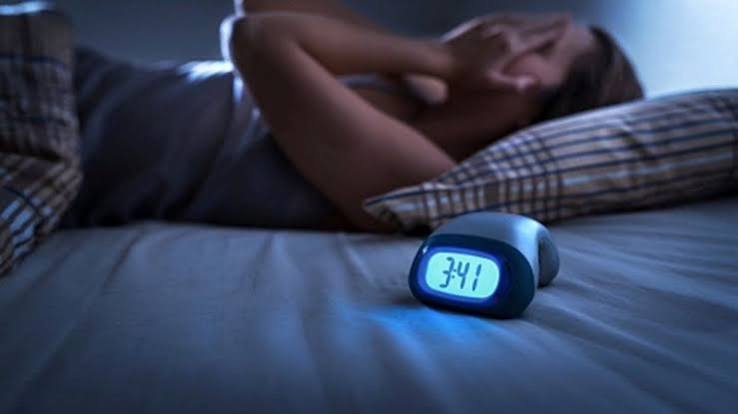
Most adults know that diet and exercise affect blood sugar. Fewer understand that diabetes and sleep are equally intertwined. Poor sleep raises blood sugar. High blood sugar disrupts sleep. This bidirectional relationship creates a cycle that worsens diabetes control and quality of life — and breaking it requires understanding both sides.
This guide explains how sleep affects blood sugar, how much sleep adults with diabetes need, why diabetes commonly disrupts sleep, and the specific strategies that improve sleep quality and glucose control simultaneously.

How Sleep Affects Blood Sugar
Even one night of poor sleep measurably raises blood sugar the following day. Multiple nights of inadequate sleep produce effects comparable to eating a high-carbohydrate diet or stopping exercise.
Cortisol and Insulin Resistance From Sleep Deprivation
Sleep deprivation raises cortisol — the primary stress hormone. Cortisol signals the liver to release stored glucose into the bloodstream. It simultaneously reduces insulin sensitivity in muscle and fat cells. The combined effect: blood sugar rises, and the insulin needed to clear it is less effective. A single night of 4–5 hours of sleep raises fasting cortisol by 37–45% compared to a full night of 7–9 hours.
This cortisol-driven glucose elevation is not trivial. Adults with Type 2 diabetes who averaged less than 6 hours of sleep per night showed A1C levels 1.0–1.2% higher than those sleeping 7–8 hours — even after controlling for diet, exercise, and medication adherence. The sleep gap contributed more to A1C than skipping exercise did in this cohort. Our blood sugar and exercise guide covers how cortisol from sleep deprivation competes with the insulin-sensitizing effects of exercise.
Growth Hormone and the Dawn Phenomenon
During deep sleep (slow-wave sleep), the body releases growth hormone. Growth hormone supports muscle repair and fat metabolism — but it also temporarily raises insulin resistance. In most adults, the pancreas compensates by producing more insulin overnight. But adults with diabetes who have reduced insulin production or strong insulin resistance cannot fully compensate. This produces the dawn phenomenon — a rise in fasting blood glucose in the early morning hours (3–8 AM) driven by overnight growth hormone release.
Poor sleep quality — specifically reduced slow-wave sleep — disrupts growth hormone timing and can worsen or prolong the dawn phenomenon. Adults who notice consistently high morning blood glucose should evaluate sleep quality alongside meal timing and medication. Our blood sugar log and tracking guide covers how to track morning glucose patterns to identify dawn phenomenon and distinguish it from overnight hypoglycemia rebound.
Sleep Duration and Ghrelin — Hunger Hormones and Food Choices
Short sleep raises ghrelin and lowers leptin. Ghrelin is the hunger hormone — elevated ghrelin increases appetite and specifically drives cravings for high-carbohydrate, high-fat foods. Leptin is the satiety hormone — reduced leptin means food intake continues beyond caloric need.
Adults who sleep 5–6 hours per night consume an average of 300–550 extra calories the following day compared to nights with 7–8 hours of sleep. They preferentially choose high-glycemic foods — sweets, bread, pasta, potato chips. This carbohydrate-heavy caloric excess further raises post-meal blood sugar on top of the cortisol-driven fasting glucose elevation. The hunger hormone disruption from short sleep is a primary mechanism connecting sleep deprivation to weight gain and worsening diabetes control over time.
How Diabetes Disrupts Sleep
The relationship runs in both directions. Just as poor sleep worsens blood sugar, uncontrolled blood sugar actively disrupts sleep — creating a cycle that must be addressed from both ends simultaneously.
Nocturia — Nighttime Urination From High Blood Sugar
When blood glucose rises above 180 mg/dL — the renal threshold — the kidneys begin excreting glucose into urine. Glucose in urine draws water with it, producing large volumes of urine. Adults with chronically elevated blood sugar urinate frequently — including at night. Nocturia (nighttime urination) is one of the most common causes of sleep disruption in adults with poorly controlled diabetes.
Even one nighttime bathroom trip significantly reduces sleep quality. It disrupts sleep architecture — the orderly cycling through light sleep, deep sleep, and REM sleep that makes sleep restorative. Adults woken by nocturia spend more time in light sleep and less in deep slow-wave sleep — exactly the sleep stage responsible for insulin sensitivity recovery and growth hormone regulation. Improving glucose control is the most effective treatment for diabetes-related nocturia. Adults who reduce A1C from above 8% to below 7% consistently report 50–80% reduction in nighttime urination. Our A1C testing schedule guide covers the testing frequency that tracks glucose improvement driving nocturia reduction.
Peripheral Neuropathy — Pain and Restless Legs
Diabetic peripheral neuropathy causes abnormal nerve signals in the feet and legs. These signals include burning pain, tingling, numbness, and — most relevant to sleep — the uncomfortable sensations of restless legs syndrome (RLS). Restless legs syndrome produces an irresistible urge to move the legs, typically worse in the evening and at night. It is significantly more common in adults with diabetes than in the general population.
Neuropathy-related sleep disruption is distinct from nocturia. It interrupts sleep through discomfort rather than bathroom urgency. Adults with both neuropathy pain and nocturia face compounding sleep disruption. Improving glucose control over months reduces neuropathy symptoms in many adults — but neuropathy pain established before glucose control improves may require separate treatment. Our diabetic neuropathy guide covers pain management strategies that can improve both sleep quality and quality of life for adults with diabetes-related nerve damage.
Nocturnal Hypoglycemia — Low Blood Sugar During Sleep
Adults using insulin or sulfonylurea medications may experience blood sugar falling below 70 mg/dL during sleep — nocturnal hypoglycemia. Mild nocturnal hypoglycemia often goes unrecognized. The body’s hormonal response (adrenaline release, glucagon secretion) partially corrects the glucose fall without fully waking the person. But this hormonal response disrupts sleep architecture — producing vivid dreams, night sweats, and restless, unrefreshing sleep.
Adults who consistently wake feeling unrefreshed, or who report night sweats without other cause, should discuss nocturnal hypoglycemia with a prescribing physician. A continuous glucose monitor worn overnight reveals nocturnal glucose patterns that cannot be detected with morning fingerstick testing alone. Our exercise and hypoglycemia prevention guide covers the late post-exercise hypoglycemia that is a specific cause of nocturnal glucose falls after evening workouts.
How Much Sleep Do Adults With Diabetes Need?
Adults with diabetes need the same amount of sleep as adults without diabetes — but the consequences of falling short are more severe for glucose control.
The 7–9 Hour Target
The CDC recommends 7–9 hours of sleep per night for adults aged 18–64, and 7–8 hours for adults aged 65 and older. For adults with diabetes, staying within this range is as important as medication adherence for glucose management. Studies consistently show the lowest A1C and best insulin sensitivity in adults sleeping 7–8 hours per night. Both shorter sleep (less than 6 hours) and longer sleep (more than 9 hours) associate with higher A1C — though short sleep shows a stronger and more consistent relationship than long sleep.
The 7-hour minimum is a biological threshold — not a preference. Adults who consistently sleep 6 hours develop measurable insulin resistance within 2 weeks, even with no changes to diet, exercise, or medication. This insulin resistance compounds existing diabetes-related insulin sensitivity impairment and worsens glucose control independently of all other factors.
Sleep Quality vs. Sleep Duration
Duration is necessary but not sufficient. Eight hours of fragmented, light sleep does not produce the same metabolic benefit as 7 hours of uninterrupted, architecturally normal sleep. Sleep quality — measured by the proportion of time spent in deep slow-wave sleep and REM sleep versus light sleep — determines the glucose and hormonal recovery from sleep. Adults with diabetes who sleep 8 hours but wake repeatedly due to nocturia, neuropathy pain, or sleep apnea may achieve less metabolic recovery than adults who sleep an uninterrupted 7 hours.
Improving sleep quality requires addressing the underlying causes of disruption — glucose control for nocturia, neuropathy pain management, and evaluation for sleep apnea — alongside general sleep hygiene practices. Our stress eating and blood sugar guide covers how stress-driven poor sleep quality affects eating behavior and blood sugar the following day. The sleep apnea screening and treatment connection to diabetes control is in our sleep apnea and diabetes guide.
Sleep Hygiene Strategies for Adults With Diabetes
Sleep hygiene refers to the set of behaviors and environmental conditions that support consistent, high-quality sleep. For adults with diabetes, several standard sleep hygiene recommendations require diabetes-specific adaptation.
Consistent Sleep and Wake Times
The circadian rhythm — the body’s internal 24-hour biological clock — regulates cortisol, insulin secretion, and glucose metabolism according to a predictable daily schedule. Irregular sleep timing disrupts the circadian rhythm, producing elevated fasting glucose and impaired post-meal insulin secretion even on days when sleep duration appears adequate.
Set a fixed wake time 7 days per week — including weekends. The wake time anchors the circadian rhythm. Bedtime adjusts naturally when the wake time is consistent. Adults who wake at the same time every day, even after a poor night’s sleep, establish a stronger circadian rhythm within 2–3 weeks than adults who vary their wake time by 1–2 hours between weekdays and weekends (social jet lag). Social jet lag — the mismatch between weekday and weekend sleep timing — independently associates with higher A1C in studies of adults with Type 2 diabetes.
Blood Sugar Check Before Bedtime
Adults using insulin should check blood glucose before bed. A bedtime glucose below 100 mg/dL in insulin users signals nocturnal hypoglycemia risk. Consume a 15g carbohydrate plus 10g protein snack (e.g., half a banana with peanut butter, or 6 crackers with cheese) to prevent overnight glucose fall. Adults with bedtime glucose consistently above 200 mg/dL should discuss medication timing adjustments with a prescribing physician — high overnight glucose produces nocturia that disrupts sleep architecture.
For adults not using insulin: a bedtime glucose check is less critical for hypoglycemia prevention but provides useful data for understanding overnight glucose patterns. Adults who notice consistently high morning glucose despite good evening control may benefit from CGM data to identify whether the elevation occurs at 2–3 AM (nocturnal glucose rise from stress hormones) or only after waking (dawn phenomenon from cortisol release in the final hours of sleep). Our blood sugar and exercise guide covers the glucose pattern differences that help distinguish dawn phenomenon from other overnight glucose rises.
Temperature, Light, and the Sleep Environment
Core body temperature must fall 1–2°C to initiate and maintain deep sleep. A cool sleep environment — bedroom temperature 65–68°F (18–20°C) — supports this temperature drop. Adults with diabetes who sweat excessively at night due to nocturnal hypoglycemia or autonomic neuropathy may benefit from lower room temperatures and moisture-wicking bedding. Light exposure suppresses melatonin — the sleep-onset hormone. Blue light from screens (phones, tablets, televisions) is the most potent melatonin suppressor. Avoid screen use in the 60 minutes before bed. Dim lights in the bedroom and use blackout curtains or a sleep mask to block external light during sleep.
Alcohol and Sleep Quality in Diabetes
Alcohol may accelerate sleep onset but significantly worsens sleep quality. It suppresses REM sleep in the first half of the night and produces a rebound of disrupted, fragmented sleep in the second half. For adults with diabetes, alcohol carries an additional risk: it inhibits liver glucose production for 6–8 hours after consumption. In insulin users, this extends the nocturnal hypoglycemia risk window. Adults with diabetes who drink alcohol in the evening should check glucose before bed, consume a carbohydrate-containing snack if glucose is below 120 mg/dL, and consider CGM monitoring overnight. Our annual diabetes care checklist covers alcohol use review as part of the comprehensive annual diabetes care assessment. The doctor visit preparation guide that helps adults discuss alcohol, sleep, and glucose management with their care team is in our doctor visit checklist for diabetes guide. The CDC’s sleep health resources cover sleep duration recommendations and the health effects of sleep deprivation across age groups. The NIDDK’s diabetes management overview integrates sleep as a component of comprehensive diabetes care alongside diet, exercise, medication, and monitoring. The ADA’s mental and emotional health resources cover the psychological dimensions of diabetes that affect sleep including diabetes distress and burnout.
Exercise, Sleep, and Blood Sugar — The Three-Way Connection
Exercise, sleep, and blood sugar form a three-way interaction. Each affects the other two. Improving any one of the three produces benefits in both of the others. For adults with diabetes, this interconnection is a leverage point — small improvements in sleep quality amplify exercise benefits, which further improve glucose control.
How Exercise Improves Sleep Quality in Diabetes
Regular aerobic exercise reduces the time needed to fall asleep. It increases the proportion of deep slow-wave sleep — exactly the sleep stage most disrupted by diabetes-related sleep disturbances. Exercise also lowers anxiety and depression — psychological factors that commonly cause insomnia and early waking in adults with diabetes.
Timing matters. Exercise performed 3–4 hours before bedtime — not immediately before — produces the best sleep benefits. Exercise raises body temperature and adrenaline temporarily. These effects dissipate in 3–4 hours, leaving the body primed for deep sleep. Evening exercise taken within 90 minutes of bedtime can delay sleep onset in some adults. Afternoon exercise (3–6 PM) is the optimal window for combined blood sugar and sleep benefit. Our safe exercise with diabetes guide covers the exercise timing framework that maximizes both blood sugar and sleep quality outcomes.
How Good Sleep Amplifies Exercise Benefits
Adults who sleep 7–8 hours show greater A1C improvement from the same exercise program than adults who sleep 5–6 hours. The mechanism: insulin sensitivity recovery from exercise requires deep slow-wave sleep to consolidate. Muscle protein synthesis from resistance training peaks during deep sleep. Both exercise adaptations are blunted in adults who are sleep-deprived — not because exercise was ineffective, but because the recovery window needed to consolidate the exercise benefit was truncated. This makes sleep deprivation an underrecognized reason why consistent exercisers with diabetes sometimes see less glucose improvement than expected. Our strength training for Type 2 diabetes guide covers the muscle recovery process that deep sleep supports.
When to Discuss Sleep With Your Diabetes Care Team
Sleep problems in adults with diabetes often go unmentioned at clinical appointments — because the appointment agenda is dominated by A1C, medications, and complication screening. But sleep quality is directly relevant to glucose management and deserves clinical attention.
What to Report to Your Care Team
Bring sleep concerns to your care team if any of the following apply:
- Consistent trouble falling asleep or staying asleep despite good sleep hygiene
- Morning blood glucose consistently higher than expected without dietary or medication explanation
- Excessive daytime sleepiness that interferes with daily function
- A bed partner reporting loud snoring, gasping, or breathing pauses — symptoms of sleep apnea
- Restless legs or nighttime leg discomfort that disrupts sleep
- Night sweats without hypoglycemia (which may indicate autonomic neuropathy)
- Depression or anxiety that disrupts sleep
Each of these symptoms has a treatable cause — and treating the underlying cause improves both sleep and glucose control simultaneously. A sleep evaluation, continuous glucose monitor trial overnight, or mental health referral may be appropriate depending on the symptom pattern. The doctor visit preparation guide that helps adults discuss sleep concerns alongside glucose management at physician appointments is in our doctor visit checklist for diabetes guide. The sleep apnea screening and CPAP treatment option for adults with snoring and high fasting glucose is in our sleep apnea and diabetes guide. The emotional health framework that addresses depression and anxiety as causes of sleep disruption in diabetes is in our emotional health and diabetes management guide. The how poor sleep directly spikes blood sugar the following day is explained in detail in our poor sleep and blood sugar spikes guide. The stress eating and sleep deprivation connection — how bad nights amplify cortisol-driven food cravings — is in our stress eating and blood sugar guide. The NIDDK’s diabetes management overview integrates sleep as a component of comprehensive diabetes care including medication, diet, exercise, and monitoring. The annual care review that covers sleep quality alongside A1C, medication, and complication screening is in our annual diabetes care checklist.
Sleep Tracking Tools for Adults With Diabetes
Tracking sleep quality provides the same insight for sleep management that glucose monitoring provides for blood sugar management — objective data that reveals patterns invisible to subjective perception.
Wearable Sleep Trackers
Consumer wearable devices (smartwatches, fitness bands) track sleep duration and estimate sleep stages using heart rate variability and movement. Their accuracy for sleep stage classification is imperfect — they overestimate light sleep and underestimate deep sleep compared to polysomnography. But they reliably track sleep duration and waking events, which is sufficient for identifying the most actionable sleep patterns for adults with diabetes. Consistently sleeping fewer than 6 hours, frequently waking during the night, or averaging fewer than 7 hours per week are patterns that wearables detect reliably and that directly predict glucose control outcomes. Adults with diabetes who wear a CGM and a sleep tracker simultaneously can directly observe the relationship between poor sleep nights and next-morning glucose elevation — the most motivating evidence for prioritizing sleep.
Sleep Diaries
A simple sleep diary — recording bedtime, wake time, and estimated sleep quality each morning — provides 2–4 weeks of pattern data with no technology required. Adults who share sleep diary data with their care team provide clinically useful context for interpreting A1C trends, medication effectiveness, and self-care pattern changes. A sleep diary takes 60 seconds per morning to complete. Paired with a glucose log, it creates a comprehensive self-management record that informs both sleep and diabetes care. Our blood sugar log and tracking guide covers how to build a combined sleep-glucose log that captures both variables in one daily entry. The emotional health context — including the anxiety and depression that commonly disrupt sleep in adults with diabetes — is in our emotional health and diabetes management guide.
Melatonin and Sleep Aids in Diabetes — What to Know
Adults with diabetes frequently ask about sleep aids — melatonin, over-the-counter sleep medications, and supplements. Each has specific considerations in the context of diabetes management.
Melatonin — Evidence and Glucose Interaction
Melatonin is the most commonly used sleep supplement. It helps advance sleep timing — shifting the sleep window earlier — and reduces time to fall asleep. It is most effective for circadian rhythm disorders (shift work, jet lag, delayed sleep phase) rather than for sleep maintenance problems (waking during the night). For adults with diabetes, a specific consideration applies: melatonin receptors are present in pancreatic beta cells. Higher melatonin levels suppress insulin secretion during sleep. This is normal and appropriate — insulin secretion is naturally reduced during sleep. But in adults who take exogenous melatonin supplements, the dose-dependent insulin suppression may be greater than the physiological overnight dip. A 2013 study linked common melatonin receptor gene variants to significantly higher Type 2 diabetes risk — through an insulin secretion suppression mechanism. Adults with diabetes who use melatonin supplements should start with the lowest effective dose (0.5–1 mg) rather than the typical 5–10 mg doses sold in most retail supplements. Discuss melatonin use with a prescribing physician before starting if currently using insulin or sulfonylurea medications. Our diabetes medication safety guide covers supplement interactions with diabetes medications. The walking and exercise approach to sleep improvement that avoids the medication interaction concern entirely is in our walking after meals for blood sugar guide. The sedentary break strategy that reduces evening sitting time — improving sleep onset and overnight glucose simultaneously — is in our sedentary breaks and blood sugar control guide. The ADA’s mental and sleep health resources cover sleep management recommendations for adults with diabetes across Type 1 and Type 2.
Sources: American Diabetes Association Standards of Care in Diabetes 2024; Tasali E et al. Slow-Wave Sleep and the Risk of Type 2 Diabetes in Humans. PNAS 2008; Cappuccio FP et al. Quantity and Quality of Sleep and Incidence of Type 2 Diabetes. Diabetes Care 2010; CDC Sleep and Health 2024; NIDDK Diabetes Management Overview 2024.
Came across this while researching diabetes and sleep: a practical guide for a family member. I appreciated how the article addressed both the clinical side and the practical adjustments. This is going into my health folder that I bring to every doctor’s visit.
Finally a resource that explains diabetes and sleep: a practical guide in plain language. The section on managing this condition day-to-day was especially useful for planning. This is exactly why I prefer this website over generic health platforms.
This is one of the clearest explanations of diabetes and sleep: a practical guide I have found. The connection between lifestyle choices and long-term outcomes is explained clearly here. Forwarding this to others in my support group who are dealing with similar issues.