
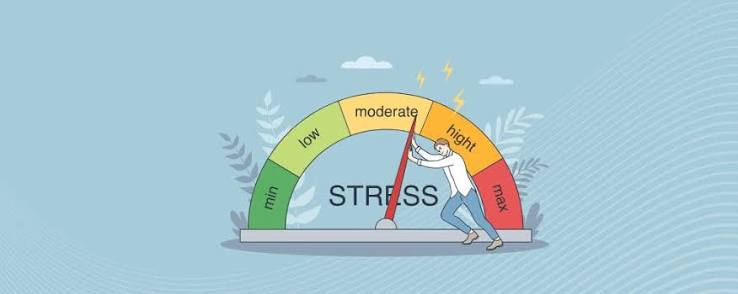
Managing diabetes is a 24-hour-a-day responsibility. It never pauses for weekends, holidays, or difficult life events. The relentless nature of this responsibility takes a real psychological toll — and emotional health and diabetes management are inseparable. Diabetes distress, depression, burnout, and anxiety each worsen blood sugar control directly — through cortisol, behavior change, and reduced self-care capacity. Addressing emotional health is not separate from diabetes management. It is part of it.
This guide explains the psychological challenges most common in diabetes, how they affect blood sugar and self-care, and the evidence-based strategies — individual, social, and clinical — that support emotional wellbeing and glucose control simultaneously.

Diabetes Distress — The Most Common Emotional Burden
Diabetes distress is the most prevalent emotional challenge in diabetes — and the one most frequently confused with clinical depression. Understanding the distinction matters because each requires a different response.
What Is Diabetes Distress?
Diabetes distress is the emotional burden specific to the demands of living with and managing a chronic condition. It includes frustration with the ongoing nature of blood sugar management, worry about complications, exhaustion from daily monitoring and medication, feelings of guilt or failure after glucose readings outside target range, and fear of hypoglycemia. Diabetes distress is not a mental illness — it is a rational emotional response to a genuinely difficult situation.
Approximately 18–45% of adults with diabetes experience clinically significant diabetes distress at any given time. Prevalence is highest in the first years after diagnosis, after an A1C-related setback, after a new complication diagnosis, and during periods of life stress. Distress levels typically fluctuate — higher during difficult periods, lower when diabetes management feels stable and supported. Our annual diabetes care checklist covers the standardized diabetes distress screening that should be part of every annual diabetes care review.
How Diabetes Distress Worsens Blood Sugar
Diabetes distress worsens blood sugar through behavioral pathways — not primarily through cortisol. Adults experiencing significant distress spend less cognitive energy on blood sugar monitoring. They skip glucose checks. They stop tracking carbohydrates. They miss medication doses. They reduce exercise. Each of these behaviors is individually linked to higher A1C. Combined, they can raise A1C by 0.5–1.5% above what attentive self-care would produce — not because the medications stopped working, but because distress depleted the self-care capacity needed to use them effectively.
Adults whose A1C rises during a period of known emotional difficulty — a divorce, a job loss, a family health crisis — often assume their diabetes is “getting worse.” In many cases, the medications and biology are unchanged. The self-care execution has declined because emotional resources are depleted. Recognizing diabetes distress as an explanation for rising A1C reframes the problem from a treatment failure to a support need — and opens the door to addressing the right issue. Our A1C testing schedule guide covers how to interpret A1C changes in the context of life events and identify when distress — rather than medication failure — is driving glucose elevation.
Depression and Diabetes — A Bidirectional Relationship
Depression is twice as common in adults with diabetes as in the general population. And the relationship is bidirectional — each condition increases the risk of the other.
How Diabetes Increases Depression Risk
The chronic burden of diabetes management, the fear of complications, the social limitations diabetes imposes, and the biological effects of blood sugar fluctuations on brain chemistry all contribute to elevated depression risk in adults with diabetes. Chronic inflammation — which is higher in adults with poorly controlled diabetes — directly impairs neurotransmitter function in brain areas linked to mood regulation. Hypoglycemia episodes produce anxiety, fear, and sometimes lasting avoidance behaviors that further restrict quality of life.
How Depression Worsens Diabetes
Depression reduces energy, motivation, and executive function — the cognitive ability to plan, execute complex routines, and maintain long-term behavioral commitments. Self-managing diabetes requires all three. Adults with active depression consistently show lower medication adherence, less frequent blood sugar monitoring, poorer diet quality, and reduced physical activity. The A1C gap between adults with diabetes and depression versus those without depression averages 0.5–0.8% in large population studies — entirely attributable to self-care differences.
Depression also raises cortisol through its effect on the HPA axis — producing a direct biological blood sugar elevation that compounds the behavioral self-care decline. For adults with both diabetes and depression, treating the depression is a diabetes management intervention — not a separate concern. Adults who receive effective depression treatment (therapy, medication, or combined) consistently show A1C improvement alongside mood improvement. Our doctor visit checklist for diabetes guide covers how to raise depression and emotional health concerns with a diabetes care team and request a mental health referral when needed.
Diabetes Burnout — When the Effort Feels Unsustainable
Diabetes burnout is a specific state of emotional exhaustion from the relentless demands of diabetes self-management. It differs from diabetes distress in degree rather than kind — burnout represents the end-point of prolonged distress without adequate support.
Recognizing Diabetes Burnout
Adults experiencing diabetes burnout typically describe: “I just don’t care anymore.” They stop checking blood sugar — not from forgetfulness, but from deliberate avoidance of numbers that feel punishing regardless of their efforts. They stop monitoring carbohydrates. They eat whatever they want as a form of relief from constant restriction. They miss follow-up appointments. They tell their care team everything is fine when it is not — because they cannot face another conversation about A1C.
Burnout is not laziness or noncompliance. It is emotional exhaustion — the inevitable result of managing a demanding chronic condition with insufficient support for years. It is more common after major diabetes-related setbacks (a new complication, a hospitalization, a period of very poor glucose control despite genuine effort) than in adults whose diabetes management has been relatively smooth.
Recovery From Diabetes Burnout
Recovery from burnout requires reducing the management burden — temporarily — while rebuilding emotional resources. Strategies that help include: identifying the two or three most important diabetes tasks (typically medication and one glucose check per day) and letting others slide temporarily. Sharing the emotional load with a trusted person — a family member, a close friend, a diabetes support group member. Requesting a care team appointment specifically to discuss emotional exhaustion rather than A1C numbers. And recognizing that imperfect diabetes management during burnout is not failure — it is a consequence of inadequate support that can be addressed with the right help.
Anxiety and Diabetes — Fear of Hypoglycemia
Anxiety is common in diabetes, but fear of hypoglycemia is the most diabetes-specific anxiety pattern. It affects both diabetes management and quality of life.
What Is Fear of Hypoglycemia?
Fear of hypoglycemia (FoH) is a learned anxiety response to the experience of severe low blood sugar. Adults who have experienced severe hypoglycemia — particularly episodes involving loss of consciousness, emergency treatment, or significant embarrassment — frequently develop behavioral responses designed to prevent recurrence. These include: deliberately keeping blood sugar higher than recommended targets, eating when not hungry to prevent glucose from falling, reducing exercise to avoid hypoglycemia risk, and checking blood sugar excessively or compulsively.
Fear of hypoglycemia produces chronically elevated blood glucose — ironically worsening the long-term complications that hypoglycemia prevention is meant to protect against. Adults whose A1C is consistently higher than expected given their reported diet and medication adherence may be deliberately managing to a higher glucose target due to unaddressed fear of hypoglycemia. Our exercise and hypoglycemia prevention guide covers the evidence-based protocol for preventing hypoglycemia during exercise — the most common FoH trigger for active adults with diabetes.
Support Strategies for Emotional Health in Diabetes
Evidence-based emotional health strategies for adults with diabetes address both the psychological burden directly and the self-care behaviors it impairs.
Diabetes Support Groups
Peer support groups — meeting in-person or online — reduce diabetes distress through normalization and shared problem-solving. Adults who regularly participate in diabetes support groups show consistently lower distress scores, higher medication adherence, and slightly better A1C than matched adults without support group involvement. The shared experience of living with diabetes provides a validation that clinical care cannot replicate — the specific relief of being understood by someone who faces the same daily challenges. The ADA maintains a peer support community for adults with all types of diabetes.
Diabetes-Focused Cognitive Behavioral Therapy
Cognitive behavioral therapy (CBT) adapted for diabetes specifically targets the negative thought patterns that perpetuate distress and burnout. CBT helps adults identify and challenge thoughts like “my blood sugar is always going to be bad no matter what I do” — replacing them with more accurate, actionable thinking that restores self-efficacy and self-care motivation. Clinical trials of diabetes-specific CBT show A1C reduction of 0.3–0.5% alongside mood improvement — confirming that effective emotional health treatment translates directly to glycemic benefit. Ask a primary care physician or endocrinologist for a referral to a psychologist or licensed counselor with diabetes management experience.
Self-Compassion Practices for Diabetes Management
Adults with diabetes frequently apply harsh self-judgment to glucose readings outside target range — treating each high reading as a personal failure. Self-compassion practices (noticing self-critical thoughts, treating oneself with the same kindness extended to a close friend facing the same struggle) reduce diabetes distress and burnout without reducing self-care motivation. Research shows that adults with higher diabetes-specific self-compassion are more adherent to self-care behaviors — not less — suggesting that self-compassion supports, rather than undermines, the effort to manage diabetes well. Our stress eating and blood sugar guide covers how self-compassion practices reduce the guilt-driven stress eating cycle that follows glucose readings above target. Our poor sleep and blood sugar guide covers how stress and anxiety disrupt sleep — a separate mechanism by which emotional health affects blood glucose. The sleep framework that supports emotional regulation alongside glucose management is in our diabetes and sleep practical guide. The blood sugar log approach that supports non-judgmental glucose tracking — using data as information rather than as a performance report — is in our blood sugar log and tracking guide. The ADA’s mental health resources for diabetes cover diabetes distress screening tools, depression treatment options, and peer support resources for adults with diabetes. The NIDDK’s diabetes management overview integrates emotional health alongside clinical diabetes care in the comprehensive management framework. The CDC’s living with diabetes resources cover emotional wellbeing, social support, and mental health as components of long-term diabetes management for adults across all age groups.
How Family and Social Support Affects Emotional Health in Diabetes
Emotional health in diabetes does not exist in isolation. The quality of social relationships — family, friends, colleagues, and healthcare providers — directly shapes psychological wellbeing and self-care capacity in adults managing diabetes.
Supportive vs. Undermining Social Behavior
Social support for diabetes management takes two forms: instrumental support (practical help — driving to appointments, preparing low-glycemic meals, reminding about medication) and emotional support (listening without judgment, expressing confidence in the person’s ability to manage diabetes, acknowledging the difficulty of the task). Both forms reduce diabetes distress and improve self-care motivation.
Not all social involvement is supportive. Critical comments about food choices (“should you be eating that?”), excessive monitoring of glucose numbers, and unsolicited advice about diabetes management — however well-intentioned — increase diabetes distress and reduce self-care motivation in research studies. Adults with diabetes who report high levels of family criticism around food and self-management show higher A1C than those with supportive family environments — after controlling for clinical and behavioral factors. The quality of support matters more than its quantity. Our family support for diabetes management guide covers how family members can provide genuinely helpful support without inadvertently increasing distress through well-meaning but undermining behaviors.
The Healthcare Relationship — Trust and Emotional Safety
The relationship between an adult with diabetes and their care team significantly affects both emotional health and self-care behavior. Adults who trust their care team — who feel heard, respected, and not judged — show higher medication adherence, more frequent glucose monitoring, and lower diabetes distress than those who feel dismissed, criticized, or rushed in clinical encounters. Adults who feel they cannot share honest self-management struggles — out of fear of being judged for poor control — miss the opportunity for the care team adjustments (medication changes, referrals, behavioral support) that their actual situation requires. Honest disclosure requires perceived emotional safety in the clinical relationship. Adults who consistently leave appointments feeling worse about themselves — rather than more informed and better supported — should consider requesting a different provider or asking for more time at appointments to discuss emotional health alongside clinical metrics. Our doctor visit checklist for diabetes guide covers how to structure an appointment conversation that addresses both glucose management and emotional health concerns within a standard appointment time.
Building Resilience — Emotional Health Skills That Transfer to Diabetes
Emotional resilience — the capacity to adapt to adversity, setbacks, and chronic difficulty without sustained psychological harm — is trainable. Adults with diabetes can build specific resilience skills that improve both psychological wellbeing and self-care consistency under the inevitable difficult periods of diabetes management.
Flexible Thinking — Replacing Rigidity With Adaptation
Adults with diabetes who think flexibly about self-management — “I had a high reading after that meal, now I know to eat less of that next time” — show consistently lower distress and better self-care than those who think rigidly — “I had a high reading, which proves I can’t control my diabetes.” Flexible thinking treats glucose data as information for adjustment rather than evidence of failure. It recognizes that diabetes management involves continuous learning — not a fixed standard that is either met or failed. Cognitive behavioral therapy techniques specifically target the rigid thinking patterns that convert normal glucose variability into psychological distress and self-care abandonment. Practicing the “information for adjustment” frame with each unexpected glucose reading — rather than the “evidence of failure” frame — gradually builds the resilient cognitive habit that supports long-term self-management effectiveness.
Accepting Imperfection as the Standard
Perfect blood sugar control is physiologically impossible — even in people without diabetes, glucose fluctuates significantly throughout the day. The target for adults with diabetes is not a flat glucose line. It is a reasonable proportion of readings within target range, with an A1C that reduces long-term complication risk. Adults who accept this reality — and measure success by trends over weeks and months rather than individual readings — experience substantially less diabetes distress than those who evaluate every reading as a binary success or failure. Acceptance is not resignation. It is the accurate understanding of what diabetes management can and cannot achieve — which reduces distress while maintaining the self-care effort that produces real glucose improvement over time. Our diabetes burnout guide covers how perfectionism about glucose control — rather than realistic goal-setting — is a primary driver of the exhaustion that leads to burnout. The stress management approach that reduces the cortisol burden from self-critical perfectionism about diabetes management is in our stress eating and blood sugar guide. The poor sleep pattern driven by anxiety about glucose numbers — a common cause of insomnia in adults with diabetes — is in our poor sleep and blood sugar spikes guide. The diabetes and sleep comprehensive framework that integrates emotional health and sleep quality for adults with diabetes is in our diabetes and sleep practical guide. The healthy habits framework that builds emotional resilience skills alongside diet, exercise, and sleep habits as a foundation for long-term diabetes wellbeing is in our building healthy habits with diabetes guide. The traveling with diabetes approach that applies emotional resilience skills to the high-stress, high-variability environment of travel is in our traveling with diabetes guide. The annual care review that includes standardized diabetes distress screening alongside A1C and clinical metrics is in our annual diabetes care checklist.
When to Seek Professional Mental Health Support
Self-management strategies for diabetes distress and burnout are valuable — but they have limits. Clinical depression, severe anxiety, and entrenched diabetes burnout require professional support beyond what self-help resources and peer support can address.
Signs That Professional Support Is Needed
Seek a mental health referral from your diabetes care team when any of the following applies for more than 2 weeks:
- Persistent low mood most of the day, most days — not occasional frustration, but sustained sadness or emptiness
- Loss of interest in activities that were previously enjoyable — including things unrelated to diabetes
- Significant fatigue unrelated to sleep quality or physical illness
- Feelings of worthlessness or excessive guilt about diabetes management
- Difficulty concentrating that impairs work or daily function
- Complete avoidance of blood sugar monitoring — not occasional skipping, but deliberate, sustained avoidance
- Significant food restriction or binge-purge patterns related to diabetes management (diabulimia in insulin users)
- Thoughts of self-harm or hopelessness
These symptoms indicate clinical depression or another mental health condition that requires professional assessment and treatment. They are not character weaknesses or diabetes management failures. They are medical symptoms that respond to appropriate treatment — medication, therapy, or combined approaches. Effective mental health treatment produces measurable A1C improvement alongside mood improvement — making it both a psychological and a metabolic intervention for adults with diabetes. The physician appointment that initiates a mental health referral is covered by the preparation guide in our doctor visit checklist for diabetes guide.
Emotional Health Goals — Setting Realistic Expectations
Emotional health in diabetes is not a destination. It is an ongoing practice — with better periods and harder periods, like glucose control itself. Setting realistic expectations prevents the perfectionism about emotional health that paradoxically worsens distress.
What Realistic Emotional Health in Diabetes Looks Like
Adults with excellent emotional health in the context of diabetes do not feel great about diabetes all the time. They experience frustration with unexplained glucose variability. They occasionally feel bored or exhausted by the monitoring demands. They sometimes resent the dietary restrictions that others don’t face. These feelings are normal and do not indicate psychological dysfunction. What distinguishes emotionally healthy adults with diabetes from those in distress is not the absence of negative emotions — it is the ability to experience those emotions without being overwhelmed by them, and to maintain self-care behaviors despite the emotional difficulty of the moment. The goal is not to love diabetes management — it is to live a full and meaningful life alongside it. Our diabetes burnout guide covers the specific recovery approach when the cumulative weight of diabetes management produces the state of exhaustion where even this modest goal feels unreachable. The long-term care plan that integrates emotional health alongside clinical diabetes management is in our annual diabetes care checklist. The building healthy habits approach that establishes daily emotional health practices — alongside diet, sleep, and exercise — as the sustainable foundation for long-term diabetes management is in our building healthy habits with diabetes guide. The sick-day planning guide that covers emotional health management during illness — when both physical and psychological stress are elevated simultaneously — is in our sick-day planning for diabetes guide. The stress eating pattern that reflects emotional health challenges in food choices and blood sugar impact is in our stress eating and blood sugar guide. The ADA’s mental health resources for diabetes include screening tools, treatment guidance, and referral pathways for adults experiencing diabetes-related psychological distress. The NIDDK’s diabetes management overview integrates emotional and psychological health within the comprehensive diabetes care framework.
Sources: American Diabetes Association Standards of Care in Diabetes 2024; Fisher L et al. Clinical Depression Versus Distress Among Patients With Type 2 Diabetes. Diabetes Care 2007; de Groot M et al. Psychological Conditions in Adults With Diabetes. American Psychologist 2016; Neff KD et al. Self-Compassion and Diabetes Self-Care. Mindfulness 2020; CDC Living With Diabetes Resources 2024.
Thank you for covering emotional health and diabetes management so thoroughly without being overly technical. I appreciate that the article is careful about distinguishing between what is known and what is still being researched. Will definitely be coming back to this site for more health information.
As someone dealing with this personally, the emotional health and diabetes management section was very helpful. The connection between lifestyle choices and long-term outcomes is explained clearly here. Will definitely be coming back to this site for more health information.
Came across this while researching emotional health and diabetes management for a family member. What I liked most was that the article didn’t just say what to avoid — it also gave alternatives. This is exactly why I prefer this website over generic health platforms.