
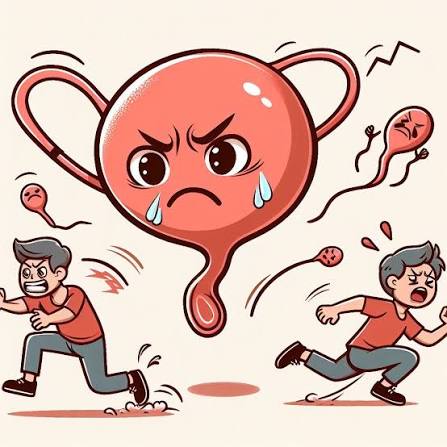
Overactive Bladder: Symptoms, Causes, and What You Can Do
Overactive bladder (OAB) is one of the most common urological conditions in adults, affecting an estimated 33 million people in the United States and hundreds of millions worldwide — yet it remains significantly underreported, undertreated, and misunderstood. Characterized by a sudden, compelling urge to urinate that is difficult to postpone, overactive bladder profoundly affects quality of life: it disrupts sleep, limits travel, affects social participation, causes occupational difficulties, and contributes to falls and fractures in older adults who rush to the bathroom and lose their footing. Understanding what overactive bladder actually is — its definition, its symptoms, its causes, and how it differs from other bladder conditions — is the essential first step toward effective management.
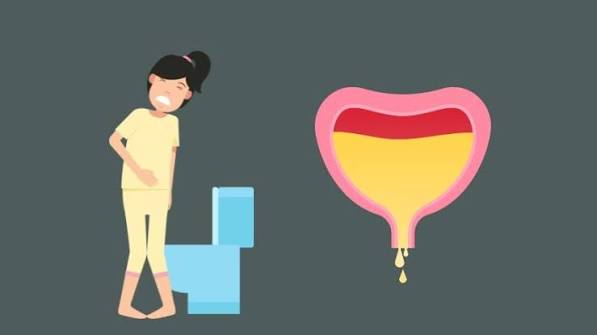
The term “overactive bladder” describes a symptom complex rather than a single pathological diagnosis, and its defining feature — urgency — is the involuntary, sudden desire to void that arises regardless of bladder fullness and that is not easily deferred. Most people with OAB also experience urinary frequency (voiding more than 8 times in 24 hours), and many experience nocturia (waking two or more times per night to urinate), and some experience urgency urinary incontinence (leaking urine when the urgency sensation cannot be resisted). The bladder itself is structurally normal in most OAB patients; the dysfunction is neurological and muscular — the detrusor muscle (the smooth muscle that forms the bladder wall) contracts involuntarily and inappropriately before the bladder is full, producing the urgency sensation and driving premature voiding.
The Core Symptoms of Overactive Bladder
Urgency is the defining symptom of OAB and the feature that distinguishes it from the simple urinary frequency that occurs with high fluid intake or a urinary tract infection. OAB urgency is qualitatively different from the normal desire to void that builds gradually as the bladder fills — it is a sudden, compelling sensation that arrives without proportionate warning and is accompanied by fear of leaking, active pelvic floor engagement to suppress the urge, and disruption of ongoing activities. Patients frequently describe urgency as a sensation that “hits out of nowhere” when they hear running water, put a key in the door lock (the “latchkey urgency” phenomenon), step into cold air, or enter a bathroom — environmental triggers that activate learned neural pathways and precipitate the urgency response independently of actual bladder volume. These triggers are characteristic of OAB and help distinguish it from urgency driven by bladder inflammation or infection.
Frequency in OAB is defined as voiding 8 or more times in a 24-hour period, but many patients with significant OAB void far more frequently — every 20 to 30 minutes in severe cases. Frequency is driven partly by the urgency sensation itself (patients void preemptively at low bladder volumes to stay ahead of urgency) and partly by the abnormal detrusor contractions that generate urgency even when the bladder is not fully distended. Distinguishing OAB frequency from high-volume polyuria (excessive urine production from high fluid intake, diabetes mellitus, diabetes insipidus, or hypercalcemia) is clinically important — frequency with normal voided volumes per episode (under 200 mL) points toward OAB or bladder outlet obstruction, while frequency with large voided volumes per episode points toward a urine overproduction state rather than a bladder storage problem.
Nocturia — waking from sleep one or more times to urinate — is extremely common in OAB and one of its most quality-of-life-impairing features. Sleep fragmentation from nocturia increases daytime fatigue, cognitive impairment, depression, and cardiovascular risk, and in older adults, the nighttime bathroom trip is a major fall risk — epidemiological data show that older adults with two or more nocturia episodes per night have significantly higher rates of nighttime falls and fall-related hip fractures than those without nocturia. Distinguishing OAB-related nocturia from nocturia driven by nocturnal polyuria (excessive urine production specifically at night, from fluid shifts in conditions like heart failure, venous insufficiency, and sleep apnea) requires a voiding diary to compare daytime and nighttime urine volumes.
Urgency urinary incontinence occurs when the involuntary detrusor contraction is of sufficient force, and the external urethral sphincter is of insufficient strength, that urine leakage occurs before the patient can reach the toilet. It affects approximately one-third of patients with OAB and is a major determinant of the social isolation, depression, and reduced quality of life associated with the condition. OAB without incontinence is termed “OAB dry”; OAB with urgency incontinence is termed “OAB wet.” The presence or absence of incontinence affects treatment urgency and medication choice but does not change the fundamental OAB mechanism.
What Causes Overactive Bladder?
The causes of overactive bladder are heterogeneous — multiple different neurological and physiological mechanisms can produce the involuntary detrusor contractions that underlie OAB symptoms — and in many patients, particularly older adults, the condition is multifactorial. Understanding the cause or causes in a given patient guides treatment selection and helps identify reversible contributing factors.
Neurological causes are among the most clearly defined etiologies of OAB. Normal bladder control requires intact neural circuitry between the brain’s pontine micturition center (which coordinates voiding), the sacral micturition center in the spinal cord, and the peripheral nerves that supply the detrusor muscle and pelvic floor. Any disruption to this circuitry can produce uninhibited detrusor contractions. Neurogenic OAB occurs in the context of stroke (affecting 20 to 50% of stroke survivors), Parkinson’s disease (affecting 27 to 85% of patients, depending on disease stage), multiple sclerosis (affecting 50 to 90% of MS patients over the disease course), spinal cord injury, traumatic brain injury, and dementia. In these conditions, upper motor neuron lesions remove the inhibitory control that the brain normally exerts over detrusor contractions, allowing the sacral micturition reflex to fire without appropriate cortical suppression — a pattern called detrusor overactivity of neurogenic origin (neurogenic detrusor overactivity).
Bladder outlet obstruction — most commonly from benign prostatic hyperplasia (BPH) in men — is a major cause of secondary OAB in the male population. When the bladder must chronically contract against an obstructed outlet, the detrusor muscle hypertrophies and undergoes structural and functional changes that cause it to become hyperreflexic, generating uninhibited contractions that produce OAB symptoms even when the obstruction itself is the primary problem. This explains why many men with BPH experience not just weak stream and incomplete emptying (obstructive symptoms) but also urgency, frequency, and nocturia (storage/OAB symptoms) — the OAB component is secondary to the outlet obstruction. Effective treatment of the obstruction (with alpha-blockers, 5-alpha-reductase inhibitors, or surgical intervention) often improves storage symptoms, though in some patients with long-standing obstruction the detrusor changes are irreversible and OAB symptoms persist after the obstruction is relieved.
Idiopathic OAB — overactive bladder in the absence of an identifiable neurological or structural cause — accounts for the majority of OAB cases in clinical practice. The mechanisms are incompletely understood but appear to involve abnormal urothelial (bladder lining) signaling, altered afferent (sensory) nerve function in the bladder wall, and possibly changes in detrusor smooth muscle cell coupling. The urothelium is now understood to be not merely a passive barrier but an active signaling tissue that releases acetylcholine, ATP, nitric oxide, and other mediators in response to bladder filling — abnormal urothelial mechanosensation and mediator release may initiate afferent nerve activation and trigger the urgency sensation at inappropriately low bladder volumes, independent of detrusor contraction. Age-related changes in the bladder — reduced bladder capacity, reduced detrusor compliance, and reduced urethral closure pressure — contribute to the increased OAB prevalence in older adults without necessarily representing a single identifiable pathological cause.
Risk Factors for Overactive Bladder
Several modifiable and non-modifiable factors increase the risk of developing OAB. Age is the strongest epidemiological risk factor — OAB prevalence increases from approximately 3% in adults under 30 to over 30% in adults above 75. This age-related increase reflects multiple converging factors: declining detrusor contractile reserve, reduced urethral closure pressure, increased prevalence of neurological conditions that affect bladder control, medication effects, and comorbidities that increase fluid load (heart failure, diabetes). Obesity is a modifiable risk factor for OAB, mediated through increased intra-abdominal pressure on the bladder, adipose-derived inflammatory mediators, and the association of obesity with diabetes, metabolic syndrome, and obstructive sleep apnea — all of which have independent adverse effects on bladder function. Weight loss in obese patients reduces OAB symptom severity. Diabetes mellitus affects bladder function through multiple mechanisms: autonomic neuropathy impairing bladder sensation and contractility, hyperglycemia-driven osmotic polyuria that increases urinary volume, and recurrent urinary tract infections that irritate the bladder. Bladder dysfunction in diabetes can manifest as either underactivity (poor sensation and incomplete emptying) or overactivity (urgency and frequency), and many diabetic patients have elements of both.
Caffeine and alcohol are dietary contributors to OAB symptoms through their diuretic effects (increasing urine production) and through direct irritant effects on the urothelium that sensitize bladder afferent nerves. Constipation is a frequently overlooked OAB risk factor: a full rectum reduces functional bladder capacity by exerting mechanical pressure, and treating constipation alone can meaningfully reduce OAB symptoms in patients with both conditions. Urinary tract infections cause transient urgency and frequency through direct urothelial inflammation, and resolving the infection resolves the symptoms; however, recurrent UTIs can sensitize bladder afferent nerves over time and contribute to ongoing OAB symptoms that persist beyond the infection episodes. For a comprehensive understanding of related conditions and when symptoms should prompt medical evaluation, the guide to when urinary symptoms need medical evaluation on Horizon Health Guide provides useful context on the spectrum of urological conditions. The NIDDK overview of overactive bladder and the AUA/SUFU overactive bladder guidelines are authoritative clinical references for patients and clinicians managing this condition.
How OAB Is Diagnosed
The diagnosis of overactive bladder is clinical — it is based on the symptom history (urgency, frequency, nocturia, urgency incontinence) after ruling out urinary tract infection and obvious structural causes. The basic evaluation includes a urinalysis and urine culture (to exclude UTI, hematuria suggesting a bladder lesion, and glycosuria suggesting diabetes), a voiding diary (a 3-day record of fluid intake, voiding times, voided volumes, and incontinence episodes that documents the pattern of symptoms and quantifies severity), a post-void residual urine measurement (by ultrasound or catheterization, to exclude significant urinary retention that could mimic OAB symptoms), and a focused history addressing neurological symptoms, medications, and pelvic floor history (prior pelvic surgery, childbirth, prolapse). Urodynamic testing — which measures bladder pressure, capacity, and detrusor contraction patterns during bladder filling and voiding — is not required for the initial diagnosis and management of straightforward OAB but is useful when the diagnosis is uncertain, when neurogenic OAB is suspected, or when initial treatments fail. Cystoscopy is indicated when hematuria is present to exclude bladder cancer or other bladder lesions that can cause urgency and frequency mimicking OAB.
First-line management of OAB combines behavioral therapies — bladder retraining, pelvic floor muscle training, urgency suppression techniques, fluid management, and dietary modification — with patient education. Pharmacological therapy with antimuscarinics (oxybutynin, tolterodine, solifenacin, darifenacin, trospium, fesoterodine) or a beta-3 agonist (mirabegron, vibegron) is added when behavioral therapies alone are insufficient. For patients who do not respond adequately to behavioral therapy and medications, third-line options include posterior tibial nerve stimulation, sacral neuromodulation (InterStim), and intradetrusor onabotulinumtoxinA injection. Understanding the full range of treatment options — from the simplest behavioral changes to advanced neuromodulation procedures — allows patients with OAB to engage in shared decision-making with their urologist or urogynecologist and to set realistic expectations for the course of treatment. Additional guidance on related bladder and urinary conditions can be found in the kidney stone risk factors guide and the StatPearls review of overactive bladder.
Sources: NIDDK — Overactive Bladder · AUA/SUFU OAB Guidelines · StatPearls — Overactive Bladder
Medications That Worsen OAB Symptoms
A careful medication review is an important part of the OAB evaluation because a surprising number of commonly used medications can worsen urgency, frequency, nocturia, or incontinence. Diuretics — including loop diuretics (furosemide, bumetanide) and thiazide diuretics used for hypertension and heart failure — increase urine production and can precipitate urgency episodes and urgency incontinence by rapidly increasing bladder volume beyond the patient’s functional capacity. Timing diuretic doses to avoid taking them before outings, travel, or bedtime can reduce OAB symptoms without requiring a change in medication. Acetylcholinesterase inhibitors used in dementia treatment (donepezil, rivastigmine, galantamine) increase cholinergic tone in the bladder and commonly worsen OAB symptoms — an ironic consequence of a medication used in a population already at high OAB risk. Alpha-adrenergic agonists (in over-the-counter cold and decongestant products) increase urethral tone and can precipitate acute urinary retention in men with BPH, while also paradoxically improving continence in some women. Calcium channel blockers can reduce detrusor contractility and contribute to urinary retention rather than OAB, but their diuretic-like natriuresis effect increases urinary volume and frequency in some patients.
Opioid analgesics deserve particular mention: they suppress detrusor contractility (reducing OAB urgency) but also impair the sensation of bladder fullness and slow gastrointestinal motility (worsening constipation, which itself exacerbates OAB). Long-term opioid users may have impaired bladder sensation and incomplete emptying that is difficult to distinguish from neurogenic bladder dysfunction. A comprehensive medication reconciliation — including over-the-counter medications, supplements, and herbal preparations — is an essential component of the OAB evaluation that is often underperformed in primary care settings.
OAB vs. Stress Urinary Incontinence: Understanding the Difference
Overactive bladder is frequently confused with stress urinary incontinence (SUI) by patients and sometimes by clinicians, because both conditions cause urine leakage — but the mechanism, triggers, and treatment are fundamentally different, and distinguishing them guides treatment selection. Urgency urinary incontinence (the incontinence type in OAB) occurs when involuntary detrusor contractions overwhelm the urethral sphincter and produce leakage following — or simultaneous with — a strong urgency sensation. The patient feels the urge, tries to reach the toilet, and leaks on the way. Stress urinary incontinence, by contrast, occurs when physical exertion — coughing, sneezing, laughing, lifting, or jumping — generates a sudden increase in intra-abdominal pressure that exceeds the urethral closure pressure, producing leakage without any preceding urgency sensation. The patient leaks during the physical event, without feeling the urge first.
Some patients have mixed urinary incontinence — both urgency and stress components — which requires treatment targeting both mechanisms. Distinguishing between these types is done clinically through history (asking specifically whether leakage is preceded by urgency or follows physical exertion), with supplementary information from the voiding diary, and in complex cases by urodynamic testing that can characterize both detrusor overactivity and urethral sphincter function objectively. The distinction matters for treatment: behavioral therapy and bladder relaxant medications (antimuscarinics, beta-3 agonists) address urgency incontinence; pelvic floor muscle training addresses stress incontinence; and patients with mixed incontinence typically need elements of both approaches.
Behavioral Strategies for Managing OAB Symptoms
Behavioral therapy is the first-line treatment for OAB, recommended before pharmacological therapy in all clinical guidelines, because it is effective, free of medication side effects, and produces durable improvements that persist after the active treatment period. The core behavioral strategies include bladder retraining, pelvic floor muscle training, urgency suppression techniques, fluid management, and dietary modification.
Bladder retraining involves systematically increasing the interval between voiding attempts — starting from the patient’s current voiding interval and gradually increasing it by 15 to 30 minutes every 1 to 2 weeks until a voiding interval of 3 to 4 hours is achieved. The goal is to re-establish cortical control over the voiding reflex and increase the functional bladder capacity by training the patient to tolerate progressively greater urgency sensations without immediately voiding. Success requires the concurrent use of urgency suppression techniques — distraction, deep breathing, and pelvic floor contractions — to manage urgency while extending the voiding interval. Clinical trials of bladder retraining demonstrate 50 to 80% reductions in urgency episodes and significant improvements in quality of life, with outcomes comparable to first-line pharmacological therapy in some trials.
Pelvic floor muscle training (Kegel exercises, performed correctly) strengthens the external urethral sphincter and pelvic floor muscles that provide voluntary urethral closure during urgency episodes — the “freeze and squeeze” technique of quickly contracting the pelvic floor when urgency strikes reflexively inhibits detrusor contraction through a neural reflex arc, dampening the urgency sensation and buying time to reach the toilet without leaking. Pelvic floor contraction during urgency is more effective at suppressing urgency than trying to “hold on” by tensing the abdomen (which increases intra-abdominal pressure and can worsen leakage). For patients who are uncertain whether they are performing pelvic floor contractions correctly, pelvic floor physical therapy with biofeedback provides objective confirmation of correct muscle engagement and is strongly recommended when available. Fluid management — identifying and moderating excessive fluid intake, particularly in the evening hours to reduce nocturia, and eliminating or reducing bladder irritants (caffeine, alcohol, carbonated beverages, artificial sweeteners) — complements the behavioral strategies and often produces measurable symptomatic improvement within days of implementation.
When to Seek Medical Evaluation for OAB Symptoms
Many adults with overactive bladder symptoms delay seeking medical evaluation for years — averaging 4 to 6 years from symptom onset to first clinical presentation in survey data — because they believe the symptoms are a normal part of aging, because they feel embarrassed to discuss urinary symptoms with their healthcare provider, or because they are unaware that effective treatments exist. This delay is unfortunate, because OAB is highly treatable and the quality-of-life burden accumulates over the years of untreated symptoms. Any adult experiencing urgency that disrupts daily activities, urinary frequency above 8 times per day, two or more episodes of nocturia per night, or urgency incontinence should seek evaluation — these are not inevitable features of aging and should not be accepted as such.
Certain accompanying symptoms warrant more urgent evaluation to rule out serious underlying conditions. Blood in the urine (hematuria) with urgency or frequency may indicate bladder cancer, which can cause irritative voiding symptoms similar to OAB — hematuria accompanying urgency and frequency warrants cystoscopic evaluation to exclude a bladder lesion regardless of the patient’s age. Urgency and frequency accompanied by significant pain (suprapubic pain, pelvic pain, or burning with urination beyond what is typical of a UTI) suggests interstitial cystitis/bladder pain syndrome rather than OAB — a distinct condition with different management. New-onset neurological symptoms (weakness, numbness, gait changes, double vision) accompanying bladder symptoms should prompt neurological evaluation for conditions such as multiple sclerosis that can cause neurogenic OAB as an early manifestation. Voiding symptoms combined with elevated post-void residual urine (inadequate bladder emptying) require urological evaluation to distinguish OAB from overflow incontinence and to identify any structural cause of incomplete emptying. The comprehensive kidney and urinary health resource on Horizon Health Guide provides additional guidance on navigating urological symptoms and when specialist evaluation is indicated.
I’ve been dealing with OAB for about six years and never had it explained this clearly to me. The section about the ‘latchkey urgency’ phenomenon — urgency that hits when you put a key in the door — described my exact experience so precisely that I actually teared up reading it. My doctor always told me it was ‘behavioral’ in a dismissive way, but this article explains that it’s actually a trained neural pathway, which makes it feel like something I can work with rather than a personal failing. The distinction between urgency incontinence and stress incontinence was also something I never had clarified — I have the urgency type, not the stress type, but I’ve been doing a mix of exercises recommended for stress incontinence that apparently aren’t targeting my actual problem.
A well-constructed patient-facing overview of OAB pathophysiology that accurately captures the heterogeneity of the condition. The neurogenic etiologies section is particularly accurate and will be useful for patients who develop OAB in the context of Parkinson’s disease or stroke, where the connection between the neurological diagnosis and the bladder symptoms is often not clearly explained during neurology consultations. The point about bladder outlet obstruction driving secondary detrusor overactivity in BPH is clinically important — we frequently see men who are referred for OAB management when the primary problem is untreated BPH, and addressing the obstruction first often resolves or significantly reduces the storage symptoms.
Dr. Ashby, thank you for highlighting those clinical points — the BPH-secondary OAB pathway is one of the most practically important concepts for men with mixed obstructive and storage LUTS, and the treatment implications are significant (treating the outlet first, then reassessing storage symptoms before adding bladder relaxants). Patricia, the latchkey urgency and running water triggers are actually some of the most reliably helpful findings in the OAB history — they strongly suggest conditioned urgency responses driven by the anticipatory voiding reflex rather than true bladder fullness, which means behavioral retraining and urgency suppression techniques (the ‘freeze and squeeze’ pelvic floor contraction plus distraction) are particularly likely to help. The neural pathway framing isn’t just conceptually accurate — it’s therapeutically empowering because it means the pathway can be modified.