
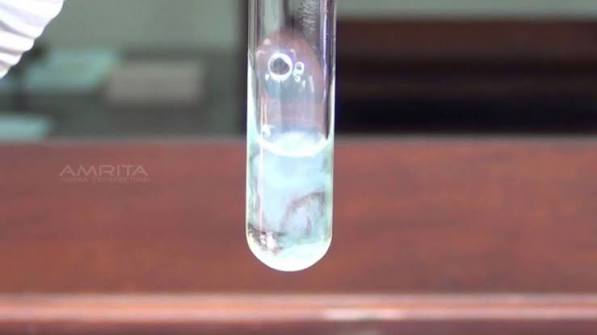
Of all the tests used to assess kidney health, the urine albumin test may be the most valuable for catching kidney damage early — before creatinine rises, before eGFR falls, and before symptoms develop. Albumin in the urine is a direct signal that the kidney’s filtering barrier has been compromised, and it often appears years before any other measurable sign of kidney disease.
A urine albumin test requires nothing more than a urine sample — no fasting, no blood draw, no lengthy preparation. Yet it provides clinicians with one of the most powerful indicators available for identifying patients who are at risk for CKD progression and cardiovascular events, and for monitoring whether treatments are working. This guide explains what the urine albumin test measures, how to interpret the results, what causes albumin to appear in urine, and what it means for your health.
What Is Albumin and Why Is It in Urine?
Albumin is the most abundant protein in human blood plasma, produced by the liver and performing several essential functions: transporting hormones, fatty acids, and medications through the bloodstream; maintaining oncotic pressure to keep fluid in the blood vessels; and serving as a protein reserve for the body.
Under normal circumstances, albumin is almost entirely retained within the circulation. The kidney’s glomerular filtration barrier — a three-layered structure consisting of the glomerular endothelium, the basement membrane, and the podocytes (specialized epithelial cells with delicate foot processes that interdigitate to form filtration slits) — acts as a highly selective barrier that prevents large, negatively charged proteins like albumin from passing into the filtrate. A very small amount of albumin does slip through, but most of this is reabsorbed by the proximal tubule cells before reaching the final urine. In a healthy kidney, albumin excretion is less than 30 milligrams per gram of urine creatinine.
When the glomerular filtration barrier is damaged — by the chronic inflammation of diabetic nephropathy, the pressure injury of uncontrolled hypertension, the immune-mediated injury of glomerulonephritis, or other pathological processes — its selectivity breaks down. Albumin that would normally be retained begins leaking into the filtrate in increasing amounts. This albumin cannot be fully reabsorbed by the tubules once it exceeds a threshold, and it appears in the final urine. The presence and quantity of albumin in urine is therefore a direct readout of glomerular barrier integrity.
Why albumin specifically, rather than other proteins? Albumin’s molecular weight of approximately 67 kilodaltons makes it the smallest of the abundant plasma proteins — and therefore the first to leak when the glomerular barrier begins to break down. Larger proteins leak only when the barrier is more severely damaged. This is why albumin serves as the sentinel marker for early glomerular injury: its appearance precedes the leakage of larger proteins and precedes any rise in creatinine by months to years in conditions like diabetic nephropathy.
Types of Urine Albumin Tests
There are three main ways to test for albumin in urine, with different levels of precision, convenience, and clinical application.
Urine albumin-to-creatinine ratio (ACR) is the test recommended by KDIGO, the American Diabetes Association, and most major nephrology and endocrinology guidelines for routine clinical use. It requires only a spot urine sample — any time of day, though first morning void is preferred — and expresses the result as milligrams of albumin per gram of urine creatinine. Dividing by urine creatinine corrects for urine concentration: a very dilute urine sample would otherwise appear to have a low albumin simply because the urine is watered down, while a concentrated sample would appear to have more albumin. The ACR eliminates this source of variability and makes results interpretable regardless of hydration status.
24-hour urine albumin excretion (AER) measures the total amount of albumin excreted over a full day, reported in milligrams per day. This is more precise than a spot ACR but requires the patient to collect every drop of urine produced over a 24-hour period — a logistically cumbersome process prone to collection errors (missed voids or over-collection both invalidate the result). The 24-hour collection is used when a more precise albumin measurement is needed, such as for clinical research, in patients whose ACR results are difficult to interpret, or when monitoring the response to treatment in nephrotic syndrome.
Urine dipstick protein is a qualitative test that detects protein — primarily albumin — in urine by a colorimetric reaction. A positive dipstick corresponds approximately to more than 300 mg of albumin per gram of creatinine, meaning it only detects albumin in the A3 (severely increased) range. It completely misses the A2 range (30–300 mg/g) where most of the clinically valuable early detection of diabetic nephropathy and hypertensive kidney disease occurs. A positive dipstick result should prompt quantification with an ACR. A negative dipstick does not rule out meaningful albuminuria and should not be used in place of ACR for kidney disease screening in high-risk populations.

What the ACR Result Means
The KDIGO 2012 classification divides albuminuria into three categories based on ACR:
A1 — ACR less than 30 mg/g: Normal to mildly increased albumin. This is the normal range. In patients with no risk factors for kidney disease, an A1 result requires no specific action beyond routine preventive health. In patients with diabetes, hypertension, or other CKD risk factors, annual testing is recommended to detect if albumin increases into the A2 range.
A2 — ACR 30 to 300 mg/g: Moderately increased albumin. This range was historically called “microalbuminuria” — a term now discouraged because the prefix “micro” implies the amount is small and perhaps not important, when in fact this range carries substantial clinical significance. An ACR in the A2 range in a diabetic patient is the earliest laboratory sign of diabetic nephropathy — a finding that, if unaddressed, leads to progressive kidney injury over years to decades. In non-diabetic patients, A2 albuminuria significantly elevates the risk of CKD progression and cardiovascular events. This is the range where intervention has the greatest potential impact.
A3 — ACR greater than 300 mg/g: Severely increased albumin. This range was historically called “macroalbuminuria” or “clinical proteinuria.” At this level, glomerular damage is significant. If the ACR exceeds approximately 3,500 mg/g (or albumin excretion exceeds 3.5 grams per day), the patient is in the nephrotic range — losing so much protein that plasma oncotic pressure falls, leading to edema, low serum albumin (hypoalbuminemia), elevated cholesterol (hyperlipidemia), and markedly elevated thrombosis risk. The nephrotic syndrome is a distinct clinical entity requiring urgent evaluation and treatment.
What Causes Albumin in Urine?
Not all albumin in urine indicates kidney disease. Understanding the distinction between persistent pathological albuminuria and transient non-pathological albuminuria is essential for accurate interpretation.
Pathological causes of albuminuria are conditions that cause ongoing glomerular damage. Diabetic nephropathy is by far the most common — albumin appears in the urine of diabetic patients years before creatinine rises or eGFR falls, making A2 albuminuria the primary early warning sign of kidney involvement in diabetes. Uncontrolled hypertension damages the glomeruli through hyperperfusion and pressure injury, causing hypertensive nephrosclerosis and progressive albuminuria. Glomerulonephritis — encompassing conditions like IgA nephropathy, lupus nephritis, focal segmental glomerulosclerosis (FSGS), and membranous nephropathy — produces significant albuminuria from immune-mediated damage to the glomerular barrier. Preeclampsia, a complication of pregnancy, is defined in part by new-onset albuminuria after 20 weeks of gestation.
Transient non-pathological causes of albumin in urine are important to recognize before labeling a patient with kidney disease. Vigorous exercise — particularly endurance exercise, heavy weightlifting, or sports involving repeated impact — can cause transient proteinuria lasting 24 to 48 hours due to increased renal blood flow and glomerular pressure. Fever from any acute illness can transiently increase glomerular permeability. Highly concentrated urine from dehydration can elevate an ACR result. Urinary tract infections cause bladder and urethral inflammation that releases proteins into the urine. Orthostatic proteinuria — a benign condition primarily in young adults — produces albumin in urine when standing but not when supine, due to altered renal venous pressure in the upright position.
Because of these transient causes, a single elevated ACR result is never sufficient to diagnose persistent albuminuria. KDIGO guidelines recommend confirming with at least two of three tests over three months, with samples ideally obtained at the same time of day and under the same conditions. This confirmation requirement reduces the rate of false-positive diagnoses from transient elevations.
Why Albumin and Not Other Proteins?
The urine albumin test is specifically designed to measure albumin, which is distinct from other proteins that can appear in urine in different clinical contexts. Understanding these distinctions prevents diagnostic confusion.
Tubular proteinuria occurs when the kidney tubules are damaged and fail to reabsorb small proteins that normally pass through the glomerular filter. These are low-molecular-weight proteins such as beta-2 microglobulin, alpha-1 microglobulin, and retinol-binding protein. Conditions that cause tubular proteinuria include acute tubular necrosis, certain toxins (heavy metals, certain antibiotics), and some genetic conditions. Albumin is not the predominant protein in tubular proteinuria, and an albumin-specific ACR may appear low while other protein markers are elevated.
Overflow proteinuria occurs when a protein is being produced in such enormous quantities that it overwhelms the tubular reabsorption capacity and spills into the urine. The classic example is multiple myeloma, where abnormal plasma cells produce massive quantities of immunoglobulin light chains (Bence Jones proteins). These light chains are too small to be detected by albumin-specific tests — and a dipstick can even be falsely negative — while the total urine protein is elevated. Patients with suspected myeloma require urine protein electrophoresis (UPEP), not a urine albumin test.
For the most common kidney diseases in clinical practice — diabetic nephropathy, hypertensive nephrosclerosis, and most forms of glomerulonephritis — albumin is the relevant and appropriate marker to measure, and the ACR is the appropriate test.
The Dual Risk: Kidney Disease and Cardiovascular Disease
One of the most important and underappreciated findings in nephrology research over the past two decades is that albuminuria is not just a marker of kidney damage — it is an independent predictor of cardiovascular events. Even modest elevations of albumin in the urine are associated with significantly elevated risk of heart attack, stroke, and cardiovascular death, independent of blood pressure, diabetes status, cholesterol, and other traditional risk factors.
The HOPE trial demonstrated that microalbuminuria independently predicted major cardiovascular events in patients at high cardiovascular risk. The ADVANCE trial confirmed that even A2 albuminuria in diabetic patients significantly elevated cardiovascular mortality. More recently, analyses of large population databases have shown that the combination of low eGFR and elevated albuminuria produces a far higher cardiovascular risk than either finding alone — making the KDIGO heat map combining eGFR and ACR categories not just a kidney prognosis tool but a cardiovascular risk stratification tool as well.
The mechanism likely involves glomerular endothelial dysfunction — the same process that causes albumin to leak through the glomerular barrier also affects the systemic endothelium, increasing vascular inflammation, atherosclerosis, and thrombosis risk. This is why nephrology and cardiology are increasingly integrated in the management of patients with CKD: treating albuminuria with ACE inhibitors, ARBs, and SGLT-2 inhibitors reduces kidney progression risk and cardiovascular event risk simultaneously.
Treatments That Reduce Albumin in Urine
Identifying albuminuria is only the first step — the primary clinical goal is reducing it. Effective treatments lower the ACR and, by doing so, slow CKD progression and reduce cardiovascular risk.
ACE inhibitors and ARBs are the cornerstone of albuminuria treatment. By blocking the renin-angiotensin-aldosterone system (RAAS), they dilate the efferent arteriole of the glomerulus, reducing intraglomerular pressure and decreasing the filtration load on the glomerular barrier. This directly reduces albumin leakage. ACE inhibitors and ARBs are recommended as first-line therapy for CKD with albuminuria in A2 or A3, particularly in diabetic patients, even if blood pressure is already at goal. The proteinuria-reducing effect of RAAS blockade is partially independent of blood pressure lowering.
SGLT-2 inhibitors (empagliflozin, dapagliflozin, canagliflozin) have demonstrated significant proteinuria-reducing effects in large clinical trials (CREDENCE, DAPA-CKD, EMPA-KIDNEY) that are partially independent of their glucose-lowering effect. These agents are now guideline-recommended for patients with CKD and albuminuria, particularly in those with type 2 diabetes but also increasingly in non-diabetic CKD with proteinuria.
Finerenone, a nonsteroidal mineralocorticoid receptor antagonist, was demonstrated in the FIDELIO-DKD and FIGARO-DKD trials to reduce albuminuria and slow CKD progression in patients with diabetic kidney disease. It is an addition to, not a replacement for, RAAS blockade.
Blood pressure control to below 130/80 mmHg in patients with CKD and albuminuria reduces the hemodynamic pressure driving albumin leakage. The blood pressure target in CKD with albuminuria is tighter than the general adult target.
A reduction in ACR of 30 percent or more from baseline is generally considered a meaningful response to treatment and a surrogate for kidney protection. See the companion article on albumin-to-creatinine ratio for detailed information on how to track ACR over time.
Who Should Get a Urine Albumin Test?
The following groups should have an annual urine albumin test, regardless of current eGFR or creatinine, because albumin appears before creatinine rises:
- All people with diabetes — type 1 or type 2. The American Diabetes Association recommends annual ACR testing starting at diagnosis for type 2 diabetes and after 5 years of disease duration for type 1.
- All people with hypertension who have additional risk factors for kidney disease.
- Family history of CKD or kidney failure — genetic kidney diseases and familial tendencies toward diabetes and hypertension all increase risk.
- Age over 60 — age-related glomerulosclerosis can cause albuminuria independent of other conditions.
- Obesity — associated with glomerular hyperfiltration injury that causes albuminuria.
- Autoimmune diseases (lupus, vasculitis) — frequent kidney involvement.
- History of acute kidney injury — prior AKI accelerates glomerular aging and CKD risk.
For people in any of these categories, the combination of eGFR and ACR — the two tests that together define CKD risk in the KDIGO framework — provides the most complete kidney health picture available from routine laboratory testing. See the guides on what is eGFR and creatinine blood test explained for the complementary pieces of this picture.
Conclusion
The urine albumin test is one of the most powerful and underutilized tools in preventive kidney medicine. It detects kidney damage earlier than any other routine test, predicts both kidney and cardiovascular outcomes, guides treatment decisions, and monitors whether those treatments are working. Yet it is still underperformed — particularly in diabetic patients, where missing the window of early microalbuminuria means missing the opportunity for intervention before structural kidney damage has accumulated.
If you have diabetes, hypertension, or a family history of kidney disease, ask your provider about your urine albumin test. If you know your ACR result, understand what category it places you in — A1, A2, or A3 — and what treatment or monitoring it should prompt. See the article on what is chronic kidney disease for the full context of how albuminuria fits into CKD staging and progression.
How to Collect the Urine Sample Correctly
The accuracy of a urine albumin test depends heavily on how and when the sample is collected. Small variations in timing and conditions can produce meaningfully different ACR values, which is why standard collection guidance exists and should be followed each time a sample is provided — particularly if results will be compared across visits to track treatment response.
First morning void is the preferred sample for ACR testing. The first urine produced after waking has the least effect from overnight body position changes and activity, producing a result that is most representative of true resting albumin excretion. It avoids the orthostatic effect — the tendency of some people, particularly younger adults, to excrete more albumin when upright than when supine. While a random spot urine is acceptable for a screening ACR when a first morning sample is not practical, first morning void reduces variability and improves reproducibility for serial testing.
Avoid vigorous exercise within 24 to 48 hours before the test. Strenuous physical activity — endurance running, heavy resistance training, contact sports — transiently increases renal blood flow, elevates intraglomerular pressure, and causes a temporary increase in albumin excretion that can persist for 24 to 48 hours. An ACR drawn the morning after an intense workout may reflect exercise-induced proteinuria rather than kidney disease. If a patient is physically active, scheduling the test on a rest day produces the most interpretable result.
Do not test during acute illness or fever. Inflammatory conditions — including febrile infections, influenza, and severe urinary tract infections — transiently increase albumin excretion through mechanisms that are not related to underlying kidney damage. An elevated ACR during an acute illness should be repeated after full recovery. Similarly, if a urine culture is positive for a UTI at the time of ACR testing, the proteinuria result cannot be interpreted as reflecting baseline kidney function until the infection has been treated and cleared.
Two of three positive results are required to diagnose persistent albuminuria. This is not bureaucratic caution — it is an empirical acknowledgment that transient causes of elevated ACR are common. Studies have shown that a single elevated ACR result in an otherwise low-risk patient has a meaningful false-positive rate when repeated under controlled conditions. Confirming two of three tests over approximately three months, under similar collection conditions, substantially increases the specificity of the diagnosis and prevents unnecessary treatment or patient anxiety from a single spurious result.
Concentrated versus dilute urine is a subtler source of variability that the ACR largely corrects for by dividing albumin by creatinine. However, extreme hydration states — very dilute urine after several liters of fluid intake, or very concentrated urine from prolonged water restriction — can still affect the result at the margins. When in doubt, repeat under standard morning collection conditions.
Reading Your ACR Result in Context
An ACR result does not exist in isolation — it is interpreted alongside eGFR, clinical history, diabetes or hypertension status, medications, and trends over time. The KDIGO CKD risk classification uses both eGFR and ACR together because the combination of a low eGFR and a high ACR produces a substantially higher risk for CKD progression and cardiovascular events than either finding alone.
For a patient with type 2 diabetes, an ACR of 45 mg/g (A2 range) on a single test is a significant clinical signal — it confirms kidney involvement from diabetes and should prompt treatment intensification with an ACE inhibitor or ARB and, per current guidelines, an SGLT-2 inhibitor if not already prescribed. For a 25-year-old marathon runner with no diabetes or hypertension and no family history of kidney disease, the same ACR value on a sample taken 12 hours after a long run may be entirely benign exercise-induced proteinuria.
Trends matter as much as single values. A patient whose ACR was 25 mg/g two years ago, 60 mg/g one year ago, and is now 120 mg/g is on a trajectory that demands attention, even if all three values fall within a range that might seem borderline in isolation. Conversely, a patient who started ACE inhibitor therapy with an ACR of 200 mg/g and now measures 80 mg/g is showing a meaningful response to treatment — the downward trend is as clinically important as the absolute value.
See the full article on albumin-to-creatinine ratio for a deeper dive into how to track and interpret ACR values over time, including how to calculate percentage change and what degree of improvement to aim for with specific treatments. For the full picture of kidney health metrics used in the KDIGO framework, see the article on what is eGFR and the guide on BUN blood test.
Sources: National Institute of Diabetes and Digestive and Kidney Diseases | National Kidney Foundation | Mayo Clinic — Microalbumin Test
I never fully understood urine albumin test explained until I read this. The specific numbers and thresholds mentioned are exactly what I needed to understand my results. Forwarding this to others in my support group who are dealing with similar issues.
Bookmarked this article on urine albumin test explained immediately — going to reference it regularly. I appreciated how the article addressed both the clinical side and the practical adjustments. This is exactly why I prefer this website over generic health platforms.
My doctor recommended I look into urine albumin test explained and this article covered it perfectly. I appreciated how the article addressed both the clinical side and the practical adjustments. Shared this with three friends who are dealing with related issues. Very useful resource.