
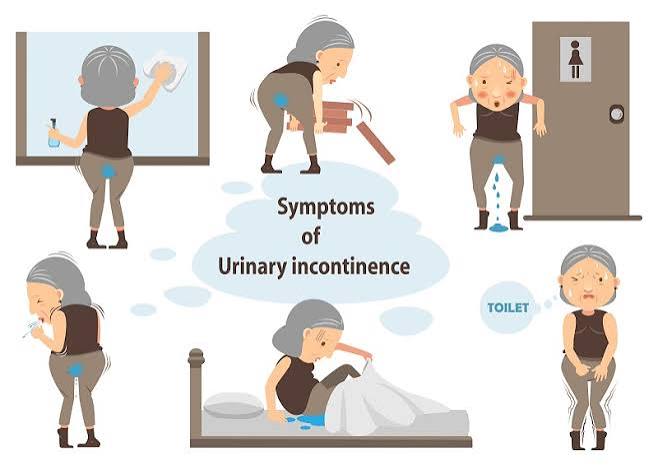
Urinary Incontinence: What Adults Should Know
Urinary incontinence — the involuntary loss of urine — affects an estimated 25 to 45% of adult women and 5 to 15% of adult men, making it one of the most prevalent chronic conditions in the developed world. Despite its prevalence, urinary incontinence remains dramatically undertreated: most adults with incontinence do not discuss it with their healthcare provider, either because they assume it is a normal consequence of aging or childbirth, because they feel embarrassed to raise the topic, or because they are unaware that effective treatments exist. This silence carries a significant cost — untreated urinary incontinence causes psychological distress, social withdrawal, sexual dysfunction, reduced physical activity, sleep disruption, increased fall risk, and caregiver burden, and it is one of the leading reasons that older adults are placed in nursing care. Understanding urinary incontinence — its types, causes, and the range of treatments available — equips adults to seek appropriate care rather than silently managing a condition that is, in most cases, significantly improvable.
Urinary incontinence is not a single condition. It encompasses several distinct subtypes with different underlying mechanisms, different triggers, different patient profiles, and fundamentally different treatments. Treating urgency incontinence with the interventions designed for stress incontinence, and vice versa, will produce poor results and patient frustration — yet this happens regularly when the subtype is not clearly identified. A precise diagnosis of the incontinence type is the essential foundation of effective management, and it begins with the clinical history, a voiding diary, a focused physical examination, and basic investigations including urinalysis and post-void residual measurement.

Types of Urinary Incontinence
Stress urinary incontinence (SUI) is the most common type in women and is defined as involuntary urine leakage that occurs with physical exertion — coughing, sneezing, laughing, lifting, jumping, or straining — that generates a sudden increase in intra-abdominal pressure exceeding the urethral closure pressure. The mechanism is a deficiency in the urethral sphincter mechanism: either intrinsic sphincter deficiency (weakness of the urethral smooth muscle and submucosal coaptation mechanisms that maintain the urethral seal), urethral hypermobility (descent of the urethra and bladder neck below the pelvic floor support during exertion, impairing the pressure transmission mechanism that normally transmits intra-abdominal pressure increases equally to the urethra and bladder), or both. Risk factors for SUI include pregnancy and vaginal delivery (the most important modifiable causes), pelvic organ prolapse, prior pelvic surgery, obesity, and menopausal estrogen deficiency. Stress incontinence is the predominant incontinence type in younger and middle-aged women; it becomes increasingly mixed with urgency incontinence in the postmenopausal period.
Urgency urinary incontinence (UUI) is urine leakage preceded by or coinciding with a sudden, compelling urgency sensation — the sensation that the bladder is about to empty uncontrollably, which cannot be deferred long enough to reach the toilet. The mechanism is involuntary detrusor muscle contraction (detrusor overactivity) that overcomes the external urethral sphincter’s ability to maintain continence. UUI is the predominant incontinence type in older adults of both sexes, in patients with neurological conditions affecting bladder control, and in men with bladder outlet obstruction from benign prostatic hyperplasia. It may occur without any identifiable cause (idiopathic) or secondary to neurological disease (neurogenic detrusor overactivity). UUI is the incontinence component of overactive bladder syndrome, and its management follows the OAB treatment paradigm: behavioral therapy first, followed by pharmacological therapy, followed by advanced interventional options.
Overflow incontinence occurs when the bladder becomes chronically overdistended — either because the detrusor muscle cannot contract effectively (underactive detrusor, often from diabetic neuropathy, long-standing bladder outlet obstruction, or spinal cord lesions) or because outlet obstruction prevents adequate voiding despite detrusor effort — and urine leaks continuously or in small amounts as intravesical pressure exceeds the urethral resistance. Patients with overflow incontinence typically void frequently in small amounts, report a feeling of incomplete emptying, and may have continuous or positional dribbling. They have large post-void residual urine volumes (typically above 200 to 300 mL) on bladder ultrasound. Overflow incontinence in men is most commonly caused by BPH; in women, it occurs less commonly and is often associated with pelvic organ prolapse with urethral kinking, severe detrusor hypocontractility from neurological causes, or prior anti-incontinence surgery that created excessive outlet resistance.
Mixed urinary incontinence — the coexistence of both stress and urgency incontinence — is extremely common, affecting 30 to 50% of women with incontinence. The relative contribution of each component varies among patients, and treatment targets the predominant component first, with subsequent reassessment and treatment of the residual component. Identifying which component is predominant (stress or urgency) from the history — and confirming with a voiding diary and, when necessary, urodynamic testing — determines the sequence of treatment. Treating the less bothersome component first wastes time and resources; treating the wrong component produces no benefit and erodes patient confidence in the available treatments.
Causes and Risk Factors
The causes of urinary incontinence differ substantially by type and by patient sex. In women, the most important risk factors for stress incontinence are pregnancy and vaginal delivery, which can damage the levator ani muscle complex, the pubourethral ligaments, and the pudendal nerve supply to the external urethral sphincter through mechanisms of direct muscle trauma, fascial tearing, and stretch-induced neuropraxia. The risk increases with the number of vaginal deliveries, the birth weight of delivered infants, prolonged second-stage labor, and instrumental delivery (forceps more than vacuum). Many women have subclinical damage that produces stress incontinence only after the additional impact of menopause — estrogen withdrawal reduces urethral mucosal coaptation and submucosal vascularity, worsening the functional seal — explaining the late-onset or worsening of stress incontinence that many women experience in the menopausal transition.
In men, urinary incontinence is most commonly a consequence of prostate-related conditions: post-prostatectomy incontinence following radical prostatectomy for prostate cancer (affecting 5 to 20% of men at 12 months after surgery, predominantly stress incontinence from sphincter damage), or urgency incontinence secondary to BPH-driven detrusor overactivity. Age, obesity, chronic cough (from smoking or chronic lung disease), and neurological conditions are shared risk factors across both sexes. Functional incontinence — leakage that results from impaired mobility or cognition rather than a primary bladder or sphincter deficiency — is common in frail older adults and nursing home residents, and is managed primarily by optimizing access to the toilet, scheduled voiding assistance, and managing the underlying functional limitations rather than bladder-directed treatments.
Diagnosis: What to Expect at Your Evaluation
The evaluation of urinary incontinence begins with a thorough history that characterizes the incontinence type (stress, urgency, or mixed), quantifies symptom severity and bother, identifies contributing factors (medications, fluid habits, constipation, neurological symptoms), and reviews relevant medical and surgical history. The 3-day voiding diary — recording fluid intake, voiding time and voided volume, and incontinence episodes with their circumstances (did leakage follow exertion or urgency?) — is the most informative non-invasive diagnostic tool and dramatically improves the accuracy of subtype classification. Physical examination includes assessment for pelvic organ prolapse and pelvic floor muscle function in women, and digital rectal examination of the prostate in men. Urinalysis and urine culture exclude urinary tract infection (a common reversible cause of transient incontinence), and bladder ultrasound measures post-void residual to exclude significant urinary retention.
Urodynamic testing — multichannel cystometry that measures bladder pressure during filling and voiding — is reserved for cases where the diagnosis is uncertain, where initial treatment has failed, where surgical intervention is being planned (urodynamics help predict which patients will develop de novo urgency or voiding dysfunction after anti-incontinence surgery), or where a neurogenic etiology is suspected. The NIDDK bladder control resource provides accessible patient-facing information on incontinence types and available treatments. The AUA stress urinary incontinence guidelines and the AUA overactive bladder guidelines are the authoritative clinical references for the surgical and pharmacological management of each type. The overactive bladder guide on Horizon Health Guide covers the urgency component in detail, and the kidney stone risk factors guide discusses overlapping urological risk factors relevant to bladder health.
Treatment Options by Incontinence Type
For stress urinary incontinence, first-line treatment is pelvic floor muscle training (PFMT) — a structured program of voluntary contractions of the levator ani and external urethral sphincter muscles, performed correctly and consistently over at least 12 weeks. When performed with proper technique and adherence, PFMT reduces stress incontinence episodes by 50 to 80% in clinical trials and produces durable improvements that persist for years after the active training period. Pelvic floor physical therapy with biofeedback is the most effective way to ensure correct technique; many women have never identified their pelvic floor muscles correctly and perform Valsalva (straining) rather than contraction during Kegel attempts. Topical vaginal estrogen in postmenopausal women improves urethral mucosal coaptation and reduces both urgency and stress incontinence in women with genitourinary syndrome of menopause. Surgical options — the midurethral sling (retropubic or transobturator approach), the Burch colposuspension, and bulking agent injection for intrinsic sphincter deficiency — are offered when PFMT and conservative measures are insufficient and the patient desires definitive treatment. The midurethral sling, introduced in the 1990s, has become the most commonly performed anti-incontinence procedure globally, with long-term cure rates of 70 to 85% for appropriately selected patients.
For urgency urinary incontinence, behavioral therapy (bladder retraining, urgency suppression techniques, fluid and dietary modification) is first-line, followed by pharmacological therapy with antimuscarinics or beta-3 agonists. Advanced options — posterior tibial nerve stimulation, sacral neuromodulation, and intradetrusor onabotulinumtoxinA injection — are available for patients who do not respond adequately to behavioral therapy and medications. For overflow incontinence, treatment addresses the underlying cause: alpha-blocker medications or surgical relief of bladder outlet obstruction for BPH; clean intermittent catheterization for detrusor underactivity that produces inadequate emptying. For mixed incontinence, treatment is sequenced to address the predominant component first, with reassessment after initial treatment to determine whether residual symptoms from the other component warrant additional targeted therapy.
Sources: NIDDK — Bladder Control Problems · AUA SUI Guidelines · StatPearls — Urinary Incontinence
Pelvic Floor Muscle Training: The Cornerstone of Conservative Treatment
Pelvic floor muscle training (PFMT) — Kegel exercises, when performed correctly — is the most evidence-based first-line treatment for both stress urinary incontinence and the urgency suppression component of urgency incontinence, and it is recommended before any pharmacological or surgical intervention in all major clinical guidelines. The evidence base is robust: multiple randomized controlled trials and systematic reviews demonstrate that structured PFMT produces 50 to 80% reductions in incontinence episodes for stress incontinence, with cure rates (complete resolution of incontinence) of 15 to 30% in the short term and significant improvements in the vast majority of participants who adhere to the protocol. Long-term follow-up studies show that improvements are durable for years in women who continue maintenance exercises.
The critical caveat is correct technique: a significant proportion of women — estimates range from 25 to 50% in studies using biofeedback and pelvic examination — perform Valsalva (bearing down with increased intra-abdominal pressure) rather than pelvic floor contraction when attempting Kegel exercises, which can actually worsen stress incontinence rather than improve it. Pelvic floor physical therapy with biofeedback (surface electromyography or manometric biofeedback) is the optimal delivery method because it provides objective real-time confirmation that the patient is contracting the correct muscles, identifies and corrects accessory muscle recruitment (gluteal, abdominal, or adductor squeezing that substitutes for pelvic floor contraction), and progresses the exercise prescription in a systematic, individualized manner. Referral to a pelvic floor physical therapist — a specialty with growing recognition and accessibility — should be the first step for any woman with stress or mixed incontinence who has not previously received formal PFMT instruction.
For urgency incontinence specifically, the behavioral component of pelvic floor training includes urgency suppression techniques: when urgency strikes, the patient performs a rapid sequence of pelvic floor muscle contractions (typically 5 to 10 quick contractions) to reflexively inhibit the involuntary detrusor contraction through sacral reflex inhibition — a technique colloquially described as “freeze and squeeze.” This approach, combined with distraction (mental arithmetic, controlled breathing, brief walking) and avoidance of running to the bathroom (which worsens urgency by activating the voiding reflex), is more effective at suppressing urgency than voluntary sphincter tightening alone. Bladder retraining — progressively extending the voiding interval from the patient’s current baseline by 15 to 30 minutes every 1 to 2 weeks — re-establishes cortical control over the voiding reflex and increases functional bladder capacity over a period of 6 to 12 weeks.
Medications for Urinary Incontinence
Pharmacological therapy is used as a second-line treatment for urgency urinary incontinence when behavioral therapy alone provides insufficient symptom control, or as an adjunct to behavioral therapy from the outset in patients with severe urgency incontinence who need faster symptom relief. Two drug classes are used for urgency incontinence: antimuscarinic (anticholinergic) agents and beta-3 adrenergic agonists. Antimuscarinics — including oxybutynin, tolterodine, solifenacin, darifenacin, trospium, and fesoterodine — block muscarinic receptors in the detrusor muscle, reducing the force and frequency of involuntary contractions and increasing bladder capacity. They are effective: clinical trials show 50 to 80% reductions in urgency incontinence episodes versus placebo. Their principal limitation is the anticholinergic side effect burden — dry mouth (the most common, affecting 30 to 60% of patients), constipation, blurred vision, urinary retention (especially in men with BPH), cognitive effects (particularly concerning in older adults, where anticholinergic burden is associated with long-term cognitive decline), and tachycardia. Extended-release and transdermal formulations reduce peak drug levels and improve tolerability relative to immediate-release oral formulations.
Beta-3 adrenergic agonists — mirabegron and vibegron — relax the detrusor muscle during the bladder filling phase by stimulating beta-3 receptors, increasing bladder storage capacity without the anticholinergic side effects of antimuscarinics. They are as effective as antimuscarinics for urgency incontinence with a significantly more favorable tolerability profile — no dry mouth, no constipation, no cognitive effects — making them particularly suitable for older adults, patients on multiple medications with high anticholinergic burden, and patients who cannot tolerate antimuscarinics. Mirabegron elevates blood pressure modestly and should be used with caution in patients with uncontrolled hypertension; vibegron has a cleaner cardiovascular profile and fewer drug interactions. For stress urinary incontinence, pharmacological options are limited — duloxetine (an SNRI that increases resting urethral sphincter tone by enhancing pudendal nerve activity) is available in some countries for SUI but not approved for this indication in the United States, where the standard pharmacological approach to SUI is topical vaginal estrogen in postmenopausal women (to improve urethral coaptation) rather than systemic agents.
Living With Urinary Incontinence: Quality of Life and Psychological Impact
The quality-of-life impact of urinary incontinence extends far beyond its physical inconvenience. Survey data consistently show that adults with incontinence — particularly with urgency or mixed incontinence — restrict their activities significantly: avoiding exercise that might trigger leakage, limiting travel or outings based on toilet availability, reducing social participation to settings where bathroom access can be planned in advance, and reducing sexual activity due to concerns about leakage during intercourse. Depression and anxiety are two to three times more prevalent in women with urinary incontinence than in continent controls, and the relationship is bidirectional — incontinence causes psychological distress, and psychological distress (through cortical disinhibition of the voiding reflex) can worsen urgency. The shame and embarrassment surrounding incontinence remain significant barriers to care-seeking, particularly in cultures where bladder control problems carry stigma.
Patient education — destigmatizing incontinence as a medical condition with effective treatments, rather than a shameful personal failing or an inevitable consequence of aging — is itself a therapeutic intervention that improves treatment-seeking, treatment adherence, and outcomes. Patients who understand the mechanism of their incontinence type (and why the recommended treatments target that mechanism) adhere significantly better to behavioral therapy programs than those given treatment recommendations alone. The availability of effective treatment for all types of urinary incontinence — from conservative behavioral therapy and pelvic floor training to pharmacotherapy and definitive surgical interventions — means that the majority of patients can achieve clinically meaningful improvement with appropriate diagnosis and type-specific management. No adult should accept urinary incontinence as an unmodifiable feature of their life without first exploring the treatment options that are now available. The overactive bladder guide on Horizon Health Guide covers urgency and OAB management in depth, and the StatPearls review of urinary incontinence provides a comprehensive clinical reference for the evidence base behind each treatment approach.
Absorbent Products and Containment: Managing Symptoms While Pursuing Treatment
Absorbent pads, protective undergarments, and containment devices (such as urethral inserts for women with stress incontinence during specific activities) play a legitimate role in the management of urinary incontinence — not as an alternative to treatment, but as a practical adjunct during the treatment period and, for patients with refractory incontinence, as a long-term management strategy. Many patients use pads as their sole management strategy for years before seeking evaluation, often cycling through progressively heavier absorbency products as their symptoms worsen. There is nothing wrong with using absorbent products — they provide practical continence and protect quality of life — but they should not substitute for evaluation and treatment when effective options exist.
Pelvic organ support pessaries — removable silicone devices fitted to sit in the vagina and support the pelvic organs — are an effective non-surgical option for women with stress incontinence associated with pelvic organ prolapse or significant urethral hypermobility. Incontinence pessaries with a knob (such as the incontinence dish or ring with support) increase urethral resistance during physical exertion by mechanically supporting the proximal urethra, and they can significantly reduce or eliminate stress incontinence episodes during activities that would otherwise cause leakage. Pessaries require fitting by a trained clinician and periodic removal and cleaning, but they are a safe and reversible option that bridges the gap between pelvic floor training and surgical management, or serves as a definitive long-term choice for women who prefer to avoid surgery. For patients seeking additional context on bladder and urological conditions relevant to overall urinary health, the urological treatment guide on Horizon Health Guide covers the decision-making framework for when urinary symptoms require specialist evaluation and intervention.
Incontinence in Older Adults: Special Considerations
Urinary incontinence in older adults — particularly those above 75 — deserves special clinical attention because of its heightened prevalence, more complex multifactorial etiology, greater impact on functional independence, and more nuanced treatment considerations. The DIAPPERS mnemonic captures the common reversible causes of transient incontinence in older adults: Delirium or confusional state, Infection (UTI), Atrophic urethritis and vaginitis, Pharmaceuticals, Psychological causes (depression, anxiety), Endocrine disorders (hyperglycemia, hypercalcemia), Restricted mobility, and Stool impaction (fecal impaction causing bladder compression and functional urinary retention). Identifying and addressing these reversible causes before attributing incontinence to a chronic, fixed etiology can resolve symptoms entirely without any bladder-directed treatment in a substantial minority of older patients.
Anticholinergic medications used for urgency incontinence require particularly cautious use in older adults, who are generally more sensitive to anticholinergic side effects and are at higher cumulative anticholinergic burden from polypharmacy. The association between long-term high-dose anticholinergic medication use and dementia risk in older adults is a serious clinical concern — beta-3 agonists (mirabegron, vibegron) are preferred for urgency incontinence in older adults for this reason. Fall risk from nocturia is a major concern in the geriatric population — strategies that reduce nighttime voiding frequency (limiting evening fluid intake, compressive stockings for afternoon edema reabsorption in patients with venous insufficiency, treating sleep apnea that drives nocturnal polyuria) can meaningfully reduce fall risk. Scheduled voiding programs — prompted toileting every 2 to 3 hours during waking hours — and caregiver-assisted toileting are effective containment strategies for functionally impaired older adults who cannot independently initiate bathroom trips, reducing incontinence-associated skin breakdown and the caregiver burden associated with frequent pad changes. These functional and environmental approaches to incontinence management are as important as bladder-directed treatments in the geriatric population and reflect the broader geriatric principle of addressing functional capacity alongside the specific medical condition.
I’m 58 and have had stress incontinence since my second delivery 24 years ago. I’ve been using pads the whole time and never mentioned it to my GP because I assumed it was just something that happened after childbirth and nothing could be done. I found this article by accident and am now genuinely upset that I’ve spent 24 years managing this with pads when the midurethral sling apparently has 70-85% cure rates. My GP has mentioned nothing. I’ve made an appointment with a urogynecologist for the first time. Thank you for writing something that actually tells patients what is available rather than just validating ‘lifestyle management.’
As a continence specialist nurse, I’m glad to see a patient-facing article that accurately distinguishes between incontinence types and correctly emphasizes the importance of subtype identification before treatment. The PFMT section is particularly accurate — the statistic about 25 to 50% of women performing Valsalva rather than genuine pelvic floor contraction is well supported in the biofeedback literature and is why self-directed Kegel exercise without professional instruction produces such variable outcomes. I’d add for readers that pelvic floor physiotherapy referrals are increasingly available through primary care in many regions, and patients should specifically ask for a physiotherapist with a specialty in pelvic health rather than a general physiotherapy appointment.
Helen, your experience is unfortunately very common — the gap between effective treatment availability and patient awareness of those treatments is one of the largest in urology, driven by the silence and stigma that surround incontinence. A urogynecology consultation is exactly the right next step; midurethral slings and Burch colposuspension have excellent long-term evidence for stress incontinence, and you will have a proper evaluation of your specific anatomy and incontinence severity that guides the right choice for you. Dr. Okonkwo, the point about requesting a pelvic health specialist specifically is crucial — ‘pelvic floor physiotherapy’ is a post-graduate specialty requiring specific training, and referral to a general physiotherapist for incontinence often provides little benefit because the therapist may not have the training to confirm correct contraction technique with vaginal palpation or biofeedback.