
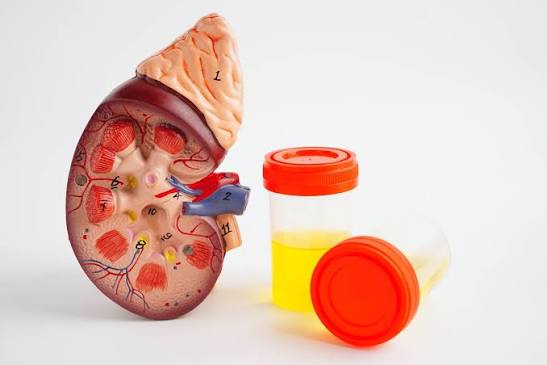
Chronic kidney disease does not progress at a fixed, inevitable rate. The difference between a patient whose eGFR declines by 1 milliliter per minute per year and one whose eGFR declines by 10 is not simply bad luck — it reflects, in large part, the quality and consistency of risk factor management. This distinction matters enormously in practical terms: at a rate of 1 ml/min/year, a patient starting at eGFR 45 (Stage G3b) takes roughly 30 years to reach kidney failure; at 5 ml/min/year, the same patient reaches it in 6 years. The evidence for slowing CKD progression has expanded substantially over the past decade, with multiple medication classes now proven to reduce the rate of decline across a range of CKD stages and causes. What works, how well it works, and what patients and providers can do right now to protect kidney function is the subject of this guide.
How CKD Progresses — and Why the Rate Matters
In the absence of treatment optimization, the average rate of eGFR decline in CKD is approximately 2 to 3 milliliters per minute per year. However, this average conceals wide variation. In patients with type 2 diabetes, uncontrolled hypertension, and significant proteinuria — particularly when all three factors coexist — annual eGFR decline can reach 10 to 15 ml/min/year or more. In patients with optimally managed CKD using the full range of currently available treatments, decline can be slowed to below 1 ml/min/year in some cases. That gap — between 10+ and under 1 — represents the opportunity that aggressive, evidence-based CKD management creates.
CKD progression is not always linear. Acute kidney injury (AKI) events — caused by severe infections, dehydration, nephrotoxic medications, or major surgeries — cause an abrupt, episodic drop in eGFR that frequently does not fully recover, permanently resetting the trajectory to a lower baseline. Even partial AKI recovery leaves behind nephron loss that accelerates the chronic progression curve. This makes the prevention of AKI episodes — through sick-day protocols, NSAID avoidance, and adequate hydration — a meaningful component of long-term CKD management, not a secondary concern.
The other critical principle is that intervention is most effective when kidney function is still substantially preserved. At Stage G1–G2, a 40 percent reduction in the rate of progression translates into decades of preserved function. At Stage G4, the same proportional slowing preserves fewer remaining milliliters of eGFR over fewer years. This is not an argument for hopelessness at later stages — meaningful slowing is achievable at G3 and G4, and even modest preservation of residual function at G4 can defer dialysis by months to years — but it is an argument for action at every stage, and for not waiting until a crisis to begin. The context of what each CKD stage represents and what each stage’s management goals are is covered in our guide to chronic kidney disease stages explained.
Reducing Proteinuria — The Most Powerful Target
Proteinuria — the presence of excess protein in the urine — is the single strongest predictor of CKD progression. A urine albumin-to-creatinine ratio above 300 mg/g (severely increased proteinuria, category A3) carries a risk of reaching kidney failure that is more than tenfold higher than the same eGFR level with normal albuminuria. Proteinuria does not merely reflect glomerular damage; it directly causes tubular injury, inflammation, and fibrosis — the mechanisms by which kidney disease becomes self-perpetuating. Reducing proteinuria is therefore not just a marker of treatment success; it is a mechanism of protection.
RAAS blockade with ACE inhibitors or ARBs is the foundational treatment for proteinuric CKD. By dilating the efferent arteriole, these agents reduce intraglomerular pressure — the pressure-driven filtration of protein that causes both the albuminuria itself and the downstream tubular injury. In landmark randomized trials — RENAAL (losartan in type 2 diabetic nephropathy), IDNT (irbesartan in type 2 diabetic nephropathy), and the REIN trials (ramipril in non-diabetic CKD) — ACE inhibitors and ARBs reduced the rate of reaching kidney failure by approximately 30 to 40 percent compared to other blood pressure agents that achieved similar blood pressure lowering. The antiproteinuric effect is the key: blood pressure reduction by other means does not confer the same kidney protection.
SGLT2 inhibitors have transformed the CKD management landscape in the past decade. Dapagliflozin (in the DAPA-CKD trial) and empagliflozin (in the EMPA-KIDNEY trial) demonstrated 30 to 44 percent relative risk reductions in composite kidney outcomes in patients with CKD — including both diabetic and non-diabetic CKD patients — compared to placebo on top of standard RAAS blockade. Their kidney-protective mechanisms include tubuloglomerular feedback restoration (which reduces intraglomerular hyperfiltration), anti-inflammatory effects, reduction of tubular energy demands, and modest BP and body weight reductions. KDIGO 2024 now recommends SGLT2 inhibitors for patients with type 2 diabetes and CKD with eGFR ≥20 and uACR ≥200 mg/g, and increasingly for non-diabetic CKD with significant proteinuria.
Finerenone, a non-steroidal mineralocorticoid receptor antagonist, adds a third mechanism. Unlike spironolactone and eplerenone — the older steroidal MRAs — finerenone has higher selectivity for the mineralocorticoid receptor and a lower risk of hyperkalemia, making it more suitable for use in CKD. The FIDELIO-DKD and FIGARO-DKD trials demonstrated an 18 to 23 percent relative risk reduction in kidney composite outcomes in patients with type 2 diabetes and CKD with uACR ≥30 mg/g, on top of maximum-tolerated RAAS blockade. Finerenone’s mechanism involves blocking the pro-inflammatory and pro-fibrotic effects of aldosterone in the kidney and heart — a pathway distinct from and complementary to RAAS blockade and SGLT2 inhibition.
GLP-1 receptor agonists — particularly semaglutide — add a fourth proven kidney-protective mechanism for patients with type 2 diabetes and CKD. The FLOW trial, published in 2024, demonstrated a 24 percent relative risk reduction in a composite kidney outcome (sustained 50% eGFR decline, kidney failure, kidney-specific death, or cardiovascular death) with semaglutide 1 mg weekly compared to placebo in patients with T2DM and CKD. The mechanism is multifaceted: direct renal anti-inflammatory effects, weight loss (which reduces proteinuria and BP), improved insulin sensitivity, and glucose lowering all contribute. For patients with obesity and CKD, GLP-1 agonists additionally provide the most effective pharmacological weight loss available.
The direction of the field is toward combining these agents — RAAS blockade, SGLT2 inhibitor, finerenone, and GLP-1 agonist — as complementary, non-redundant mechanisms. Each addresses a different pathway of glomerular injury and fibrosis. Careful monitoring of potassium (with finerenone) and eGFR (which may transiently dip with SGLT2 inhibitor initiation) is required, but the combination is increasingly supported by KDIGO 2024 recommendations for appropriate patients.
Blood Pressure Control Below 130/80
Hypertension is the second most consequential modifiable risk factor for CKD progression. Elevated blood pressure increases intraglomerular pressure directly, driving the same mechanical-stress injury to the glomerular filtration barrier that causes proteinuria and scarring. The combination of RAAS blockade (reducing both systemic and intraglomerular pressure) with blood pressure targets below 130/80 mmHg provides dual protection: the class-specific antiproteinuric effect plus the general benefit of systolic and diastolic BP reduction.
The target of below 130/80 mmHg applies to all patients with CKD — with or without diabetes — per KDIGO 2024 and the 2021 American Heart Association/American College of Cardiology guidelines. When an ACE inhibitor or ARB does not achieve this target alone, adding a dihydropyridine calcium channel blocker (amlodipine being the standard choice) or a thiazide-type diuretic (chlorthalidone preferred over hydrochlorothiazide based on outcome data) is the next step. Combining two RAAS agents (ACE inhibitor plus ARB) is not recommended — the ONTARGET trial established that dual RAAS blockade increases acute kidney injury and hyperkalemia risk without adding kidney protection benefit.
Blood pressure consistency across visits and across the day is important. Single-visit BP measurements can be misleading; ambulatory blood pressure monitoring, when feasible, gives a more accurate picture of the sustained BP burden the glomerulus faces. White-coat hypertension (elevated in clinic, normal at home) does not carry the same kidney risk as true sustained hypertension, while masked hypertension (normal in clinic, elevated at home) is clinically significant and frequently under-treated.
Glucose Control in Diabetic CKD
For the approximately 40 percent of CKD patients whose disease is driven or significantly accelerated by diabetes, glucose control remains one of the most important long-term modification targets. The UKPDS and ADVANCE trials established that intensive glucose control reduces the development and progression of diabetic nephropathy — the rates of new microalbuminuria and macroalbuminuria are substantially reduced with HbA1c maintained at or below 7 percent.
Modern diabetic CKD management, however, extends well beyond HbA1c. The kidney-protective effects of SGLT2 inhibitors, finerenone, and GLP-1 receptor agonists are at least partially independent of glucose lowering — they protect the kidney through mechanisms that operate alongside glycemic control, not merely as a consequence of it. This means that a patient with well-controlled diabetes (HbA1c 6.8%) who is not on an SGLT2 inhibitor and not on finerenone has suboptimal kidney protection, not because their glucose control is inadequate but because their kidney-specific protection regimen is incomplete. The modern framework is a combination approach: glucose control plus RAAS blockade plus SGLT2 inhibitor plus finerenone plus GLP-1 agonist in appropriate patients, each contributing independently to slowing progression.
Correcting Metabolic Acidosis
Metabolic acidosis — serum bicarbonate below 22 mEq/L — is common at CKD stages G3 and above and is frequently undertreated relative to its prognostic importance. The mechanisms by which acidosis accelerates CKD progression are multiple: acid accumulation drives endothelin-1 production in the kidney, which promotes inflammation and fibrosis; acidosis promotes muscle protein catabolism, which generates more acid and worsens malnutrition; and acidosis contributes to secondary hyperparathyroidism and bone disease.
The BICARBONATE trial — a randomized controlled trial of oral sodium bicarbonate supplementation in CKD patients with bicarbonate below 22 mEq/L — demonstrated a significant reduction in the rate of eGFR decline in the treatment group compared to placebo. Oral sodium bicarbonate tablets, dosed to maintain serum bicarbonate at or above 22 mEq/L, are the standard treatment. The dose typically starts at 650 mg twice daily and is titrated upward based on repeat bicarbonate measurements. Sodium loading (each gram of sodium bicarbonate contains 274 mg of sodium) can contribute to blood pressure elevation and fluid retention — a relevant consideration when titrating the dose in patients with significant hypertension or fluid overload.
A newer agent, veverimer, selectively binds and removes hydrochloric acid from the gut without the sodium load of sodium bicarbonate. Phase 3 trial data showed significant improvements in serum bicarbonate and in eGFR trajectory compared to placebo. Regulatory review of veverimer was ongoing as of 2025. Once available, it may offer an option for patients in whom sodium bicarbonate is limited by hypertension or sodium sensitivity.
Lifestyle Changes That Make a Measurable Difference
Medications slow CKD progression most effectively in an environment shaped by appropriate lifestyle choices. The lifestyle factors with the clearest evidence of impact on CKD progression are worth understanding in detail — they are not generic advice but specific interventions with measurable effects on proteinuria and eGFR trajectory.
Protein intake moderation is the most directly kidney-relevant dietary modification. KDIGO recommends a protein intake of 0.8 grams per kilogram of body weight per day for non-dialysis CKD patients — roughly the amount in a moderate-protein diet without deliberate high-protein additions. High-protein diets exceeding 1.3 g/kg/day increase glomerular filtration pressure and cause a measurable increase in proteinuria; this effect is observed with protein from any source, including plant protein in high quantities, though plant protein generally creates less glomerular stress per gram than animal protein. Protein supplement powders — used for athletic performance or general health — are a common source of protein intake far above the recommended level and should be discussed with the nephrology team. This does not mean near-zero protein restriction: adequate protein (0.8 g/kg/day) is essential to prevent sarcopenia, particularly important for CKD patients already facing muscle wasting risk.
Sodium restriction to below 2.3 grams per day (about 100 millimoles, equivalent to roughly one teaspoon of salt) reduces blood pressure and has a direct, additive antiproteinuric effect on top of RAAS blockade. The reduction in intraglomerular pressure from lower sodium is measurable on uACR within weeks of dietary change. The practical challenge is that most dietary sodium comes from processed and restaurant food rather than table salt additions; cooking from fresh ingredients is the most effective sodium-reduction strategy for most patients.
Smoking cessation is an underappreciated kidney-protective intervention. Smoking causes renal microvascular disease through endothelial dysfunction and accelerated arteriosclerosis — independent of its effects on blood pressure and cardiovascular risk. CKD patients who smoke have significantly faster rates of eGFR decline than non-smokers at the same CKD stage. Smoking cessation counseling and pharmacotherapy (varenicline, nicotine replacement) should be a standard part of the CKD care plan at every stage.
Exercise — at least 150 minutes per week of moderate aerobic activity — improves blood pressure, reduces body weight, increases insulin sensitivity, and has emerging evidence of anti-inflammatory effects that may benefit the kidney directly. KDIGO explicitly recommends regular physical activity as part of the CKD lifestyle management plan. Even modest amounts of structured activity produce meaningful improvements in the metabolic risk factors that drive CKD progression.
NSAIDs (ibuprofen, naproxen, and other anti-inflammatory analgesics) deserve emphasis as a separate avoidance category because of how commonly they are used and how significant their kidney risk is at all CKD stages. Each episode of NSAID-related AKI — even subclinical — causes permanent nephron loss that permanently resets the progression trajectory downward. The alternative for pain management in CKD is acetaminophen, which is safe at recommended doses and should be the default analgesic for CKD patients.
Avoiding Things That Accelerate Decline
Slowing CKD progression is not just about what patients add to their regimen — it is equally about what they avoid. Several exposures cause abrupt, irreversible drops in eGFR that permanently worsen the long-term trajectory.
Acute kidney injury from any cause is the most consequential accelerant of CKD progression. The sick-day rule — avoiding NSAIDs, maintaining hydration, and considering temporary holds on ACE inhibitors, ARBs, and diuretics during illness with vomiting, diarrhea, or fever — is the patient-facing version of this principle. The logic is straightforward: a kidney that is already operating at reduced capacity has much less tolerance for the additional stress of volume depletion or nephrotoxic exposure than a healthy kidney. A low threshold for calling the care team during illness is an important patient behavior in CKD management.
Nephrotoxic medications require active avoidance and management. Aminoglycoside antibiotics (gentamicin, tobramycin) are directly nephrotoxic and require careful dose adjustment and monitoring in CKD; alternatives should be used when clinically appropriate. Intravenous contrast for CT scans carries an AKI risk in advanced CKD, particularly when combined with dehydration or diabetes — pre-procedure IV hydration and post-procedure monitoring of creatinine are standard precautions. Gadolinium contrast for MRI is contraindicated at eGFR below 30 due to nephrogenic systemic fibrosis risk.
Poorly managed hyperkalemia is an indirect accelerant: when potassium rises too high on an ACE inhibitor or ARB, providers may discontinue the RAAS agent — removing the most effective kidney-protective medication class — when the appropriate response is to add a potassium binder (patiromer or SZC) and continue the RAAS agent. Avoiding the premature discontinuation of RAAS agents due to manageable hyperkalemia preserves the most important component of the CKD progression-slowing regimen.
Monitoring — Catching Changes Before They Become Irreversible
Slowing progression requires knowing whether the interventions are working. Monitoring at appropriate intervals is the feedback loop that makes the entire management system function. An eGFR or uACR measured once a year provides one data point; the same measurements every three to six months at Stage G3 reveal the trajectory — whether function is stable, slowly declining, or accelerating in a way that warrants a treatment change.
At Stages G3a and G3b, eGFR and uACR should be measured every three to six months depending on risk category — more frequently if albuminuria is A2 or A3. An eGFR decline exceeding 5 ml/min/year across two consecutive measurements is clinically significant and should trigger a search for a treatable accelerating factor: uncontrolled BP, new nephrotoxic exposure, a silent AKI event, worsening proteinuria from inadequate RAAS blockade, or poorly controlled diabetes. The uACR trend is the most sensitive early indicator of whether the treatment regimen is working: a falling uACR indicates effective kidney protection; a rising uACR signals the need for treatment adjustment. The complete monitoring checklist for each CKD stage is in our annual kidney health checklist.
Patients can participate meaningfully in their own monitoring by knowing their current eGFR and uACR values and their trends over the last two to three visits. This knowledge enables productive conversations at appointments: “My uACR went from 180 to 230 since last visit — is that significant, and should we adjust anything?” is a question that is impossible to ask without tracking the numbers. The framework for what questions to ask and what information to track at CKD monitoring appointments is in our guide to questions to ask during a kidney checkup.
When to See a Nephrologist
CKD management at early stages can be handled effectively by a well-informed primary care physician. As the disease progresses, or when specific complications arise, nephrology referral is appropriate and, at certain thresholds, mandatory for optimal care. KDIGO referral criteria include: eGFR below 30 (Stage G4 — nephrology care is required for KRT preparation and advanced complication management); eGFR below 45 (Stage G3b — nephrology referral is recommended); an eGFR decline exceeding 5 ml/min/year regardless of current eGFR; uACR above 300 mg/g; resistant hypertension (not controlled on three agents including a diuretic); and any clinical suspicion of a primary glomerular disease that might respond to specific immunosuppressive treatment.
Earlier nephrology involvement — at Stage G3b or before rapid progression is established — allows for the full four-agent protective regimen to be optimized, transplant planning to begin before crisis, and patient education about modality options to be completed without time pressure. Patients at Stage G3 or G4 who are not yet under nephrology care should discuss a referral with their primary care provider; many nephrologists now offer collaborative care models where they co-manage with primary care rather than taking over all care. The context of what early CKD monitoring involves and why it matters is covered in our companion article on early chronic kidney disease: why monitoring matters.
The Full Picture: What Slowing Progression Looks Like in Practice
Putting the evidence together, an optimally managed CKD patient with type 2 diabetes and proteinuria at Stage G3b would be on: an ACE inhibitor or ARB (RAAS blockade for BP and proteinuria), an SGLT2 inhibitor (added kidney and cardiovascular protection, DAPA-CKD/EMPA-KIDNEY evidence), finerenone (added anti-fibrotic kidney and CV protection, FIDELIO-DKD/FIGARO-DKD evidence), a GLP-1 receptor agonist (if not already prescribed for diabetes or obesity, FLOW trial evidence), sodium bicarbonate (if bicarbonate below 22 mEq/L), a statin (SHARP trial; cardiovascular protection), and dietary modifications — sodium below 2.3 g/day, protein 0.8 g/kg/day, NSAID avoidance. Blood pressure would be maintained below 130/80, and HbA1c at or below 7 percent with individualization. eGFR and uACR would be measured every three months.
This regimen is not overwhelming in practice — most of these medications are once-daily oral agents, and the dietary adjustments, while requiring genuine behavioral change, become habitual over time. What it does require is a proactive care team, a patient who understands why each element matters, and a monitoring system that catches drift before it becomes irreversible. The NIDDK’s CKD management resources, the KDIGO CKD guidelines, and the National Kidney Foundation’s patient-facing kidney protection resources all provide additional support for patients and providers navigating this framework. The starting point for patients newly diagnosed with early CKD — understanding why monitoring at that stage is the most important step — is our article on how doctors diagnose kidney disease, which explains what each test measures and what findings should trigger action.
Sources: National Institute of Diabetes and Digestive and Kidney Diseases (NIDDK); KDIGO 2024 CKD Evaluation and Management Guidelines; DAPA-CKD Trial (Heerspink HJL et al., NEJM 2020); EMPA-KIDNEY Trial (NEJM 2022); FIDELIO-DKD (Bakris GL et al., NEJM 2020); FIGARO-DKD (Pitt B et al., NEJM 2021); FLOW Trial (Perkovic V et al., NEJM 2024); BICARBONATE Trial; National Kidney Foundation.
Pingback: Salt and Kidney Health - Horizon Health Guide
Pingback: Processed Foods and Kidney Health - Horizon Health Guide
This is one of the clearest explanations of slowing kidney disease progression: what actually I have found. What I liked most was that the article didn’t just say what to avoid — it also gave alternatives. Exactly the kind of evidence-based information that is hard to find in one place.
This is one of the clearest explanations of slowing kidney disease progression: what actually I have found. I appreciate that the article is careful about distinguishing between what is known and what is still being researched. This gave me real confidence going into my next specialist appointment.
This is one of the clearest explanations of slowing kidney disease progression: what actually I have found. It is refreshing to see an article that acknowledges individual variation rather than one-size-fits-all advice. This is exactly why I prefer this website over generic health platforms.