
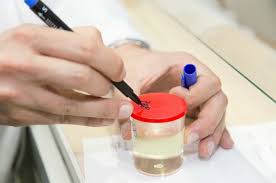
When urinary tract infection symptoms appear — burning with urination, increased frequency, pelvic pressure — a rapid urine test (urinalysis) can detect chemical signs of infection within minutes. But a urinalysis cannot tell you which bacteria is causing the infection or which antibiotic will eliminate it. That requires a urine culture, a test that takes 24 to 48 hours but provides far more specific information: the identity of the organism, the number of bacteria present, and a detailed map of which antibiotics it is susceptible to and which it resists.
Understanding how a urine culture works, what the results mean, and when it is — and is not — needed helps patients make sense of one of the most commonly ordered diagnostic tests in medicine and have more informed conversations with their clinicians about UTI management.
What Is a Urine Culture Test
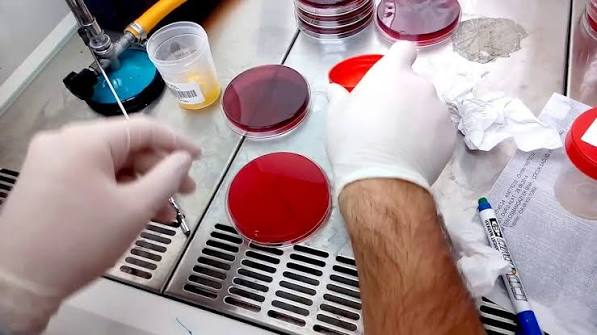
A urine culture is a microbiological test in which a small sample of urine is spread onto a nutrient-rich growth medium (an agar plate) and placed in an incubator at body temperature (35 to 37°C) for 18 to 48 hours. If bacteria or fungi are present in the urine in significant numbers, they multiply during incubation and form visible colonies. The laboratory technologist counts these colonies, identifies the organism, and then tests which antibiotics inhibit its growth. The result is reported as a colony count (in colony-forming units per milliliter, or CFU/mL) along with the organism’s name and a susceptibility panel.
The key distinction between a urine culture and a urinalysis (UA) is what each test detects. Urinalysis detects indirect markers of infection — nitrites, leukocyte esterase, and visible blood or white blood cells. It delivers results in 5 to 15 minutes but identifies only that infection is likely, not which organism is responsible or what antibiotic will work. Urine culture directly grows the infecting organism and tests its antibiotic susceptibility. It takes 24 to 48 hours but provides the specific information needed to treat the infection correctly.
The standard threshold for a positive urine culture varies by collection method:
- ≥100,000 CFU/mL in a midstream clean-catch specimen: the traditional threshold for uncomplicated UTI
- ≥1,000 CFU/mL in a catheterized specimen: lower threshold because catheter specimens are less likely to be contaminated
- Any growth in a suprapubic aspirate: any bacteria are clinically significant in this sterile specimen
How the Urine Sample Is Collected
The quality of a urine culture result depends heavily on how the specimen is collected. Contamination — bacteria from the skin, vaginal area, or foreskin entering the specimen rather than coming from the bladder itself — is the most common reason for a falsely positive or uninterpretable result.
Midstream clean-catch (MSU): The most common collection method. The patient cleans the urethral opening with an antiseptic wipe, begins urinating into the toilet for the first 10 to 20 mL to flush urethral bacteria, then captures the middle portion of the urine stream in a sterile container. Women have a higher contamination rate (approximately 20 to 30%) when technique is not carefully followed. Women should separate the labia before cleaning and keep them separated throughout urination.
Catheterized specimen: A urinary catheter is passed through the urethra into the bladder and urine is collected directly. Used for hospitalized patients who cannot produce a reliable clean-catch. For patients with an indwelling catheter already in place, the specimen should be collected from the sampling port on the catheter tubing — never from the collection bag, which will produce a falsely high colony count.
Suprapubic aspiration (SPA): A needle is inserted through the lower abdominal wall directly into the bladder under ultrasound guidance. Any bacteria or fungi growing from an SPA are clinically significant regardless of colony count. Used in newborns, patients with urethral abnormalities, or when other methods have repeatedly produced contaminated results.
What Happens to Your Sample in the Laboratory
After the specimen arrives at the laboratory, a standardized volume of urine is spread onto blood agar and MacConkey agar plates (MacConkey selectively grows gram-negative bacteria like E. coli and Klebsiella) and placed in an incubator. After 18 to 24 hours, a preliminary read is performed; the final result is available at 48 hours. Colonies are counted and cross-referenced to the inoculation volume to calculate the CFU/mL. The organism is then identified — modern laboratories often use MALDI-TOF mass spectrometry, which identifies an organism species within minutes by analyzing its protein fingerprint.
If colony counts exceed the threshold, antibiotic susceptibility testing (AST) is performed. Results are reported as Sensitive (S), Intermediate (I), or Resistant (R) for each antibiotic on the panel. A result of Sensitive means the antibiotic is expected to work at standard doses. Intermediate means the antibiotic may work at high doses or at sites where the drug reaches high concentrations — many antibiotics reach very high levels in urine even when blood levels are intermediate. Resistant means the antibiotic is unlikely to work.
When Is a Urine Culture Ordered
Urine culture is required for:
- Complicated UTI: UTI in men, pregnant women, patients with urinary tract abnormalities, immunocompromised patients, or any patient with a prior resistant UTI
- Pyelonephritis (kidney infection): always culture before starting antibiotics, because upper tract infections with resistant organisms require antibiotic adjustment to prevent treatment failure
- Treatment failure: symptoms persist 48 to 72 hours into empiric antibiotic therapy
- Pregnant women with any suspected UTI or asymptomatic bacteriuria: UTI in pregnancy carries significant risk of pyelonephritis and preterm birth; all positive cultures are treated and a test-of-cure culture is performed after treatment
- Before urological procedures: cystoscopy, ureteral stent placement, prostate biopsy — any instrumentation carries significant risk of bacteremia and sepsis if the urine is not sterile. See our article on cystoscopy for more on procedure preparation
- Recurrent UTIs: three or more UTIs per year in women or two or more in men — to identify whether recurrences represent relapse (same organism, inadequate treatment) or reinfection (new organism)
Urine culture is NOT routinely required for uncomplicated cystitis in a healthy non-pregnant woman with classic symptoms. The Infectious Diseases Society of America (IDSA) supports empiric antibiotic treatment of this population without culture, because the causative organisms and susceptibility patterns are predictable enough that culture adds cost and delay without improving outcomes. The culture becomes necessary if symptoms fail to resolve within 48 to 72 hours of starting treatment.
Reading Your Urine Culture Results
“No growth at 48 hours”: No bacteria or fungi grew to significant levels. Possible explanations include: antibiotics taken before specimen collection suppress bacterial growth; the symptoms are due to an STI (Chlamydia requires NAAT testing, not standard culture); or the cause is non-infectious (kidney stone, interstitial cystitis). See our article on blood in urine test results for more on evaluating persistent urinary symptoms.
“Mixed flora / polymicrobial — repeat specimen recommended”: Three or more organisms grew — almost always contamination rather than infection. A true bladder infection is almost always caused by a single organism. Repeat collection with careful technique is appropriate, not treating all organisms present.
“Escherichia coli, 100,000+ CFU/mL. Sensitive: nitrofurantoin, TMP-SMX, fosfomycin. Resistant: ampicillin.”: A classic positive culture. Three oral antibiotic options are available; the prescribing provider will select one based on the patient’s medical history, allergies, and renal function.
“E. coli, 100,000+ CFU/mL. ESBL-producing. Sensitive: nitrofurantoin, fosfomycin. Resistant: ampicillin, cephalexin, TMP-SMX, ciprofloxacin.”: An ESBL (extended-spectrum beta-lactamase) producing E. coli has acquired an enzyme that breaks down most oral antibiotics before they can work. For mild uncomplicated cystitis, nitrofurantoin or fosfomycin may still be effective. For pyelonephritis, IV carbapenem antibiotics are typically required.
Common Bacteria Found on Urine Culture
Escherichia coli (E. coli): Responsible for approximately 75 to 85% of uncomplicated UTIs in women. E. coli normally lives in the colon; it enters the urinary tract by traveling up the urethra. The short female urethra (approximately 3 to 4 cm, compared to 18 to 20 cm in men) explains why women have a dramatically higher lifetime UTI risk.
Klebsiella pneumoniae: Causes 5 to 10% of community UTIs and is significantly more common in hospital-acquired infections. Klebsiella is one of the organisms that most commonly acquires ESBL and carbapenem resistance genes.
Staphylococcus saprophyticus: Accounts for 5 to 10% of UTIs in young, sexually active women. It is one of the few gram-positive organisms that commonly causes uncomplicated cystitis and typically responds well to nitrofurantoin and trimethoprim-sulfamethoxazole.
Proteus mirabilis: A urease-producing organism that alkalinizes the urine, which promotes struvite kidney stone formation. Recurrent Proteus UTIs should prompt evaluation for kidney stones.
Enterococcus faecalis: Common in complicated UTIs and hospital-acquired infections. Enterococcus is inherently resistant to many antibiotics used for gram-negative organisms; treatment typically requires amoxicillin or nitrofurantoin.
Antibiotic Resistance on Urine Culture Reports
Antibiotic resistance is an increasingly common finding on urine culture reports. ESBL-producing organisms — most commonly E. coli and Klebsiella — carry genes encoding enzymes that break down the beta-lactam ring of most penicillins and cephalosporins. Treatment options include nitrofurantoin (for uncomplicated cystitis only, not pyelonephritis — it does not achieve adequate kidney tissue levels), fosfomycin (single-dose oral treatment for uncomplicated cystitis; retains activity against many ESBL organisms), and IV carbapenems for severe infection or pyelonephritis.
Fluoroquinolone resistance (resistance to ciprofloxacin and levofloxacin) is increasingly common in E. coli. Current guidelines advise against empiric fluoroquinolone use for uncomplicated cystitis in areas where local E. coli fluoroquinolone resistance exceeds 10%.
A key principle when culture results are available: de-escalate to the narrowest effective antibiotic. If a patient was started empirically on a broad-spectrum antibiotic and the culture shows the organism is sensitive to a narrower option, switching to the narrower agent is appropriate and reduces pressure that drives broader antibiotic resistance.
Asymptomatic Bacteriuria — When a Positive Culture Does Not Mean Treatment
Asymptomatic bacteriuria (ASB) is the presence of bacteria in urine at significant colony counts in a person who has no symptoms of urinary tract infection. ASB is very common: approximately 20 to 50% of elderly women, 15 to 40% of nursing home residents, and nearly all patients with a long-term indwelling catheter have bacteriuria.
The 2019 IDSA ASB guidelines explicitly state: do not screen for or treat ASB in non-pregnant adults, elderly patients, diabetics, patients with indwelling catheters, patients with spinal cord injury, or patients before orthopedic procedures. Treating ASB does not prevent UTIs, does not reduce hospitalization, and causes harm: antibiotic side effects, Clostridioides difficile infection, and accelerated antibiotic resistance.
Exceptions where ASB should be screened for and treated:
- Pregnant women: ASB in pregnancy carries a 20 to 35% risk of progressing to pyelonephritis, associated with preterm birth and maternal sepsis. All pregnant women should be screened at their first prenatal visit; positive cultures are treated and a test-of-cure culture is performed 1 to 2 weeks after treatment.
- Patients before invasive urological procedures: Pre-procedure urine culture, treatment if positive, and confirmation of sterility before proceeding is standard to prevent bacteremia and sepsis.
Catheter-Associated UTI (CAUTI)
Catheter-associated UTI (CAUTI) is the most common hospital-acquired infection in the United States. CAUTI is defined as UTI in a catheterized patient confirmed by a positive urine culture from a fresh catheter specimen combined with symptoms (fever, suprapubic tenderness, or worsening confusion in elderly patients). A positive urine culture in a catheterized patient without symptoms represents catheter-associated ASB — per IDSA, this should not be treated with antibiotics.
The CDC’s CAUTI prevention guidelines emphasize removing the catheter as soon as it is no longer clinically necessary. Each additional day of catheterization adds approximately 3 to 7% daily risk of bacteriuria. Catheter bundles — standardized protocols including indications review, sterile insertion technique, and daily reassessment of necessity — have dramatically reduced CAUTI rates in hospitals that implement them.
Frequently Asked Questions
How long does a urine culture take? A preliminary result is typically available within 24 hours of receiving the specimen. A full result including antibiotic susceptibility testing is available at 48 hours. Fungal UTIs may take 72 hours or longer. Some modern laboratories use rapid automated systems that can provide susceptibility results within 6 to 8 hours of colony identification.
Can I have a UTI with a negative urine culture? Yes. A negative standard culture does not rule out all causes of urinary symptoms. Possible explanations include antibiotics taken before specimen collection, chlamydia or gonorrhea (which require NAAT testing for diagnosis), urethral syndrome, interstitial cystitis, or a non-infectious cause. The related article on kidney function tests covers evaluation of persistent symptoms that may affect the kidneys.
Why was I told not to take antibiotics even though the culture was positive? A positive urine culture without symptoms is asymptomatic bacteriuria, which IDSA guidelines are explicit about not treating in most adults. Treating ASB causes more harm than benefit: antibiotic side effects, C. difficile infection risk, and accelerated antibiotic resistance. If you have symptoms that are not being recognized, have a direct conversation with your provider about those specific symptoms and ask whether further evaluation — such as a pelvic examination or cystoscopy — is warranted.
Urine Culture in Special Clinical Populations
Several patient groups require specific consideration when interpreting urine culture results or deciding whether and how to treat a positive culture.
Elderly patients: Bacteriuria is nearly universal in older adults — particularly elderly women — and the vast majority represents asymptomatic colonization rather than infection. The challenge in elderly patients, particularly those with dementia or communication difficulties, is that symptoms of UTI can be difficult to elicit. It is clinically tempting to attribute any change in behavior, increased confusion, or fall to a UTI when a positive urine culture is available — but this is a dangerous oversimplification. Delirium, confusion, and functional decline in elderly patients have many causes, and the presence of bacteriuria does not establish UTI as the responsible cause unless other evidence (fever, localizing urinary symptoms, leukocytosis) is present. Treating ASB in elderly patients with antibiotics to address non-specific symptoms not only fails to improve those symptoms reliably but exposes the patient to antibiotic side effects, C. difficile risk, and accelerated resistance. The correct approach is to evaluate for other causes of the change in status before attributing it to a urinary source.
Diabetic patients: Diabetes is a risk factor for complicated UTI (more severe infections, more resistant organisms, more risk of upper tract involvement) but not for asymptomatic bacteriuria. IDSA guidelines do not recommend screening for or treating ASB in diabetic women or men unless they are pregnant or about to undergo a urological procedure. When symptomatic UTI occurs in a diabetic patient, urine culture is always indicated to guide antibiotic selection, because diabetics are at higher risk for ESBL-producing organisms and for unusual infections (emphysematous pyelonephritis — a gas-forming kidney infection that is a diabetic emergency requiring urgent CT and often nephrectomy; and renal papillary necrosis, in which the papillae at the core of the kidney undergo ischemic infarction and can shed into the urine).
Men with UTI: A UTI in a man is by definition complicated and always requires urine culture before or at the time of starting antibiotics, because the infecting organism and its susceptibility pattern cannot be reliably predicted. Men have longer urethras and anatomically different urinary tracts, so UTI in men suggests an underlying predisposing factor: BPH (benign prostatic hyperplasia) causing urinary retention and stasis, urethral stricture, kidney stones, functional bladder abnormality, or sexual exposure leading to STI-associated urethritis (which is not a UTI but may mimic it). A man with a first UTI should have a urological evaluation to identify any anatomical or functional cause. Culture is essential because bacterial prostatitis — a serious complication requiring 4 to 6 weeks of antibiotic therapy — presents similarly to cystitis and requires long-course treatment with fluoroquinolones or trimethoprim, which penetrate prostate tissue; short-course antibiotics appropriate for simple cystitis will not eradicate prostatitis.
Patients with neurogenic bladder: Spinal cord injury, multiple sclerosis, and other conditions affecting bladder innervation lead to incomplete bladder emptying, urinary stasis, and chronic bacteriuria. The great majority of bacteriuria in this population is asymptomatic and should not be treated. Diagnosis of true UTI in neurogenic bladder patients is challenging because classic symptoms (dysuria, urgency) may be absent due to sensory impairment. Indicators that may suggest true UTI include new or increased spasticity, autonomic dysreflexia (a dangerous reflex elevation in blood pressure occurring in patients with high spinal cord injury), fever, increased urinary sediment, or a change in the character of the urine (more turbid or malodorous than baseline, when the patient reports their baseline is clear). Treatment should be guided by urine culture; empiric treatment without culture is particularly inappropriate in this population because antibiotic resistance from repeated treatment of ASB is extremely common.
Using Urine Culture to Guide Antibiotic Duration and Follow-Up
The culture result informs not just which antibiotic to use but also how long to treat and whether follow-up testing is needed.
Treatment duration by infection type:
- Uncomplicated cystitis in women (E. coli or other susceptible organism): 3 to 7 days depending on the antibiotic. Nitrofurantoin: 5 days; TMP-SMX: 3 days; fosfomycin: single dose; fluoroquinolones: 3 days (though avoided as first-line to preserve their utility). Longer courses in young women do not improve outcomes and increase side effect risk.
- Complicated UTI or pyelonephritis: Typically 7 to 14 days depending on severity and whether hospitalization is required. The culture result at 24 to 48 hours allows de-escalation from an empirically chosen broad-spectrum antibiotic to the narrowest effective option.
- Catheter-associated UTI (symptomatic): 7 days for most patients. Remove or replace the catheter as part of treatment. Post-treatment test-of-cure culture is recommended for catheterized patients.
- Bacterial prostatitis (acute): 4 to 6 weeks with a fluoroquinolone or TMP-SMX to achieve adequate prostate tissue penetration and prevent relapse.
Test-of-cure culture: Routinely recommended after treatment of:
- UTI in pregnant women (re-screen 1 to 2 weeks post-treatment and monthly thereafter until delivery)
- Pyelonephritis (confirm eradication after completing the full course)
- CAUTI after catheter removal
- Children with febrile UTI (pyelonephritis) to confirm eradication and assess for vesicoureteral reflux if recurrent
Test-of-cure is generally not recommended for uncomplicated cystitis in healthy non-pregnant women who are symptom-free after completing treatment — symptomatic resolution is the clinical endpoint, and a positive asymptomatic culture after treatment is likely ASB (which should not be re-treated).
When persistent or recurrent cultures are positive: If a patient completes an antibiotic course, was symptom-free, and then develops symptoms again with a positive culture, the new culture should be evaluated carefully. Relapse (same organism, same susceptibility pattern) within 2 weeks of completing treatment suggests the antibiotic course was insufficient — either the wrong drug, inadequate dose, or too short a course — and longer therapy or a different antibiotic is indicated. Reinfection (a different organism, or the same organism after a longer symptom-free interval) represents a new exposure event and is treated as a new episode of UTI. In patients with frequent reinfections (three or more per year), culture at each episode allows monitoring of resistance development and guides decisions about prophylactic antibiotic strategies or behavioral interventions (post-coital voiding, D-mannose supplementation, vaginal estrogen in postmenopausal women).
Sources: IDSA Asymptomatic Bacteriuria Guidelines | CDC CAUTI Prevention | NIDDK Bladder Infection / UTI | Urology Care Foundation — UTI | Related: Urinalysis: What It Can Show | Blood in Urine Test Results | Cystoscopy: What Patients Should Know | Kidney Function Tests
I have been reading about urine culture test explained for weeks and this is the most thorough guide I found. I have tried following advice from several sources but this is most consistent with what my specialist told me. This is going into my health folder that I bring to every doctor’s visit.
My doctor recommended I look into urine culture test explained and this article covered it perfectly. I have tried following advice from several sources but this is most consistent with what my specialist told me. This gave me real confidence going into my next specialist appointment.
Really well-written article on urine culture test explained. I appreciated how the article addressed both the clinical side and the practical adjustments. Thank you for making complex medical information accessible without dumbing it down.