
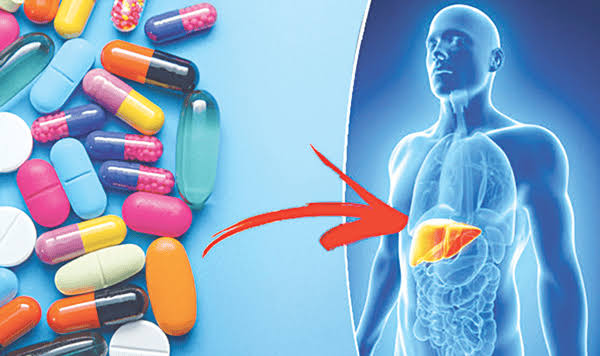
Liver safety and medications is a topic that affects far more people than commonly recognised — drug-induced liver injury (DILI) is responsible for approximately 50% of all cases of acute liver failure in the United States, and paracetamol (acetaminophen) overdose alone accounts for roughly half of those cases. Yet the liver’s remarkable capacity for self-repair means that most medication-related liver enzyme elevations are transient and self-resolving. The challenge is distinguishing the predictable, dose-related hepatotoxicity of agents like paracetamol from the idiosyncratic, unpredictable reactions that can occur with dozens of commonly used medications — reactions that often develop weeks to months after the drug is started and can mimic other liver diseases.
This article covers how the liver processes medications and is vulnerable to drug-related injury, the specific hepatotoxicity profiles of the most commonly used medications, how to use liver tests to monitor medication safety, and when medication-related liver effects require immediate medical attention versus simply watchful monitoring. For the specific GI considerations around pain relievers — including why paracetamol is stomach-safer than NSAIDs while carrying its own liver risks — see the article on pain relievers and stomach safety. The supplement-specific considerations are covered in the companion article on why you should review supplements with liver concerns.
How the Liver Processes Medications
The liver is the primary site of drug metabolism in the body. After an orally ingested medication is absorbed from the gut, it travels via the portal circulation directly to the liver before reaching the systemic circulation — a process called first-pass metabolism. Hepatocytes (liver cells) contain the cytochrome P450 (CYP) enzyme system, a family of oxidative enzymes that metabolise most drugs by chemically transforming them into water-soluble compounds that can be excreted in bile or urine. This metabolic transformation is usually a detoxification process — the parent drug or its metabolites become less pharmacologically active and easier to eliminate. In some cases, however, hepatic metabolism converts a relatively non-toxic parent drug into a reactive or toxic metabolite, and it is this metabolite that is responsible for hepatotoxicity.
Paracetamol illustrates this process clearly. At therapeutic doses, approximately 90% of paracetamol is conjugated to non-toxic glucuronide or sulfate metabolites for excretion. Approximately 5–10% is metabolised via CYP2E1 to NAPQI (N-acetyl-p-benzoquinone imine) — a highly reactive, toxic metabolite that is rapidly detoxified by conjugation with glutathione and excreted as a mercapturic acid. When paracetamol dose exceeds the liver’s glutathione supply (either through overdose, or through reduced glutathione due to fasting, malnutrition, or chronic alcohol use), NAPQI accumulates and causes centrilobular hepatocyte necrosis — the characteristic pattern of paracetamol hepatotoxicity.
Drug-induced liver injury is classified into two patterns. Intrinsic (predictable, dose-related) DILI follows a predictable dose-response relationship and occurs in most or all people who receive a sufficient dose — paracetamol overdose hepatotoxicity and isoniazid hepatotoxicity at high doses are examples. Idiosyncratic DILI is dose-independent, unpredictable, and affects only a small fraction of users (often 1 in 1,000 to 1 in 100,000) — it likely reflects individual immunological or metabolic susceptibility factors and cannot reliably be predicted from liver tests during therapy, making it the more challenging clinical problem.
Paracetamol Hepatotoxicity: Dose-Response and Risk Factors
Paracetamol is the most common cause of drug-induced acute liver failure in the UK and US — overwhelmingly from intentional overdose, but a meaningful minority from inadvertent therapeutic overdose. The therapeutic maximum of 4 grams per day in healthy adults provides a safety margin: NAPQI production at 4 g/day is matched by glutathione reserves in healthy adults with adequate nutritional status and no heavy alcohol use. The safety margin narrows substantially in several risk situations:
- Chronic heavy alcohol use: Ethanol induces CYP2E1, the enzyme responsible for NAPQI production, and chronic alcoholism depletes hepatic glutathione. Both effects increase NAPQI accumulation at therapeutic paracetamol doses. The safe dose recommendation for adults who drink regularly is 2 grams per day or less, and some guidelines recommend avoiding paracetamol entirely in patients with alcoholic liver disease.
- Fasting or malnutrition: Glutathione synthesis requires adequate cysteine and other precursors from dietary protein. Prolonged fasting, eating disorders, or malnutrition deplete hepatic glutathione, reducing the liver’s capacity to detoxify NAPQI at standard doses.
- Concurrent enzyme-inducing medications: Drugs that induce CYP2E1 or CYP3A4 (including rifampicin, carbamazepine, phenytoin, phenobarbital, and some antiretroviral drugs) increase paracetamol conversion to NAPQI. Patients on these medications should use paracetamol at the lower end of the dose range.
- Pre-existing liver disease: Patients with cirrhosis or significant fibrosis have reduced hepatocyte mass and often reduced glutathione capacity. Paracetamol remains preferable to NSAIDs (which are contraindicated in significant liver disease) but should be used at the minimum effective dose.
- Multiple paracetamol-containing products: Many combination OTC preparations — cold and flu remedies, night-time pain relievers, combination analgesics — contain paracetamol. Inadvertent double-dosing by taking a standalone paracetamol tablet alongside a combination product containing paracetamol is a common mechanism of therapeutic overdose.
Statin Hepatotoxicity: Separating Enzyme Rise From Injury
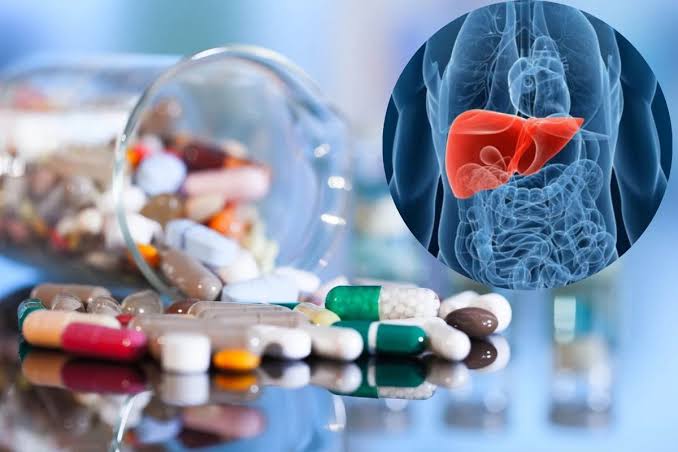
Statins (atorvastatin, simvastatin, rosuvastatin, pravastatin) are among the most prescribed drug classes worldwide. They commonly cause asymptomatic mild elevations in liver enzymes (ALT, AST) in 1–3% of users, and historically this led to recommendations for regular liver function test monitoring during statin therapy. Current guidelines from major cardiology and hepatology societies have largely abandoned routine LFT monitoring for statin users without liver disease, based on evidence that the mild enzyme elevations seen with statins rarely progress to significant liver injury and are not predictive of clinically meaningful hepatotoxicity.
Clinically significant statin hepatotoxicity — characterised by ALT elevations more than 3 times the upper limit of normal with symptoms of hepatitis (jaundice, right upper quadrant pain, fatigue, dark urine) — is rare, estimated at 1–3 cases per million person-years of statin use. This is not meaningfully higher than the background rate of unexplained liver enzyme elevations in the general population. Statins do not cause chronic liver disease or cirrhosis with therapeutic use, and most hepatology guidelines explicitly state that mild or moderate chronic liver disease (including non-alcoholic fatty liver disease, the most common chronic liver condition) is not a contraindication to statin use. This distinction is clinically important because patients with NAFLD and cardiovascular risk are often the patients who stand to benefit most from statin treatment.
Other Common Medications With Hepatotoxicity Profiles
Several other widely used medication classes carry meaningful hepatotoxicity profiles that patients and clinicians should be aware of:
Antibiotics: Amoxicillin-clavulanate (co-amoxiclav) is the most common cause of antibiotic-related DILI in developed countries, causing cholestatic hepatitis in approximately 1 in 2,500 users. The injury typically appears 1 to 6 weeks after starting the antibiotic and is usually self-resolving after stopping, though a minority of cases progress to prolonged cholestasis. Fluoroquinolones, nitrofurantoin (particularly with long-term use), and isoniazid (used in tuberculosis treatment) also have notable hepatotoxicity profiles. The digestive side effect profile of antibiotics more broadly is addressed in the article on antibiotics and digestive side effects.
Antiepileptics: Valproic acid has well-documented hepatotoxicity risk, including a rare but potentially fatal idiosyncratic hepatotoxicity that most often affects children under 2 on multiple antiepileptics. Carbamazepine and phenytoin cause mild transient enzyme elevations in a proportion of users and rare cases of severe hypersensitivity hepatitis. Regular LFT monitoring is appropriate during the early phases of antiepileptic therapy.
Methotrexate: Used in rheumatoid arthritis, psoriasis, and oncology at different doses. At the low doses used for inflammatory conditions, methotrexate causes hepatic fibrosis rather than acute hepatitis — a dose-dependent, cumulative effect on hepatic collagen formation that can progress to cirrhosis with long-term use. Regular liver monitoring and periodic liver biopsy in higher-risk patients is standard practice in methotrexate management.
Amiodarone: The antiarrhythmic drug amiodarone is a well-established cause of chronic hepatotoxicity, accumulating in hepatocytes due to its highly lipophilic character and very long half-life. Amiodarone hepatotoxicity develops slowly over months to years of treatment and can progress to cirrhosis. Regular liver function monitoring is standard practice in patients on long-term amiodarone.
Interpreting Liver Tests in Medication Users
Elevated liver enzymes in a patient taking a potentially hepatotoxic medication are not automatically DILI — they may reflect pre-existing liver disease (NAFLD is present in 25–30% of the adult population and is frequently incidentally discovered on routine tests), coincidental viral hepatitis, thyroid disease, or other causes. The clinical assessment of possible DILI requires establishing a temporal relationship between drug exposure and enzyme elevation, excluding other causes, and applying validated assessment tools (the Roussel Uclaf Causality Assessment Method, RUCAM, is the most widely used).
The pattern of enzyme elevation provides important information. Hepatocellular injury (predominantly ALT elevation) suggests direct hepatocyte damage — the pattern seen with paracetamol, statins, and most idiosyncratic DILI. Cholestatic injury (predominantly ALP elevation with or without bilirubin elevation) suggests bile duct damage or impaired bile secretion — the pattern seen with co-amoxiclav and some antidepressants. Mixed patterns involve both hepatocellular and cholestatic features.
The magnitude of elevation matters significantly. ALT elevations less than 3 times the upper limit of normal in an asymptomatic patient on a medication with a known mild hepatotoxicity profile (like statins) generally warrant monitoring rather than immediate medication discontinuation. ALT elevations more than 3 times the upper limit of normal, any elevation accompanied by jaundice or symptoms, or a rapidly rising ALT on a potentially hepatotoxic medication warrant urgent specialist assessment. The healthy lifestyle habits that support liver health alongside any medication regimen are explored in the article on healthy habits for liver and digestive health.
NSAIDs and Liver Safety
NSAIDs have a somewhat different hepatotoxicity profile from paracetamol. While NSAIDs can cause liver enzyme elevations — diclofenac causes ALT elevations more than 3 times the upper limit of normal in approximately 3% of users — clinically significant hepatic injury from NSAIDs is less common than from paracetamol. Diclofenac is the NSAID most frequently associated with hepatotoxicity among the class, with rare cases of severe hepatitis and liver failure reported. Sulindac and piroxicam also carry higher hepatotoxicity profiles than ibuprofen or naproxen.
More critically, NSAIDs are substantially more dangerous than paracetamol in patients with pre-existing significant liver disease (cirrhosis, portal hypertension, or liver failure). NSAIDs reduce prostaglandin-mediated renal and hepatic vasodilation, compromising the renal and splanchnic circulation in patients who are already haemodynamically dependent on prostaglandins to maintain adequate perfusion. In patients with cirrhosis, NSAID use is associated with acute kidney injury, sodium and water retention worsening ascites, and hepatorenal syndrome — a potentially fatal deterioration in kidney function caused by severe renal vasoconstriction. NSAIDs are contraindicated in patients with decompensated cirrhosis (ascites, hepatic encephalopathy, or variceal bleeding) for this reason. In patients with compensated chronic liver disease, NSAIDs should be used with extreme caution and only when paracetamol is inadequate, at the lowest dose and shortest duration, with close monitoring. The comparison between paracetamol and NSAIDs for stomach safety — and the frameworks for choosing between them — is explored in detail in the pain relievers and stomach safety article alongside the digestive medication overview at digestive medications for adults.
- Paracetamol: maximum 4 g/day (2 g/day with heavy alcohol use or liver disease); check all other products for paracetamol content
- Statins: baseline LFT if clinically indicated; no routine monitoring needed in low-risk users
- Methotrexate: LFTs every 4–8 weeks; periodic liver biopsy in patients on long-term therapy
- Amiodarone: LFTs every 6 months
- Antiepileptics (valproate, carbamazepine): LFTs at baseline and during the first year of treatment
- Isoniazid: baseline LFTs; monthly monitoring during tuberculosis treatment
- Any medication with newly elevated enzymes: reassess timing, dose, and other liver disease risk factors
Frequently Asked Questions
Yes — paracetamol at standard therapeutic doses (up to 4 g/day in otherwise healthy adults) is generally safe in patients with non-alcoholic fatty liver disease (NAFLD). NAFLD, even when associated with mild enzyme elevations, does not meaningfully impair the glucuronidation and sulfation pathways that handle 90% of paracetamol metabolism. The concern about paracetamol and liver disease primarily applies to advanced cirrhosis (where hepatocyte mass and glutathione capacity are significantly reduced) and to alcoholic liver disease (where CYP2E1 is induced). For most patients with NAFLD, paracetamol remains a safer analgesic choice than NSAIDs.
Not automatically. Mild to moderate enzyme elevations (up to 3 times the upper limit of normal) in an asymptomatic patient on a statin are common, not predictive of clinically significant hepatotoxicity, and in most cases are managed with dose reduction, switching to a different statin, or watchful monitoring. Do not stop your statin without consulting your prescriber — the cardiovascular benefit of statins in appropriate patients is substantial, and unnecessary discontinuation carries real clinical risk. If your ALT is more than 3 times the upper limit of normal, or if you have symptoms (jaundice, significant fatigue, right upper quadrant discomfort, dark urine), contact your GP before the next scheduled review.
The early symptoms of drug-induced liver injury are non-specific: fatigue, nausea, reduced appetite, and vague right upper quadrant discomfort are the most common initial complaints. Jaundice (yellowing of the skin or whites of the eyes), dark urine, pale stools, and persistent itching are signs of cholestatic liver injury or significant hepatocellular damage that warrant urgent medical assessment. Because these symptoms are common and non-specific, they are easily attributed to other causes — the key is to mention all current medications (including supplements) to your doctor when reporting these symptoms so that DILI is included in the differential diagnosis.
Occasional moderate alcohol consumption (one to two drinks per occasion, fewer than 14 units per week) does not meaningfully alter paracetamol hepatotoxicity risk in otherwise healthy adults. The concern about paracetamol and alcohol applies to chronic heavy drinking (more than 14 units per week regularly, or binge drinking patterns) — not to moderate, occasional consumption. If you have an evening drink and take paracetamol for a headache the next morning, this does not represent a dangerous combination for a healthy adult. However, taking paracetamol at the standard dose (1 g) on the same night as heavy alcohol consumption in someone who drinks heavily most days is a different risk situation, and 2 g/day is more appropriate than 4 g/day for regular heavy drinkers.
Many common OTC preparations contain paracetamol as a component: Lemsip, Beechams, NightNurse, Panadol Night, Solpadeine, co-codamol, Tylenol PM, and many cold-and-flu preparations. A patient taking a standalone paracetamol tablet (1 g) plus two doses of Lemsip (500 mg each) plus a co-codamol tablet (500 mg) has taken 3 grams from that small combination alone. If this is repeated multiple times over 24 hours, the cumulative dose easily exceeds the 4 g daily maximum. Reading all product labels for paracetamol content and counting the total daily dose across all products is important, particularly when self-managing cold and flu symptoms with multiple preparations simultaneously.
No — herbal and botanical supplements are among the most significant causes of drug-induced liver injury in high-supplement-consuming populations, and the growing use of herbal remedies has been associated with an increasing proportion of DILI cases in multiple registries. The absence of pharmaceutical regulation means that herbal products are not subject to the same pre-market safety testing, batch consistency requirements, or post-market pharmacovigilance that applies to licensed medicines. Pyrrolizidine alkaloids, present in many traditional herbs, are directly hepatotoxic; green tea extract, kava, black cohosh, pennyroyal, and many others have documented hepatotoxicity cases. The detailed supplement-liver safety issue is explored in the companion article on why you should review supplements with liver concerns.
If you have taken significantly more than the recommended dose of paracetamol — particularly more than 150 mg/kg body weight or 7.5–10 grams in a single dose — seek emergency medical attention immediately, even if you feel well. Paracetamol overdose may produce no symptoms or only mild nausea for the first 24 hours while significant liver damage is developing. The antidote (intravenous N-acetylcysteine) is most effective when given within 8–10 hours of overdose — waiting for symptoms to develop substantially reduces its effectiveness. Do not wait to see if you develop symptoms. Call emergency services or go to the nearest emergency department and inform them of the timing and approximate dose.
You have taken a paracetamol overdose (even if you feel well — act within 8–10 hours), or you develop jaundice, dark urine, pale stools, or significant right upper quadrant pain while taking a potentially hepatotoxic medication. Also seek prompt assessment for ALT elevation more than 3 times the upper limit of normal, or any liver enzyme elevation accompanied by symptoms, in a patient on a hepatotoxic medication. Do not stop prescribed medications without medical advice — particularly statins, antiepileptics, or cardiac medications — but do contact your prescriber promptly when liver concerns arise.
- NHS. (2023). Paracetamol. National Health Service (UK). Available at: nhs.uk/medicines/paracetamol-for-adults
- LiverTox. (2024). Drug-induced liver injury: overview. National Institutes of Health. Available at: ncbi.nlm.nih.gov/books/NBK548814
- Chalasani NP, Hayashi PH, Bonkovsky HL, et al. (2014). ACG clinical guideline: the diagnosis and management of idiosyncratic drug-induced liver injury. American Journal of Gastroenterology, 109(7), 950–966.
- Björnsson ES, Bergmann OM, Björnsson HK, et al. (2013). Incidence, presentation, and outcomes in patients with drug-induced liver injury in the general population of Iceland. Gastroenterology, 144(7), 1419–1425.
- Fontana RJ. (2014). Pathogenesis of idiosyncratic drug-induced liver injury and clinical perspectives. Gastroenterology, 146(4), 914–928.
- European Association for the Study of the Liver (EASL). (2019). EASL clinical practice guidelines: drug-induced liver injury. Journal of Hepatology, 70(6), 1222–1261.
- Navarro VJ, Khan I, Björnsson E, et al. (2017). Liver injury from herbal and dietary supplements. Hepatology, 65(1), 363–373.
The paracetamol combination products section is something I genuinely needed to read. During a recent bout of flu I was simultaneously taking Lemsip Max, NightNurse, and paracetamol tablets for pain — it didn’t occur to me to check the paracetamol content of all three. Looking back, on one day I almost certainly took between 5 and 6 grams of paracetamol across the products. I was fortunate to have no ill effects, but the article made clear this could have been significantly more dangerous if I’d also been fasting (I barely ate for two days during the illness) or drinking. The point about counting total daily paracetamol across all products, not just the standalone paracetamol tablets, is a practical insight I’ll pass on to family members who take multiple OTC cold remedies simultaneously. This also makes me want to check the packages of all my regular OTC medicines now to see which ones contain paracetamol.
The combination products issue is unfortunately very common during cold and flu season — it’s one of the most frequent mechanisms of inadvertent therapeutic paracetamol overdose, which represents a meaningful proportion of cases presenting to emergency departments with elevated liver enzymes. The practical safeguard is straightforward: read the active ingredient list on every OTC product before taking it, and if multiple products contain paracetamol, treat them as a combined dose against your 4 g daily maximum. For those periods when you’re taking multiple preparations (cold and flu remedies, night formulations, daytime pain relief), choosing products that don’t overlap on paracetamol is worth the extra five minutes at the pharmacy. A pharmacist can review your planned combination of products and give specific advice on which ones can be safely combined — this is a common and legitimate question to bring to a pharmacy consultation, and most pharmacists are very willing to help with exactly this kind of medication safety check.
I’ve been on atorvastatin for seven years and my GP recently mentioned that my ALT is slightly elevated — about 1.5 times the upper limit of normal on the last test. She suggested stopping the statin to see if the enzyme normalises. After reading this article, I understand why the guideline position is that mild enzyme elevations from statins (less than 3x ULN) are generally not sufficient reason to stop — and that the cardiovascular benefit of the statin is real and significant for someone with my risk profile. I’ll have a more informed conversation with my GP about whether the mild elevation warrants stopping or whether a reduced dose or different statin might be a more appropriate response. The point about NAFLD being extremely common and often the cause of incidentally found enzyme elevations regardless of statin use is also relevant — I should probably be assessed for that as an independent cause rather than assuming the statin is responsible.