
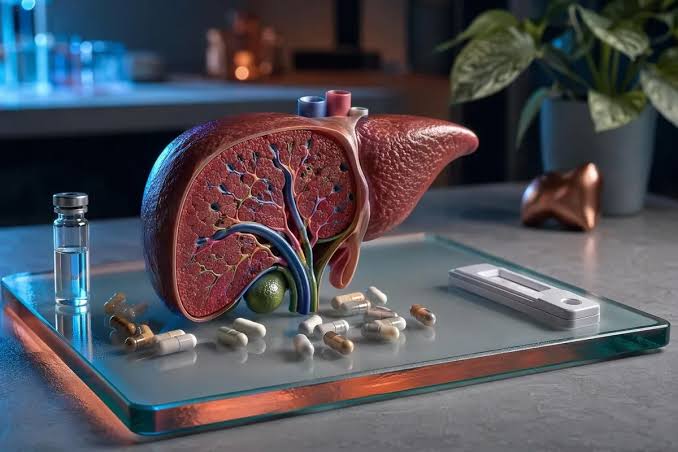
The decision to review supplements with liver concerns is more urgent than most supplement users appreciate. Herbal and dietary supplement-induced liver injury (HILI) now accounts for 20% of drug-induced liver injury cases in specialist hepatology centres in the United States — a proportion that has roughly doubled over the past decade as supplement use has grown. Unlike pharmaceutical medications, supplements are not required to demonstrate safety or efficacy before reaching consumers in most markets, are not subject to post-market pharmacovigilance requirements equivalent to those applied to licensed drugs, and are frequently taken without disclosure to healthcare providers. The result is that supplement-related liver injury is often not diagnosed promptly, and patients continue taking the responsible product unaware that it is causing progressive liver damage.
This article covers why supplements carry genuine liver risk, the specific supplements most commonly implicated in hepatotoxicity, what the supplement regulatory environment means for consumer risk, how to identify supplement-related liver injury, and how to have a productive conversation with a healthcare provider about supplement use in the context of liver health. The companion article on liver safety and medications covers the equivalent territory for pharmaceutical drugs. For foundational information on digestive and liver health behaviours, the article on healthy habits for liver and digestive health provides a practical lifestyle framework.
Why Supplements Carry Liver Risk
The common assumption that supplements are safer than pharmaceutical drugs because they are “natural” does not hold up to clinical scrutiny. Many of the most hepatotoxic compounds known to medicine are naturally occurring: pyrrolizidine alkaloids (found in hundreds of plant species), aflatoxins (produced by moulds), and numerous botanical hepatotoxins predate pharmaceutical drug development by millennia. The fact that a compound originates from a plant or natural source provides no protection against its capacity to damage hepatocytes — the liver processes plant-derived compounds through the same cytochrome P450 enzyme system that metabolises pharmaceutical drugs, and can generate reactive or toxic metabolites from botanical compounds just as from synthetic ones.
Several factors specific to the supplement industry amplify hepatotoxicity risk beyond what the chemistry alone would suggest. First, supplement manufacturing standards for identity, purity, and dose are significantly weaker than pharmaceutical GMP (Good Manufacturing Practice) standards in most markets. Independent laboratory analyses of commercially available supplements have repeatedly found significant discrepancies between labelled and actual ingredient concentrations, the presence of unlabelled ingredients (including pharmaceutical drugs deliberately adulterated to produce weight loss, sexual performance, or athletic performance effects), and botanical misidentification substituting one species for another with a different safety profile. Second, the absence of pre-market efficacy or safety review means that the human hepatotoxicity of many supplements is not characterised until after large numbers of consumers have already been exposed. Third, consumers rarely attribute new symptoms to supplements they have been taking for months, and are often not asked about supplement use in medical assessments — creating a diagnostic blind spot.
Supplements Most Commonly Implicated in Liver Injury
The World Journal of Gastroenterology, LiverTox database (NIH), and the Drug-Induced Liver Injury Network (DILIN) have documented a consistent set of supplements responsible for the majority of HILI cases:
Green tea extract (EGCG): The most frequently reported cause of supplement-induced liver injury in recent Western case series. Green tea extract in concentrated supplement form (typically 400–800 mg EGCG per capsule, compared to 50–100 mg per cup of brewed tea) has been associated with dozens of cases of acute hepatitis and several cases of liver failure requiring transplantation. The hepatotoxicity appears to be dose-related and may be potentiated by fasting. Brewed green tea at normal consumption levels has not been associated with hepatotoxicity. Multiple national regulatory bodies (Australia’s TGA, the European Food Safety Authority) have issued safety assessments concluding that high-dose green tea extract supplements carry a hepatotoxicity risk that is not acceptable without medical supervision.
Kava (Piper methysticum): A Polynesian traditional beverage increasingly sold as an OTC anxiolytic. Kava has caused severe hepatotoxicity including liver failure and deaths, leading to bans or restrictions in multiple European countries, Canada, and Australia. The kavalactones responsible for kava’s anxiolytic effect appear to also inhibit hepatic CYP enzymes, and kava alkaloids (present in root-bark preparations but not traditional water-based preparations) are directly hepatotoxic. The US FDA has issued warnings but has not banned kava.
Anabolic steroids and bodybuilding supplements: Testosterone precursors, designer anabolic steroids, and “pro-hormones” sold in bodybuilding supplement channels cause a cholestatic hepatitis pattern — bile plugs, hepatocyte death, and prolonged jaundice — that can persist for months after stopping the supplement. In severe cases, this progresses to vanishing bile duct syndrome, a condition where bile ducts are permanently destroyed, leading to cirrhosis. This is one of the most severe supplement-induced liver injury patterns and disproportionately affects young men.
Weight loss supplements: A large and heterogeneous category with historically high rates of pharmaceutical adulteration. Multiple weight loss supplements have been found to contain undisclosed sibutramine, DNP (2,4-dinitrophenol — a dangerous metabolic uncoupler), usnic acid, ephedra, or other compounds with significant hepatotoxic or cardiovascular risk profiles. The combination of unpredictable composition and direct hepatotoxic ingredients makes this one of the highest-risk supplement categories from a liver safety perspective.
Black cohosh: Used for menopausal symptoms, black cohosh has been associated with cases of acute hepatitis and liver failure in multiple countries. The mechanism is not fully established; the hepatotoxic component is not the isoflavone compounds typically attributed as active ingredients, suggesting potential adulteration or misidentification as a contributing factor in some cases.
Traditional and ayurvedic herbal medicines: Ayurvedic preparations containing heavy metals (mercury, lead, arsenic), Chinese herbal medicines containing pyrrolizidine alkaloid-containing plants (comfrey, borage, coltsfoot, plants misidentified as Gynura or Senecio), and traditional remedies sold without standardised composition or quality control have produced significant HILI caseloads globally. Heavy metal contamination from ayurvedic preparations is a distinct mechanism from botanical hepatotoxicity, and is detectable on blood and urine testing.
The Regulatory Gap and What It Means for Consumers
In the United States, the Dietary Supplement Health and Education Act (DSHEA) of 1994 created a regulatory framework that places the burden of proof for safety on the FDA rather than on manufacturers. Under DSHEA, supplement manufacturers do not need to demonstrate that their product is safe or effective before bringing it to market — they need to notify the FDA of new dietary ingredients and are required to produce supplements under Good Manufacturing Practice regulations, but the FDA cannot require pre-market safety evidence. In the EU, the situation is somewhat stronger — health claims require substantiation — but the pre-market safety evaluation for botanical supplement products is inconsistently applied across member states.
The practical consequence is that many supplements available on the market have no published human safety data at all. The first evidence of hepatotoxicity often emerges from case reports and pharmacovigilance signals years after a product has been widely available, by which point many consumers have already been exposed. Checking the FDA’s MedWatch database, the NIH LiverTox database (the most comprehensive public database of drug and supplement hepatotoxicity), or the European Medicines Agency’s safety communications for any supplement before starting it provides access to the accumulating evidence base that is not available to consumers through product labelling.
Supplement-Drug Interactions and the Liver
Supplements can cause liver injury not only directly but by altering the metabolism of pharmaceutical drugs through cytochrome P450 enzyme inhibition or induction. St John’s Wort, one of the most widely used herbal supplements for mild depression, is a potent inducer of CYP3A4 and P-glycoprotein — it reduces plasma levels of dozens of medications metabolised by these pathways, including antiretroviral drugs, immunosuppressants, anticoagulants, and some chemotherapy agents. This can result in sub-therapeutic drug levels with loss of efficacy rather than direct hepatotoxicity, but the consequences can be severe (organ rejection in transplant patients, HIV virological failure).
Conversely, supplements that inhibit CYP enzymes (grapefruit extract, goldenseal, black pepper/piperine at high supplemental doses) can increase plasma levels of co-administered drugs to hepatotoxic or otherwise toxic concentrations. The co-administration of enzyme-inhibiting supplements with drugs metabolised by those enzymes is therefore a mechanism by which a supplement can indirectly cause medication toxicity without the supplement itself being directly hepatotoxic. This type of interaction is rarely mentioned in supplement product information and is often not appreciated by consumers or even by prescribers who are unaware of the patient’s supplement use. For the digestive and absorption interactions relevant to supplements affecting gut function, the article on laxatives: types and safe use and the overview at digestive medications for adults provide relevant context.
Discussing Supplements With Your Healthcare Provider
Approximately 85% of supplement users in the US do not disclose supplement use to their doctor. The most common reasons cited are that patients expect their doctor to be dismissive or unsupportive, do not consider supplements “real medications,” or simply are not asked. This non-disclosure creates a diagnostic problem: supplement-related liver injury mimics viral hepatitis, autoimmune hepatitis, and biliary disease — conditions that trigger extensive and expensive investigation — and the diagnosis of HILI cannot be made if the clinician is not aware the supplement is being taken.
A productive conversation about supplements with a healthcare provider requires bringing a complete list of all supplements currently being taken — including botanical teas, protein powders, vitamins at high doses, and traditional remedies — with brand names, doses, and how long they have been taken. The LiverTox database at livretox.nih.gov (accessible to the public) provides a searchable resource on the hepatotoxicity evidence for specific ingredients. A GP, hepatologist, or pharmacist can assess whether any current supplements carry hepatotoxic risk, whether they interact with existing medications, and whether discontinuation or substitution is appropriate given the patient’s liver health status. This review is particularly important for patients with pre-existing liver conditions (NAFLD, viral hepatitis, or cirrhosis), those on hepatotoxic medications, and those with unexplained liver enzyme elevations.
Supplements, Gut Health, and the Liver Connection
The liver and the gut microbiome are closely connected through the portal circulation — the blood vessel system that carries gut contents, including microbial metabolites and absorbed nutrients, directly to the liver before they reach systemic circulation. This liver-gut axis means that the health of the gut microbiome has direct implications for liver health, and vice versa. Supplements marketed for gut health — probiotics, prebiotic fibres, digestive enzymes — are generally well-tolerated and do not carry meaningful hepatotoxic risk at standard doses. However, they may interact with medications affecting gut motility or absorption, and high-dose prebiotic supplementation can cause significant bloating and gas in people with small intestinal bacterial overgrowth. The relationship between gut microbiome, digestive motility, and overall digestive health is explored in the articles on antibiotics and digestive side effects, anti-diarrheal medications, and breathing exercises for digestive comfort.
High-dose fish oil (omega-3 fatty acid) supplements are commonly taken for cardiovascular and anti-inflammatory benefits. At doses of 3–4 grams of EPA and DHA per day (prescription doses used for hypertriglyceridaemia), fish oil can modestly increase LDL cholesterol in some patients and increase bleeding time — particularly relevant for patients on anticoagulants. At lower over-the-counter doses (1 gram per day), fish oil has a good safety profile for most adults. There is emerging evidence that omega-3 fatty acid supplementation at higher doses (2–4 g per day) may reduce hepatic fat in non-alcoholic fatty liver disease, though the clinical significance of this effect compared to dietary and lifestyle modification remains uncertain. Given that medications affecting digestion and liver health interact in multiple ways with gut function, a comprehensive review of all supplements alongside current medications with a pharmacist or GP is the most effective way to identify interactions before they cause problems — matching the proactive, preventive approach to liver health explored across this batch of articles.
- Green tea extract supplements at doses above 400 mg EGCG per day
- Kava products (any formulation)
- Bodybuilding or sports performance supplements (especially those marketed for muscle gain, testosterone increase, or fat loss)
- Weight loss supplements, particularly those with undisclosed or complex proprietary blends
- Traditional or herbal medicines from regions where heavy metal contamination has been documented (some ayurvedic preparations)
- Any supplement taken alongside hepatotoxic medications (methotrexate, amiodarone, antiepileptics, isoniazid)
- Any supplement taken concurrently with anticoagulants, immunosuppressants, or antiretroviral drugs (interaction risk)
Frequently Asked Questions
Standard daily multivitamins at RDA-level doses are generally safe for the liver in most adults. The liver safety concern with vitamins arises primarily with fat-soluble vitamins at high supplemental doses. Vitamin A at chronic doses above 25,000 IU per day has been associated with hepatic fibrosis and cirrhosis over months to years. Vitamin D at doses above 10,000 IU per day can cause hypercalcaemia and renal toxicity rather than direct liver injury. Niacin (vitamin B3) at high doses used for cholesterol management (1–3 g per day, far above RDA of 15–20 mg) is associated with dose-dependent hepatotoxicity. Standard multivitamins with vitamins at RDA-level amounts do not reach hepatotoxic dose ranges.
Milk thistle (silymarin) is the most widely used hepatoprotective supplement and has a relatively good safety profile — it is not associated with hepatotoxicity and appears to have some antioxidant and anti-inflammatory properties in hepatocyte culture and animal models. The clinical evidence for a meaningful hepatoprotective effect in humans is, however, weaker than its marketing suggests. The largest clinical trials in patients with alcoholic liver disease and chronic viral hepatitis have not demonstrated significant clinical benefit compared to placebo. Milk thistle is a reasonable supplement with a good safety profile, but it should not be used as a substitute for treating the underlying liver condition (whether that is alcohol reduction, antiviral therapy, or lifestyle change for NAFLD).
Not necessarily. Some forms of supplement-induced liver injury — particularly cholestatic patterns and fibrotic injuries — develop slowly and may produce no symptoms for months to years while progressive damage accumulates. Anabolic steroid-induced cholestasis, for example, can cause progressive bile duct damage over months before producing jaundice. Valerian and some traditional herb preparations cause a delayed idiosyncratic reaction that appears weeks to months after initiation. The absence of early symptoms is reassuring but not a guarantee of ongoing safety. Periodic liver function tests (typically ALT, AST, ALP, bilirubin) are appropriate for anyone taking a supplement with documented hepatotoxic potential, even in the absence of symptoms.
Standard whey, casein, or plant-based protein powders at recommended doses are not directly hepatotoxic. The liver injury risk with protein supplements arises primarily from three scenarios: adulteration with anabolic steroids or other undisclosed compounds (a documented issue with some bodybuilding-targeted products), extremely high protein intake over long periods in patients with pre-existing liver disease (where the liver’s capacity to process amino nitrogen is impaired), and contamination with heavy metals or other toxins through poor quality control. For healthy adults without liver disease, standard protein supplement use at recommended doses does not represent a meaningful liver risk.
Patients with NAFLD have an additional reason to avoid supplements with hepatotoxic potential, since their liver already has reduced functional reserve and is more susceptible to additional metabolic and toxic insults. Supplements to discuss with a hepatologist or GP before taking: green tea extract at high doses, kava, bodybuilding supplements with proprietary blends, weight loss supplements, any supplement containing unpredictable botanical mixtures, and high-dose niacin. Standard vitamin D supplementation (up to 2,000–4,000 IU per day) is frequently used and generally safe in NAFLD. Omega-3 fatty acid supplementation has some evidence for modest benefit on liver fat in NAFLD and is generally well tolerated.
The NIH LiverTox database (livertox.nih.gov) is the most comprehensive free public resource for checking whether a specific drug or supplement ingredient has documented hepatotoxicity cases. It provides detailed case summaries, mechanism assessments, and likelihood ratings for thousands of substances. The FDA’s MedWatch database contains post-market adverse event reports. ConsumerLab.com provides independent testing reports on supplement purity and label accuracy (subscription-based). NSF International and USP verification marks on supplement labels indicate that the product has been independently tested for identity, purity, and manufacturing standards — a meaningful quality indicator, though not a guarantee of safety for the active ingredient itself.
Yes — including vitamins, minerals, protein powders, botanical teas taken regularly, and anything labelled “natural health product.” Healthcare providers need a complete picture of everything the liver is processing to make accurate assessments of liver enzyme elevations, drug interactions, and appropriate dosing of any newly prescribed medications. The brief time taken to list supplements at a medical appointment prevents misdiagnosis, unnecessary investigation of incidental liver enzyme elevations (which may be supplement-related), and serious drug-supplement interactions. If you are uncertain whether something counts as a supplement, mention it regardless.
You are taking a supplement and develop jaundice (yellowing of skin or eyes), dark urine, pale stools, significant right upper quadrant abdominal pain, or severe fatigue. These can be signs of significant supplement-induced liver injury. Also seek assessment if routine blood tests reveal elevated liver enzymes in the context of supplement use — stopping the responsible supplement promptly can prevent progression, but the decision to stop should be made in consultation with a healthcare provider who can confirm the diagnosis and arrange appropriate monitoring.
- NIH LiverTox Database. (2024). Herbal and dietary supplements. National Institutes of Health. Available at: ncbi.nlm.nih.gov/books/NBK547852
- Navarro VJ, Khan I, Björnsson E, et al. (2017). Liver injury from herbal and dietary supplements. Hepatology, 65(1), 363–373.
- FDA. (2023). Dietary supplements. U.S. Food and Drug Administration. Available at: fda.gov/food/dietary-supplements
- European Food Safety Authority (EFSA). (2018). Safety of green tea catechins. EFSA Journal, 16(4), e05239.
- Seeff LB, Bonkovsky HL, Navarro VJ, Wang G. (2015). Herbal products and the liver: a review of adverse effects and mechanisms. Gastroenterology, 148(3), 517–532.
- Chalasani NP, Fontana RJ, Bonkovsky HL, et al. (2008). Causes, clinical features, and outcomes from a prospective study of drug-induced liver injury in the United States. Gastroenterology, 135(6), 1924–1934.
- Stickel F, Shouval D. (2015). Hepatotoxicity of herbal and dietary supplements: an update. Archives of Toxicology, 89(6), 851–865.
The green tea extract section shocked me. I’ve been taking a high-dose green tea extract supplement for about four months as part of a weight management programme — 600 mg EGCG per capsule, one capsule per day with breakfast. I had no idea that concentrated green tea extract at this dose was associated with acute hepatitis and liver failure, given that I drink green tea daily with no concern. The distinction you draw between the dose in brewed tea (50–100 mg EGCG) versus concentrated supplement form (400–800 mg EGCG per capsule) is something I had never seen explained anywhere on the product label or in the marketing materials for the supplement. I’ll stop taking it and check my liver enzymes with my GP. I’ll also look at the LiverTox database you mentioned — it’s exactly the kind of resource I should have checked before starting a supplement in the first place.
The green tea extract situation is unfortunately a common one — the product marketing for high-dose green tea extract supplements typically emphasises antioxidant benefits and draws on the well-established safety of brewed green tea, without acknowledging that the concentrated supplement form delivers a categorically different dose of the bioactive catechins. The EFSA (European Food Safety Authority) safety assessment published in 2018 concluded that green tea extract supplements providing 800 mg or more EGCG per day present a potential risk for liver injury — and the same assessment noted that risk cannot be excluded at lower doses, particularly when taken on an empty stomach. Stopping the supplement and checking your liver enzymes is exactly the right response. For context on timing: most green tea extract DILI cases resolve within 3 to 6 months of stopping the supplement, and the majority do not require specific treatment beyond removal of the offending product. If your ALT comes back elevated, your GP will advise on how frequently to monitor it until normalisation. The LiverTox database entry for green tea extract (search: ‘green tea’) is one of the more detailed ones, with a full bibliography of case reports — worth reading alongside your GP consultation.
The supplement adulteration point is one I’d been aware of in general terms for bodybuilding products but the specifics you provide — that independent laboratory testing repeatedly finds pharmaceutical drugs including sibutramine, DNP, and designer anabolic steroids in weight loss and sports supplements sold as herbal products — is more serious than I’d appreciated. I’ve been taking a pre-workout supplement that markets itself as ‘all-natural’ and contains a long list of botanical extracts. After reading this article I checked the brand on the FDA’s warning list and it appeared in an enforcement action from two years ago for undisclosed stimulants. I’ve stopped taking it immediately. The NSF International and USP certification marks are something I hadn’t known to look for — I’ll check any future supplement purchases for these marks. The article gave me a practical framework for supplement safety assessment that I’ll apply going forward.