
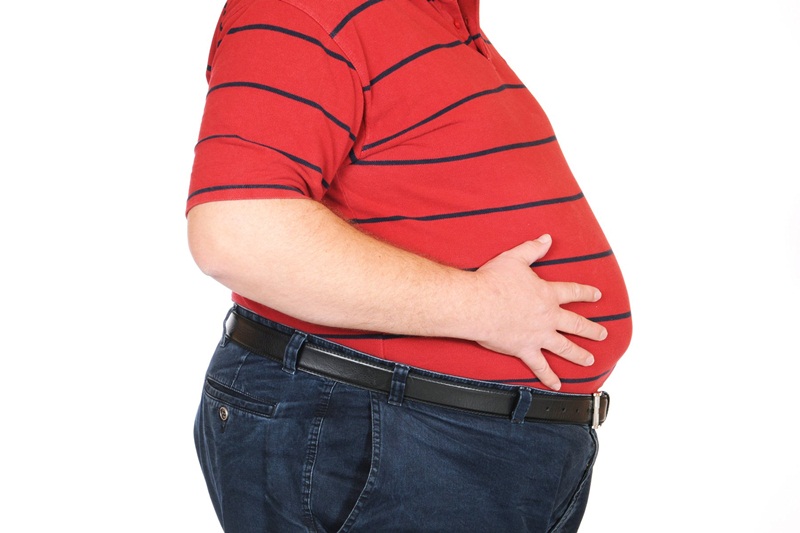
In 2017, the US Centers for Disease Control and Prevention published an analysis with a finding that caught many clinicians off-guard: approximately 40% of all cancers diagnosed in the United States each year — more than 630,000 cases — were associated with overweight or obesity. Among adults between 50 and 74, excess body weight had become the second most common modifiable cancer risk factor, behind only tobacco.
Public perception has not kept pace with the science. When surveys ask adults to name preventable causes of cancer, tobacco and sun exposure dominate the answers. Obesity rarely surfaces — partly because the pathway from excess fat to cancer is mechanistically complex and unfolds over years or decades, partly because the 13 cancer types involved are distributed across different organ systems without an obvious single mechanism, and partly because health messaging around food and lifestyle has historically de-emphasized excess weight’s carcinogenic role.
The evidence is no longer in question. The International Agency for Research on Cancer confirmed 13 cancer types causally linked to excess body fatness in its 2016 New England Journal of Medicine review. This article explains what those 13 cancer types are, the four biological mechanisms driving the associations, how risk scales with BMI, and what the evidence shows about weight loss and cancer risk reduction.
The 13 Cancer Types Linked to Obesity
The IARC Working Group’s 2016 review applied the same evidence standards used to classify carcinogens, concluding there was “sufficient evidence” — their highest designation — for a causal relationship between excess body fatness and all 13 of the following cancer types:
- Endometrial (uterine) cancer
- Esophageal adenocarcinoma
- Gastric (stomach) cardia cancer
- Liver cancer (hepatocellular carcinoma)
- Kidney cancer (renal cell carcinoma)
- Multiple myeloma
- Meningioma
- Pancreatic cancer
- Colorectal cancer
- Gallbladder cancer
- Breast cancer (postmenopausal)
- Thyroid cancer
- Ovarian cancer
The strength of evidence varies. Endometrial cancer, esophageal adenocarcinoma, and renal cell carcinoma have the most dramatic dose-response relationships. Thyroid, meningioma, and ovarian cancers have somewhat more modest and more recently established evidence. But all 13 carry “sufficient evidence” of causality by IARC criteria.
| Cancer Type | Approx. RR (Obese vs. Normal) | Primary Mechanism |
|---|---|---|
| Endometrial | 3–7× (6–7× at BMI>40) | Estrogen/aromatase |
| Esophageal ACA | 3–5× | GERD/Barrett’s; visceral fat |
| Renal cell carcinoma | ~25% per 5-unit BMI | Leptin/adiponectin; insulin |
| Liver (HCC) | 2–3× | NAFLD/NASH → cirrhosis |
| Pancreatic | 20–50% elevated | Insulin/IGF-1; type 2 diabetes |
| Colorectal | 20–40% elevated | Insulin; visceral fat; bile acids |
| Breast (postmenopausal) | 20–40% elevated | Estrogen/aromatase |
| Multiple myeloma | ~20% elevated | Chronic inflammation |
| Gallbladder | 20–60% elevated | Gallstones; insulin |
| Ovarian | ~10–20% elevated | Estrogen; IGF-1 |
| Thyroid | ~10–20% elevated | IGF-1; chronic inflammation |
| Meningioma | ~10–20% elevated | IGF-1; inflammation |
| Stomach cardia | ~20–30% elevated | Adiposity; GERD |
The 4 Biological Mechanisms
Adipose tissue is not a passive storage depot — it is a metabolically and hormonally active organ. In obesity, altered adipose tissue function drives cancer risk through four pathways that interact and amplify each other.
1. Estrogen — The Dominant Driver for Hormone-Sensitive Cancers
In postmenopausal women, the ovaries have ceased producing estrogen. The primary source of circulating estrogen shifts to peripheral aromatization in adipose tissue — the enzyme aromatase converts androgens into estradiol and estrone in fat cells. More fat tissue means more aromatase activity and higher circulating estrogen. In the uterus, unopposed estrogen without progesterone’s counterbalancing effects drives endometrial proliferation and, over time, malignant transformation.
A second amplifier: obesity reduces sex hormone-binding globulin (SHBG) — the protein that keeps estrogen biologically inactive. Lower SHBG means more bioavailable free estrogen. This dual mechanism — more total estrogen plus more bioavailable fraction — explains the steep dose-response curves for endometrial and postmenopausal breast cancer.
2. Insulin / IGF-1 — Central to GI and Many Other Cancers
Obesity causes peripheral insulin resistance; the pancreas compensates with hyperinsulinemia. Chronically elevated insulin promotes tumor development through multiple routes: it activates the PI3K/Akt/mTOR signaling pathway — one of the most important growth and survival pathways in cancer biology — and it suppresses hepatic production of IGF-binding proteins (IGFBP-1, IGFBP-2), raising free circulating IGF-1. Free IGF-1 is itself a potent mitogen: it promotes cell proliferation, inhibits apoptosis, and activates the same oncogenic pathways as insulin. This mechanism dominates the colorectal, pancreatic, liver, endometrial, and renal cancer associations.
3. Adipokines — Leptin Up, Adiponectin Down
Adipose tissue secretes cytokines called adipokines. In obesity, leptin rises and adiponectin falls — both in the wrong direction. Elevated leptin promotes cancer cell survival, proliferation, and angiogenesis through JAK/STAT3 and PI3K/Akt pathways. Reduced adiponectin removes its normal cancer-braking effects: activation of AMPK (opposing mTOR-driven cell growth), inhibition of NF-κB, and promotion of p53-mediated apoptosis. The leptin-to-adiponectin ratio may better capture obesity-related cancer risk than BMI alone.
4. Chronic Low-Grade Inflammation
Visceral adipose tissue accumulates inflammatory macrophages in obesity and secretes elevated concentrations of IL-6, TNF-α, and IL-1β. This chronic, low-level systemic inflammation activates oncogenic transcription factors — primarily NF-κB and STAT3 — that suppress apoptosis of mutated cells, promote cell cycle progression, enhance angiogenesis, and impair immune surveillance. This mechanism contributes to virtually all 13 obesity-associated cancer types and explains why waist circumference predicts cancer risk better than BMI alone for many of them.
The Cancer Types with Strongest Evidence
Endometrial Cancer — The Most Dramatic Signal
Endometrial cancer has the steepest obesity dose-response of all 13 cancer types:
- BMI 25–30: approximately 50–70% higher risk than normal weight
- BMI 30–35: approximately 3× the risk
- BMI >40: approximately 6–7× the risk
Approximately 57% of endometrial cancers in high-income countries are attributable to excess body weight — the highest population-attributable fraction of any cancer-obesity pairing. The mechanism is almost entirely estrogen-driven: unopposed aromatase-derived estrogen drives endometrial proliferation without progesterone’s regulatory check.
Esophageal Adenocarcinoma
One of the most rapidly increasing cancers in Western populations. Obese individuals face approximately 3–5× the risk of normal-weight individuals. Two mechanisms converge: visceral fat increases intra-abdominal pressure, promoting GERD → Barrett’s esophagus → EAC; and visceral obesity contributes independently via insulin/IGF-1 and inflammatory pathways. Notably, visceral fat specifically — not total BMI — drives the strongest association, so a normal-BMI individual with high waist circumference can still carry elevated EAC risk.
Postmenopausal Breast Cancer
Each additional 5 units of BMI is associated with approximately a 12% increase in breast cancer risk in postmenopausal women. Obese postmenopausal women have 20–40% higher breast cancer incidence. The association is concentrated in estrogen receptor-positive (ER+) tumors — consistent with aromatase being the primary mechanism. The premenopausal relationship is paradoxically inverted (anovulatory cycles reduce ovarian estrogen), but obese premenopausal women who develop breast cancer tend to have more aggressive disease.
Colorectal Cancer
Overweight individuals have approximately 20% higher colorectal cancer risk; obese individuals have 30–40% higher risk. Abdominal obesity by waist circumference shows stronger correlation than BMI alone. Mechanisms include insulin/IGF-1 promotion of colonic epithelial proliferation, altered bile acid profiles (excess secondary bile acids carcinogenic to colonic mucosa), and gut microbiome changes.
Renal Cell Carcinoma
One of the most consistent BMI-cancer dose-responses: each 5-unit BMI increase carries approximately a 25% increase in RCC risk (Renehan AG, Lancet 2008, >221,000 participants). The mechanism involves leptin effects on renal tubular cells, insulin/IGF-1 signaling, and obesity-related hypertension — itself an independent RCC risk factor.
BMI, Visceral Fat, and Dose-Response
| BMI Range | Classification | General Cancer Risk Pattern |
|---|---|---|
| 18.5–24.9 | Normal weight | Reference level |
| 25.0–29.9 | Overweight | Modestly elevated; risk begins to rise for several cancer types |
| 30.0–34.9 | Class I Obesity | Clearly elevated; approximately 1.2–3× depending on cancer type |
| 35.0–39.9 | Class II Obesity | Substantially elevated; approaching highest risk levels |
| ≥40.0 | Class III / Severe Obesity | Highest risk; endometrial cancer 6–7×; steep dose-response for multiple types |
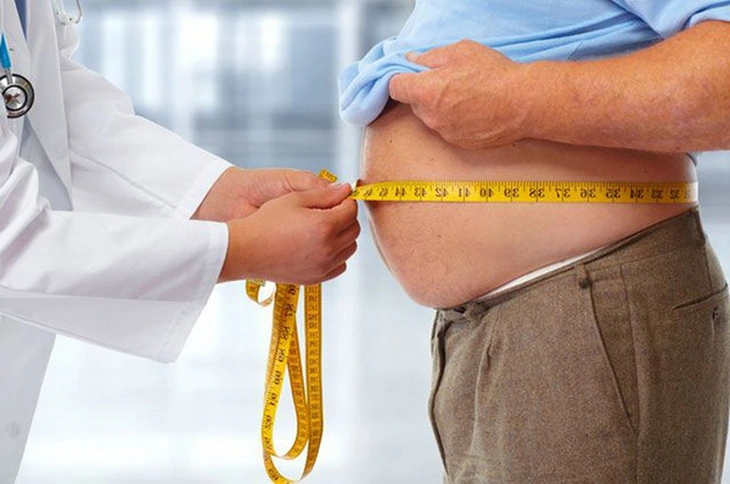
Waist circumference (≥102 cm in men, ≥88 cm in women) and waist-to-hip ratio better reflect visceral fat and often show stronger cancer associations than total BMI — particularly for esophageal, colorectal, and pancreatic cancers. Someone with a large waist circumference but normal BMI can still carry meaningfully elevated cancer risk for these types.
Importantly, research on “metabolically healthy obesity” consistently shows that cancer risk is elevated even in metabolically normal obese individuals — those without diabetes, hypertension, or dyslipidemia. The adipose tissue mass and hormonal activity, not just the downstream metabolic abnormalities, drive cancer risk.
Weight Loss and Cancer Risk Reduction
The strongest evidence that intentional weight loss reduces cancer risk comes from bariatric surgery studies. The Swedish Obese Subjects (SOS) study followed approximately 4,000 obese patients (2,000 who underwent bariatric surgery, 2,000 matched non-surgical controls) for up to 20 years. Sjöström et al. found a 42% reduction in cancer incidence in women in the surgical group — with the largest reductions in endometrial, breast, and colorectal cancers, precisely the cancer types most mechanistically tied to estrogen and insulin pathways.
Other large bariatric surgery cohort studies have found similar 30–60% reductions in cancer incidence in women after substantial weight loss.
A meaningful time lag exists: biological markers (estrogen, insulin, inflammatory cytokines) begin normalizing with weight loss, but actual cancer incidence reductions may take years to manifest as pre-malignant tissue changes slowly resolve.
For cancer survivors: obesity at diagnosis is associated with higher recurrence rates and lower survival for breast, colorectal, and endometrial cancers — through ongoing estrogenic and insulin-mediated tumor promotion, and surgical/pharmacokinetic complications. Weight management after cancer diagnosis is now included in survivorship guidelines from ASCO and other major oncology bodies.
Physical Activity — Independent Protective Effect
Physical activity reduces cancer risk independently of body weight changes. For three cancer types in particular, the protective evidence is strong:
- Colorectal cancer: approximately 25% risk reduction with high vs. low physical activity
- Postmenopausal breast cancer: approximately 20–30% risk reduction
- Endometrial cancer: approximately 30% risk reduction
Mechanisms parallel the obesity-cancer pathways: exercise reduces insulin and free IGF-1 levels, reduces visceral fat (with proportionally greater reduction than total fat), lowers inflammatory cytokines, and improves immune surveillance. Exercise-induced myokines — including irisin — also show direct anti-proliferative effects in laboratory cancer models. Critically: active obese individuals have lower cancer risk than sedentary obese individuals, demonstrating that physical activity confers protection beyond weight reduction alone.
Frequently Asked Questions
Does losing weight actually reduce cancer risk?
Yes — the strongest evidence comes from bariatric surgery studies. The Swedish Obese Subjects study found a 42% reduction in cancer incidence in women after bariatric surgery vs. matched obese controls over 20 years, with the largest reductions in endometrial, breast, and colorectal cancers. Risk reduction from more modest weight loss also appears to occur but is harder to quantify from current evidence.
Is cancer risk from obesity about the fat itself or from what fat does metabolically?
Primarily the metabolic effects, but fat mass is the upstream driver. Adipose tissue drives cancer risk by producing estrogen (via aromatase), creating insulin resistance that elevates IGF-1 signaling, secreting adipokines (elevated leptin, reduced adiponectin), and generating chronic inflammation. More fat tissue produces more of each downstream effect — which is why cancer risk scales with adiposity.
Are all 13 cancer types equally strongly linked to obesity?
No. Endometrial cancer (6–7× at severe obesity), esophageal adenocarcinoma (3–5×), and renal cell carcinoma (~25% per 5-unit BMI) have the strongest, most consistent evidence. Colorectal, pancreatic, and liver cancers have well-established intermediate associations. Thyroid, meningioma, and ovarian cancers have more modest and more recently established evidence.
Does obesity affect cancer outcomes after diagnosis?
Yes. Obesity at diagnosis is associated with higher recurrence rates and lower overall survival for breast, colorectal, and endometrial cancers. Mechanisms include ongoing tumor promotion via estrogen and insulin pathways, surgical and treatment complications in heavier patients, and altered chemotherapy pharmacokinetics. Weight management after cancer diagnosis is now included in survivorship guidelines from ASCO and other major oncology bodies.
Is BMI the best measure of obesity-related cancer risk?
BMI is widely used but has limitations — it doesn’t capture fat distribution. Waist circumference and waist-to-hip ratio (reflecting visceral fat specifically) often predict cancer risk better than BMI alone, particularly for esophageal, colorectal, and pancreatic cancers. Someone with a large waist circumference but normal BMI can still carry meaningfully elevated cancer risk for these types.
Does abdominal (visceral) fat matter more than general obesity for cancer?
Yes, for several cancer types. Visceral fat is more metabolically active, more inflammatory, and more aromatase-expressing than subcutaneous fat. Waist circumference outperforms BMI in predicting esophageal adenocarcinoma, colorectal, and liver cancer risk. This also explains why some normal-weight individuals with central obesity can carry elevated cancer risk for these cancer types despite a normal BMI.
If I’m obese but metabolically healthy, is my cancer risk still elevated?
Research consistently shows that cancer risk is elevated in metabolically healthy obese individuals — not just those with diabetes or metabolic syndrome. The adipose tissue mass and hormonal activity — estrogen aromatization, adipokine secretion — appear to drive cancer risk partly independently of downstream metabolic abnormalities. “Metabolically healthy obesity” does not mean cancer-risk-free obesity.
The Bottom Line
Obesity accounts for roughly 40% of US cancers — second only to tobacco as a preventable cause. The 13 confirmed cancer types span multiple organ systems, connected by overlapping biological mechanisms: excess estrogen, elevated insulin and IGF-1, adipokine imbalance, and chronic inflammation.
The scientific foundation is now solid. IARC’s 2016 classification, decades of epidemiological cohort data, mechanistic research, and bariatric surgery outcome studies all converge on the same conclusion: excess body fatness is a major cancer risk factor that scales from overweight through severe obesity without an established safe threshold.
Unlike genetic cancer risks, obesity-related cancer risk is substantially modifiable. Weight loss reduces risk — dramatically so, with the SOS study’s 42% reduction in women showing what sustained weight loss can achieve. Physical activity provides independent protection. This makes body weight management one of the most impactful cancer prevention interventions available to individuals who are currently overweight or obese.
This article is for educational purposes only and does not constitute medical advice. Individuals concerned about weight management and cancer risk should consult a physician or qualified healthcare provider. Do not delay seeking medical evaluation based on information in this article.
- Lauby-Secretan B, et al. (IARC Working Group). Body Fatness and Cancer. N Engl J Med. 2016;375:794–798.
- Islami F, et al. Proportion and number of cancer cases and deaths attributable to potentially modifiable risk factors in the United States. CA Cancer J Clin. 2018;68(1):31–54.
- Renehan AG, et al. Body-mass index and incidence of cancer: a systematic review and meta-analysis. Lancet. 2008;371:569–578.
- Arnold M, et al. Global burden of cancer attributable to high body-mass index in 2012. Lancet Oncol. 2015;16(1):36–46.
- Sjöström L, et al. Effects of bariatric surgery on cancer incidence in obese patients in Sweden (Swedish Obese Subjects Study): a prospective, controlled intervention trial. Lancet Oncol. 2009;10(7):653–662.
- WCRF/AICR. Continuous Update Project Expert Report 2018: Body weight and cancer.
- Crosbie EJ, et al. Obesity and cancer: a mechanistic overview. Nat Rev Cancer. 2010;10:29–41.
- Larsson SC, Wolk A. Obesity and colon and rectal cancer risk: a meta-analysis. Am J Clin Nutr. 2007;86(3):556–565.
As someone dealing with this personally, the obesity and cancer: the 13 cancer section was very helpful. I have tried following advice from several sources but this is the most consistent with what my specialist told me. Thank you for making complex medical information accessible without dumbing it down.
This is one of the clearest explanations of obesity and cancer: the 13 cancer I have found. I especially valued the explanation of why these recommendations exist, not just what they are. This is going into my health binder that I bring to every doctor’s visit.
As someone dealing with this personally, the obesity and cancer: the 13 cancer section was very helpful. I appreciated how the article addressed both the clinical side and the practical lifestyle adjustments. Exactly the kind of evidence-based information that is hard to find in one place.
I have been reading about obesity and cancer: the 13 cancer for weeks and this is the most thorough guide I found. I appreciate that the article is careful about distinguishing between what is known and what is still being researched. This is exactly why I prefer this website over generic health platforms.
This breakdown of obesity and cancer: the 13 cancer is exactly what patients need before a specialist appointment. The practical tips made this immediately actionable, not just theoretical. This is going into my health folder that I bring to every doctor’s visit.
Came across this while researching obesity and cancer: the 13 cancer for a family member. The specific numbers and thresholds mentioned are exactly what I needed to understand my results. Appreciate the effort that went into researching and writing this — it shows.