
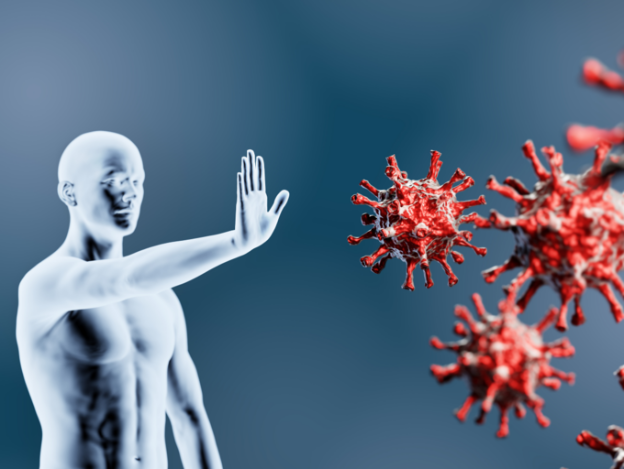
Cancer is not random. Decades of epidemiological research have mapped out the specific, quantifiable behaviors and exposures that causally raise or lower cancer risk — and those findings are specific enough to translate into concrete, actionable steps. The World Health Organization and the World Cancer Research Fund estimate that 30–50% of all cancers are preventable through modifications to these known risk factors.
That doesn’t mean anything you do guarantees immunity. What it means is that the gap between high-risk and low-risk behaviors is substantial — often enormous. Smokers face roughly 60 times the lung cancer risk of lifetime non-smokers. People who eat processed meat daily face approximately 18% higher colorectal cancer risk than those who don’t. The HPV vaccine, taken before first exposure, prevents roughly 90% of HPV-attributable cancers. These are not marginal differences.
The 21 tips below are organized into practical clusters. Each has published evidence behind it. None requires supplements, detox programs, or extreme dietary rules — these are behavioral shifts grounded in the best-available science.
Cluster 1: Eat to Lower Your Risk
Tip 1: Load Up on Cruciferous Vegetables
Broccoli, cauliflower, Brussels sprouts, kale, cabbage, bok choy, and arugula belong to the cruciferous family and should appear on your plate at least 3–5 times per week. These vegetables contain glucosinolates that are metabolized to sulforaphane — a compound that activates Nrf2, the body’s master antioxidant transcription factor, upregulating carcinogen detoxification enzymes while damping NF-κB-driven inflammation.
Epidemiological data consistently associate higher cruciferous vegetable intake with reduced risk of lung, colorectal, and bladder cancers. Steaming or stir-frying (rather than boiling) preserves the glucosinolate content that makes these vegetables valuable.
Tip 2: Aim for 30 Grams of Fiber Per Day
Meta-analyses show approximately 10% reduced colorectal cancer risk for every additional 10g/day of dietary fiber. Most adults in high-income countries consume 15–17g/day — roughly half the target. Cooked lentils (16g/cup), chickpeas (12g/cup), raspberries (8g/cup), split peas (16g/cup), rolled oats (4g/cup), and whole wheat products are practical sources. Fermentation of fiber to butyrate in the colon inhibits NF-κB activity in colonic epithelium and promotes normal apoptosis of damaged cells.
Tip 3: Replace Processed Meat with Fish or Legumes
Processed meat — bacon, sausage, hot dogs, deli meat, smoked ham — is classified as an IARC Group 1 carcinogen, meaning sufficient evidence of cancer causation in humans. Even 50 grams per day (approximately 2 rashers of bacon) is associated with approximately 18% increased colorectal cancer risk, with no safe threshold established.
Swapping one daily processed meat serving for fish (omega-3 fatty acids, selenium) or legumes (fiber, protein, phytochemicals) removes this risk increment without sacrificing protein intake.
Tip 4: Eat Cooked Tomatoes Regularly
Lycopene — the red carotenoid pigment in tomatoes — inhibits cell cycle progression and promotes apoptosis in cancer cell lines. Epidemiological studies associate higher tomato intake with reduced prostate cancer risk. Cooking tomatoes significantly increases lycopene bioavailability compared to raw; adding olive oil during cooking increases absorption further. This makes canned tomatoes, tomato paste, and cooked tomato sauce genuinely useful cancer-prevention foods.
Tip 5: Limit Alcohol — or Eliminate It
Alcohol is an IARC Group 1 carcinogen for cancers of the mouth, pharynx, larynx, esophagus, colorectum, liver, and female breast. The dose-response starts at the lowest levels of drinking: even one drink per day is associated with approximately 7–10% higher breast cancer risk in women. There is no “safe” alcohol level for cancer prevention. If you choose to drink, staying below one standard drink per day (women) or two (men) represents the minimum-risk level still compatible with social drinking.
Tip 6: Cut Out Sugar-Sweetened Beverages
Sodas, sweetened fruit juices, sports drinks, and sweetened teas are among the most efficient drivers of weight gain and hyperinsulinemia. Both excess adiposity and chronically elevated insulin are causally linked to 13+ cancer types. Replacing these with water, unsweetened tea, or sparkling water is one of the simplest high-yield dietary changes for cancer risk reduction.
Tip 7: Marinate Meat and Avoid Charring
Grilling meat at high temperatures over open flame generates heterocyclic amines (HCAs) and polycyclic aromatic hydrocarbons (PAHs) — IARC Group 2A/2B probable carcinogens. Practical risk reduction: marinate meat for 30+ minutes before grilling (acid-based marinades reduce HCA formation by up to 90% in controlled studies); flip meat frequently; briefly pre-cook in a microwave before finishing on the grill; cut away visibly charred portions.
Cluster 2: Move More, Sit Less
Tip 8: Walk 30 Minutes Most Days
Brisk walking for 30 minutes five or more days per week meets moderate-intensity aerobic activity guidelines and is associated with approximately 20–24% reduced colon cancer risk and 20–25% reduced postmenopausal breast cancer risk compared to the least active groups. It requires no equipment and can be integrated into a commute, lunch break, or evening. The key: “brisk” — a pace that noticeably elevates heart rate and breathing.
Tip 9: Add Non-Exercise Movement Throughout the Day
NEAT (Non-Exercise Activity Thermogenesis) — energy expended in all movement outside formal exercise — contributes meaningfully to daily energy balance and independently influences insulin sensitivity. Simple adjustments: take stairs; park further away; stand during phone calls; walk to colleagues instead of emailing. These compound over time into significant metabolic impact relevant to cancer risk.
Tip 10: Strength Train Twice a Week
Resistance training builds lean muscle mass, improving insulin sensitivity and reducing adipose-derived inflammation — both cancer-relevant pathways. WCRF and WHO guidelines recommend muscle-strengthening activities at least twice weekly alongside aerobic activity. Bodyweight exercises, free weights, resistance bands, and machines all qualify.
Tip 11: Break Up Prolonged Sitting Every 30–60 Minutes
Sedentary behavior is an independent cancer risk factor even in people who meet weekly exercise targets. Observational data link prolonged sitting to elevated CRC, endometrial, and lung cancer risk through insulin, inflammatory, and adipokine pathways that operate even in otherwise active individuals. Set a recurring timer for 30–60 minutes and stand up, walk briefly, or take a short movement break.
Cluster 3: Protect Your Skin
Tip 12: Apply SPF 30+ Sunscreen Daily — Not Just at the Beach
Cumulative daily UV exposure — driving, walking outside, eating lunch outdoors — accounts for a significant portion of lifetime UV dose. UVA penetrates clouds and car windows; UVB is the primary driver of squamous cell carcinoma. A broad-spectrum SPF 30+ sunscreen blocks approximately 97% of UVB. Apply 15–30 minutes before outdoor exposure and reapply every 2 hours or after water exposure. Making morning sunscreen application routine on exposed skin ensures coverage on low-exposure days too.
Tip 13: Wear a Wide-Brim Hat and UV-Blocking Sunglasses
The scalp, ears, and posterior neck are among the highest-incidence sites for squamous cell carcinoma — areas that sunscreen application frequently misses. A hat with at least a 3-inch brim provides reliable physical barrier protection. UV-blocking sunglasses (99–100% UVA/UVB protection) protect periocular skin and the lens, reducing eyelid cancer risk and UV-induced cataract formation.
Tip 14: Seek Shade Between 10am and 4pm — and Never Use Tanning Beds
UV index peaks around solar noon and remains high through mid-afternoon. Shade reduces UV exposure by roughly 50–75% compared to full sun depending on canopy density. Indoor tanning beds are IARC Group 1 carcinogens. Using one before age 35 increases melanoma risk by 59–75%. There is no safe dose of tanning bed UV radiation.
Cluster 4: Quit Tobacco and Avoid Secondhand Smoke
Tip 15: Quit Smoking — Use Combination Therapy
Tobacco causes approximately 30% of all cancer deaths in developed countries. After 10 years without smoking, former smokers have approximately 50% lower lung cancer risk than continuing smokers. The most effective cessation approach combines pharmacotherapy with behavioral support:
- Nicotine replacement therapy (NRT): patches, gum, lozenges, nasal spray — reduces withdrawal, roughly doubles quit rates
- Varenicline (Champix/Chantix): most effective single pharmacotherapy — blocks nicotine receptors while reducing craving and reward
- Bupropion: alternative pharmacotherapy with a different mechanism
- Behavioral counseling: boosts quit rates when combined with pharmacotherapy
Varenicline plus counseling produces the highest documented quit rates. Ask your physician about prescriptions.
Tip 16: Avoid Secondhand Smoke
Non-smokers regularly exposed to secondhand smoke face approximately 20–30% higher lung cancer risk than unexposed non-smokers. Environmental tobacco smoke contains over 70 established carcinogens. Maintaining truly smoke-free indoor environments eliminates this exposure. If living with a smoker, working toward a smoke-free household is among the most impactful household cancer prevention steps possible.
Cluster 5: Use Medicine Proactively
Tip 17: Get HPV and HBV Vaccines
HPV vaccine (Gardasil 9): protects against 9 HPV types covering approximately 90% of HPV-attributable cancers — cervical, oropharyngeal, vulvar, vaginal, anal, and penile. Recommended ages 9–26; FDA-approved up to 45 for eligible unvaccinated adults. Most effective before first HPV exposure.
HBV vaccine: prevents chronic hepatitis B — the driver of approximately 80% of hepatocellular carcinomas globally. Unvaccinated adults of any age should receive the three-dose series.
Tip 18: Stay Up to Date on Cancer Screenings
Evidence-based schedule for average-risk adults:
- Colorectal: colonoscopy every 10 years from age 45, or annual FIT, or stool DNA test every 1–3 years
- Cervical: Pap smear every 3 years from age 21; HPV co-test every 5 years from age 30
- Breast: mammography annually from age 40–50 (discuss with physician)
- Lung: annual low-dose CT for adults 50–80 with ≥20 pack-year smoking history, currently smoking or quit within 15 years
Tip 19: Test Your Home for Radon
Radon is the second-leading cause of lung cancer in the United States, responsible for approximately 21,000 deaths annually — completely invisible and odorless. A self-test kit costs $15–30 at any hardware store. Action level: 4 pCi/L. Above this threshold, sub-slab depressurization mitigation reduces radon by 90%+ and costs $800–$2,500 one-time — one of the cheapest cancer prevention investments available.
Cluster 6: Know Your Body and History
Tip 20: Know Your Family History — and Seek Genetic Counseling if Warranted
Family history is the earliest cancer risk signal most people have access to. Warning signs that warrant a genetic counseling referral:
- Cancer diagnosed in a first-degree relative before age 50
- Multiple relatives with the same or related cancer types
- Ovarian, pancreatic, or male breast cancer in the family
- A known familial mutation
Hereditary cancer syndromes (BRCA1/2, Lynch syndrome, FAP, Li-Fraumeni) account for approximately 5–10% of all cancers. Identifying carriers enables surveillance starting in their 20s–30s, chemoprevention, and in some cases risk-reducing surgery that can prevent cancer from developing decades before it otherwise would have.
Tip 21: Maintain a Healthy Weight Throughout Life
IARC has established 13 cancer types causally linked to excess body weight. The relationship is continuous: a 5-unit increase in BMI above normal is associated with approximately 50% higher endometrial cancer risk, 30% higher kidney cancer risk, and 50% higher esophageal adenocarcinoma risk. The most impactful window is across adult life, but weight loss at any adult age measurably reduces insulin, inflammatory cytokines, and estrogen — the biological drivers of obesity-linked cancers.
Bonus Tips Worth Knowing
Breastfeed if able: A pooled analysis of 47 studies (Collaborative Group on Hormonal Factors in Breast Cancer, Lancet 2002) found approximately 4% reduced maternal breast cancer risk per year of cumulative breastfeeding — through delayed return of menstruation and differentiation of breast epithelium during lactation.
Discuss hormone therapy risks with your physician: Combined estrogen-progestin HRT is associated with increased breast cancer risk. Any HRT decision should explicitly weigh cancer risk against menopausal symptom severity.
Use HEPA air purifiers in high-pollution environments: PM2.5 from outdoor air pollution is an IARC Group 1 carcinogen for lung cancer. In urban high-traffic areas or during wildfire smoke events, HEPA-rated air purifiers with activated carbon filters meaningfully reduce indoor particulate exposure.
Frequently Asked Questions
What is the single most important cancer prevention tip?
If you smoke, quitting is the single highest-return action — tobacco causes approximately 30% of cancer deaths in developed countries, and 10 years of cessation halves lung cancer risk. If you don’t smoke, the highest-impact combination strategy is maintaining a healthy body weight through regular physical activity and a plant-rich, low-processed-food diet. Staying current on vaccinations (HPV, HBV) and age-appropriate screenings provides additional high-value, cancer-specific protection. These strategies compound — multiple lifestyle changes together provide far greater protection than any single one.
Can you prevent cancer through diet alone?
Diet has real, measurable effects on cancer risk — particularly for colorectal and some GI cancers — but it works as part of a comprehensive strategy, not in isolation. A high-fiber, plant-rich diet low in processed and red meat is associated with meaningfully lower cancer incidence. However, its overall effect is smaller than tobacco avoidance or healthy weight maintenance. Diet alone is not a cancer guarantee in either direction. It is one important lever among several, and it works best when combined with physical activity, healthy weight, and other evidence-based prevention strategies.
How much exercise do I need to reduce cancer risk?
The WCRF and WHO recommend 150 minutes of moderate aerobic activity per week (or 75 minutes vigorous), plus muscle-strengthening twice weekly. This level is associated with approximately 20–40% reduced risk of colon, breast, and endometrial cancers. The dose-response is consistent — even partial achievement of this target reduces risk compared to full sedentary behavior. Start where you are and add incrementally: the benefit begins immediately.
Does sunscreen really prevent skin cancer?
Yes. A randomized controlled trial in Australia (Green AC et al., with 10-year follow-up results published in J Clin Oncol 2011) showed that daily sunscreen use for 4.5 years reduced squamous cell carcinoma incidence by 40% and melanoma by 50% over the follow-up period. SPF 30+ broad-spectrum sunscreen is the evidence-based recommendation for both everyday and high-exposure UV prevention.
Should everyone get genetic testing for cancer prevention?
Not everyone — but it is strongly indicated for people with specific risk signals: cancer before age 45–50, multiple relatives with the same or related cancer types, bilateral or multiple primary cancers, Ashkenazi Jewish ancestry with breast/ovarian/pancreatic cancer, or a known familial mutation. Testing is not a general population screening tool; its clinical value depends on pretest probability of finding an actionable mutation. A certified genetic counselor can assess whether testing is indicated and which panels are appropriate.
Is it too late to start cancer prevention in my 50s?
No. Most cancer prevention strategies remain effective throughout adult life. Quitting tobacco in your 50s still substantially reduces cancer risk versus continuing. Weight loss in middle age measurably lowers insulin, inflammatory markers, and cancer risk. Starting regular physical activity at any adult age produces cancer-relevant metabolic improvements. Colonoscopy starting at 50 removes pre-cancerous polyps regardless of age at first exam. Cancer prevention is not a young person’s activity — the evidence supports meaningful benefit from lifestyle improvements at any adult age.
Do cancer prevention tips work even if cancer runs in my family?
Yes. Family history elevates your baseline risk, but lifestyle factors modify cancer development through pathways that operate in everyone, including those with hereditary predisposition. Tobacco, excess weight, physical inactivity, alcohol, and dietary patterns all influence cancer risk regardless of germline mutation status. For individuals with identified hereditary syndromes (BRCA, Lynch, FAP), lifestyle prevention combines with — and amplifies the benefit of — specialized surveillance and medical interventions. You have more control over your cancer risk than family history alone suggests.
- World Cancer Research Fund / American Institute for Cancer Research. Diet, Nutrition, Physical Activity and Cancer: A Global Perspective. Third Expert Report. WCRF/AICR, 2018.
- International Agency for Research on Cancer. Monographs Vols 100D, 100E, 114. Lyon: IARC.
- IARC Working Group. Body Fatness and Cancer. N Engl J Med. 2016;375:794.
- Moore SC, et al. Association of Leisure-Time Physical Activity With Risk of 26 Types of Cancer in 1.44 Million Adults. JAMA Intern Med. 2016;176(6):816.
- Green AC, Williams GM, Logan V, Strutton GM. Reduced melanoma after regular sunscreen use: randomized trial follow-up. J Clin Oncol. 2011;29(3):257-263.
- Collaborative Group on Hormonal Factors in Breast Cancer. Breast cancer and breastfeeding. Lancet. 2002;360:187.
- Salmon CP, et al. Effects of marinating on heterocyclic amine carcinogen formation in grilled chicken. Food Chem Toxicol. 2000;38(4):353.
- U.S. Environmental Protection Agency. Home Buyer’s and Seller’s Guide to Radon. EPA 402-K-13-002. 2013.
- American Cancer Society. Cancer Prevention & Early Detection Facts & Figures 2023–2024. Atlanta: ACS, 2023.
This is one of the clearest explanations of 21 cancer prevention tips backed by I have found. The practical tips at the end made this immediately actionable, not just theoretical. Will definitely be coming back to this site for more health information.
Came across this while researching 21 cancer prevention tips backed by for a family member. The article answered questions I didn’t even know I had until I started reading. Thank you for making complex medical information accessible without dumbing it down.
I shared this article on 21 cancer prevention tips backed by with my doctor and they appreciated the level of detail. The specific numbers and thresholds mentioned are exactly what I needed to understand my lab results. Looking forward to reading more articles from this website.
Came across this while researching 21 cancer prevention tips backed by for a family member. What I liked most was that the article didn’t just say what to avoid — it also gave alternatives. Will definitely be coming back to this site for more health information.
I have been reading about 21 cancer prevention tips backed by for weeks and this is the most thorough guide I found. I appreciate that the article is careful about distinguishing between what is known and what is still being researched. Exactly the kind of evidence-based information that is hard to find in one place.
I have been reading about 21 cancer prevention tips backed by for weeks and this is the most thorough guide I found. I appreciate that the article is careful about distinguishing between what is known and what is still being researched. Looking forward to reading more articles from this website.