
Pancreatic Cancer Symptoms: Why They Appear Late
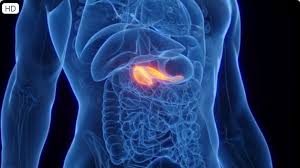
Pancreatic cancer symptoms are present in the vast majority of patients at the time of diagnosis — but they are non-specific, develop gradually, and are frequently attributed to more common conditions before the correct diagnosis is established. The pancreas lies deep in the retroperitoneum, behind the stomach and in front of the spine, where early-growing tumors produce no pain and cause no obstruction until they have already reached a significant size or spread to adjacent structures. This anatomical reality explains why approximately 85% of pancreatic cancers are diagnosed at Stage III (locally advanced) or Stage IV (metastatic), when cure is rarely possible.
Understanding what pancreatic cancer symptoms look like — and why certain symptoms should prompt urgent investigation — is the most important tool currently available for earlier diagnosis, given that there is no proven effective screening test for the general population.
Why Pancreatic Cancer Is Often Asymptomatic Early
The retroperitoneal position of the pancreas means that small tumors — even those 1–3 cm in diameter — are cushioned from structures that would otherwise generate early symptoms. They grow silently in the pancreatic parenchyma until they either:
- Obstruct an adjacent hollow structure: The most important is the common bile duct, which passes through the head of the pancreas on its way from the liver and gallbladder to the duodenum. When a head-of-pancreas tumor compresses this duct, bile backs up and causes jaundice — a visible symptom that typically prompts earlier evaluation than the vague symptoms of body or tail tumors.
- Invade adjacent nerves: The celiac nerve plexus — the dense network of sympathetic ganglia that supply the upper abdominal organs — sits immediately posterior to the pancreatic body and tail. Invasion of this plexus causes the distinctive pancreatic cancer-related back and abdominal pain.
- Spread to the peritoneum or liver: Distant metastasis causes systemic symptoms including weight loss, fatigue, and ascites that prompt evaluation — but at this point, curative treatment is no longer possible.
The practical implication is that head-of-pancreas tumors — representing about 60–65% of all pancreatic cancers — more often present with jaundice and are diagnosed at slightly earlier stages than body or tail tumors, which present only with systemic symptoms and are almost invariably advanced at the time of diagnosis.
Painless Jaundice: The Most Recognizable Sign
Jaundice — the yellow discoloration of the skin and the whites of the eyes (sclerae) — is the most clinically recognizable symptom of head-of-pancreas cancer. It is caused by obstruction of the common bile duct by the tumor, preventing bile produced in the liver from reaching the intestines. As bile backs up in the liver and spills into the bloodstream, bilirubin accumulates in the skin and mucous membranes, causing the characteristic yellow discoloration.
The complete clinical picture of obstructive jaundice from pancreatic cancer includes:
- Yellow skin and eyes: Develops progressively over days to weeks; may begin as mild yellowing of the sclerae
- Dark urine: Urine appears tea-colored or cola-colored from bilirubin excreted by the kidneys
- Pale or clay-colored stools: Stools lose their normal brown color (from stercobilin, a bilirubin breakdown product) and become light gray or clay-colored
- Pruritus (itching): Bile salts depositing in the skin cause intense, generalized itching that can be severe and significantly impair sleep and quality of life
The critical distinguishing feature of pancreatic cancer-related jaundice is that it is typically painless — at least initially. By contrast, jaundice caused by gallstones blocking the common bile duct (choledocholithiasis) is accompanied by severe right upper quadrant or epigastric colic, often with nausea and vomiting. Painless jaundice in an adult, particularly one over 50, should be treated as malignant biliary obstruction until proven otherwise and warrants urgent evaluation (CT abdomen/pelvis, liver function tests, surgical or gastroenterology consultation).
A clinical sign specifically associated with malignant biliary obstruction is the Courvoisier sign: a palpable, non-tender gallbladder in a jaundiced patient. When the bile duct is blocked gradually by a tumor, the gallbladder distends to accommodate the accumulated bile but remains non-tender (in contrast to acute cholecystitis from gallstones, where the gallbladder wall is inflamed and tender). The presence of Courvoisier sign is highly suggestive of malignant biliary obstruction from pancreatic or biliary tract cancer.
Abdominal and Back Pain in Pancreatic Cancer
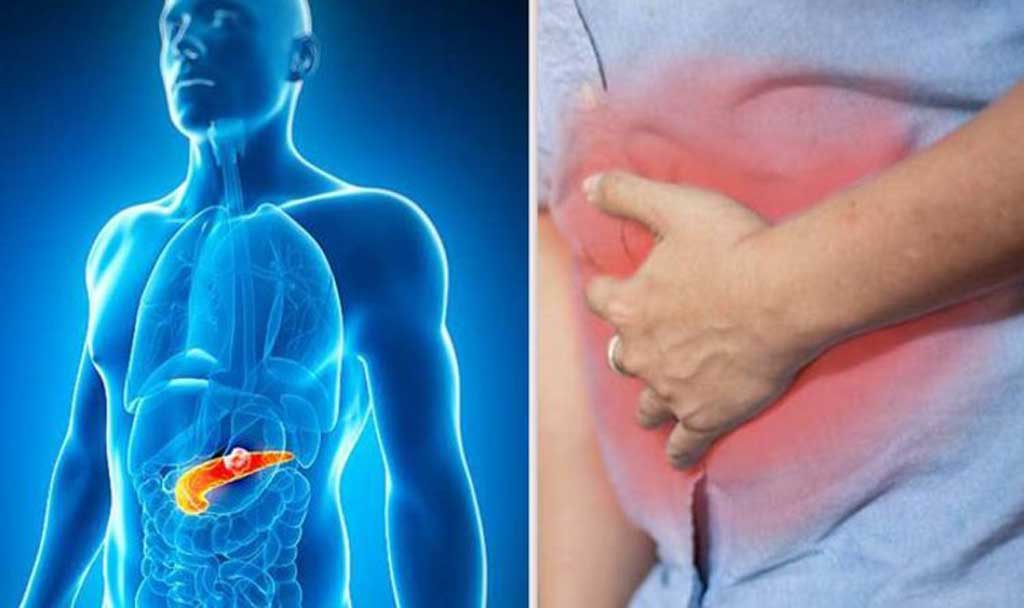
Abdominal pain — often accompanied by mid-back or flank pain — is present in approximately 70–80% of patients with pancreatic cancer at diagnosis. It is the most common symptom leading patients to seek medical evaluation and is frequently the symptom that eventually leads to diagnosis after initial evaluation for other causes.
The character of pancreatic cancer pain is distinctive:
- Location: Epigastric (upper central abdomen), often with radiation to the mid-back or bilateral flanks. The retroperitoneal location of the pancreas means that pain often presents more in the back than in the abdomen.
- Quality: Dull, persistent, aching or gnawing rather than sharp or colicky. Constant rather than intermittent.
- Postural variation: Characteristically worse when lying flat (supine) and often worse at night; may be improved by leaning forward or assuming a fetal position. This pattern of positional relief reflects compression of the celiac plexus by the retroperitoneal tumor — leaning forward reduces the compression of posterior structures.
- Progressive: Worsens over weeks to months without acute exacerbations. Not dramatically relieved by standard analgesics (NSAIDs, antacids).
The mechanism of pain in advanced pancreatic cancer is primarily invasion of the celiac nerve plexus — the dense network of sympathetic ganglia situated immediately posterior to the pancreatic body, between the pancreas and the aorta. Tumor invasion of or compression of these ganglia produces the characteristic pancreatic cancer pain pattern, including its retroperitoneal, mid-back character. When medical management alone is insufficient to control this pain, interventional procedures — particularly celiac plexus neurolysis (injection of alcohol or local anesthetic into the celiac ganglion) — can provide substantial and durable pain relief.
Distinguishing pancreatic cancer-related back pain from far more common musculoskeletal causes is one of the key clinical challenges. Features that suggest a visceral (organ-based) rather than musculoskeletal cause include: no association with specific movements or positions in the way that disc disease causes pain with flexion or extension; no paresthesia or radiculopathy (nerve pain radiating down the leg); no improvement with rest, physical therapy, or anti-inflammatory medications; and accompaniment by other systemic symptoms such as weight loss, jaundice, or new diabetes.
Unexplained Weight Loss and Anorexia
Significant, unintentional weight loss is present in approximately 85% of pancreatic cancer patients at diagnosis and is often one of the first symptoms to appear. The weight loss of pancreatic cancer typically involves losses of 10–15 kilograms or more over weeks to months and occurs even when patients are still eating. This profound weight loss reflects multiple simultaneous mechanisms:
- Anorexia (loss of appetite): Near-universal in pancreatic cancer, driven by tumor-released inflammatory cytokines (particularly TNF-α and IL-6) that suppress appetite centers in the hypothalamus, as well as pain, nausea, and early satiety from tumor compression of adjacent GI structures.
- Malabsorption: Obstruction of the main pancreatic duct reduces or eliminates the delivery of digestive enzymes to the small intestine, causing fat maldigestion and steatorrhea.
- Cancer cachexia: A distinct metabolic syndrome characterized by loss of lean muscle mass (skeletal muscle and cardiac muscle) that is driven directly by tumor-released cytokines. Cachexia is fundamentally different from simple starvation — it causes preferential loss of muscle protein rather than fat, and cannot be fully reversed by nutritional supplementation alone.
Weight loss of more than 10% of body weight within 6 months without intentional diet change or increased activity is a red-flag symptom that warrants investigation for malignancy, including pancreatic cancer.
New-Onset Diabetes as a Pancreatic Cancer Warning Sign
One of the most significant and underappreciated warning signs of pancreatic cancer is the development of new-onset or worsening diabetes in the 2–3 years preceding diagnosis. Approximately 50% of pancreatic cancer patients develop a specific form of diabetes — type 3c pancreatogenic diabetes — as a result of the tumor invading and destroying the insulin-producing islet cells of Langerhans within the pancreatic parenchyma, or disrupting their function through paracrine inflammatory mediators.
This form of diabetes is clinically distinguishable from the far more common Type 2 diabetes in several important ways:
- Rapid onset in a person with no prior history of diabetes or glucose intolerance
- No obesity — the person is lean or losing weight (in contrast to most Type 2 diabetics who develop disease in the context of weight gain)
- No strong family history of Type 2 diabetes
- Accompanying unintentional weight loss (not weight gain)
- Age over 50 at onset
- Difficult to control with standard oral hypoglycemics
When new-onset diabetes in a person over 50 is accompanied by weight loss — even without abdominal pain or jaundice — the combination has a sensitivity of approximately 85% for identifying pancreatic cancer in research populations. This symptom cluster warrants CT evaluation of the pancreas, particularly if the diabetes does not respond normally to initial treatment or if the glycemic pattern is unusual.
Steatorrhea and Exocrine Insufficiency
When the main pancreatic duct is obstructed by tumor, pancreatic digestive enzymes — particularly lipase (for fat digestion) but also amylase and protease — cannot reach the duodenum in sufficient quantities to complete digestion. The result is pancreatic exocrine insufficiency, manifesting as:
- Steatorrhea: Greasy, pale, foul-smelling, bulky stools that float and are difficult to flush — a direct result of fat maldigestion (lipase deficiency)
- Bloating and flatulence: Undigested carbohydrates and fat fermented by colonic bacteria produce gas
- Fat-soluble vitamin deficiencies: Vitamins A, D, E, and K require fat for absorption; deficiencies develop with prolonged steatorrhea and can cause night blindness (A), osteoporosis (D), bleeding (K), and peripheral neuropathy (E)
- Significant weight loss: Despite caloric intake, calories from fat are largely not absorbed
Pancreatic enzyme replacement therapy (PERT) — with pancrelipase taken with meals — can substantially reduce steatorrhea, improve nutritional status, and improve quality of life in patients with exocrine insufficiency from pancreatic cancer.
Blood Clots and Trousseau Syndrome
Pancreatic cancer (and other mucin-producing adenocarcinomas) is strongly associated with a hypercoagulable state — an abnormal tendency to form blood clots. This occurs through multiple mechanisms including tumor-expressed tissue factor, mucin activating clotting factors, and systemic inflammatory cytokine release. The clinical manifestations include:
- Deep vein thrombosis (DVT): Blood clots in the deep veins of the legs or pelvis; may cause leg swelling, pain, and redness
- Pulmonary embolism (PE): Migration of DVT to the pulmonary arteries; can present as sudden shortness of breath, chest pain, or hypoxia
- Trousseau syndrome (migratory thrombophlebitis): A specific paraneoplastic phenomenon in which superficial vein thromboses appear repeatedly in different locations, often migrating from one site to another. The occurrence of unprovoked, recurrent, or migratory venous thrombosis — particularly in a person without typical VTE risk factors — is strongly associated with occult malignancy, with pancreatic cancer being one of the most common underlying causes.
Unexplained venous thromboembolism — particularly an unprovoked DVT or PE in a person over 50 with no prior history of clotting or clear provoking factors (surgery, immobility, known cancer) — should prompt evaluation for occult malignancy including pancreatic cancer.
New-Onset Depression
An association between pancreatic cancer and depression that precedes the cancer diagnosis has been observed in multiple studies and is thought to reflect a biological effect of the tumor rather than simply a psychological reaction to a frightening diagnosis. Depression may appear months to years before pancreatic cancer is diagnosed, possibly due to tumor-released factors affecting central serotonin or tryptophan metabolism. This relationship is not yet established clearly enough to recommend psychiatric evaluation as a pancreatic cancer screening tool — but clinicians seeing older patients with new-onset depression, particularly in combination with other symptoms such as weight loss or abdominal pain, should maintain a low threshold for pancreatic evaluation.
Symptoms by Tumor Location
The symptoms a patient experiences depend strongly on where in the pancreas the tumor arises:
Head of pancreas (60–65% of cases):
- Painless jaundice (most characteristic)
- Dark urine, pale stools
- Pruritus from cholestasis
- Courvoisier sign (palpable, non-tender gallbladder)
- Nausea/vomiting from duodenal compression
- Weight loss and pain may occur but often appear later
Body and tail of pancreas (35–40% of cases):
- Back pain — often the dominant and presenting symptom (celiac plexus invasion)
- Profound weight loss
- New-onset or worsening diabetes
- Steatorrhea (when pancreatic duct obstruction develops)
- No jaundice until very late (if at all), unless liver metastases cause hepatic dysfunction
- Symptoms often diagnosed as IBS, gastritis, musculoskeletal back pain, or new-onset Type 2 diabetes before pancreatic cancer is considered
When to See a Doctor
Seek prompt medical evaluation if you experience:
- Jaundice (yellowing of skin or eyes), even if painless — this warrants urgent evaluation within days
- Unintentional weight loss of more than 5% of body weight in less than 6 months
- New, persistent upper abdominal or mid-back pain that is worse when lying flat and not relieved by anti-inflammatory medications
- New-onset diabetes over age 50, particularly if lean and accompanied by weight loss
- Steatorrhea (greasy, floating, foul-smelling stools) that is new and persistent
- Unexplained DVT or PE, especially if recurrent or migratory
- Any combination of the above symptoms occurring together
For patients with known risk factors for pancreatic cancer — BRCA2/PALB2 mutations, hereditary pancreatitis, Lynch syndrome, or two or more first-degree relatives with pancreatic cancer — a lower threshold for evaluation is appropriate. See our comprehensive overview of pancreatic cancer for details on risk factors, diagnosis, and treatment options.
Frequently Asked Questions
Can you have pancreatic cancer with no symptoms at all?
True absence of symptoms is uncommon in clinically significant pancreatic cancer, but symptoms may be so mild or non-specific that they are not recognized as concerning. The most common pattern is a gradual onset of mild upper abdominal discomfort, slight appetite loss, or subtle fatigue that is attributed to stress, GI upset, or other benign causes. Rarely, pancreatic cancer is discovered incidentally on imaging performed for another reason — these incidentally discovered cancers tend to be smaller and at earlier stage. For the diagnosis of pancreatic cancer, CT imaging with pancreatic protocol is the primary tool.
How long can you have pancreatic cancer without knowing it?
Mathematical modeling of pancreatic cancer growth suggests that PDAC typically takes approximately 10–20 years from the first transforming mutation to the development of a clinically detectable tumor, and another 2–3 years from tumor formation to the development of metastatic disease. However, symptoms typically develop only in the final 1–3 years before diagnosis. This long pre-symptomatic period is both the reason pancreatic cancer is so often advanced at diagnosis and, theoretically, the window within which early detection would have the greatest impact — if reliable early detection tools were available.
Is back pain a common first symptom of pancreatic cancer?
Yes, particularly for tumors in the body or tail of the pancreas. Back pain is often the primary or even sole presenting symptom for months before diagnosis in patients with body/tail pancreatic cancer. The pain’s character — persistent, dull, upper/mid-back location, worse supine, not relieved by positional change or NSAIDs — should distinguish it from common musculoskeletal back pain, though this distinction is frequently missed. The dedicated article on pancreatic cancer back pain provides a detailed guide to recognizing and evaluating this symptom.
Sources
- American Cancer Society. Signs and Symptoms of Pancreatic Cancer.
- National Cancer Institute. Pancreatic Cancer Treatment (PDQ).
- Wolpin BM, et al. Pancreatic cancer. N Engl J Med. 2012;367(21):2030–2039.
- Chari ST, et al. Probability of pancreatic cancer following diabetes: a population-based study. Gastroenterology. 2005;129(2):504–511.
- Pancreatic Cancer Action Network. Symptoms and Diagnosis.
How Pancreatic Cancer Symptoms Differ From Common Conditions
The non-specific nature of pancreatic cancer symptoms means they are routinely attributed to far more common conditions — often for months — before the correct diagnosis is established. Understanding how to distinguish pancreatic cancer-related symptoms from their common mimics is clinically important.
Back pain from pancreatic cancer vs. musculoskeletal back pain: Musculoskeletal back pain — by far the most common cause of back pain in adults — is typically associated with specific movements (bending, lifting, twisting), worsened by activity, improved with rest, and may involve sciatica (pain radiating down the leg). Pancreatic cancer back pain is constant regardless of activity, not relieved by rest or anti-inflammatory medications, not associated with sciatica, and specifically worsened by lying flat while improved by leaning forward. New, constant, progressive back pain in a person over 50 with accompanying weight loss or GI changes should not be presumed musculoskeletal without evaluation.
Weight loss from pancreatic cancer vs. functional GI conditions: IBS, functional dyspepsia, and dietary changes can cause GI symptoms and mild weight fluctuations, but they do not cause progressive, significant weight loss (>5% body weight in 6 months). Loss of this magnitude in the absence of intentional diet change or increased exercise should always trigger evaluation for malignancy or other serious systemic disease.
New diabetes from pancreatic cancer vs. Type 2 diabetes: The key red flags that suggest type 3c pancreatogenic diabetes rather than ordinary Type 2 diabetes are: lean body habitus (rather than overweight), rapid onset without a prodromal period of glucose intolerance, concurrent unintentional weight loss, and absence of strong family history of Type 2 diabetes. Patients presenting with this pattern should have imaging of the pancreas included in their initial evaluation — not just glucose management.
Recognizing these distinctions is how clinicians — and patients — can move toward earlier diagnosis in a cancer where even a few months can be the difference between resectable and unresectable disease. If you are concerned about symptoms that might represent pancreatic cancer, see your provider and ask specifically about CT imaging of the abdomen, including the pancreas.
Early diagnosis remains the single most important factor in pancreatic cancer outcomes. The 5-year survival rate for Stage I pancreatic cancer is approximately 44%, compared to just 3% for Stage IV — a difference that makes every month of diagnostic delay clinically significant. Awareness of symptom patterns, combined with a low threshold for CT imaging when multiple risk factors or symptoms are present, is currently the most effective tool available for shifting the stage distribution of new pancreatic cancer diagnoses toward earlier, more treatable disease.
I have been reading about pancreatic cancer symptoms: early and late for weeks and this is the most thorough guide I have found. The article answered questions I didn’t even know I had until I started reading. This is going into my health binder that I bring to every doctor’s visit.
Bookmarked this article on pancreatic cancer symptoms: early and late immediately — going to reference it regularly. I have tried following advice from several sources but this is the most consistent with what my specialist told me. Keep up this kind of thorough health journalism — it genuinely helps patients like me.
This is one of the clearest explanations of pancreatic cancer symptoms: early and late I have found. I appreciated how the article addressed both the clinical side and the practical lifestyle adjustments. Exactly the kind of evidence-based information that is hard to find in one place.
Bookmarked this article on pancreatic cancer symptoms: early and late immediately — going to reference it regularly. I especially valued the explanation of why these recommendations exist, not just what they are. Looking forward to reading more articles from this website.
Finally a resource that explains pancreatic cancer symptoms: early and late in plain language. What I liked most was that the article didn’t just say what to avoid — it also gave alternatives. This gave me real confidence going into my next specialist appointment.
Came across this while researching pancreatic cancer symptoms: early and late for a family member. I appreciated how the article addressed both the clinical side and the practical adjustments. Will definitely be coming back to this site for more health information.