
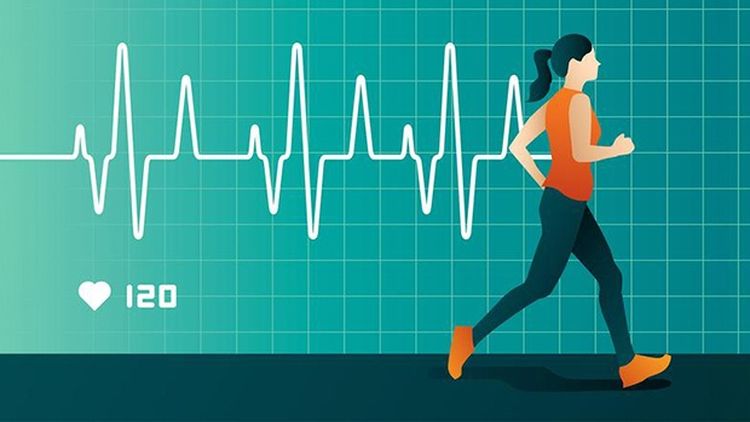
Your heart beats approximately 100,000 times per day. Most of the time, it does so quietly, without being asked to, sustaining circulation through sleep, desk work, and conversation without a second thought. The rate at which it beats during those quiet moments — when the body is at complete rest and making no particular physical demand — is your resting heart rate.
Resting heart rate is among the most accessible measurements in medicine: it requires no equipment, no lab, and no special knowledge to take. Yet it carries substantial information about the health and efficiency of the cardiovascular and autonomic nervous systems. The number matters not just as a descriptor of how fast your heart is beating at this particular moment, but as a window into how efficiently your heart delivers blood, how well your nervous system regulates its activity, and how your cardiovascular fitness compares to what is physiologically achievable.

What Is Resting Heart Rate?
Resting heart rate is the number of times the heart beats per minute when the body is fully at rest — not exercising, not digesting a large meal, not under acute stress, not responding to stimulants. It is the heart’s baseline: the minimum rate needed to circulate enough blood to meet the body’s resting metabolic needs.
The American Heart Association defines the normal adult resting heart rate range as 60 to 100 beats per minute. Optimal cardiovascular health is associated with resting rates in the lower portion of that range — typically 50 to 70 bpm. Well-conditioned endurance athletes often have resting heart rates of 40 to 60 bpm; elite athletes may have rates in the mid-to-low 40s. These low rates are not only normal for trained individuals — they are a direct sign of cardiovascular conditioning.
What Your Resting Heart Rate Actually Reflects
Resting heart rate is determined by two interacting systems: the heart’s mechanical efficiency and the nervous system’s regulation of its rate.
Cardiac efficiency and stroke volume: Cardiac output — the total blood volume pumped per minute — is the product of heart rate and stroke volume (blood ejected per beat): Cardiac Output = Heart Rate × Stroke Volume. A trained heart is characterized by larger ventricles that fill and eject more blood per beat. Because stroke volume is higher, fewer beats are needed to achieve the same cardiac output. A marathon runner with a resting rate of 46 bpm and a stroke volume of 110 mL achieves similar cardiac output to an untrained person with a rate of 72 bpm and stroke volume of 70 mL — the runner’s heart simply doesn’t need to beat as frequently.
Autonomic nervous system regulation: The heart’s own pacemaker — the sinoatrial (SA) node in the right atrium — has an intrinsic firing rate of approximately 100 beats per minute. Left to its own devices, without nervous system input, the heart would beat at around 100 bpm at rest. The reason most adults have lower resting rates is that the parasympathetic nervous system (specifically the vagus nerve) is continuously applying a brake to the SA node. Greater parasympathetic (vagal) tone means a stronger brake — a lower resting heart rate. This vagal tone increases with aerobic fitness, adequate sleep, and relaxation practices. Chronic sympathetic dominance — persistent fight-or-flight activation from stress, sleep deprivation, or poor fitness — weakens the vagal brake and allows resting heart rate to drift higher.
Normal vs. Optimal — Why the Range Matters
The normal range of 60 to 100 bpm is broad by design — it captures the majority of healthy adults without pathological heart conditions. But broad does not mean uniform. Multiple large prospective cohort studies — including the Copenhagen Male Study, the HUNT study in Norway, and the Whitehall II study in the UK — have found that resting heart rate is independently associated with all-cause and cardiovascular mortality, even after adjusting for blood pressure, smoking, cholesterol, and diabetes.
Each 10 beats per minute increase in resting heart rate is associated with approximately a 20 percent increase in all-cause mortality risk. This association holds within the normal range: a rate of 90 bpm carries meaningfully higher risk than a rate of 60 bpm, even though both are technically normal. For adults aiming to optimize cardiovascular health — not just avoid disease — targeting a resting heart rate in the 50 to 70 bpm range is meaningful.
What Raises Resting Heart Rate?
Understanding what elevates resting heart rate helps interpret readings that seem out of character:
- Dehydration: Reduced circulating blood volume triggers compensatory tachycardia to maintain cardiac output; even mild dehydration (1–2% of body weight) raises RHR measurably
- Caffeine: Blocks adenosine receptors and increases sympathetic activity; habitual users develop tolerance but acute effects remain in non-habitual consumers
- Stress and anxiety: Chronic psychological stress suppresses vagal tone and chronically elevates RHR, not just produces acute spikes
- Fever and infection: For every 1°C rise in body temperature, heart rate increases by approximately 10 bpm
- Anemia: Reduced oxygen-carrying capacity → compensatory increase in heart rate to maintain oxygen delivery
- Hyperthyroidism: Excess thyroid hormone sensitizes the heart to catecholamines, producing persistent sinus tachycardia
- Heart failure: Reduced stroke volume → compensatory tachycardia; elevated RHR in HF independently predicts worse prognosis
- Nicotine: Activates sympathetic pathways and raises RHR acutely and chronically
What Lowers Resting Heart Rate?
- Regular aerobic exercise: strongest and most sustained modifier; 5–15 bpm reduction within 4–8 weeks of consistent training, continuing to accumulate over months and years
- Quality sleep: 7–9 hours; deep sleep promotes parasympathetic dominance and overnight HR reduction; treating sleep apnea restores nocturnal vagal activation
- Stress management: meditation, slow diaphragmatic breathing (4–6 breaths/minute), yoga — all documented to improve vagal tone
- Adequate hydration: prevents compensatory tachycardia from reduced plasma volume
- Smoking cessation: removes chronic sympathetic stimulation from nicotine; RHR typically falls 5–10 bpm within weeks of quitting
How to Measure Resting Heart Rate Correctly
When: Morning, immediately after waking, before getting out of bed. Lie still for five minutes first. Measuring after coffee, emails, or physical activity gives an elevated reading that reflects those stimuli rather than true resting cardiovascular state.
Methods:
- Radial pulse: Two fingers on the inside of the wrist, just below the base of the thumb. Count beats for a full 60 seconds.
- Carotid pulse: Two fingers gently on the side of the neck. Effective but some individuals experience a vagal response.
- Wearable device: Optical photoplethysmography sensors in smartwatches provide continuous overnight and early-morning readings, capturing trends over time — far more informative than single measurements.
A seven-day average of morning resting heart rate readings is far more informative than any single measurement. Day-to-day variation of 5 to 10 bpm is normal; the sustained average and directional trends over weeks and months are what matter clinically.
When Resting Heart Rate Is Too High or Too Low
A persistently elevated resting heart rate above 100 bpm (sinus tachycardia) warrants evaluation to identify the underlying cause — which may range from benign (dehydration, excess caffeine) to clinically significant (anemia, hyperthyroidism, heart failure, pulmonary embolism). Seek evaluation for: RHR consistently above 100 bpm at rest; a significant unexplained rise from your personal baseline; palpitations accompanied by dizziness, chest discomfort, or near-fainting.
Resting bradycardia (below 60 bpm) is usually physiological in physically fit adults and requires no treatment. Pathological bradycardia — associated with symptoms such as fatigue, dizziness, or near-fainting — most commonly reflects sick sinus syndrome or atrioventricular conduction block and may require pacemaker implantation.
In heart failure: ivabradine — a drug that specifically blocks the If (“funny”) current in the SA node — is approved for HF patients in sinus rhythm with resting HR ≥70 bpm despite maximally tolerated beta-blocker therapy, reducing rate without other cardiac effects.
How to Lower Your Resting Heart Rate Naturally
The most evidence-based approaches:
- Consistent aerobic exercise: 150 minutes or more per week of moderate-intensity activity; effects begin within 4–8 weeks and accumulate over months and years
- Prioritize sleep: 7–9 hours consistently; identify and treat sleep apnea if present
- Manage stress: regular mindfulness, slow breathing exercises, reducing chronic psychological stressors
- Stay well-hydrated: especially important during exercise, hot weather, and illness
- Minimize nicotine: smoking cessation reliably lowers RHR within weeks
For a broader view of cardiovascular health markers, see our guide to heart health numbers every adult should know. To understand what a healthy cardiovascular profile looks like overall, visit our article on signs of a healthy heart. For the foundational context, see our guide to what heart health means.
Resting heart rate is a free, immediate, and remarkably informative window into your cardiovascular and autonomic health. The American Heart Association provides guidance on heart rate and rhythm. The NIH National Heart, Lung, and Blood Institute covers normal heart rate ranges and when to seek evaluation. The CDC offers resources on cardiovascular health for adults at all risk levels. Knowing your resting heart rate — and knowing what it means — is among the simplest things you can do to stay informed about your heart.
Using Your Resting Heart Rate in Exercise Training
Resting heart rate does more than serve as a cardiovascular health marker — it is a direct input into calculating optimal exercise intensity zones. The Karvonen formula, also called the heart rate reserve method, uses resting heart rate to calculate personalized exercise intensity targets that are more accurate than the simple percentage-of-maximum-heart-rate approach.
The formula:
- Heart Rate Reserve (HRR) = Estimated Maximum Heart Rate − Resting Heart Rate
- Target HR for moderate intensity = Resting HR + (HRR × 0.50 to 0.70)
- Target HR for vigorous intensity = Resting HR + (HRR × 0.70 to 0.85)
Example: A 45-year-old with a resting heart rate of 62 bpm has an estimated maximum heart rate of 175 bpm (220 − 45), a heart rate reserve of 113 bpm, and a moderate-intensity training zone of 62 + (113 × 0.50 to 0.70) = 118 to 141 bpm. By including resting heart rate in the calculation, the Karvonen formula accounts for individual fitness level — a well-trained person with a low RHR will have a different training zone than a sedentary person of the same age and estimated HRmax.
Tracking resting heart rate during a training program also helps identify overtraining. If your morning resting heart rate is consistently 5 to 10 bpm above your recent average without a clear explanation (illness, travel, poor sleep), it may indicate that your body is under greater physiological stress than it is recovering from. Reducing training intensity or volume until resting heart rate returns to baseline is the appropriate response.
Resting Heart Rate and Heart Rate Variability: How They Relate
Resting heart rate and heart rate variability (HRV) are related but distinct measures. Resting heart rate measures the average rate — how fast the heart is beating. HRV measures the variation between consecutive beats — how consistent or variable the timing is. Both are influenced by the same underlying variable: autonomic nervous system balance, specifically the ratio of parasympathetic to sympathetic activity.
A person with high parasympathetic tone tends to have both a lower resting heart rate and higher HRV — the heart beats slowly (strong vagal brake) with natural variability (flexible autonomic response). A person with high sympathetic tone tends to have both a higher resting heart rate and lower HRV — the heart beats faster with more rigid, less variable regulation.
When interpreting wearable device data, consider these markers together. A rising resting heart rate combined with falling HRV is a stronger signal of autonomic stress than either alone. A falling resting heart rate combined with rising HRV indicates that the lifestyle changes or training program you’re pursuing are producing the expected autonomic adaptations — concrete evidence that the cardiovascular system is responding.
Resting Heart Rate Across the Lifespan
Resting heart rate is not static across life. Infants have resting rates of 100 to 160 bpm; toddlers 90 to 150 bpm; school-age children 70 to 110 bpm; adolescents 60 to 100 bpm; adults 60 to 100 bpm. Older adults tend to trend slightly higher due to reduced cardiac compliance and some degree of autonomic degeneration with aging — though physically active older adults consistently show lower resting rates than their sedentary age peers.
The cardiovascular risk implications of resting heart rate change somewhat with age. For middle-aged adults (40–65), resting heart rate is a particularly strong predictor of cardiovascular outcomes because it captures both fitness level and autonomic health at an age when modifiable lifestyle choices are driving risk trajectory. For older adults (65+), very low resting heart rates (below 50 bpm) without a history of athletic training may warrant evaluation for conduction system disease rather than being assumed to reflect fitness.
For children and adolescents, resting heart rate is an important but age-referenced metric. A resting heart rate of 95 bpm is perfectly normal in a 10-year-old and should not be compared to the adult normal range. Pediatric athletic training produces the same cardiac remodeling and vagal tone increases seen in adult athletes, and physiological bradycardia in well-conditioned adolescent athletes is not uncommon — and should be interpreted in the context of athletic history rather than investigated as potential pathology.
Resting Heart Rate as a Daily Self-Monitoring Tool
For adults who are actively managing their cardiovascular health, resting heart rate functions best as a daily data point in a longitudinal trend rather than a one-off reading. The practical protocol: measure every morning before rising; record the reading (most wearables do this automatically); review the weekly and monthly average trend rather than reacting to individual fluctuations.
When the trend is moving in the right direction — declining over weeks and months in response to a new exercise program, improved sleep habits, or smoking cessation — it provides concrete, physiological confirmation that the changes you’re making are producing real cardiovascular adaptations. When the trend is moving in the wrong direction — rising over weeks without explanation — it prompts investigation of potential causes (illness brewing, increased stress load, sleep disruption, overtraining) before they develop into more significant problems.
This is the value of resting heart rate as a monitoring tool: it is sensitive enough to detect meaningful changes in cardiovascular and autonomic health weeks before those changes would produce clinical symptoms, simple enough to measure every day with no special equipment, and interpretable enough to guide sensible behavioral responses. In the landscape of cardiovascular health monitoring, few measurements offer that combination at zero cost.
How Medications Affect Resting Heart Rate
Several classes of medication directly or indirectly alter resting heart rate. Understanding these effects helps interpret readings that may seem abnormal but are actually expected pharmacological responses:
- Beta-blockers (metoprolol, carvedilol, bisoprolol): Block beta-1 adrenergic receptors on the SA node, reducing both resting heart rate and exercise heart rate. A patient on a beta-blocker with a resting rate of 52 bpm is not bradycardic — that is the intended effect. Target resting rate on beta-blockers for heart failure management is typically 55–65 bpm.
- Calcium channel blockers (diltiazem, verapamil): Non-dihydropyridine types slow SA node conduction and reduce resting heart rate. Dihydropyridines (amlodipine) do not have this effect.
- Ivabradine (Corlanor): Selectively blocks the If current in the SA node without affecting blood pressure or myocardial contractility. Used in heart failure specifically to reduce heart rate when beta-blockers are insufficient or contraindicated.
- Stimulants: Methylphenidate, amphetamines, and some decongestants (pseudoephedrine) increase sympathetic activity and raise resting heart rate.
- Thyroid hormone replacement: Excess dosing (supraphysiologic T4/T3 levels) sensitizes adrenergic receptors and produces persistent resting tachycardia — a useful indicator of over-replacement.
- Antidepressants: SSRIs and SNRIs can affect heart rate variability and, in some individuals, mildly elevate resting rate through norepinephrine reuptake inhibition.
When tracking resting heart rate as a health metric, medication status is essential context. Comparing your resting heart rate before and after starting a new medication, or after a dose change, can reveal meaningful pharmacological effects that are otherwise invisible without objective measurement.
Frequently Asked Questions About Resting Heart Rate
Is a resting heart rate of 50 bpm too low?
In a physically active adult with no symptoms — no dizziness, no fainting, no unusual fatigue — a resting rate of 50 bpm is almost certainly physiological bradycardia reflecting good aerobic fitness. Elite endurance athletes commonly have resting rates of 38–48 bpm. If you have symptoms with a heart rate of 50, or if the rate was previously normal and has fallen suddenly without a change in fitness level, evaluation is appropriate.
Can anxiety permanently raise resting heart rate?
Chronic anxiety increases baseline sympathetic tone and suppresses parasympathetic activity, which can chronically elevate resting heart rate by 5–15 bpm above what a person’s fitness level would otherwise predict. Effective anxiety treatment — whether through therapy, medication, or lifestyle changes — often produces measurable resting heart rate reduction. This is one of the physiological reasons why stress management meaningfully contributes to cardiovascular health, not just subjective well-being.
How quickly can I lower my resting heart rate?
The fastest changes come from removing things that are artificially elevating it: quitting smoking produces measurable RHR reduction within days to weeks; treating sleep apnea restores normal nocturnal vagal activation within the first weeks of CPAP use; correcting dehydration lowers RHR within hours. Exercise-induced cardiac adaptation — the genuine structural and autonomic changes from aerobic training — typically shows measurable effects within 4–8 weeks and continues accumulating over months and years of consistent training.
Does resting heart rate vary during the day?
Yes, significantly. Resting heart rate follows a circadian pattern: lowest in the early morning hours (typically 2–4 AM, tightly linked to the biological low point of core body temperature), rising in the hours before waking, and fluctuating throughout the day based on activity, meals, stress, and stimulant intake. True resting measurements — taken lying still, before getting up, before caffeine — are the only valid comparison points across days and weeks. Afternoon or evening measurements capture multiple overlapping variables and are not reliable for trend monitoring.
What is the difference between resting heart rate and target heart rate?
Resting heart rate is the baseline — the rate at complete physical rest. Target heart rate is the rate you aim to sustain during exercise to achieve a specific training stimulus. The two are connected through the heart rate reserve formula (as described in the exercise training section), but they measure completely different states. A well-conditioned person has a lower resting rate, which means a larger heart rate reserve, which means larger absolute differences between their moderate and vigorous training zones compared to an untrained person of the same age.
Key Takeaways
- Normal adult resting heart rate is 60–100 bpm; optimal cardiovascular health is associated with 50–70 bpm
- Lower resting heart rate reflects both cardiac efficiency (higher stroke volume) and stronger parasympathetic vagal tone
- Each 10 bpm increase in resting heart rate is associated with approximately 20% higher all-cause mortality risk, even within the normal range
- The most effective way to lower resting heart rate long-term is consistent aerobic exercise; other evidence-based approaches include improved sleep, smoking cessation, stress management, and adequate hydration
- Resting heart rate is most useful as a longitudinal trend — a 7-day or 30-day moving average reveals more than any single measurement
- Consult a clinician if resting heart rate is consistently above 100 bpm, has risen significantly from your personal baseline without explanation, or is accompanied by symptoms like dizziness, chest discomfort, or near-fainting
I have been reading about what is resting heart rate? normal for weeks and this is the most thorough guide I have found. The practical tips at the end made this immediately actionable, not just theoretical. This gave me real confidence going into my next specialist appointment.
Bookmarked this article on what is resting heart rate? normal immediately — going to reference it regularly. The specific numbers and thresholds mentioned are exactly what I needed to understand my lab results. Keep up this kind of thorough health journalism — it genuinely helps patients like me.
Really well-written article on what is resting heart rate? normal. I have tried following advice from several sources but this is the most consistent with what my specialist told me. Thank you for making complex medical information accessible without dumbing it down.
Came across this while researching what is resting heart rate? normal for a family member. The section on managing this condition day-to-day was especially useful for planning. Shared this with three friends who are dealing with related issues. Very useful resource.
Finally a resource that explains what is resting heart rate? normal in plain language. I appreciated how the article addressed both the clinical side and the practical adjustments. This is going into my health folder that I bring to every doctor’s visit.
As someone dealing with this personally, the what is resting heart rate? normal section was very helpful. I especially valued the explanation of why these recommendations exist, not just what they are. I wish I had found this article earlier — would have saved a lot of confusion.