
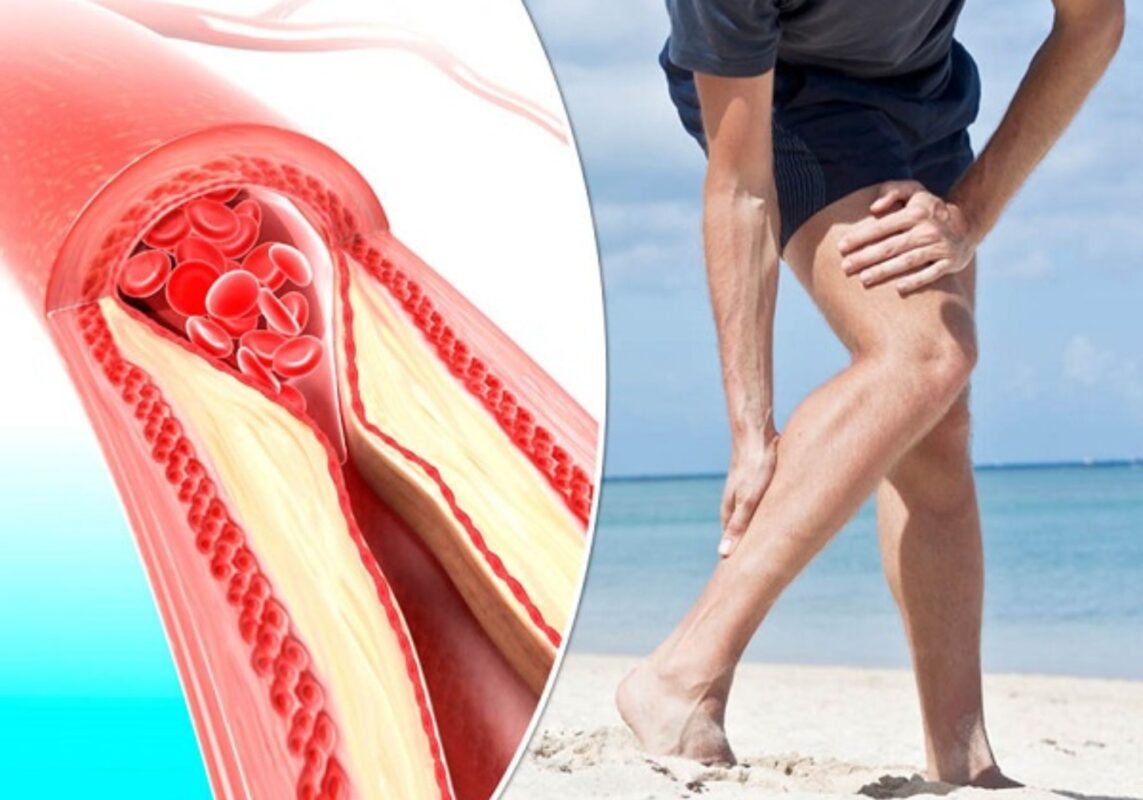
Peripheral artery disease is one of the most underdiagnosed and undertreated cardiovascular conditions in the world. Approximately 236 million adults globally are living with PAD, including an estimated 8.5 million Americans over the age of 40 — yet the majority have never been formally diagnosed because their symptoms are atypical, silent, or attributed to other causes. PAD receives far less public attention than heart attack and stroke, yet it shares the same underlying disease process and signals the same elevated systemic cardiovascular risk.
What is peripheral artery disease? It is the narrowing or obstruction of the arteries that supply blood to the limbs — most commonly the legs, feet, and pelvis — due to atherosclerotic plaque accumulation. PAD is not a separate disease from coronary artery disease or carotid artery disease. It is the same pathological process of atherosclerosis occurring in a different vascular territory. Understanding PAD means understanding atherosclerosis, the risk factors that drive it, and how its consequences in the limbs relate to the broader picture of cardiovascular health.

What Is Peripheral Artery Disease?
Peripheral artery disease is defined as atherosclerosis affecting the arteries outside the heart and brain. While PAD can technically involve the renal arteries, mesenteric arteries, or upper extremity vessels, the term is used most commonly to refer to atherosclerotic lower limb arterial disease — the narrowing of the aorta, iliac arteries, femoral arteries, popliteal arteries, and the tibial vessels below the knee.
As atherosclerotic plaque accumulates in these arteries, it progressively narrows the arterial lumen and reduces blood flow capacity to the muscles, skin, and tissues of the lower extremity. At rest and at low activity levels, collateral circulation — small alternative blood pathways that develop over time — may partially compensate, masking symptoms. But during exercise, when muscle oxygen demand increases dramatically, the narrowed arteries cannot supply adequate flow, producing ischemia and the characteristic symptoms of PAD.
PAD is a powerful marker of systemic atherosclerosis burden. Among patients with PAD, approximately 50 percent have significant coronary artery disease and 25 to 30 percent have cerebrovascular disease. The presence of PAD essentially identifies a patient who has advanced atherosclerosis in multiple vascular beds simultaneously — dramatically elevating their risk not just of limb complications but of myocardial infarction and stroke.
How Peripheral Artery Disease Causes Symptoms
Intermittent Claudication
Intermittent claudication is the classic symptomatic presentation of PAD. It is described as cramping, aching, tightness, or fatigue in the muscles of the calf, thigh, or buttock that occurs predictably during walking at a consistent pace and distance, then resolves completely within 2 to 10 minutes of rest.
The location of claudication symptoms maps to the arterial level involved. Calf claudication — the most common — indicates disease in the superficial femoral or popliteal arteries. Claudication in the thigh, hip, or buttock indicates more proximal aortoiliac disease, and may be accompanied by erectile dysfunction in men (Leriche syndrome) when the aortic bifurcation is involved.
Despite being the textbook symptom, intermittent claudication is present in only about 10 to 35 percent of patients with PAD. The majority of PAD patients either have no symptoms at all or have atypical leg symptoms — leg weakness, aching that does not clearly start and stop with walking, or reduced walking tolerance attributed to arthritis or deconditioning. This silent and atypical majority is one reason PAD is so commonly missed.
Critical Limb-Threatening Ischemia
Critical limb-threatening ischemia (CLTI) represents the most severe end of the PAD spectrum — the point at which blood flow to the limb is so severely compromised that tissue viability is at risk even at rest. CLTI is defined by one or more of three features: ischemic rest pain (particularly in the foot and toes, which worsens when lying flat and is temporarily relieved by dangling the leg below heart level), non-healing ulcers or wounds on the foot or lower leg, or gangrene.
CLTI carries a very poor prognosis without intervention. The one-year limb loss rate in untreated CLTI is 25 to 40 percent, and one-year mortality exceeds 20 percent — reflecting the advanced systemic cardiovascular disease these patients carry. Prompt evaluation for revascularization is essential when CLTI is suspected.
Acute Limb Ischemia
Acute limb ischemia (ALI) is a vascular emergency caused by sudden loss of arterial flow to a limb — from thrombosis of a pre-existing atherosclerotic stenosis, embolism from a cardiac source (atrial fibrillation, intracardiac thrombus), or aortic dissection extending into a limb artery. ALI is recognized by the six Ps: pain (severe, sudden onset), pallor (white or mottled limb), pulselessness, paresthesia (numbness or tingling), paralysis (loss of motor function), and poikilothermia (limb is cold to touch).
Acute limb ischemia is time-critical. Irreversible muscle and nerve damage begin within 4 to 6 hours of complete ischemia. Paralysis and paresthesia indicate advanced ischemia and signal the need for immediate vascular intervention — either catheter-directed thrombolysis or surgical thromboembolectomy.
The Ankle-Brachial Index
The ankle-brachial index (ABI) is the primary screening and diagnostic tool for PAD. It is a simple, non-invasive test that compares blood pressure measured at the ankle with blood pressure measured at the arm. A normal ABI is 0.91 to 1.40. In PAD, the arteries in the leg are narrowed, reducing the pressure distal to the stenosis — so the ankle pressure is lower than the arm pressure.
ABI interpretation: 1.00–1.40 = normal; 0.91–0.99 = borderline; 0.71–0.90 = mild PAD; 0.41–0.70 = moderate PAD; ≤0.40 = severe PAD. An ABI greater than 1.40 indicates non-compressible calcified arteries — most common in patients with long-standing diabetes or chronic kidney disease. In these patients, the toe-brachial index (TBI) is used instead; a TBI below 0.70 confirms PAD when the ABI is unreliable.
The ABI has excellent specificity (approximately 96%) for significant PAD and sensitivity of approximately 79%. For borderline cases, an exercise ABI — measured after a treadmill test — is more sensitive: a post-exercise ankle pressure drop greater than 15 to 20 percent confirms hemodynamically significant PAD.
Additional Diagnostic Tools
Beyond the ABI, imaging provides anatomic detail for revascularization planning. Duplex ultrasound combines arterial imaging with Doppler flow measurements to locate and grade stenoses — non-invasive, radiation-free, and widely used as first-line anatomic mapping. CT angiography provides rapid three-dimensional imaging of the arterial tree from aorta to foot, used pre-operatively for both endovascular and surgical planning. MR angiography offers similar detail without radiation, using gadolinium contrast — preferred when iodinated contrast is contraindicated. Invasive digital subtraction angiography (DSA) remains the gold standard for anatomy definition and doubles as the starting point for endovascular intervention in the same sitting.
Risk Factors for Peripheral Artery Disease
Cigarette smoking is the single strongest modifiable risk factor for PAD. Smokers have 3 to 5 times the PAD risk of non-smokers. PAD is approximately 4 times more common in current smokers than non-smokers. Smoking cessation is the highest-impact intervention for both PAD prevention and slowing disease progression.
Diabetes mellitus doubles to quadruples PAD risk and additionally causes peripheral neuropathy — which masks PAD symptoms and allows tissue damage to go undetected. The combination of impaired blood flow and impaired immune response makes diabetic foot ulcers slow to heal, prone to infection, and at high risk of progressing to amputation.
Hypertension, hyperlipidemia, and chronic kidney disease each independently elevate PAD risk. Age above 50, male sex, and family history of ASCVD are non-modifiable factors. Black Americans have approximately twice the PAD prevalence of White Americans — a disparity that persists after adjusting for traditional risk factors and likely reflects both cardiovascular risk factor severity and systemic healthcare disparities.
Treating Peripheral Artery Disease
Medical Therapy
Antiplatelet therapy is central to PAD management. Aspirin (75–100 mg daily) or clopidogrel (75 mg daily) reduces major cardiovascular events in PAD. The COMPASS trial demonstrated that rivaroxaban 2.5 mg twice daily plus aspirin significantly reduced major adverse cardiovascular events, major adverse limb events, and major amputations compared with aspirin alone — a finding now incorporated into current PAD guidelines.
High-intensity statins are indicated for all PAD patients, targeting LDL below 70 mg/dL (or below 55 mg/dL for very high-risk patients). Statin therapy reduces cardiovascular events and may independently slow PAD progression. Blood pressure control targeting below 130/80 mmHg using ACE inhibitors or ARBs is recommended. Smoking cessation remains the most impactful single intervention for both limb and cardiovascular outcomes.
Supervised exercise therapy (SET) is the most evidence-supported treatment for claudication. Structured walking programs — 30 to 60 minutes on a treadmill 3 times per week for 12 weeks, walking to near-maximal claudication pain — improve maximum walking distance by 100 to 150 percent. Multiple trials have shown SET is comparable to or superior to endovascular revascularization for claudication-specific quality of life improvement.
Revascularization
Endovascular revascularization (balloon angioplasty ± stenting, drug-coated balloons, atherectomy) is performed percutaneously and preferred for shorter, less complex lesions — particularly in the aortoiliac segment, where iliac stenting has excellent long-term durability. It is less invasive and allows faster recovery.
Surgical bypass uses autologous great saphenous vein or prosthetic graft to route blood around an occluded segment. The BEST-CLI trial (2022) — the largest randomized trial comparing bypass vs. endovascular for CLTI — found that patients with CLTI and adequate saphenous vein conduit had significantly better outcomes with vein bypass than endovascular therapy: fewer major adverse limb events and lower mortality over the trial period. In patients without adequate vein, the two strategies showed similar outcomes.
For the atherosclerosis process underlying PAD, see our article on what is atherosclerosis. For the vascular anatomy involved, see our article on arteries, veins, and capillaries. For the most common cardiovascular manifestation of atherosclerosis, see our article on what is coronary artery disease.
The American Heart Association provides patient-focused resources on PAD recognition and management. The NIH National Heart, Lung, and Blood Institute offers evidence-based information on PAD diagnosis and treatment. The CDC publishes surveillance data on PAD prevalence and risk factor distributions.
Peripheral artery disease is rarely a condition of the legs alone. The atherosclerotic plaque in the femoral arteries is a window into the same process affecting the coronary arteries and the carotid arteries. The patient who receives a PAD diagnosis has a serious systemic vascular condition — one that demands aggressive risk factor management, lifestyle intervention, and regular monitoring not just to protect the limb, but to reduce the risk of myocardial infarction and stroke that represent the greatest long-term threat to life.
PAD and Diabetes: A Dangerous Combination
Diabetes and peripheral artery disease interact in a particularly dangerous way that makes each condition worse. Peripheral neuropathy — nerve damage from chronic hyperglycemia — reduces pain sensation in the feet and lower legs. This means diabetic patients with PAD often do not experience the classic symptoms of intermittent claudication or even the warning signs of critical limb-threatening ischemia — the rest pain and early ulceration that normally prompt people to seek care. A diabetic patient may develop a non-healing foot ulcer without ever feeling pain, because the neuropathy has eliminated the warning system that would otherwise trigger action.
The result is that when diabetic patients with PAD are finally diagnosed, they are frequently at a more advanced stage. A foot wound that appears to be a skin problem is often a vascular problem — inadequate blood flow prevents the immune response and tissue repair needed for healing. Combined with diabetic immune dysfunction and infection susceptibility, PAD-related foot ulcers in diabetic patients progress rapidly: from superficial wound to deep tissue infection to osteomyelitis (bone infection) to amputation risk within days to weeks. Approximately 50 to 70 percent of all non-traumatic lower limb amputations occur in people with diabetes, and the majority of those amputations are preceded by a foot ulcer that went untreated or under-treated.
This is why comprehensive diabetic foot care includes vascular assessment alongside neuropathy screening and foot inspection. Current guidelines recommend ABI testing in all diabetic patients over 50, and in younger diabetic patients with additional cardiovascular risk factors. Any non-healing diabetic foot wound should trigger urgent referral to a vascular specialist, not just a wound care service.
The Role of Secondary Prevention After a PAD Diagnosis
A peripheral artery disease diagnosis changes a patient’s cardiovascular risk category permanently. Established PAD is classified as very high-risk atherosclerotic cardiovascular disease in current ACC/AHA guidelines — in the same risk tier as a prior myocardial infarction, prior stroke, or aortic aneurysm. This classification drives aggressive secondary prevention targets that may be more stringent than what a patient received before their PAD was identified.
LDL cholesterol target in established PAD is below 70 mg/dL with high-intensity statin therapy; for very high-risk patients — those with additional cardiovascular events or risk factors — the target is below 55 mg/dL, with the addition of a PCSK9 inhibitor (evolocumab or alirocumab) if statin therapy alone does not achieve the target. Blood pressure should be controlled below 130/80 mmHg. Diabetes management targeting HbA1c below 7% reduces microvascular complications that compound limb disease. Antiplatelet therapy is lifelong. Smoking cessation — if applicable — is the most time-sensitive intervention.
Regular monitoring of limb status is also part of ongoing PAD management. ABI should be repeated annually in stable PAD patients and whenever symptoms change. Foot inspection at every clinical visit is standard of care. Patients with claudication who do not undergo revascularization should be monitored for signs of disease progression — particularly worsening claudication distance, new rest symptoms, or any wound on the foot or lower leg.
Frequently Asked Questions About Peripheral Artery Disease
What is the most common symptom of peripheral artery disease?
Intermittent claudication — cramping or aching in the calf during walking that resolves completely within minutes of rest. However, the majority of people with PAD do not have classic claudication. Many have no symptoms at all, or have atypical leg symptoms (weakness, fatigue, aching that does not clearly start and stop with exercise) that are often attributed to arthritis, aging, or deconditioning. This is why PAD is so commonly underdiagnosed.
Is peripheral artery disease dangerous even without symptoms?
Yes. Asymptomatic PAD carries the same elevated systemic cardiovascular risk as symptomatic PAD. The arterial blockages in the leg indicate systemic atherosclerosis including in the coronary arteries and carotid arteries. Patients with asymptomatic PAD have substantially elevated rates of heart attack and stroke compared to people without PAD, independent of traditional risk factors. A PAD diagnosis always warrants aggressive risk factor management even when leg symptoms are absent.
Can walking make peripheral artery disease worse?
No — supervised walking exercise is actually the most evidence-supported treatment for improving claudication. Walking stimulates the development of collateral blood vessels and improves muscle oxygen utilization. Supervised exercise therapy programs (structured treadmill walking 3 times per week for 12 weeks) improve maximum walking distance by 100 to 150 percent. Avoiding walking because of claudication accelerates deconditioning and worsens long-term outcomes. Patients should walk to near-maximal claudication pain, rest, then resume — not stop at first discomfort.
Should I get an ankle-brachial index test?
Current guidelines recommend ABI screening in adults over 65 with cardiovascular risk factors, adults over 50 with diabetes or a smoking history, and adults of any age with exertional leg symptoms, rest pain, or non-healing foot wounds. ABI is a 10 to 15-minute non-invasive test that reliably identifies significant PAD. If you have risk factors for PAD — especially smoking history, diabetes, or age over 65 — ask your primary care physician whether an ABI is appropriate at your next visit.
Key Takeaways
- PAD = atherosclerosis in the leg and pelvic arteries; same disease process as coronary artery disease and stroke
- 236 million affected worldwide; the majority have no classic symptoms — making PAD severely underdiagnosed
- Classic symptom: calf cramping during walking (intermittent claudication) that resolves completely with rest
- CLTI = end-stage PAD with rest pain, ulcers, or gangrene; 25–40% 1-year limb loss rate without revascularization
- ABI is the primary diagnostic test: below 0.90 confirms PAD; above 1.40 in calcified vessels — use toe-brachial index instead
- Strongest modifiable risk factor: cigarette smoking (3–5x PAD risk increase)
- Supervised exercise therapy improves claudication walking distance by 100–150% — as effective as stenting for quality of life
- COMPASS trial: rivaroxaban 2.5mg BID + aspirin reduces limb and cardiovascular events vs. aspirin alone
- BEST-CLI (2022): vein bypass superior to endovascular for CLTI patients with adequate saphenous vein
- PAD is a systemic vascular disease — the leg is the presenting site, but the major mortality risk is heart attack and stroke; aggressive secondary prevention is lifelong
PAD in Women: A Frequently Missed Diagnosis
Peripheral artery disease in women has historically been underdiagnosed, and outcomes in women with PAD have been worse than in men — in part because of delayed diagnosis and differences in disease presentation. Women with PAD are less likely to report classic intermittent claudication and more likely to have atypical symptoms: diffuse leg fatigue, functional limitation, and reduced walking tolerance that does not fit the textbook claudication pattern. Because these symptoms overlap with arthritis, venous insufficiency, and general deconditioning — conditions that are also more prevalent in older women — PAD is frequently not the first differential considered.
Women also tend to have smaller vessel diameter in the femoral and popliteal arteries, which affects procedural outcomes for both endovascular and surgical revascularization. Smaller vessel caliber is associated with lower technical success rates for stenting and higher restenosis rates — factors that are increasingly being studied in sex-specific PAD outcome analyses. The 2016 ACC/AHA PAD guidelines explicitly note sex-specific differences in PAD presentation and outcomes, and current practice guidelines call for equal application of risk factor screening regardless of sex.
For women with risk factors — particularly post-menopausal women with diabetes, hypertension, or smoking history — PAD screening with ABI is appropriate even in the absence of classic claudication symptoms. The symptom threshold for investigation should be lower in women precisely because their symptom presentation is often atypical. A normal ABI in a symptomatic woman does not exclude PAD — exercise ABI or duplex ultrasound should be the next step if clinical suspicion remains.
For most patients with peripheral artery disease, the path forward involves a combination of medical therapy, supervised exercise, close monitoring, and — when appropriate — revascularization. The evidence base for each of these interventions is robust and improving. What matters most is that the diagnosis is made, the systemic risk is recognized, and treatment begins without delay. PAD may start in the legs, but managing it well protects the heart, the brain, and the years ahead.
Finally a resource that explains what is peripheral artery disease? in plain language. The connection between diet, lifestyle, and long-term outcomes is explained clearly here. Exactly the kind of evidence-based information that is hard to find in one place.
As someone dealing with this personally, the what is peripheral artery disease? section was very helpful. The section on managing this condition day-to-day was especially useful for meal planning. Thank you for making complex medical information accessible without dumbing it down.
My cardiologist recommended I look into what is peripheral artery disease? and this article covered it perfectly. The specific numbers and thresholds mentioned are exactly what I needed to understand my lab results. Forwarding this to others in my support group who are dealing with similar issues.
I have been reading about what is peripheral artery disease? for weeks and this is the most thorough guide I found. This is the kind of evidence-based writing that actually changes how people approach their health. Looking forward to reading more articles from this website.
As someone dealing with this personally, the what is peripheral artery disease? section was very helpful. The specific numbers and thresholds mentioned are exactly what I needed to understand my results. This gave me real confidence going into my next specialist appointment.
Came across this while researching what is peripheral artery disease? for a family member. The practical tips made this immediately actionable, not just theoretical. This gave me real confidence going into my next specialist appointment.