
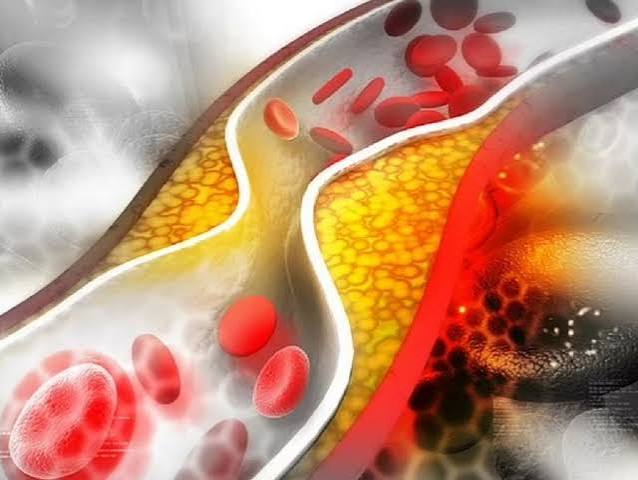
Weight and blood pressure are connected through one of the most well-established and clinically actionable relationships in cardiovascular medicine. Excess body weight — and particularly excess visceral fat concentrated around the abdomen — raises blood pressure through multiple overlapping physiological mechanisms that are specific, measurable, and reversible. Epidemiological studies estimate that 60 to 75 percent of essential hypertension cases are attributable to excess body weight, making obesity the single largest modifiable contributor to the global burden of hypertension. The relationship is dose-responsive in both directions: blood pressure tends to rise as weight is gained and fall as weight is lost, at a magnitude that is clinically meaningful and, in many cases, sufficient to reduce or eliminate the need for antihypertensive medications.
How Excess Weight Raises Blood Pressure
The mechanisms through which obesity elevates blood pressure are multiple and interacting — not a single pathway but a set of converging physiological changes that each independently raise blood pressure and reinforce each other.
The sympathetic nervous system is chronically activated in obesity through several routes. Visceral adipose tissue releases elevated concentrations of free fatty acids (FFAs) through increased rates of lipolysis, which stimulate the sympathetic nervous system directly through hypothalamic sensing. Leptin — the adipokine secreted by adipose tissue in proportion to fat mass — crosses the blood-brain barrier and stimulates sympathetic outflow from the hypothalamus, raising heart rate, increasing cardiac output, and causing vasoconstriction. Studies measuring muscle sympathetic nerve activity using microneurography consistently show that obese individuals have higher basal sympathetic nerve activity than lean individuals, and obese hypertensives have higher sympathetic activity than lean hypertensives with the same blood pressure level.
Insulin resistance and compensatory hyperinsulinemia add a critical metabolic pathway. Obesity causes insulin resistance, which the pancreas compensates for by producing more insulin. Elevated insulin levels raise blood pressure through enhanced sodium reabsorption in the proximal tubule of the kidney (raising blood volume), direct sympathetic nervous system stimulation, and increased production of endothelin-1, a potent vasoconstrictor. The kidney’s response to obesity is particularly important: obese individuals require a higher blood pressure to maintain normal sodium balance — a phenomenon called the shift in pressure natriuresis — meaning the kidney has recalibrated to a higher operating pressure as its baseline.
The renin-angiotensin-aldosterone system (RAAS) is dysregulated in obesity because visceral adipose tissue directly produces angiotensinogen, the precursor to angiotensin II. Increased local and systemic angiotensinogen from expanding visceral fat drives higher angiotensin II levels, causing vasoconstriction and stimulating aldosterone production, which promotes sodium and water retention and raises blood volume. Primary aldosteronism is significantly more common in obese hypertensives than in lean hypertensives. Visceral adipose tissue also secretes pro-inflammatory adipokines including TNF-α, IL-6, and resistin, which reduce endothelial nitric oxide production, increase vascular oxidative stress, and promote arterial stiffness — driving endothelial dysfunction and further blood pressure elevation through inflammatory pathways.
The Numbers: BMI, Waist Circumference, and Blood Pressure
The dose-response relationship between body weight and blood pressure is quantifiable and consistent across multiple large epidemiological studies. The Framingham Heart Study documented that the risk of hypertension development approximately doubles in overweight individuals (BMI 25–29.9) compared to normal-weight individuals and triples in those with obesity (BMI ≥30). The INTERSALT study — a cross-sectional analysis across 32 countries — found a strong positive correlation between body weight and blood pressure that was consistent across diverse populations. Prospective studies have quantified the relationship at approximately 5 mmHg higher systolic blood pressure and 4 mmHg higher diastolic for each 5 kg/m² increase in BMI.
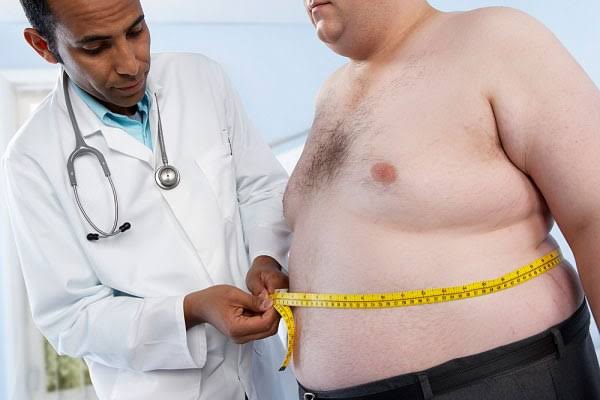
An important clinical distinction is that waist circumference is a stronger predictor of blood pressure and cardiovascular risk than BMI alone. This reflects the biological reality that visceral fat (intra-abdominal fat surrounding the organs) is the metabolically active adipose tissue driving sympathetic activation, RAAS dysregulation, and adipokine secretion, whereas subcutaneous fat (under the skin on the hips and thighs) is relatively metabolically inert. Two individuals with the same BMI can have markedly different hypertension risk depending on how their fat is distributed. Abdominal obesity — defined as waist circumference greater than 35 inches (88 cm) in women and greater than 40 inches (102 cm) in men — independently predicts hypertension, metabolic syndrome, and cardiovascular events beyond overall BMI.
How Much Does Weight Loss Lower Blood Pressure?
The clinical evidence for blood pressure reduction from weight loss is among the most consistent in hypertension research. The most widely cited estimate is approximately 1 mmHg of systolic blood pressure reduction per 1 kilogram of weight loss, with a range of approximately 1 to 2 mmHg per kg across different populations and study designs. This means a modest but clinically important reduction: losing 5 kg produces 5 to 10 mmHg systolic reduction; losing 10 kg produces approximately 10 to 15 mmHg — sufficient to move many individuals from the hypertensive to the normal range, or to reduce medication requirements.
The ENCORE trial (2012), which randomized overweight hypertensives to dietary weight loss, exercise, combined diet plus exercise, or standard lifestyle advice, found that the combined group achieved a mean systolic blood pressure reduction of approximately 16 mmHg compared to about 1 mmHg in the control group — one of the largest blood pressure reductions documented for a lifestyle intervention. The DASH diet combined with calorie restriction produces additive blood pressure reductions beyond either intervention alone, because the specific nutrient composition (high potassium, magnesium, calcium; low saturated fat and sodium) lowers blood pressure through mechanisms complementary to those driven by weight loss.
Dietary Approaches for Weight Loss and Blood Pressure
No single dietary pattern has exclusive evidence for combined weight loss and blood pressure benefit, but several consistently perform well. The DASH diet was developed specifically as a blood pressure-lowering eating pattern and produces blood pressure reductions even without caloric restriction, primarily through its high potassium, magnesium, and calcium content combined with reduced sodium and saturated fat. When DASH is implemented with calorie targets appropriate for weight loss, it provides additive benefit.
The Mediterranean dietary pattern — emphasizing olive oil, fish, legumes, vegetables, fruits, and whole grains while limiting red meat and ultra-processed foods — is associated with lower blood pressure and lower cardiovascular event rates in large prospective studies and clinical trials. Sodium restriction deserves specific attention in the context of weight management: it is common to focus on overall calories while inadvertently increasing sodium through packaged low-calorie foods and convenience options, partially offsetting the blood pressure benefit of weight loss. The combination of weight loss and sodium restriction produces additive blood pressure reductions — the two interventions target different mechanisms and are most effective when pursued together. Ultra-processed foods contribute to both weight gain and blood pressure elevation through caloric density, rapid absorption promoting insulin spikes, and direct adverse effects beyond their sodium content.
Exercise: Direct Blood Pressure Benefits Beyond Weight Loss
Regular aerobic exercise lowers blood pressure through mechanisms that are partly weight-dependent and partly independent of weight change. The direct blood pressure-lowering effect of regular aerobic exercise — typically 3 to 4 mmHg systolic reduction in hypertensive individuals — occurs through improvements in endothelial function (increased nitric oxide availability), reduced resting sympathetic tone, structural arterial adaptations, and improvements in insulin sensitivity. These benefits occur even in trials where participants do not lose significant body weight, confirming that exercise has blood pressure-lowering effects independent of caloric expenditure.
Visceral fat — the metabolically active intra-abdominal fat most strongly linked to hypertension — is more sensitive to exercise-driven mobilization than subcutaneous fat. Individuals who begin an exercise program may reduce waist circumference and visceral fat volume without significant change in total body weight, improving blood pressure through the metabolic mechanisms described above even before substantial scale weight loss is achieved. The combination of weight loss plus regular aerobic exercise produces greater blood pressure reduction than either intervention alone, as demonstrated by the ENCORE trial and multiple other randomized controlled trials.
Bariatric Surgery and GLP-1 Medications
For individuals with severe obesity who have not achieved adequate weight loss with lifestyle interventions, bariatric surgery and pharmacological weight loss agents now offer clinically powerful options. Roux-en-Y gastric bypass and sleeve gastrectomy produce average weight losses of 20 to 35 kg over 12 to 18 months. Fifty to 75 percent of hypertensive patients undergoing bariatric surgery achieve normalization or significant reduction of their antihypertensive medication requirements within one to two years. The STAMPEDE trial found that at 3 years, 36 to 49 percent of surgical patients had achieved blood pressure control off all antihypertensive medications, compared to zero percent in the intensive lifestyle management group.
GLP-1 receptor agonists — semaglutide, liraglutide, and tirzepatide — have transformed pharmacological weight management. The STEP trials of semaglutide 2.4 mg weekly in individuals with obesity produced mean weight loss of approximately 15 percent of body weight at 68 weeks. Blood pressure reductions in the STEP trials averaged approximately 5 to 7 mmHg systolic, consistent with the expected effect of this degree of weight loss, and these agents also have direct blood pressure-lowering effects through natriuresis and endothelial improvement independent of weight change.
Practical Weight Management for Blood Pressure Control
The most important predictor of long-term success is sustainability rather than initial rate of weight loss. Gradual weight loss of 0.5 to 1 kg per week, achieved through a modest caloric deficit, is associated with better weight maintenance than rapid loss approaches that typically result in weight cycling. Measuring waist circumference alongside scale weight tracks visceral fat reduction more accurately — someone who builds muscle while losing fat may see limited scale change but significant waist circumference reduction and blood pressure improvement.
Obese individuals tend to be more sodium-sensitive than lean individuals — their blood pressure responds more strongly to changes in sodium intake — making the combination of weight loss and sodium reduction particularly powerful in this population. For any hypertensive patient who is overweight or obese, an evaluation for obstructive sleep apnea is warranted: obesity is the strongest risk factor for OSA, and treating OSA — whether through weight loss itself or CPAP therapy — can produce blood pressure reductions equivalent to adding a second antihypertensive medication.
For anyone working to understand blood pressure management, what high blood pressure is provides foundational context. Salt and high blood pressure covers the dietary sodium component that interacts with obesity in driving blood pressure elevation. Stress and blood pressure is relevant because chronic stress promotes cortisol-driven weight gain and emotional eating. Information on weight management and blood pressure is available from the National Heart, Lung, and Blood Institute, the American Heart Association, and the CDC.
Weight and blood pressure are connected through specific, well-characterized biological mechanisms that respond meaningfully to weight reduction. For a large fraction of hypertensive patients who are overweight or obese, addressing body weight is not an optional lifestyle adjunct to medication but the most powerful single intervention available for long-term blood pressure control and cardiovascular risk reduction.
Alcohol, Weight, and Blood Pressure: A Two-Hit Combination
Alcohol consumption contributes to both weight gain and blood pressure elevation through complementary mechanisms. At 7 kilocalories per gram — nearly as calorie-dense as fat — alcohol adds substantial caloric load without providing satiety signals comparable to food. Beyond the direct caloric contribution, alcohol disrupts the normal overnight fat oxidation that occurs during sleep, preferentially shifting fuel oxidation toward alcohol metabolism while blunting lipid utilization — a metabolic consequence that promotes fat storage with regular drinking. The direct blood pressure-raising effects of alcohol at more than two standard drinks per day are well-established and independent of the weight effects: alcohol activates the sympathetic nervous system, increases plasma cortisol, stimulates the RAAS, and reduces baroreceptor sensitivity. For overweight hypertensive individuals who also drink alcohol regularly, reducing alcohol intake addresses both weight and blood pressure simultaneously — making it one of the highest-leverage behavioral changes available.
Potassium, Diet, and Weight Management for Blood Pressure
Dietary potassium deserves specific attention in the context of weight management for blood pressure. Potassium-rich foods — fruits, vegetables, legumes, and whole grains — are the core of both the DASH and Mediterranean dietary patterns, and potassium lowers blood pressure through two mechanisms: it directly promotes sodium excretion by the kidneys (natriuresis), counteracting the sodium-retaining mechanisms of obesity, and it reduces the vascular smooth muscle reactivity that drives arterial constriction. Because the foods highest in potassium are also among the lowest in caloric density — leafy vegetables, citrus fruits, bananas, sweet potatoes, and beans — a dietary shift toward potassium-rich whole foods simultaneously reduces caloric intake, promotes weight loss, and provides direct blood pressure benefit. This alignment means that the dietary changes most effective for weight management in overweight hypertensives are the same changes most directly beneficial for blood pressure through nutrient mechanisms.
Body Composition vs. Scale Weight: Why Waist Measurement Matters More
A practical clinical point often missed in weight management programs focused on scale weight: the same number on the scale does not represent the same cardiovascular risk if body composition changes. Someone who begins an exercise program may build muscle mass while losing an equivalent or greater mass of visceral fat — ending up at the same body weight or even slightly heavier on the scale while achieving substantial reductions in waist circumference, visceral fat volume, insulin resistance, and blood pressure. Scale weight alone does not capture this clinically beneficial change. Measuring waist circumference regularly alongside scale weight provides a more accurate reflection of the visceral fat changes that directly drive the mechanisms of obesity-related hypertension. Blood pressure itself is the most direct indicator of cardiovascular benefit — if waist is decreasing and blood pressure is falling, progress is occurring regardless of what the scale shows.
Childhood Obesity and Lifelong Blood Pressure Trajectory
The relationship between weight and blood pressure begins in childhood and tracks across the lifespan. BMI percentile in childhood is predictive of adult BMI, and elevated blood pressure in childhood is predictive of adult hypertension — the Bogalusa Heart Study and other longitudinal cohorts documented that children in the upper quintiles of blood pressure and BMI are significantly more likely to be hypertensive adults. The mechanisms of obesity-related hypertension are identical in children and adults: elevated sympathetic tone, insulin resistance, RAAS activation, and inflammatory adipokine secretion occur in obese children with the same pathophysiology as in obese adults. Addressing weight through family-level dietary and physical activity changes in childhood is far more effective than managing established obesity-related hypertension in middle age — both because the magnitude of weight gain is typically smaller and more reversible in childhood, and because early intervention prevents the vascular remodeling and RAAS dysregulation that become progressively harder to fully reverse with duration.
Weight Loss and Antihypertensive Medication: What to Expect
For overweight or obese individuals who are taking antihypertensive medications, successful weight loss typically reduces the number of medications needed — a powerful motivator that clinicians should communicate explicitly. The STAMPEDE trial of bariatric surgery versus intensive lifestyle management in obese hypertensives found that at 3 years, 36 to 49 percent of surgical patients had achieved target blood pressure off all antihypertensive medications, compared to zero percent in the lifestyle management group. While lifestyle-driven weight loss produces less dramatic results than surgery, multiple trials document meaningful medication reduction: a 10 kg weight loss in a patient taking two antihypertensive medications often allows reduction to one medication or elimination of the second agent. This medication reduction has its own clinical benefits — reducing pill burden, side effects, cost, and the adherence challenges associated with polypharmacy. Patients who are aware that weight loss may allow them to take fewer pills tend to be more motivated to sustain dietary and exercise changes; framing weight management as a medication-reduction strategy can be more motivating for some patients than abstract cardiovascular risk reduction.
Setting Realistic Expectations for Weight and Blood Pressure
A common point of frustration in weight management programs is the gap between the magnitude of weight loss achieved and the magnitude of blood pressure reduction observed — some patients lose 5 kg and expect their blood pressure to normalize, only to find it has improved modestly. Several factors explain this variability. First, individuals differ substantially in the proportion of their hypertension that is attributable to weight: someone whose hypertension is predominantly driven by obesity-related insulin resistance and sympathetic activation will see large blood pressure responses to weight loss, while someone whose hypertension has a strong hereditary component or who has had years of established vascular remodeling may see more modest responses to the same degree of weight change. Second, the pattern of fat loss matters — reducing visceral fat produces larger blood pressure reductions than losing the same weight from subcutaneous depots. Third, concurrent dietary changes matter: a patient who loses 5 kg but continues a high-sodium diet is partially offsetting the benefit through the sodium-sensitivity mechanisms amplified by their residual obesity. Understanding that weight management and blood pressure management are overlapping but not identical processes helps set realistic expectations while still providing clear motivation.
Special Populations: Older Adults and Weight Management
In older adults, the standard advice to lose weight for blood pressure benefit requires modification. Aging is associated with progressive loss of muscle mass (sarcopenia), and aggressive caloric restriction in older adults can accelerate muscle loss in ways that impair functional independence and increase fall risk — adverse outcomes that may outweigh blood pressure benefits in frail elderly individuals. The approach in older adults generally favors combining modest caloric reduction with resistance training (to preserve or build muscle while reducing fat) over aggressive dietary restriction alone. The blood pressure benefits of resistance training in older adults — which include improvements in insulin sensitivity, arterial compliance, and autonomic function — occur even without significant weight loss and are complementary to modest dietary restriction. Visceral fat reduction — tracked by waist circumference rather than scale weight — is a particularly appropriate goal in older adults whose total body weight may not change substantially due to simultaneous muscle building.
Monitoring Progress: Blood Pressure and Weight Together
For overweight hypertensive individuals pursuing weight loss, tracking both weight and home blood pressure simultaneously provides the most complete picture of progress and helps sustain motivation. Home blood pressure monitoring — taking readings at consistent times (ideally morning and evening) using a validated upper arm cuff — captures the blood pressure improvements from weight loss that may occur before the next clinic visit. Watching blood pressure fall alongside waist circumference over weeks to months reinforces the behavioral changes driving both outcomes. Many people find that seeing a direct physiological response to their effort — blood pressure falling as weight comes down — is a more effective motivator than abstract future cardiovascular risk reduction. A blood pressure diary alongside a weight log, reviewed with a clinician at each visit, allows appropriate medication adjustment as weight loss progresses and reduces the risk of blood pressure falling too low as medication doses remain unchanged in the face of improving physiology.
Weight and blood pressure are connected through a set of specific, well-characterized biological mechanisms — sympathetic activation, insulin resistance, RAAS dysregulation, and adipose-driven inflammation — that respond meaningfully to weight reduction through dietary change, exercise, pharmacological intervention, or surgery. The specific degree of blood pressure benefit from weight loss is variable and depends on the proportion of hypertension attributable to obesity, the pattern of fat distribution, concurrent dietary changes, and the presence of complicating factors such as vascular remodeling or hereditary hypertension. But for the large fraction of hypertensive patients who are overweight or obese, addressing body weight remains the most powerful non-pharmacological intervention available — and one of the most reliably effective at reducing both blood pressure and the medications required to control it.
I have been reading about weight and blood pressure: how body for weeks and this is the most thorough guide I have found. The section on managing this condition day-to-day was especially useful for meal planning. Forwarding this to others in my support group who are dealing with similar issues.
Thank you for covering weight and blood pressure: how body so thoroughly without being overly technical. What I liked most was that the article didn’t just say what to avoid — it also gave alternatives. Exactly the kind of evidence-based information that is hard to find in one place.
As someone dealing with this personally, the weight and blood pressure: how body section was very helpful. It is refreshing to see an article that acknowledges individual variation rather than giving one-size-fits-all advice. This gave me real confidence going into my next specialist appointment.
As someone dealing with this personally, the weight and blood pressure: how body section was very helpful. I appreciated how the article addressed both the clinical side and the practical adjustments. Looking forward to reading more articles from this website.
Finally a resource that explains weight and blood pressure: how body in plain language. I appreciated how the article addressed both the clinical side and the practical adjustments. I wish I had found this article earlier — would have saved a lot of confusion.
Thank you for covering weight and blood pressure: how body so thoroughly without being overly technical. The section on managing this condition day-to-day was especially useful for planning. I wish I had found this article earlier — would have saved a lot of confusion.