
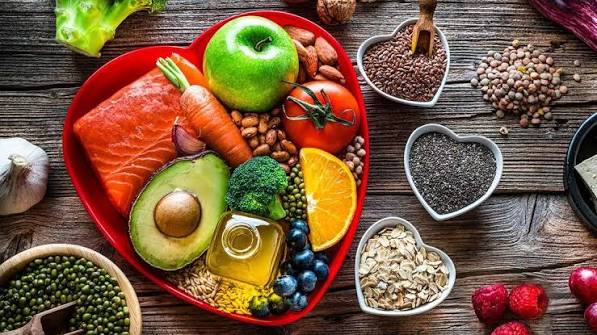
If you have been told your blood pressure is too high, one of the most evidence-backed steps you can take starts at the grocery store. The DASH diet for high blood pressure was developed specifically to address hypertension through food choices, and clinical trials show it can lower systolic blood pressure by 8 to 14 points — enough to make a meaningful difference without a prescription.
DASH stands for Dietary Approaches to Stop Hypertension. It was created by the National Heart, Lung, and Blood Institute in the 1990s and has since earned a Class I recommendation from the American College of Cardiology and the American Heart Association — the same evidence grade given to first-line medications. This article explains what the DASH diet is, how it works, what to eat, and how to apply it in everyday life.
What Is the DASH Diet?
The DASH diet is an eating pattern built around fruits, vegetables, whole grains, low-fat dairy, lean proteins, and limited sodium. It was designed not as a short-term fix but as a sustainable way of eating that supports long-term blood pressure control.
Unlike fad diets that restrict entire food groups, the DASH diet works by shifting your intake toward foods naturally rich in three minerals — potassium, magnesium, and calcium — while reducing sodium and saturated fat. These changes directly affect how the cardiovascular system maintains blood vessel tone and fluid balance.
The typical American diet provides around 3,400 mg of sodium per day, heavy in processed meats, fast food, and refined grains. The standard DASH diet caps sodium at 2,300 mg per day; a stricter version targets 1,500 mg. In contrast, the American diet provides roughly 2,600 mg of potassium per day — well below the DASH target of 4,700 mg.
This gap matters. The ratio of potassium to sodium is just as important as the absolute sodium level, and the DASH diet corrects both ends of this balance at once.
How the DASH Diet Lowers Blood Pressure
The blood pressure benefits of the DASH diet come from several overlapping mechanisms, not a single nutrient.
Potassium and sodium balance. Potassium helps the kidneys excrete sodium and relaxes blood vessel walls. When potassium intake is high and sodium intake is low, the kidneys retain less fluid and the heart works against less resistance.
Magnesium and vascular function. Magnesium supports the relaxation of smooth muscle in artery walls. Low magnesium levels are associated with arterial stiffness and increased peripheral resistance — both of which raise blood pressure.
Calcium and vessel tone. Calcium plays a role in regulating how blood vessels contract. Low dietary calcium is linked to higher blood pressure in multiple population studies.
Fiber and inflammation. High-fiber diets support a healthier gut microbiome, which reduces systemic inflammation — a contributing factor to arterial stiffness and hypertension.
Lower saturated fat. Reducing saturated fat improves arterial flexibility over time, which allows blood to flow with less pressure.
These effects tend to appear quickly. Most clinical trials saw meaningful blood pressure reductions within two weeks of starting the diet.
What to Eat on the DASH Diet
The DASH diet is structured around serving targets across several food groups, not strict calorie counting.
Daily targets:
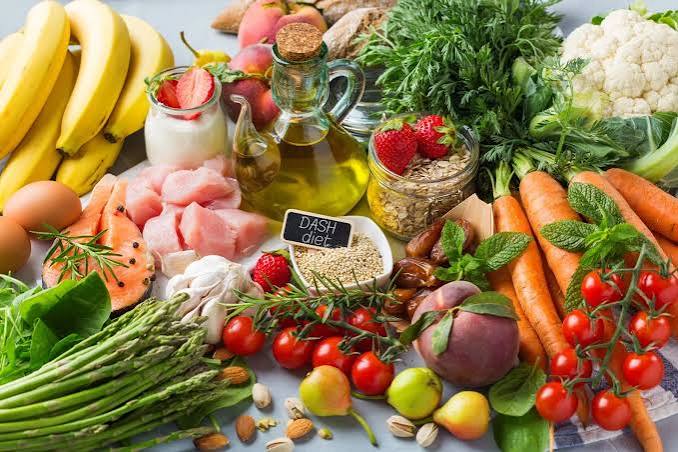
- Grains: 6 to 8 servings, with an emphasis on whole grains such as oats, brown rice, and whole wheat bread
- Vegetables: 4 to 5 servings — leafy greens, broccoli, carrots, tomatoes, sweet potatoes
- Fruits: 4 to 5 servings — berries, bananas, citrus, melons
- Low-fat or non-fat dairy: 2 to 3 servings — milk, yogurt, cottage cheese
- Lean protein: Up to 6 ounces per day of poultry, fish, or eggs; limit red meat
Weekly targets:
- Nuts, seeds, and legumes: 4 to 5 servings per week — almonds, sunflower seeds, kidney beans, lentils
- Fats and oils: 2 to 3 servings per day — focus on olive oil; avoid butter and lard
- Sweets: No more than 5 per week; choose naturally sweetened options over refined sugar
What to limit:
The DASH diet discourages foods high in sodium (processed and canned foods, deli meats, fast food), added sugar, full-fat dairy, and fatty cuts of red meat. Reading nutrition labels becomes a daily practice for sodium tracking.
A practical way to think about it: if a food came out of the ground or was once alive and close to its natural form, it likely fits the DASH approach. The more processing it has gone through, the more caution is warranted.
DASH Diet vs. Low-Sodium Diet Alone
Many people assume that reducing salt is the only dietary change needed for blood pressure control. Research shows that a low-sodium diet alone helps, but the full DASH pattern provides a substantially larger effect.
In the DASH-Sodium trial (published in 2001 in the New England Journal of Medicine), researchers tested four combinations:
- Typical American diet with standard sodium
- Typical American diet with low sodium
- DASH diet with standard sodium
- DASH diet with low sodium
The combination of DASH plus low sodium produced the greatest reduction: up to 14 mmHg systolic in participants with hypertension, and around 7 mmHg even in those with normal blood pressure.
The reason the combined approach outperforms either strategy alone is that DASH increases the intake of protective minerals while low sodium reduces the primary stressor on blood pressure regulation. These mechanisms reinforce each other rather than duplicate effort.
For people who find a strict 1,500 mg sodium limit difficult initially, starting with DASH at the standard 2,300 mg limit still produces significant benefits — around 8 to 11 mmHg — and sodium can be progressively reduced over weeks.
Who Benefits Most from the DASH Diet?
While the DASH diet benefits most people with elevated blood pressure, research has identified groups who tend to see the largest effects.
African Americans. Subgroup analysis from the original DASH trial showed that Black participants experienced reductions approximately twice as large as white participants with the same dietary changes — roughly 13 mmHg systolic versus 6 mmHg. This may be related to higher rates of salt sensitivity in this population.
Older adults. Blood pressure tends to rise with age in part because arteries become stiffer and kidneys become less efficient at managing sodium and potassium. The DASH diet’s combination of high potassium, magnesium, and calcium directly counteracts these age-related changes.
People on antihypertensive medication. The DASH diet is not a replacement for prescribed medication, but it can enhance the effect of medication or, in consultation with a doctor, support a conversation about whether dose reduction is appropriate. Never adjust medication based on dietary changes alone without medical supervision.
People with diabetes. The DASH diet also improves insulin sensitivity and has been shown to reduce HbA1c levels modestly, making it a practical dual-purpose approach for people managing both high blood pressure and blood sugar.
Getting Started: Practical Steps
Switching to the DASH diet does not require an overnight overhaul. Research on behavior change suggests that gradual transitions are more sustainable than complete dietary restructuring all at once.
Week 1: Increase vegetables and fruits. Add one extra vegetable serving to lunch or dinner and swap a processed snack for a piece of fruit. This single change begins shifting the potassium-sodium balance without requiring full dietary restructuring.
Read sodium labels. Start checking the sodium content of packaged foods. A target of 2,300 mg per day means approximately 500 to 700 mg per meal. Many canned soups and sauces contain 700 to 900 mg per serving alone — a fact that only becomes visible when you read the label.
Swap grains gradually. Replace white rice with brown rice, white bread with whole wheat, and standard pasta with whole grain versions. These swaps increase fiber and reduce the glycemic load of meals without changing the overall meal structure.
Season with herbs instead of salt. Garlic, lemon juice, rosemary, cumin, and smoked paprika add significant flavor without sodium. Most palates adapt to lower-salt cooking within two to four weeks as taste receptors recalibrate.
Batch cook legumes. Beans and lentils are among the highest potassium and magnesium foods available and are also inexpensive. Cooking a large batch once a week and using it across multiple meals reduces preparation time considerably.
Plan protein portions. The DASH diet limits meat to six ounces per day — roughly the size of two decks of cards. Replacing one meat-based dinner per week with a bean or lentil-based meal is a practical starting point that makes this transition manageable.
What the Research Says
The DASH diet has one of the strongest evidence bases of any dietary intervention for blood pressure control.
DASH trial (1997). The original DASH trial enrolled 459 adults and ran for eight weeks. Participants eating the full DASH diet saw systolic blood pressure fall by 11.4 mmHg and diastolic by 5.5 mmHg compared to a control diet. Among participants with hypertension above 140/90, reductions were even larger.
DASH-Sodium trial (2001). This follow-up study with 412 adults tested the combined effect of the DASH diet and sodium restriction. The combination of DASH plus 1,500 mg sodium per day produced the largest reductions — up to 14 mmHg systolic in people with hypertension.
Meta-analyses. A large meta-analysis of randomized controlled trials found that even in people without hypertension, the DASH diet reduced systolic pressure by an average of 3.2 mmHg and diastolic by 2.5 mmHg. At a population scale, reductions of this size translate to meaningful decreases in cardiovascular events.
Long-term observational studies. Prospective studies following DASH adherence over years show associations with lower cardiovascular event rates, reduced stroke risk, and lower rates of heart failure — not just blood pressure numbers in isolation.
The ACC/AHA 2017 hypertension guidelines describe the DASH diet as a Class I, Level A recommendation — meaning the evidence in its favor is strong enough that it should be recommended to all patients with elevated blood pressure, alongside other lifestyle modifications.
Potential Challenges and How to Manage Them
Despite the evidence, the DASH diet has real-world adoption barriers that are worth addressing directly.
Higher grocery costs. Fresh fruits, vegetables, and low-fat dairy can cost more than processed alternatives. Strategies that help include purchasing frozen vegetables (nutritionally equivalent to fresh), buying seasonal produce, and substituting canned fish such as sardines or tuna for fresh animal protein. Rinsing canned beans removes a significant portion of added sodium.
Time and preparation. More cooking from scratch is required compared to convenience foods. Batch preparation on weekends, slow cooker meals, and prepped vegetables stored in the refrigerator significantly reduce weekday burden and make the DASH diet more realistic for busy schedules.
Salt cravings. The average American palate is calibrated to high sodium. A gradual reduction over two to four weeks — rather than an abrupt cut — allows taste receptors to adjust and reduces the feeling of deprivation. Most people report that after this adjustment period, heavily salted food starts to taste too salty.
Kidney disease. The DASH diet is high in potassium, which is beneficial for most people but must be moderated for individuals with chronic kidney disease (CKD Stage 3 or higher). Potassium accumulates when kidney function is impaired, and this can be dangerous. Anyone with CKD should consult a nephrologist or registered dietitian before starting the DASH diet.
Medication interactions. People on ACE inhibitors or ARBs — common blood pressure medications — may already have elevated potassium levels due to how these drugs affect kidney function. The additional potassium from the DASH diet is generally safe, but obtaining a baseline potassium level when starting is a prudent step that a primary care provider can arrange.
The DASH diet for high blood pressure is one of the best-supported non-pharmacological interventions available. With reductions of up to 14 mmHg possible through diet alone, it belongs in the toolkit of anyone managing elevated blood pressure — whether newly diagnosed, managing borderline numbers, or on medication looking to optimize overall health.
Starting small works. Adding one extra vegetable serving, switching one snack, reading one label — these changes accumulate over weeks into a meaningful shift in dietary pattern and blood vessel health. If your blood pressure has not responded to lifestyle changes alone, or if your numbers are significantly elevated, talk with your doctor. The DASH diet works best as part of a broader blood pressure management plan that includes monitoring, appropriate medication when indicated, and other lifestyle factors.
For related reading, see our articles on salt and high blood pressure, weight and blood pressure, exercise and blood pressure control, and meal planning for high blood pressure.
How Long Does the DASH Diet Take to Work?
One of the questions people most commonly ask when starting a new eating plan for blood pressure is how quickly they can expect to see results. The DASH diet has a relatively rapid onset of effect compared to many other lifestyle interventions.
Clinical trials consistently show measurable blood pressure reductions within two weeks of beginning the full DASH eating pattern. The DASH trial found significant changes by the end of the first two-week measurement period, with effects persisting and often deepening through the eight-week study duration.
The speed of response varies by individual. Factors that influence how quickly blood pressure responds include:
- How far above normal blood pressure was before starting
- How closely the full DASH pattern is followed, including sodium reduction
- Whether weight loss accompanies the dietary change
- Current medication use and baseline mineral levels
For most people, a reasonable timeline is: noticeable changes within two to four weeks, with larger improvements accumulating over two to three months of consistent adherence. Monitoring blood pressure at home during this period — at the same time each day, after five minutes of rest — provides the clearest picture of individual response.
It is worth noting that stopping the DASH diet reverses its benefits. Blood pressure typically returns toward its previous level within a few weeks of discontinuing the dietary pattern. This is why framing the DASH diet as a long-term eating approach rather than a temporary treatment produces the best outcomes.
DASH Diet and Sodium: Understanding the Numbers
Sodium is the nutrient most often discussed in the context of blood pressure, and the DASH diet addresses it at two levels: the standard version and the enhanced low-sodium version.
Standard DASH (2,300 mg sodium/day): This is the starting point recommended for most people. At 2,300 mg, the target aligns with the general dietary guidelines for sodium intake in the United States. For the average American consuming 3,400 mg per day, this still requires meaningful reduction — cutting out roughly one teaspoon of added salt from the daily diet.
Low-sodium DASH (1,500 mg sodium/day): This stricter version produces greater blood pressure benefits, particularly in people with established hypertension, older adults, and those who are salt-sensitive. Achieving 1,500 mg requires careful attention to packaged and restaurant food, where sodium is often hidden in large quantities.
Practical sodium targets by meal (at 1,500 mg level):
- Breakfast: aim for under 300 mg
- Lunch: aim for under 500 mg
- Dinner: aim for under 500 mg
- Snacks: aim for under 200 mg total
High-sodium foods to prioritize avoiding include processed deli meats (600–1,200 mg per serving), canned soups (700–1,100 mg per cup), pickled foods, soy sauce, and most fast-food items. Even bread and breakfast cereals can contribute 100–200 mg per serving, making label reading a useful daily habit.
Salt substitutes — products that replace sodium chloride with potassium chloride — can help reduce sodium while simultaneously increasing potassium intake. However, they should be used with caution by people on potassium-sparing medications or those with kidney disease, as excess potassium can be harmful in these populations.
DASH Diet Meal Ideas to Get Started
Moving from understanding the DASH diet principles to actually eating differently requires concrete examples. The following meal ideas reflect DASH-compatible eating without requiring cooking expertise or unusual ingredients.
Breakfast options:
- Oatmeal topped with banana and a handful of walnuts, served with a glass of low-fat milk
- Greek yogurt with mixed berries and a drizzle of honey
- Whole wheat toast with avocado and a poached egg, alongside orange juice
Lunch options:
- Large salad with spinach, chickpeas, cucumber, tomato, and olive oil/lemon dressing
- Whole wheat pita with hummus, grilled chicken, and roasted vegetables
- Lentil soup (low sodium) with a side of whole grain crackers and an apple
Dinner options:
- Baked salmon with steamed broccoli and brown rice
- Bean and vegetable stir-fry over quinoa with a ginger-garlic sauce (no soy sauce or low-sodium soy)
- Grilled chicken breast with sweet potato and a green salad with vinaigrette
Snack options:
- A small handful of unsalted almonds
- Apple slices with natural peanut butter (no added salt)
- Low-fat cottage cheese with sliced strawberries
These examples demonstrate that the DASH diet accommodates a wide range of flavor preferences. Meals do not have to taste bland — the shift is from relying on sodium for flavor to using herbs, spices, citrus, garlic, and vinegar instead.
DASH Diet and Exercise: A Powerful Combination
The DASH diet works best when combined with regular physical activity. Exercise independently lowers blood pressure, and the two interventions together produce additive effects that neither achieves alone.
A consistent finding across hypertension research is that moderate aerobic exercise — such as 30 minutes of brisk walking five days per week — reduces systolic blood pressure by approximately 4 to 8 mmHg. When this physical activity is combined with the DASH eating pattern, total reductions can reach 16 to 20 mmHg in people with Stage 1 hypertension, which for many people is sufficient to normalize blood pressure without medication.
The mechanisms are complementary: exercise improves arterial elasticity and reduces resting heart rate, while the DASH diet addresses the mineral balance and inflammation pathways that affect vascular tone. Together, they address blood pressure from multiple physiological angles simultaneously.
Strength training also contributes. While historically considered less impactful on blood pressure than aerobic exercise, moderate resistance training two to three times per week has been shown to produce reductions of 2 to 4 mmHg on its own. Combined with DASH dietary changes and aerobic activity, this creates a comprehensive lifestyle framework for blood pressure management.
If exercise has not been part of your routine, starting gradually is both safer and more sustainable. Even 10 to 15 minutes of walking after meals has been shown to have meaningful effects on blood pressure and blood sugar when done consistently. The key principle is consistency over intensity — daily moderate movement outperforms occasional intense sessions for cardiovascular benefit. For more on this topic, see our article on exercise and blood pressure control.
Tracking Progress While on the DASH Diet
Monitoring blood pressure at home during DASH diet adoption provides objective feedback that dietary logs alone cannot offer. Home readings taken consistently — at the same time each day, in the same seated position, after five minutes of rest — are often more accurate indicators of treatment response than occasional clinic measurements.
When starting the DASH diet, consider measuring blood pressure daily for the first two weeks, then every two to three days thereafter. This creates a baseline and tracks the trajectory of change. Bring this log to medical appointments so your doctor has data to interpret alongside any adjustments to medication or other interventions.
Dietary tracking — even informally, for the first two to four weeks — also accelerates learning. Noting sodium intake per meal rapidly identifies the highest-sodium foods in your current diet and clarifies where the easiest reductions can be made. After the initial learning period, most people internalize DASH principles well enough that formal tracking becomes unnecessary.