
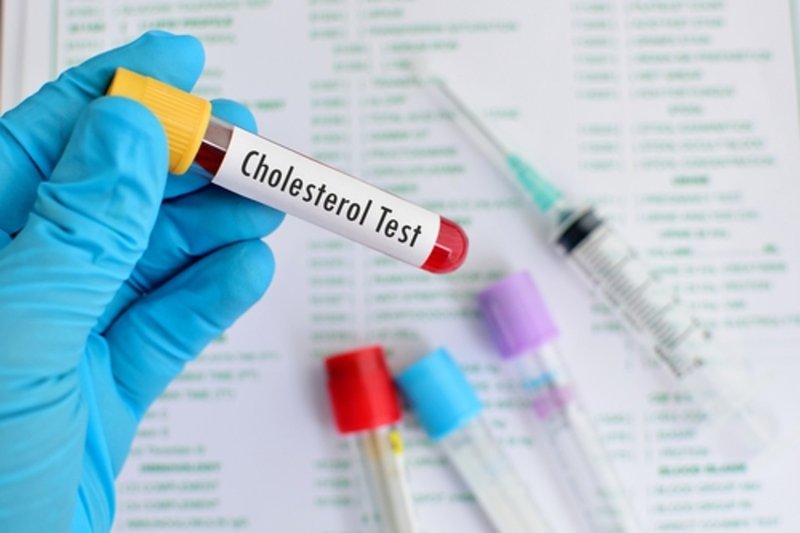
If you’ve ever had a routine blood test, there’s a good chance it included a lipid panel — the test that measures cholesterol and related fats in the blood. But most people who have had lipid panels don’t fully understand what the test is measuring, how to read the results, or what the different numbers actually tell them about their cardiovascular health.
A lipid panel is the foundational test in cardiovascular risk assessment. It is ordered more often than almost any other diagnostic blood test, and the results it produces form the basis for decisions about lifestyle modification, medication, and follow-up care for tens of millions of people each year. Understanding what a lipid panel measures — and what it doesn’t — is the first step in making sense of those results.
What Is a Lipid Panel?
A lipid panel, also called a lipid profile, cholesterol panel, or fasting lipid panel, is a blood test that measures the types and amounts of fats and lipoproteins in your blood. Lipids are fat-like substances your body uses for energy, cell construction, hormone production, and other essential functions. Lipoproteins are the protein-coated particles that carry lipids through the bloodstream — because fat cannot dissolve in the watery environment of blood, it requires these carriers to circulate.
The lipid panel measures four primary values: total cholesterol, LDL cholesterol, HDL cholesterol, and triglycerides. From these, additional values — VLDL and non-HDL cholesterol — are calculated. Lipid panels are used for three main purposes: screening (identifying elevated cardiovascular risk), characterizing the type of dyslipidemia present, and monitoring treatment response over time.
What a Lipid Panel Measures
Total Cholesterol is the sum of all cholesterol in all lipoprotein particles: LDL + HDL + VLDL. As a single number it has limited interpretive value — it adds together lipoproteins with opposing cardiovascular effects — but serves as the starting point for derived calculations.
LDL Cholesterol (LDL-C) is the primary measure of atherogenic cholesterol — the cholesterol that promotes plaque buildup. In most standard panels, LDL-C is not directly measured but calculated using the Friedewald equation: LDL = Total Cholesterol − HDL − (Triglycerides ÷ 5). This calculation becomes unreliable when triglycerides exceed approximately 400 mg/dL. The Martin-Hopkins equation is a more accurate variation now used by some labs. For more on LDL’s role in cardiovascular disease, see our article on LDL vs HDL cholesterol.
HDL Cholesterol (HDL-C) is measured directly. HDL collects cholesterol from tissues and arterial walls and returns it to the liver — a protective process called reverse cholesterol transport. High HDL is associated with lower cardiovascular risk; low HDL is an independent risk factor.
Triglycerides are also measured directly. They are the primary fat storage molecule, produced when the liver processes excess calories — particularly from carbohydrates and alcohol. Elevated triglycerides signal metabolic dysfunction and are a defining component of metabolic syndrome. For a detailed look at their cardiovascular role, see our article on triglycerides and heart health.
VLDL Cholesterol is estimated as triglycerides ÷ 5. VLDL particles carry triglycerides from the liver to tissues and are precursors to LDL. Elevated VLDL contributes to the atherogenic triad of high triglycerides, low HDL, and small dense LDL particles.
Non-HDL Cholesterol is calculated as total cholesterol minus HDL. It captures all cholesterol in potentially harmful lipoproteins — LDL, VLDL, IDL, and Lp(a) — making it a more comprehensive atherogenic burden measure than LDL alone. Many current guidelines list non-HDL as a primary treatment target, particularly in people with elevated triglycerides.
Reference Ranges — What Each Number Means
LDL: <100 optimal | 100–129 near optimal | 130–159 borderline high | ≥190 very high
HDL: <40 (men) / <50 (women) low | ≥60 protective
Triglycerides (fasting): <150 normal | 150–199 borderline | 200–499 high | ≥500 very high
Non-HDL: <130 optimal | 130–159 near optimal | ≥190 high
These are population-level guidelines — starting points for interpretation, not absolute verdicts. Individual LDL targets depend on overall cardiovascular risk: someone with established heart disease or diabetes may need LDL below 70 mg/dL or even below 55 mg/dL. The numbers from a lipid panel are always interpreted in the context of age, sex, blood pressure, smoking, family history, and other health conditions. For a comprehensive guide to reading these results, see our article on total cholesterol: how to understand your results.
Fasting vs. Non-Fasting — Does It Matter?
The traditional recommendation was to fast for 9 to 12 hours before a lipid panel. This was based on the fact that eating temporarily raises triglyceride levels by 50 to 100 mg/dL as dietary fat is absorbed. Since LDL is calculated using triglycerides as an input, elevated post-meal triglycerides cause LDL to be underestimated.
However, practice has evolved. Total cholesterol and HDL are minimally affected by recent food intake and are reliable in non-fasting samples. Non-HDL cholesterol is also reliable non-fasting. Current guidelines from the European Atherosclerosis Society and many US practices now accept non-fasting panels for most clinical purposes. Non-fasting triglycerides above 175 mg/dL (versus the fasting threshold of 150 mg/dL) are considered borderline by European guidelines.
When fasting is still recommended: when triglycerides are the primary concern or exceeded 400 mg/dL on a previous test; when following up a previous elevated non-fasting result; and for some pediatric screening protocols. The practical takeaway: follow fasting instructions if given them; if testing non-fasting, inform the lab or clinician so results are interpreted accordingly.
How the Test Is Done
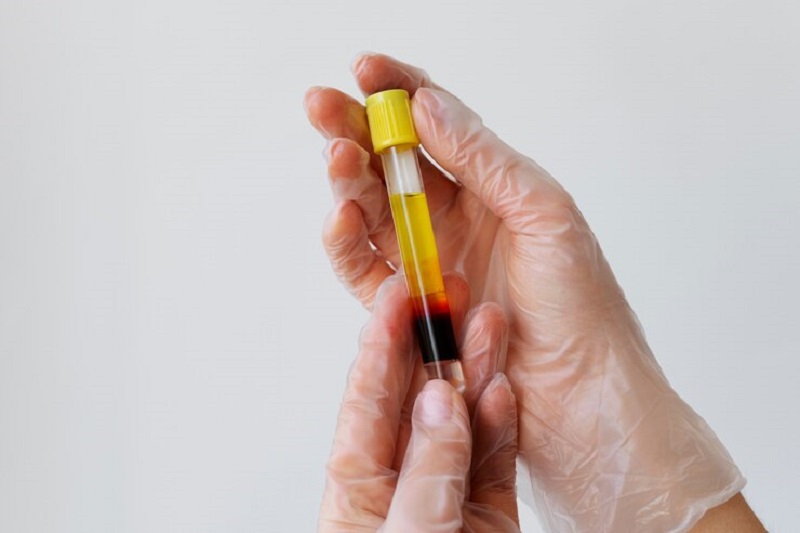
A lipid panel requires a simple blood draw from a vein in the arm, taking under five minutes. Results are typically available within 24 to 48 hours, often the same day.
Preparation for a fasting lipid panel: no food or caloric beverages for 9 to 12 hours (water is fine); take medications as usual unless instructed otherwise; avoid intense exercise 24 hours before the test; avoid alcohol 24 to 48 hours before (it significantly raises triglycerides); inform the lab if not fasting. Cholesterol levels are approximately 5 to 10 percent higher in winter than summer, and acute illness can temporarily lower values — consistent testing conditions improve comparability over time.
Accessing the test: Lipid panels are typically ordered by a primary care physician as part of routine preventive care. In the US, patients have the right to receive results directly. Some pharmacies and direct-to-consumer laboratory services offer testing without a physician order, at costs typically ranging from $25 to $100.
Who Should Get a Lipid Panel?
The American Heart Association recommends that all adults have cholesterol checked starting at age 20, with repeat testing every four to six years if results are desirable and no additional risk factors are present. More frequent testing is recommended for: people with previously elevated cholesterol, adults with risk factors (hypertension, diabetes, obesity, smoking, family history of early heart disease), people with established cardiovascular disease, and people on lipid-lowering medications (typically 4 to 12 weeks after initiation, then annually).
The American Academy of Pediatrics recommends universal cholesterol screening at ages 9 to 11 and again at 17 to 21. Children with a parent who had a heart attack before age 55 (fathers) or 65 (mothers), or a parent with total cholesterol above 240 mg/dL, should be screened starting at age 2.
What to Do With Your Results
If results are normal: Continue healthy habits and schedule repeat screening in four to six years. Normal results do not guarantee protection — advanced testing (Lp(a), ApoB, CAC score) can reveal risk that standard panels miss.
If results are borderline: Lifestyle modification first — reviewing dietary saturated fat and sugar intake, increasing physical activity, addressing weight, and eliminating smoking. Repeat testing in three to six months. For what specifically drives cholesterol elevation, see our article on causes of high cholesterol.
If results indicate high risk: Discuss pharmacological treatment with a physician. Statins are the first-line option for people who meet guideline criteria. The decision involves calculated 10-year ASCVD risk, LDL level, and individual factors.
Beyond the Basic Panel — Advanced Lipid Testing
Apolipoprotein B (ApoB) counts total atherogenic particles (each LDL, VLDL, and IDL carries exactly one ApoB-100). Standard LDL-C measures cholesterol concentration, not particle count. ApoB is particularly valuable in people with metabolic syndrome or diabetes, where LDL-C underestimates risk.
Lipoprotein(a) — Lp(a) is a modified LDL with additional protein that increases atherogenicity and clot promotion. Lp(a) is almost entirely genetic — diet and exercise have minimal effect. Elevated Lp(a) affects approximately 20 percent of the global population and is a significant independent cardiovascular risk factor. Current guidelines recommend measuring Lp(a) at least once in adult life.
High-sensitivity CRP (hsCRP) measures systemic inflammation — an independent cardiovascular risk factor. The JUPITER trial demonstrated statin benefit in people with normal LDL but elevated hsCRP, highlighting inflammatory risk not captured by cholesterol values.
Coronary artery calcium (CAC) score is a CT scan that directly measures calcified arterial plaque. A CAC score of zero in someone with borderline cholesterol suggests low near-term risk and can appropriately defer medication. A high CAC score indicates established atherosclerosis and typically supports more aggressive treatment regardless of cholesterol values.
Common Questions About the Lipid Panel
Can I exercise before the test? Avoid intense exercise 24 hours before. A single high-intensity workout can transiently elevate triglycerides. Moderate daily activity is not a concern.
Does stress affect results? Acute psychological stress can transiently raise cholesterol. Testing during illness or very high stress may not reflect usual values. Consistency in testing conditions matters more than any single measurement.
Why is LDL calculated, not measured? Direct LDL measurement is more expensive and adds little value in most routine testing. If triglycerides exceed 400 mg/dL, direct LDL or non-HDL should be used instead of Friedewald-calculated LDL.
Why do different labs have slightly different reference values? Reference ranges are set by individual labs based on their testing populations and methodologies. The major categories (desirable, borderline, high) are nationally standardized, but exact cutoffs may vary slightly. The categories and trend over time matter more than small inter-lab differences.
A lipid panel is a routine, low-cost test providing essential information about one of the most modifiable cardiovascular risk factors. The most important principle for using the results: context. Numbers that seem alarming in isolation may be appropriate when HDL is high; numbers that seem acceptable may be inadequate when multiple risk factors are present. The test provides the inputs; clinical judgment interprets what those inputs mean for your specific situation. For a deeper understanding of what cholesterol is and how it works, see our foundational article on what is cholesterol.
How Lipid Panel Results Are Used in Treatment Decisions
The raw numbers from a lipid panel are inputs into a clinical decision-making process — not decisions in themselves. Understanding how clinicians use these numbers helps patients participate more actively in the conversation about their results.
Calculating 10-year cardiovascular risk. The ACC/AHA Pooled Cohort Equations take lipid values alongside age, sex, race, blood pressure, diabetes status, and smoking history to estimate the probability of a major cardiovascular event (heart attack, stroke) within the next 10 years. This calculated risk — not the cholesterol number alone — is the primary driver of treatment recommendations for primary prevention (people without existing cardiovascular disease). Someone with total cholesterol of 240 and a 10-year risk of 5 percent needs a very different response than someone with the same total cholesterol and a 10-year risk of 20 percent.
Identifying guideline-based statin treatment groups. ACC/AHA 2018 guidelines identify four groups where statin therapy is clearly beneficial: (1) people with clinical ASCVD (prior heart attack, stroke, coronary artery disease, peripheral artery disease); (2) people with LDL ≥190 mg/dL regardless of risk (suggesting genetic hypercholesterolemia); (3) people aged 40 to 75 with diabetes and LDL 70 to 189 mg/dL; and (4) people aged 40 to 75 without diabetes with LDL 70 to 189 mg/dL and 10-year ASCVD risk ≥7.5 percent. The lipid panel provides two of the most critical inputs — LDL level and total cholesterol for risk calculation — that determine whether a patient falls into any of these groups.
Selecting intensity of treatment. Even after deciding that treatment is warranted, lipid panel results influence which statin and at what dose. High-intensity statins (atorvastatin 40–80 mg, rosuvastatin 20–40 mg) achieve LDL reductions of ≥50 percent and are used in very high-risk patients. Moderate-intensity statins are used for lower-risk patients. The starting LDL level — from the lipid panel — determines both the appropriate intensity and the goal to aim for.
Monitoring treatment response. After starting a statin or making significant dietary changes, a follow-up lipid panel quantifies the response. If LDL has not fallen by the expected amount — typically 30 to 50 percent with moderate-intensity statins, 50 percent or more with high-intensity statins — the clinician may increase the dose, switch medications, or add ezetimibe. The lipid panel provides the objective feedback that makes this iterative optimization possible.
Understanding Variability in Lipid Panel Results
One of the most common sources of confusion and unnecessary anxiety is when lipid panel results vary between tests without any obvious change in health or habits. Understanding the sources of this variability helps interpret these fluctuations appropriately.
Biological variability. Cholesterol levels fluctuate naturally even in a single person under stable conditions. The within-person coefficient of variation is approximately 5 to 8 percent for LDL and somewhat higher for triglycerides and HDL. For someone with an average LDL of 130 mg/dL, a repeat test might legitimately show anything from 117 to 143 mg/dL without any actual change in cardiovascular risk. This is why a single mildly elevated reading should prompt lifestyle evaluation and repeat testing rather than immediate medication changes.
Laboratory method variability. Different laboratories use different reagents, analyzers, and calibration protocols. A patient tested at one lab and then another may see differences of 5 to 10 mg/dL in their LDL result due purely to methodological differences rather than any change in their actual cholesterol. For monitoring purposes, using the same laboratory consistently produces more directly comparable results.
Pre-analytical variability. Factors before the blood is drawn — fasting status, physical activity, alcohol consumption, recent illness, stress, seasonal timing — can all cause the same person’s lipid values to vary substantially. A test taken after two glasses of wine and a holiday meal is not directly comparable to one taken after two weeks of dietary modification. Standardizing these conditions as much as possible, or being transparent with the lab about deviations, improves interpretability.
The importance of trending. Given all these sources of variability, trends across multiple tests matter more than any single data point. A pattern of consistently rising LDL across three consecutive tests is more clinically meaningful than a single elevated result. Conversely, a single borderline result in someone who has had consistently normal values for years warrants a repeat test in a few months under standardized conditions rather than immediate treatment escalation.
Lipid Panel Interpretation: A Worked Example
To make the abstract more concrete, consider how a clinician would work through a specific lipid panel result.
Patient: 52-year-old woman, non-smoker, no diabetes, blood pressure 128/82 (treated with medication), no prior heart disease, mother had a heart attack at age 72.
Lipid panel results: Total cholesterol 238, LDL 154, HDL 52, Triglycerides 160, Non-HDL 186.
Step 1 — Classify the values: LDL is borderline high (130–159). HDL is acceptable but not protective. Triglycerides are borderline high. Non-HDL is 186 — borderline high for that metric. Total cholesterol is in the borderline-high range.
Step 2 — Calculate TC/HDL ratio: 238 ÷ 52 = 4.58 — in the average-to-slightly-elevated range.
Step 3 — Calculate 10-year ASCVD risk: using the ACC/AHA calculator with the above values plus blood pressure and no diabetes, the 10-year risk for this patient is approximately 8 to 10 percent — in the intermediate risk category.
Step 4 — Identify actionable concerns: The triglyceride elevation (160) alongside borderline HDL suggests a mild metabolic pattern worth addressing. The primary LDL elevation is borderline — not high enough to trigger statin therapy by guidelines without additional risk factors, but at the upper edge of where lifestyle modification is important.
Step 5 — Determine action: Lifestyle modification is the primary recommendation — reducing refined carbohydrates (for triglycerides), increasing aerobic exercise, reviewing dietary saturated fat. Given the intermediate 10-year risk, a conversation about statin therapy may also be appropriate depending on additional risk assessment (Lp(a), ApoB, or CAC score to resolve uncertainty). Repeat lipid panel in three to six months after lifestyle changes.
This worked example illustrates that lipid panel results are starting points for a structured process — not conclusions. The same numbers in a 65-year-old man with diabetes and a 35-year-old woman without risk factors would produce entirely different recommendations, using the same guidelines.
Lipid Panel Timing: When to Test and When to Retest
The appropriate timing for lipid panel testing varies by clinical context.
Baseline screening: The first lipid panel should ideally be obtained at age 20, establishing a baseline value that all future results are compared against. Even if results are in the desirable range, this baseline enables trend analysis over decades.
During lifestyle modification: After making significant dietary changes, increasing exercise, or losing meaningful weight, a repeat lipid panel in three to six months allows quantification of the response. LDL reductions of 10 to 15 percent are achievable through diet alone in adherent individuals; larger reductions require either very aggressive dietary modification or medication.
After starting lipid-lowering medication: Four to twelve weeks after initiating a statin or other lipid-lowering agent, a repeat lipid panel confirms that LDL has fallen by the expected amount and helps identify whether dose adjustments are needed. Once stable at target levels, annual testing is generally appropriate.
After a cardiovascular event: Following a heart attack, stroke, or coronary revascularization, patients are often started on high-intensity statins immediately. A follow-up lipid panel at four to eight weeks confirms that LDL is below 70 mg/dL (or below 55 mg/dL by European guidelines for secondary prevention). This aggressive monitoring reflects the high recurrent event risk in this population.
During pregnancy: Cholesterol naturally rises substantially during pregnancy — often doubling by the third trimester — due to increased placental hormone production that drives hepatic cholesterol synthesis. Routine lipid monitoring during pregnancy is not standard unless pre-pregnancy history indicates a clinical need. Lipid-lowering medications are generally contraindicated during pregnancy.
After major life changes: Significant weight gain or loss, starting new medications (particularly corticosteroids, some antipsychotics, or thiazide diuretics), a new diagnosis of hypothyroidism or diabetes, or onset of menopause in women — all are situations where a lipid panel recheck is clinically appropriate even outside the standard retest schedule.