
How to Lower Heart Disease Risk
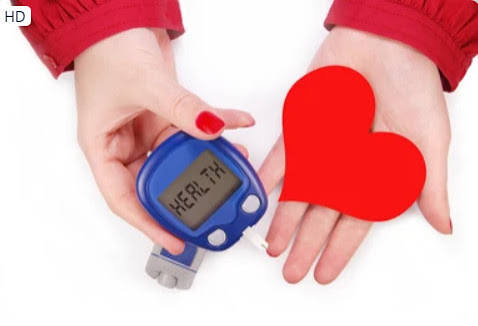
Heart disease remains the leading cause of death in the United States and most high-income countries — but it is not inevitable. Decades of epidemiological research and clinical trials have established with high confidence that cardiovascular risk is substantially modifiable through well-defined lifestyle and medical interventions. The majority of heart attacks and strokes are preventable. The question is not whether they can be prevented, but which strategies make the greatest difference, how to implement them, and how to sustain them over the years that matter most.
Understanding how to lower heart disease risk requires thinking about cardiovascular risk not as a single number but as the cumulative product of multiple interacting factors — each addressable, each contributing to the overall burden. The Framingham Heart Study, the INTERHEART study, and subsequent large-scale analyses have consistently shown that the majority of cardiovascular events are attributable to a relatively small set of modifiable risk factors: elevated LDL cholesterol, high blood pressure, smoking, physical inactivity, excess body weight, unhealthy diet, diabetes, and psychosocial stress. Addressing these factors — systematically and simultaneously — is the evidence-based foundation of cardiovascular risk reduction.
Control LDL Cholesterol — The Most Established Cardiovascular Risk Factor
Elevated LDL cholesterol is one of the most causally established cardiovascular risk factors in all of medicine. Mendelian randomization studies — which use naturally occurring genetic variants that produce lifelong LDL differences — confirm that lower LDL throughout life produces substantially lower cardiovascular event rates in a dose-dependent relationship, with every 1 mmol/L (approximately 39 mg/dL) lifetime reduction in LDL associated with a 54 percent reduction in cardiovascular events.
For dietary LDL reduction, the most effective approach involves reducing saturated fat (found in red meat, full-fat dairy, tropical oils), replacing it with unsaturated fats (olive oil, avocado, nuts, fish), and increasing soluble fiber (oats, legumes, vegetables, fruit). These dietary changes can reduce LDL by 15 to 25 percent — meaningful but typically insufficient as standalone therapy for patients with significantly elevated LDL or existing cardiovascular disease.
Statins remain the most evidence-supported pharmacological intervention for LDL reduction and cardiovascular event prevention, with dozens of randomized trials demonstrating 25 to 35 percent cardiovascular event reduction per 1 mmol/L LDL reduction. For patients who cannot tolerate statins or who require additional LDL lowering, ezetimibe (which reduces intestinal cholesterol absorption) and PCSK9 inhibitors (injectable biologics that dramatically reduce LDL) offer additional evidence-based options. In primary prevention, the decision to initiate statin therapy is guided by 10-year cardiovascular risk calculation (using the Pooled Cohort Equations) combined with shared decision-making about patient preferences and risk-enhancing factors.
Lower Blood Pressure — The Risk Factor With the Steepest Cardiovascular Gradient
Hypertension is the single largest contributor to the global cardiovascular disease burden. The relationship between blood pressure and cardiovascular risk is continuous, consistent, and begins well below what was historically called “hypertension” — the SPRINT trial and subsequent analyses established that treating to systolic blood pressure below 120 mmHg (versus below 140 mmHg) reduces cardiovascular events by 25 percent and all-cause mortality by 27 percent, shifting the clinical target substantially lower than the previous standard.
Lifestyle interventions for blood pressure reduction include the DASH dietary pattern (rich in fruits, vegetables, low-fat dairy, and low in sodium), sodium restriction to below 2,300 mg per day (ideally below 1,500 mg for those with existing hypertension), aerobic exercise, weight reduction, and moderation of alcohol. The combination of these interventions can reduce systolic blood pressure by 10 to 20 mmHg — equivalent to the effect of a first antihypertensive medication — without any pharmacological side effects.
When lifestyle modifications are insufficient, antihypertensive medications are safe, well-tolerated, and highly effective. The major antihypertensive classes — ACE inhibitors, ARBs, calcium channel blockers, thiazide diuretics, and beta-blockers — all reduce cardiovascular events when blood pressure is lowered, and choice among them depends on individual patient characteristics, comorbidities (diabetes, chronic kidney disease, heart failure), and tolerance. Many patients require two or more agents to achieve target blood pressure, and combination therapy has been shown to be more effective than titrating a single agent to maximum dose.
Exercise — The Most Broadly Beneficial Single Cardiovascular Intervention
Regular aerobic exercise is arguably the single most powerful behavioral cardiovascular risk reduction intervention available, producing benefits across virtually every cardiovascular risk pathway simultaneously: LDL reduction, HDL increase, blood pressure lowering, blood glucose improvement, anti-inflammatory effects, weight management, reduced sympathetic tone, improved heart rate variability, and direct cardiac efficiency improvements — all without a prescription.
The current evidence-based recommendation for cardiovascular health is 150 minutes per week of moderate-intensity aerobic activity (brisk walking, cycling, swimming, dancing) or 75 minutes per week of vigorous-intensity activity (running, vigorous cycling, high-intensity interval training), combined with two or more sessions of resistance exercise per week. This volume of exercise is associated with a 30 to 35 percent reduction in cardiovascular mortality compared to physical inactivity.
For people starting from a sedentary baseline, even modest initial exercise volumes produce substantial cardiovascular benefit. The greatest incremental risk reduction from exercise occurs in the transition from sedentary to minimally active — moving from zero to 30 minutes of walking per day captures a disproportionately large fraction of the total exercise benefit. The message for patients who feel overwhelmed by exercise recommendations is that starting matters more than starting perfectly: any consistent physical activity is cardiovascularly protective, and the goal is progressive improvement from wherever the patient begins.
Prolonged sitting — independent of total exercise volume — is an emerging cardiovascular risk factor. Adults who sit for more than 8 hours per day have elevated cardiovascular risk even if they exercise regularly. Breaking up prolonged sitting with 2 to 3 minutes of light walking every 30 to 60 minutes attenuates the sitting-related cardiovascular risk. This is particularly relevant for office workers, and is actionable through standing desk use, walking phone calls, and deliberate movement breaks throughout the workday.

Diet — Building an Eating Pattern That Protects the Heart
No single food is either the cause or the cure of cardiovascular disease — what matters is the overall dietary pattern sustained over years and decades. The most extensively studied dietary patterns for cardiovascular risk reduction share common features: high intake of vegetables, fruits, legumes, whole grains, nuts, and olive oil; moderate intake of fish and poultry; low intake of red and processed meat, added sugars, refined carbohydrates, and ultra-processed foods; and low sodium.
The Mediterranean diet is the single most evidence-supported dietary pattern for cardiovascular risk reduction. The PREDIMED trial (Prevention with Mediterranean Diet), which randomized over 7,400 high-risk adults to Mediterranean diet supplemented with extra-virgin olive oil, Mediterranean diet supplemented with nuts, or a control low-fat diet, found approximately 30 percent reduction in major cardiovascular events in the Mediterranean diet groups — driven primarily by stroke reduction. The benefit appeared within the first year and persisted throughout the 4.8-year follow-up, demonstrating that cardiovascular benefit from dietary change is not a decades-delayed effect but begins relatively quickly.
The DASH (Dietary Approaches to Stop Hypertension) dietary pattern, developed specifically for blood pressure reduction, has complementary benefits: high in fruits, vegetables, low-fat dairy, and whole grains; low in sodium and saturated fat. DASH reduces systolic blood pressure by 8 to 14 mmHg in hypertensive individuals and significantly reduces cardiovascular risk. The DASH and Mediterranean patterns overlap substantially in their core foods and principles, and a hybrid approach incorporating elements of both is practical and evidence-supported.
Ultra-processed foods — industrially manufactured products with five or more ingredients, typically including additives, preservatives, artificial flavors, and emulsifiers — deserve specific attention because of accumulating evidence for independent cardiovascular harm beyond their nutrient content. Large cohort studies including the NutriNet-Santé and UK Biobank studies consistently show 10 to 30 percent higher cardiovascular event rates in people with the highest ultra-processed food consumption, even after adjusting for total energy intake, nutrients, and traditional cardiovascular risk factors. Reducing ultra-processed food consumption — regardless of specific macronutrient content — appears to be independently cardiovascularly protective.
Smoking Cessation — The Single Highest-Return Risk Reduction Act
Smoking is the most powerful single modifiable cardiovascular risk factor in the general population. Smokers have 2 to 4 times the cardiovascular event rates of non-smokers, and the cardiovascular harm from smoking comes through multiple simultaneous mechanisms: endothelial injury from tobacco toxins, oxidative stress, systemic inflammation, elevated carbon monoxide levels that reduce oxygen-carrying capacity, prothrombotic effects increasing clot formation risk, and direct toxic effects on coronary artery smooth muscle and plaque stability.
The cardiovascular benefit of smoking cessation begins within hours of quitting — heart rate normalizes within 20 minutes, carbon monoxide clears within 12 hours, and platelet function begins improving within days. Within one year of quitting, cardiovascular risk is halved compared to continued smoking. Within five years, risk approaches that of a never-smoker in most cohort studies. No other single behavioral change produces a comparable magnitude of cardiovascular risk reduction in such a short time frame.
Effective cessation support includes combination pharmacotherapy (varenicline or bupropion plus nicotine replacement therapy is more effective than any single agent) plus behavioral support. Brief clinician counseling — even 3 to 5 minutes of direct advice to quit — significantly increases cessation rates when combined with pharmacological support. The combination of intensive behavioral support plus pharmacotherapy achieves 12-month abstinence rates of 25 to 35 percent per quit attempt, and multiple attempts before successful cessation are the rule rather than the exception.
Managing Weight, Blood Sugar, and Stress — The Remaining Pillars
Weight management reduces cardiovascular risk through multiple parallel pathways: lower blood pressure, improved lipid profile, reduced inflammation, better insulin sensitivity, and reduced atrial fibrillation risk. Even modest weight loss — 5 to 10 percent of body weight — produces measurable improvements across all these cardiovascular parameters. GLP-1 receptor agonists (semaglutide, tirzepatide) have now demonstrated cardiovascular event reduction in people with obesity without diabetes, not just glucose reduction in diabetics, establishing weight management pharmacotherapy as a mainstream cardiovascular intervention.
Blood glucose control — whether through lifestyle modification in prediabetes or pharmacological management in established diabetes — is critical for cardiovascular risk reduction. People with diabetes have 2 to 4 times the cardiovascular event rates of non-diabetic individuals of similar age and risk factor burden. SGLT2 inhibitors and GLP-1 receptor agonists have demonstrated cardiovascular event reduction in people with diabetes beyond their glucose-lowering effects, making medication class selection in diabetes an important cardiovascular decision.
Psychological stress, sleep quality, and social connection are increasingly recognized as cardiovascular risk modifiers with biological mechanisms well-understood through cortisol dysregulation, sympathetic nervous system activation, and inflammatory pathway engagement. Sustained high occupational or life stress, chronic sleep deprivation (below 6 hours per night), social isolation, and depression each independently elevate cardiovascular risk by 25 to 50 percent. Evidence-supported stress management interventions including mindfulness-based stress reduction (MBSR), regular aerobic exercise, adequate sleep (7 to 9 hours per night), and maintenance of social connections all have measurable cardiovascular benefits that complement the metabolic risk factor interventions described above.
The American Heart Association’s Life’s Essential 8 framework provides an organized summary of the key cardiovascular health metrics and behaviors. The CDC heart disease prevention resources offer patient-focused guidance on risk reduction strategies. The NHLBI heart disease risk reduction guide provides accessible clinical guidance for patients and providers.
Related reading: What Causes Heart Disease? | Major Risk Factors for Heart Disease | Modifiable vs Non-Modifiable Heart Disease Risks | Diabetes and Heart Disease | Heart Attack Prevention
Sources
- Yusuf S, et al. Effect of potentially modifiable risk factors associated with myocardial infarction in 52 countries (INTERHEART). Lancet. 2004;364(9438):937-952.
- Estruch R, et al. Primary Prevention of Cardiovascular Disease with a Mediterranean Diet (PREDIMED). N Engl J Med. 2018;378(25):e34.
- SPRINT Research Group. A Randomized Trial of Intensive versus Standard Blood-Pressure Control. N Engl J Med. 2015;373(22):2103-2116.
- Ference BA, et al. Low-density lipoproteins cause atherosclerotic cardiovascular disease. Eur Heart J. 2017;38(32):2459-2472.
- Lichtman JH, et al. Depression as a Risk Factor for Poor Prognosis Among Patients With Acute Coronary Syndrome. Circulation. 2014;129(12):1350-1369.
- Lim SS, et al. A comparative risk assessment of burden of disease attributable to 67 risk factors. Lancet. 2012;380(9859):2224-2260.
Know Your Numbers — The Five Measurements That Define Your Cardiovascular Risk Profile
Knowing how to lower heart disease risk requires first knowing what your risk actually is. Five core measurements — LDL cholesterol, blood pressure, fasting blood glucose, waist circumference, and resting heart rate — provide the most actionable cardiovascular snapshot available without advanced testing. Together, they reveal the major risk pathways that lifestyle and medical intervention can address.
LDL cholesterol is the most causally established lipid risk factor. Optimal LDL for primary prevention is below 100 mg/dL; for patients with established cardiovascular disease or very high calculated 10-year risk, guidelines target below 70 mg/dL, and some high-risk guidelines support targets below 55 mg/dL. If you don’t know your LDL, a fasting lipid panel ordered at any routine clinical visit provides the value. Adults with no known lipid disorder should have a lipid panel checked at least every 5 years starting at age 35 (men) or 45 (women), and more frequently if values are borderline or risk factors are present.
Blood pressure is both the easiest to measure and the most frequently undertreated cardiovascular risk factor. Home blood pressure monitoring — taking two readings in the morning before medication and two readings in the evening for 7 days, then averaging the results excluding day 1 — provides a more accurate cardiovascular risk assessment than a single clinic reading. An average home blood pressure above 130/80 mmHg meets the current AHA/ACC definition of hypertension and warrants discussion with a clinician about lifestyle and/or pharmacological intervention.
Fasting blood glucose identifies prediabetes (fasting glucose 100 to 125 mg/dL) and diabetes (fasting glucose 126 mg/dL or above). Hemoglobin A1c — which reflects average blood glucose over the preceding 2 to 3 months — is often more convenient as it does not require fasting: A1c of 5.7 to 6.4 percent indicates prediabetes; 6.5 percent or above indicates diabetes. Prediabetes affects approximately 96 million American adults and substantially elevates cardiovascular risk even before diabetes develops — making it a target for lifestyle intervention rather than a condition to wait on until formal diabetes criteria are met.
Waist circumference captures visceral adiposity — the cardiovascular-relevant fat type — more accurately than BMI alone. Risk is elevated above 40 inches (102 cm) in men and 35 inches (88 cm) in women. Measuring your waist (at the level of the navel, not belt line) with a tape measure takes 30 seconds and provides immediately actionable information about visceral fat burden.
Resting heart rate is an underappreciated cardiovascular indicator: each 10-beat increase in resting heart rate above 60 bpm is associated with approximately 9 percent higher cardiovascular mortality in large cohort studies. High resting heart rate (above 80 bpm at rest) reflects reduced parasympathetic tone, high sympathetic activity, and poor cardiorespiratory fitness — all cardiovascular risk markers that respond to aerobic exercise training. Measuring resting heart rate — first thing in the morning before rising, for 60 seconds — provides a simple self-monitoring tool that directly tracks cardiovascular fitness improvement from exercise.
Aspirin, Supplements, and Overrated Cardiovascular Strategies — Separating Evidence from Marketing
The cardiovascular prevention space is crowded with interventions — pharmaceutical and supplement — whose evidence base ranges from definitive to negligible. Distinguishing high-evidence from low-evidence strategies is essential for focusing time, money, and adherence effort on what actually works.
Low-dose aspirin for primary prevention has undergone a significant evidence reversal over the past decade. Aspirin’s antiplatelet effects reduce recurrent cardiovascular events in people who have already experienced a heart attack or stroke (secondary prevention) — this benefit is well-established. However, for primary prevention in people without established cardiovascular disease, three large randomized trials (ARRIVE, ASCEND, ASPREE) published between 2018 and 2019 found that low-dose aspirin does not provide net cardiovascular benefit in most primary prevention populations when bleeding risk is accounted for. Aspirin increases the risk of gastrointestinal bleeding and hemorrhagic stroke, and in people without prior cardiovascular events these harms offset the modest thrombotic risk reduction. The 2022 AHA/ACC prevention guidelines no longer recommend routine aspirin for primary prevention in most adults. Aspirin for primary prevention is now reserved for patients with specific high-risk indications under clinician guidance.
Fish oil (omega-3 fatty acid) supplementation has a complex evidence picture. High-dose prescription omega-3 (icosapentaenoic acid, or EPA, at 4 grams per day as icosapent ethyl/Vascepa) demonstrated 25 percent cardiovascular event reduction in the REDUCE-IT trial in patients with elevated triglycerides on statin therapy. This is a meaningful finding for a specific high-risk population on prescription-strength omega-3. However, over-the-counter fish oil supplements at standard doses (1 to 2 grams per day of mixed EPA/DHA) have not demonstrated cardiovascular event reduction in the large ASCEND and VITAL trials. The cardiovascular benefit appears to require high-dose purified EPA specifically — not standard consumer fish oil supplements.
Vitamin D, vitamin E, vitamin C, beta-carotene, and multivitamins have been extensively evaluated in large randomized trials for cardiovascular benefit and have consistently failed to demonstrate reduction in cardiovascular events. Multiple trials including VITAL, SELECT, and the Physicians’ Health Study II found no cardiovascular event reduction from these supplements in people without deficiency. The US Preventive Services Task Force does not recommend these supplements for cardiovascular prevention. If you are spending money on supplements for cardiovascular benefit, redirecting those resources toward gym membership, high-quality produce, or smoking cessation therapy would almost certainly produce greater cardiovascular risk reduction.
Building a Sustainable Cardiovascular Prevention Plan — Starting Points and Realistic Expectations
The most effective cardiovascular prevention strategy is the one that is actually maintained. Attempting to change every risk factor simultaneously often produces short-term effort followed by abandonment of all changes. A sequenced, prioritized approach — addressing the highest-impact modifiable factors first and adding others as each becomes sustainable — tends to produce better long-term outcomes than comprehensive but unsustainable overhauls.
For most people, the highest-return first step is quitting smoking (if applicable), followed by establishing a consistent physical activity habit, followed by dietary improvement, followed by addressing specific risk factor numbers (cholesterol, blood pressure, glucose) with appropriate medical management. The specific order may vary based on individual risk profiles — a patient with severely elevated blood pressure may prioritize blood pressure control above all others — but the principle of sequencing by impact and sustainability applies broadly.
Realistic timeframes matter for adherence. Cardiovascular risk factors respond to lifestyle changes over weeks to months: blood pressure typically begins falling within 2 to 4 weeks of consistent aerobic exercise and sodium reduction; LDL responds to dietary changes within 4 to 6 weeks; HbA1c reflects 3-month glucose control; weight loss producing meaningful visceral fat reduction typically requires 3 to 6 months of consistent caloric deficit. Setting expectations around these timelines — and measuring the relevant biomarker at the appropriate follow-up interval — provides reinforcing evidence that the intervention is working, which in turn supports continued adherence.
Working with a primary care clinician who takes a systematic approach to cardiovascular risk factor documentation, goal-setting, and follow-up produces substantially better long-term outcomes than self-managed risk reduction without clinical support. A 10-year cardiovascular risk calculation using the Pooled Cohort Equations (available in the AHA/ACC CV Risk Calculator app) provides a concrete baseline from which to measure progress and make shared treatment decisions. The goal is not perfection in any single risk factor but meaningful improvement across the cluster of modifiable factors that together determine cardiovascular risk over a lifetime.
I shared this article on how to lower heart disease risk with my doctor and they appreciated the level of detail. I appreciated how the article addressed both the clinical side and the practical lifestyle adjustments. I wish I had found this article when I was first diagnosed — would have saved a lot of confusion.
I shared this article on how to lower heart disease risk with my doctor and they appreciated the level of detail. The article answered questions I didn’t even know I had until I started reading. Exactly the kind of evidence-based information that is hard to find in one place.
Finally a resource that explains how to lower heart disease risk in plain language. I especially valued the explanation of why these recommendations exist, not just what they are. I wish I had found this article when I was first diagnosed — would have saved a lot of confusion.
I have been reading about how to lower heart disease risk for weeks and this is the most thorough guide I found. I appreciated how the article addressed both the clinical side and the practical adjustments. This is going into my health folder that I bring to every doctor’s visit.
Finally a resource that explains how to lower heart disease risk in plain language. The specific numbers and thresholds mentioned are exactly what I needed to understand my results. Will definitely be coming back to this site for more health information.
This breakdown of how to lower heart disease risk is exactly what patients need before a specialist appointment. The specific numbers and thresholds mentioned are exactly what I needed to understand my results. Forwarding this to others in my support group who are dealing with similar issues.