
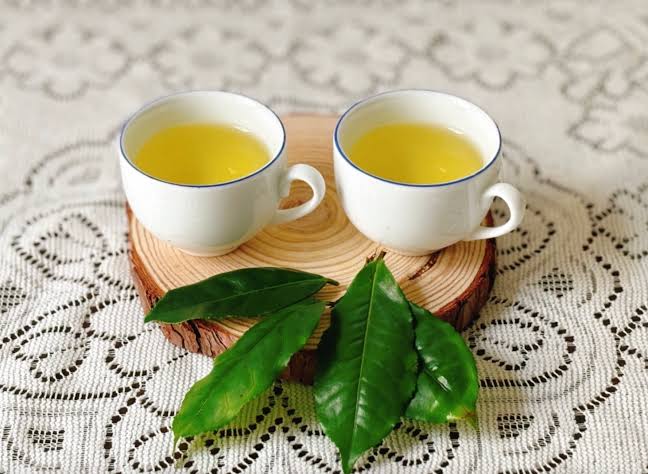
Tea and Heart Health: Green, Black, and Herbal Options
Tea is the second most consumed beverage in the world after water, and it has one of the most robust bodies of cardiovascular evidence of any dietary component. The research spans continents — from Japanese prospective cohorts tracking green tea consumption over decades, to Dutch population studies on flavonoid intake from black tea, to randomized controlled trials measuring blood pressure responses to hibiscus. Across this breadth of evidence, a consistent picture emerges: regular tea consumption is associated with meaningful reductions in cardiovascular disease risk, operating through several well-characterized biological mechanisms.
The relationship between tea and heart health is not a simple story of one compound doing one thing. Different types of tea — green, black, oolong, white, and various herbal preparations — contain different active compounds with overlapping but distinct cardiovascular effects. Understanding what separates green tea’s catechins from black tea’s theaflavins, and what makes hibiscus tea uniquely effective for blood pressure, allows more informed choices about which teas to prioritize and how to incorporate them into a heart-healthy daily routine.
Types of Tea and Their Key Compounds
All true teas — green, black, oolong, and white — come from a single plant species: Camellia sinensis. The differences between them arise entirely from processing. Green tea is produced from leaves that are quickly heated (steamed or pan-fired) immediately after harvest to deactivate the oxidation enzymes, preserving the catechin polyphenols in their original form. Black tea undergoes full oxidation (sometimes called fermentation, though it is enzymatic rather than microbial), during which catechins are converted into theaflavins and thearubigins — different polyphenols with their own antioxidant and cardiovascular properties. Oolong represents partial oxidation. White tea is the least processed, made from young tea buds before substantial leaf development, and contains high catechin concentrations at very low caffeine levels.
The primary cardioprotective compound in green tea is epigallocatechin gallate (EGCG), the most abundant catechin in the green tea leaf and the most potent antioxidant in the catechin family. A typical cup of green tea contains 50 to 100 mg of EGCG and 100 to 300 mg of total catechins. EGCG’s cardiovascular mechanisms are among the best-characterized of any dietary polyphenol: it activates endothelial nitric oxide synthase (eNOS), inhibits LDL oxidation, suppresses inflammatory cytokine production through NF-κB inhibition, reduces platelet aggregation, and modestly inhibits angiotensin-converting enzyme (ACE).
Black tea’s primary active compounds are theaflavins — formed when catechins dimerize and oxidize during the fermentation process. A typical cup of black tea contains 10 to 40 mg of theaflavins. Though structurally different from catechins, theaflavins retain significant antioxidant activity and share some of the same cardiovascular mechanisms, including LDL oxidation inhibition and endothelial function improvement. The cardiovascular evidence for black tea is substantial but somewhat smaller in effect size than for green tea, possibly reflecting lower total polyphenol content per cup or different bioavailability.
L-theanine deserves specific mention as a unique cardiovascular-relevant compound found exclusively in Camellia sinensis teas (not in herbal teas). L-theanine is an amino acid that crosses the blood-brain barrier and promotes alpha brain wave activity — the pattern associated with calm alertness rather than stimulated arousal. Critically for cardiovascular pharmacology, L-theanine modulates caffeine’s sympathomimetic effects, blunting the acute blood pressure and heart rate elevation that caffeine alone produces. This interaction explains why tea, despite containing caffeine, generally produces less cardiovascular stimulation than coffee at equivalent caffeine doses and why the acute blood pressure effect of tea is smaller and shorter-lived than that of coffee.
Green Tea and Cardiovascular Disease — The Cohort Evidence
The landmark prospective study on green tea and cardiovascular health is the Ohsaki National Health Insurance Cohort study conducted by Kuriyama et al. and published in JAMA in 2006. The study followed 40,530 Japanese adults aged 40 to 79 years for 11 years, documenting 4,209 deaths during follow-up including 892 cardiovascular deaths. After adjusting for age, sex, smoking, alcohol consumption, BMI, dietary factors, and physical activity, the analysis found a clear dose-response relationship between green tea consumption and cardiovascular mortality: compared to participants who drank less than one cup of green tea per day, those drinking five or more cups daily had 26% lower cardiovascular disease mortality in women and 12% lower in men. Stroke mortality showed the largest reduction. All-cause mortality was reduced by approximately 16% in women.
The Ohsaki findings have been replicated in other Japanese cohort studies, including multiple analyses from the Japan Collaborative Cohort Study (JACC), which consistently find inverse associations between green tea consumption and coronary heart disease and stroke outcomes. A meta-analysis by Zheng et al. (European Journal of Epidemiology 2011) synthesized 14 prospective studies and found that each additional cup of green tea per day was associated with approximately 5% lower cardiovascular disease risk — a linear relationship suggesting that more consumption, up to a point, produces more benefit.
One important consideration in interpreting Japanese cohort data is that Japanese populations have both very high green tea consumption rates and overall cardiovascular risk profiles that differ from Western populations (lower obesity rates, different dietary patterns, different physical activity levels). The magnitude of the cardiovascular benefit from green tea may be somewhat attenuated in Western populations where confounding by overall dietary quality is different. However, the biological mechanisms are not population-specific, and the available evidence from non-Asian cohorts, while smaller, is directionally consistent with the Japanese data.
Black Tea and Heart Health — Western Evidence
In many Western countries — particularly the United Kingdom and the Netherlands — black tea rather than green tea is the dominant form of tea consumed, and black tea is correspondingly the most studied tea type in Western cardiovascular epidemiology. Tea is the single largest source of dietary flavonoids in British and Dutch diets, making the associations between flavonoid intake and cardiovascular outcomes in these populations heavily reflective of tea consumption.
The Rotterdam Study, a large Dutch prospective cohort, found that high flavonoid intake — predominantly from tea — was associated with significantly lower coronary heart disease mortality and lower atherosclerosis severity. The Nurses’ Health Study found that higher black tea flavonoid intake was associated with lower cardiovascular disease risk, though the absolute effect sizes were smaller than those observed for green tea in Japanese cohorts.
A Cochrane systematic review (Hartley L et al. 2013) examined randomized controlled trials of black tea supplementation and found consistent evidence for modest blood pressure reduction: systolic blood pressure fell by approximately 1.8 mmHg and diastolic by 1.4 mmHg in pooled analysis. While these reductions are smaller than those achievable with pharmaceutical blood pressure treatment, they are comparable to the blood pressure effects of dietary modifications like sodium reduction and increased fruit and vegetable intake — meaningful at the population level and additive to other lifestyle interventions.
How Tea Protects the Heart — Mechanisms in Detail
The cardiovascular protection associated with tea consumption operates through multiple converging mechanisms, not a single pathway. This mechanistic redundancy is part of why the association appears robust across different tea types, different populations, and different cardiovascular outcomes.
Endothelial function is the most acute and well-documented cardiovascular effect of tea. Endothelial cells lining blood vessels produce nitric oxide (NO), which relaxes vascular smooth muscle and maintains normal vessel tone. Impaired NO production — endothelial dysfunction — is an early stage of atherosclerosis and predicts future cardiovascular events. EGCG activates eNOS through the PI3K/Akt phosphorylation pathway, increasing NO production and improving endothelium-dependent vasodilation. Acute improvements in flow-mediated dilation (FMD — the standard clinical measure of endothelial function using ultrasound) are detectable within 30 to 60 minutes of green tea consumption. Four weeks of EGCG supplementation at 150 mg per day produces significant sustained FMD improvement in multiple randomized controlled trials. Black tea theaflavins also improve FMD in acute study designs, though the effect is somewhat smaller than that of EGCG.
Blood pressure reduction results from multiple tea-related mechanisms: eNOS-mediated NO production (vasodilation), partial ACE inhibition by EGCG, reduced endothelin-1 (ET-1) production (ET-1 is a potent vasoconstrictor), and the L-theanine modulation of caffeine’s acute pressor effect. Liu G et al. (British Journal of Nutrition 2014) pooled 25 randomized controlled trials and found that tea consumption was associated with a statistically significant reduction in both systolic and diastolic blood pressure — approximately 2.6 mmHg systolic and 2.2 mmHg diastolic at 3 cups per day over 12 weeks. These are clinically meaningful reductions for patients with high-normal or mildly elevated blood pressure.
LDL oxidation inhibition is a key mechanism for atherosclerosis prevention. Native LDL particles become atherogenic when oxidized by reactive oxygen species within arterial walls — oxidized LDL is recognized and engulfed by macrophages, producing foam cells that form the earliest atherosclerotic plaques. EGCG chelates iron and copper ions that catalyze LDL oxidation, reducing the concentration of oxidized LDL in plasma and arterial tissue. Meta-analyses of RCTs find that green tea catechins reduce plasma LDL cholesterol by approximately 2 to 5 mg/dL — modest but consistent — and more importantly reduce markers of LDL oxidation (oxLDL, malondialdehyde, F2-isoprostanes) that are more directly linked to atherosclerosis than total LDL alone.
Platelet function and thrombosis prevention: catechins inhibit thromboxane A2 synthesis (thromboxane A2 promotes platelet aggregation) and reduce platelet adhesion to collagen — the early step in arterial thrombus formation. This mild antiplatelet effect may reduce the risk of arterial thrombotic events without the bleeding risk associated with aspirin or prescription antiplatelet medications.
Tea and Atrial Fibrillation
Like coffee, tea has been associated with reduced rather than increased atrial fibrillation risk in the epidemiological literature. A meta-analysis by Wang et al. found that each additional cup of tea consumed per day was associated with approximately 6% lower risk of atrial fibrillation — an inverse linear relationship suggesting that higher habitual intake is progressively more protective. Multiple individual cohort studies across Japanese, Chinese, and Western populations confirm this direction of association.
The proposed mechanisms for tea’s AF-protective effect center on its antioxidant and anti-fibrotic properties. Atrial fibrillation develops and perpetuates in part through oxidative stress-driven atrial tissue remodeling and fibrosis — processes in which EGCG’s antioxidant activity and TGF-beta pathway suppression (TGF-beta is a pro-fibrotic signaling molecule) may be protective. Reduction of atrial inflammation, a recognized substrate for AF initiation and maintenance, is also consistent with EGCG’s NF-κB inhibitory activity. These mechanistic findings provide biological plausibility for the epidemiological associations, though large randomized trials in AF-specific populations have not been conducted.

Hibiscus Tea and Blood Pressure — The Strongest Herbal Evidence
Among herbal teas — those not derived from Camellia sinensis — hibiscus (Hibiscus sabdariffa) has the most robust and consistently replicated evidence for cardiovascular benefit, specifically blood pressure reduction. Hibiscus tea is made from the dried calyces (sepals) of the hibiscus flower and is consumed widely in West Africa, Mexico, the Caribbean, and Southeast Asia under various names (agua de Jamaica in Mexico; bissap in West Africa; roselle tea in Asia).
Multiple randomized controlled trials comparing hibiscus tea to placebo or active comparators have found clinically meaningful blood pressure reductions. A systematic review and meta-analysis of five RCTs found that hibiscus tea consumption reduced systolic blood pressure by approximately 7.2 mmHg and diastolic blood pressure by 3.1 mmHg compared to control — a reduction comparable to first-line antihypertensive drug therapy at low doses. In patients with prehypertension (systolic 120–129 mmHg) or stage 1 hypertension (130–139/80–89 mmHg), a 7 mmHg systolic reduction can meaningfully lower cardiovascular event risk based on established BP-outcome relationships.
The mechanisms for hibiscus’s antihypertensive effect involve multiple pathways: anthocyanin-mediated ACE inhibition (reducing angiotensin II-driven vasoconstriction), reduction of endothelin-1 production (ET-1 is one of the most potent vasoconstrictors), a mild diuretic effect from the organic acids (hibiscic acid, tartaric acid) that increase urinary sodium excretion, and antioxidant protection of endothelial NO bioavailability. The combination of these mechanisms produces a clinically meaningful BP effect that has been replicated in multiple independent research groups.
An important medication interaction note: hibiscus inhibits cytochrome P450 enzymes CYP3A4 and CYP2C9, which metabolize numerous medications including certain statins (simvastatin, lovastatin), calcium channel blockers (amlodipine, nifedipine), some anticoagulants, and several other cardiovascular medications. Patients on multiple cardiovascular drugs who wish to consume hibiscus tea regularly should review this interaction with their pharmacist before beginning, particularly at high intake levels (more than three cups per day).
Other Herbal Teas — Evidence Profile
Beyond hibiscus, several other herbal teas have cardiovascular evidence, though the research bases are smaller and less definitive:
Rooibos tea (Aspalathus linearis, from South Africa) contains aspalathin and nothofagin — unique flavonoids not found in other plants. Preliminary human studies and animal research suggest ACE-inhibitory activity and some antioxidant cardiovascular effects, but large prospective cohort studies and robust RCTs in humans are not yet available. Rooibos is caffeine-free and can be consumed without caffeine-related concerns.
Chamomile tea contains the flavonoid apigenin, which has anxiolytic (anti-anxiety) properties and may modestly reduce cortisol and heart rate in stress conditions. The cardiovascular benefit is indirect — through stress reduction — rather than direct vascular or lipid effects. Chamomile is safe for most adults and appropriate as an evening relaxation beverage.
Hawthorn (Crataegus) tea or extract: the berry, leaf, and flower of hawthorn have been used in traditional European medicine for cardiovascular conditions for centuries. The active compounds (oligomeric proanthocyanidins, vitexin, hyperoside) have demonstrated cardiac muscle protective effects, modest ACE inhibition, and vasodilatory properties in pharmacological studies. A Cochrane review found hawthorn extract superior to placebo for exercise tolerance in mild heart failure. However, hawthorn is more commonly studied as a standardized extract than as a tea, and patients with established heart failure should use it under medical supervision due to potential interactions with digoxin and nitrates.
Green Tea Supplements — Benefits vs. Liver Risk
Given green tea’s impressive cardiovascular evidence, it might seem logical that concentrated EGCG supplements would be more effective than drinking tea. The evidence does not support this conclusion, and high-dose supplementation introduces a serious safety risk not present with whole tea consumption: hepatotoxicity.
The FDA’s Adverse Event Reporting System has received multiple case reports of acute liver injury — including several cases of liver failure requiring transplantation — associated with high-dose green tea extract supplements. The NIH LiverTox database lists green tea extract as a probable cause of hepatocellular injury, distinguishing it from whole brewed tea, which has no similar hepatotoxicity signal. The threshold of concern appears to be above approximately 800 mg of EGCG per day — a dose easily reached with concentrated capsule supplements (some products contain 400–700 mg EGCG per capsule) but essentially impossible to reach through whole tea consumption alone (a typical cup contains 50–100 mg EGCG, requiring more than 8 cups to approach the threshold).
Whole tea is the recommended form for cardiovascular benefit. The slower absorption and lower peak concentration achieved through tea drinking, rather than bolus supplement consumption, appears to be relevant to the safety profile difference. For patients seeking the cardiovascular benefits of green tea compounds, three to five cups of brewed green tea per day provides meaningful EGCG intake without approaching hepatotoxicity thresholds. EGCG supplements should be used only under medical supervision and avoided in patients with any liver disease history.
How Much Tea Is Beneficial and What Kind?
The evidence consistently points to three to five cups of tea per day as the range associated with meaningful cardiovascular benefit. Below this range — one to two cups — benefits are still observed but smaller. The Japanese cohort data shows the strongest effect at five or more cups per day of green tea, but this intake level is more common in Japanese culture than in Western countries and represents a reasonable aspirational target for those who enjoy tea.
For green tea specifically, brewing temperature and steeping time affect EGCG extraction: water at approximately 80°C (175°F) rather than boiling (100°C/212°F) extracts more EGCG with less bitterness; steeping for 2 to 3 minutes produces optimal catechin extraction. For black tea, boiling water and 3 to 5 minutes of steeping are standard; adding milk to black tea has been studied as a potential reducer of polyphenol bioavailability (milk proteins can bind polyphenols), though the magnitude of this effect in habitual tea drinkers is modest and not definitively established as clinically significant.
Practical Daily Habits for Tea and Heart Health
- Replace sugary beverages with tea: Unsweetened tea as a replacement for sugar-sweetened beverages provides simultaneous added sugar reduction and polyphenol benefit — a substantial dual cardiovascular upgrade.
- Try 3–5 cups of green or black tea daily: This range aligns with the strongest cardiovascular evidence and is achievable within normal daily routines — morning, midday, and afternoon cups.
- Drink tea plain or with minimal additions: Adding honey or sugar to tea adds calories and simple sugars that partially undermine the cardiovascular benefit. Unsweetened tea or tea with a small amount of unsweetened milk preserves the favorable profile.
- Consider hibiscus for blood pressure management: For patients with prehypertension or mild hypertension, two to three cups of unsweetened hibiscus tea daily provides evidence-based blood pressure support. Check medication interactions with your pharmacist first.
- Choose brewed whole tea over supplements: Whole tea is safe; high-dose EGCG supplements are not. The cardiovascular benefit is achievable through regular tea drinking without supplement risk.
- Use decaf tea for evening consumption: True teas contain caffeine and can disrupt sleep if consumed after 3 to 4 pm. Herbal teas (hibiscus, chamomile, rooibos) are naturally caffeine-free and appropriate as evening beverages.
Conclusion
Tea and heart health research provides one of the most consistent diet-cardiovascular associations in the nutritional science literature. Green tea’s EGCG catechins, black tea’s theaflavins, and hibiscus’s anthocyanins operate through overlapping and complementary mechanisms — improving endothelial function, reducing blood pressure, inhibiting LDL oxidation, suppressing inflammation, and reducing platelet aggregation — to produce cardiovascular benefits that are measurable in both epidemiological studies and randomized trials. The Kuriyama JAMA 2006 finding of 26% lower cardiovascular mortality in women who drank five or more cups of green tea daily represents a magnitude of benefit that rivals many pharmaceutical interventions at a fraction of the cost and risk.
The practical recommendations are simple: three to five cups of unsweetened green or black tea daily, hibiscus tea for patients working on blood pressure, and whole tea rather than concentrated supplements. Tea fits naturally within any heart-healthy dietary pattern and adds meaningful cardiovascular value beyond simple hydration.
Tea in the Context of a Heart-Healthy Diet
Tea’s cardiovascular benefits are most meaningful when integrated into a broader heart-healthy dietary pattern rather than consumed as a standalone intervention. The same dietary frameworks that have the strongest cardiovascular evidence base — the Mediterranean diet and DASH diet — are both compatible with and enhanced by regular tea consumption. Tea provides dietary flavonoids, which are among the most studied phytonutrients for cardiovascular protection, alongside the plant foods, healthy fats, and reduced sodium that these dietary patterns emphasize.
The intersection of tea with other beverage choices is particularly important. Replacing sugar-sweetened beverages with unsweetened tea simultaneously reduces added sugar intake and increases polyphenol intake — a dual cardiovascular benefit from a single behavioral change. A person who replaces two daily sweetened beverages with green or black tea eliminates approximately 50 to 80 grams of added sugar while adding 100 to 200 mg of tea catechins — a straightforward cardiovascular upgrade that costs nothing and requires only a habit change.
Tea also complements hydration goals for cardiovascular health: tea is a net hydrating beverage at typical serving sizes, contributing meaningfully to daily fluid intake while delivering polyphenol cardiovascular benefits that plain water does not provide. For adults seeking to achieve both optimal hydration and polyphenol intake, a combination of 2 to 3 cups of tea and 6 to 8 cups of water daily achieves both goals simultaneously. The combined beverage strategy of water + tea + coffee (if tolerated) provides overlapping but complementary polyphenol profiles — coffee’s chlorogenic acids and tea’s catechins/theaflavins act through partially distinct mechanisms, making them additive rather than redundant.
Key Research Resources on Tea and Cardiovascular Health
The primary evidence base for tea and cardiovascular health is drawn from Japanese and Western epidemiological cohorts and from randomized controlled trials of tea and tea extracts. The most important reference sources include:
The Kuriyama et al. JAMA 2006 Ohsaki cohort study remains the most cited single study on green tea and cardiovascular mortality, with its clear dose-response relationship and large prospective design making it the anchor reference for green tea cardiovascular evidence. The study’s finding of 26% lower cardiovascular disease mortality in women who drank five or more cups of green tea daily has been widely replicated in subsequent Japanese cohort analyses.
For blood pressure-specific evidence, the Liu G et al. British Journal of Nutrition 2014 meta-analysis of 25 randomized controlled trials is the most rigorous available synthesis, confirming statistically significant systolic and diastolic blood pressure reductions from tea consumption across diverse study populations.
The Arab L et al. Stroke 2009 meta-analysis provides the foundational evidence for tea’s association with lower myocardial infarction and stroke risk — finding approximately 11% lower MI risk at 3 cups per day of green or black tea across multiple prospective cohort studies. The consistency of the association across different tea types (green and black) and different populations reinforces the biological mechanism rather than cultural confounding as the primary driver of the association.
I shared this article on tea and heart health: green, black, with my doctor and they appreciated the level of detail. What I liked most was that the article didn’t just say what to avoid — it also gave alternatives. Exactly the kind of evidence-based information that is hard to find in one place.
Really well-written article on tea and heart health: green, black,. I appreciated how the article addressed both the clinical side and the practical lifestyle adjustments. Keep up this kind of thorough health journalism — it genuinely helps patients like me.
This is one of the clearest explanations of tea and heart health: green, black, I have found. I especially valued the explanation of why these recommendations exist, not just what they are. Thank you for making complex medical information accessible without dumbing it down.
I shared this article on tea and heart health: green, black, with my doctor and they appreciated the level of detail. I appreciate that the article is careful about distinguishing between what is known and what is still being researched. This is going into my health folder that I bring to every doctor’s visit.
I shared this article on tea and heart health: green, black, with my doctor and they appreciated the level of detail. The connection between lifestyle choices and long-term outcomes is explained clearly here. Shared this with three friends who are dealing with related issues. Very useful resource.
I never fully understood tea and heart health: green, black, until I read this. I appreciate that the article is careful about distinguishing between what is known and what is still being researched. This is exactly why I prefer this website over generic health platforms.