
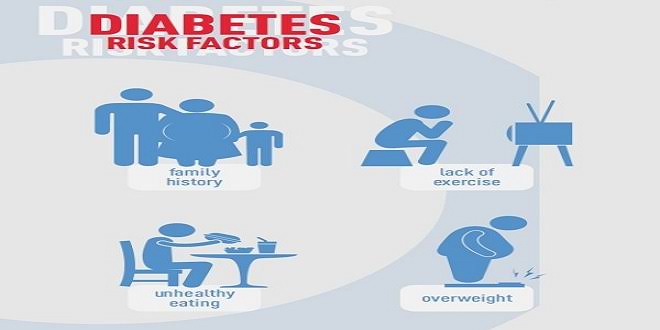
Diabetes Risk Factors Every Adult Should Know
Knowing your diabetes risk factors is the foundation of preventing or delaying a diagnosis — or catching the condition early enough to minimize its consequences. Type 2 diabetes, which accounts for 90 to 95 percent of all diabetes cases, is largely preventable in people who understand their risk profile and act on it. Yet the 96 million Americans with prediabetes — the pre-diabetes state in which intervention is most effective — are almost entirely undiagnosed, largely because people do not recognize they are at elevated risk and therefore never get tested. This guide covers the full range of diabetes risk factors: those that can be changed and those that cannot, how they interact, and what the evidence says about reducing risk in people who have one or more of them.
Understanding Risk: Modifiable Versus Non-Modifiable Factors
Diabetes risk factors fall into two broad categories. Non-modifiable risk factors are those you cannot change — your age, genetics, ethnicity, and medical history. They set the baseline level of risk that exists regardless of what you do. Modifiable risk factors are those you can influence through lifestyle choices and medical intervention — your weight, activity level, diet quality, sleep patterns, and stress management. Most people who develop Type 2 diabetes have a combination of both types: a genetic predisposition that creates susceptibility, activated by modifiable lifestyle factors that push blood sugar into the disease range.
Understanding this distinction is important for two reasons. First, it removes the false assumption that diabetes is purely a lifestyle disease caused by personal failure — non-modifiable factors play a major role, and many people develop diabetes despite excellent lifestyle choices. Second, it focuses attention on the risk factors that are actually actionable: even when non-modifiable risk is high, addressing modifiable factors can delay or prevent diabetes by years or decades. The landmark Diabetes Prevention Program demonstrated 58 percent risk reduction in high-risk adults through lifestyle intervention — a result that holds even in people with strong genetic predisposition, multiple risk factors, and advanced age.
Non-Modifiable Diabetes Risk Factors
Age
The risk of Type 2 diabetes rises substantially with age — not because aging itself causes diabetes, but because the accumulation of beta cell decline, reduced muscle mass, increased visceral fat accumulation, and declining insulin sensitivity that occur as part of normal aging progressively raise the metabolic threshold at which blood sugar begins to rise. The American Diabetes Association recommends routine diabetes screening for all adults beginning at age 45, with repeat testing every three years if results are normal. Age is the single most consistent non-modifiable risk factor for Type 2 diabetes across populations worldwide.
The rise in Type 2 diabetes among younger adults and even adolescents is a relatively recent phenomenon driven by the obesity epidemic — historically, Type 2 was so rarely seen in young people that it was called “adult-onset diabetes,” a term now abandoned. However, the peak incidence still occurs in the 45-to-64 age group, with rates continuing to rise through older adulthood.
Family History and Genetics
Having a first-degree relative (parent or sibling) with Type 2 diabetes doubles or triples an individual’s lifetime risk of developing the condition. This familial aggregation reflects both shared genes and shared environments (diet, activity habits, sleep patterns) — though twin studies suggest the genetic contribution is substantial, with heritability estimates for Type 2 diabetes ranging from 40 to 70 percent.
More than 400 genetic variants have been identified that influence Type 2 diabetes risk, with most affecting beta cell function, insulin secretion, or cellular insulin signaling. The strongest genetic risk factors for Type 2 include variants in the TCF7L2 gene (associated with impaired incretin-stimulated insulin secretion), the KCNJ11 and ABCC8 genes (regulating potassium channels in beta cells), and multiple loci affecting beta cell mass and glucose sensing. However, no single genetic variant has a large enough effect to determine disease fate — the impact of any individual variant is modified substantially by lifestyle factors.
For Type 1 diabetes, genetic risk is concentrated in the HLA gene complex on chromosome 6, particularly HLA-DR3, HLA-DR4, and HLA-DQ gene variants. Having a sibling with Type 1 diabetes raises risk approximately tenfold compared to the general population.
Ethnicity and Race
Race and ethnicity are among the most significant non-modifiable diabetes risk factors, reflecting differences in genetic predisposition, body fat distribution, beta cell reserve, and — importantly — social determinants of health including food environment, healthcare access, chronic stress from structural racism, and built environment (walkability, access to parks and recreation).
Black Americans have a diabetes prevalence approximately 60 percent higher than non-Hispanic white Americans. Hispanic Americans have approximately 70 percent higher prevalence. Native Americans face the highest rates of any group — in some tribal communities, diabetes affects more than 50 percent of adults. Asian Americans develop Type 2 diabetes at lower BMI thresholds than European Americans, as discussed above, with the American Diabetes Association recommending screening at BMI above 23 for this group. Pacific Islander Americans also face significantly elevated rates.
These disparities are not inherent biological inevitabilities — they reflect the compounding of genetic susceptibility with socioeconomic and environmental factors that are themselves shaped by structural inequalities. Understanding ethnic risk differentials should inform earlier screening and more proactive intervention in higher-risk groups, not resigned acceptance of disparate outcomes.
Personal Medical History
Several medical conditions and diagnoses in a person’s history raise Type 2 diabetes risk independently of other factors:
- Prediabetes: The most direct precursor to Type 2 diabetes. People with prediabetes (fasting glucose 100–125 mg/dL or A1C 5.7–6.4%) face a 15 to 30 percent risk of progressing to Type 2 diabetes within five years without intervention. Our detailed guide on what is prediabetes covers this critical stage comprehensively
- Prior gestational diabetes: Women who developed gestational diabetes during any pregnancy face a lifetime risk of up to 50 percent for Type 2 diabetes, reflecting the same underlying metabolic susceptibility that gestational diabetes revealed
- Polycystic ovary syndrome (PCOS): A hormonal condition affecting 5 to 10 percent of women of reproductive age, in which insulin resistance is a core feature. Women with PCOS have approximately four times the baseline risk of developing Type 2 diabetes
- Cardiovascular disease: Heart disease and Type 2 diabetes share the same metabolic root causes (insulin resistance, metabolic syndrome), so a history of heart attack, stroke, or established cardiovascular disease substantially elevates diabetes risk — and vice versa
- Certain medications: Corticosteroids (like prednisone), antipsychotic medications (particularly atypical antipsychotics), thiazide diuretics, and some HIV antiretroviral drugs can raise blood sugar and increase diabetes risk with prolonged use. People taking these medications long-term warrant closer metabolic monitoring
- Age 45+: Screen all adults regardless of other risk factors
- BMI 25+ (or 23+ for Asian Americans) at any age: with one or more additional risk factors below
- Family history: parent or sibling with Type 2 diabetes
- Prior gestational diabetes or baby weighing over 9 pounds at birth
- Prediabetes on a prior test — rescreen every 1–2 years
- High blood pressure, elevated triglycerides, or low HDL
- Physical inactivity
- Race/ethnicity: Black, Hispanic, Native American, Asian American, Pacific Islander
Modifiable Diabetes Risk Factors
Overweight and Obesity, Especially Abdominal Fat
Excess body weight — particularly visceral fat stored in the abdomen around internal organs — is the most powerful and well-established modifiable risk factor for Type 2 diabetes. Visceral fat releases inflammatory cytokines and free fatty acids that directly impair insulin signaling in liver and muscle cells, driving the insulin resistance that underlies Type 2 diabetes development. The association between abdominal obesity and diabetes risk is dose-dependent: the greater the visceral fat accumulation, the higher the risk, and the risk begins rising before overall BMI reaches the conventional “overweight” threshold (particularly in Asian populations).
Waist circumference is a better predictor of diabetes risk than BMI: a waist above 35 inches in women or 40 inches in men indicates elevated visceral fat and metabolic risk, regardless of total body weight. Even small amounts of weight loss — 5 to 10 percent of body weight — from the visceral fat compartment produce disproportionate improvements in insulin sensitivity and measurably reduce diabetes risk.
Physical Inactivity
A sedentary lifestyle is a major independent risk factor for Type 2 diabetes, separate from its contribution to weight gain. Muscle tissue is the body’s largest site of insulin-stimulated glucose disposal, and physically inactive muscle loses its insulin sensitivity relatively rapidly — within days to weeks of sustained inactivity. People who sit for extended periods throughout the day have significantly higher insulin resistance and diabetes risk than those who are consistently active, even when total caloric intake and body weight are similar.
Conversely, regular physical activity is among the most effective interventions for improving insulin sensitivity and reducing diabetes risk. The Diabetes Prevention Program found that achieving 150 minutes per week of moderate-intensity activity (brisk walking, cycling, swimming) was associated with a 58 percent reduction in diabetes progression — the same result achieved by the full lifestyle intervention package. Even without weight loss, exercise improves insulin sensitivity through direct effects on muscle glucose transport and mitochondrial function. Breaking up prolonged sitting with brief walking breaks provides additional metabolic benefit.
Poor Diet Quality
While no single food directly causes diabetes, overall dietary patterns significantly influence diabetes risk through their effects on visceral fat accumulation, insulin sensitivity, beta cell function, and the gut microbiome. Diets high in refined carbohydrates and added sugars drive obesity, chronic hyperinsulinemia (which promotes insulin receptor downregulation), and beta cell exhaustion. High consumption of red and processed meat is independently associated with elevated diabetes risk in prospective studies, through mechanisms including heme iron excess, advanced glycation end products, and saturated fat-related insulin resistance.
Protective dietary patterns include the Mediterranean diet (high in vegetables, legumes, whole grains, fish, olive oil, and nuts), the DASH diet (Dietary Approaches to Stop Hypertension), and plant-based diets — all of which are associated with 20 to 30 percent lower diabetes risk in prospective cohort studies. The common elements of these diets — high fiber, high polyphenol content, minimal ultra-processed food, adequate protein — converge on improving insulin sensitivity and reducing the inflammatory tone that drives insulin resistance.
Sleep Quality and Duration
Insufficient sleep is an increasingly recognized but often underappreciated diabetes risk factor. Chronic short sleep (five to six hours per night) is associated with a 50 percent higher risk of developing Type 2 diabetes in prospective studies, independent of obesity and other risk factors. The mechanisms are direct and measurable: sleep restriction impairs insulin sensitivity, elevates cortisol and inflammatory cytokines, disrupts appetite-regulating hormones (increasing hunger and caloric intake), and promotes visceral fat accumulation. Treating obstructive sleep apnea — which affects up to 30 percent of people with obesity or prediabetes — significantly improves glucose metabolism.
Most adults require seven to nine hours of quality sleep per night for optimal metabolic health. The association between short sleep and diabetes risk exists even after accounting for body weight and other lifestyle factors, indicating that sleep duration is an independent contributor to metabolic risk that warrants direct attention in any diabetes prevention strategy.
Chronic Psychological Stress
Sustained psychological stress activates the hypothalamic-pituitary-adrenal (HPA) axis, producing chronic elevation of cortisol and other stress hormones that directly raise blood sugar, promote visceral fat deposition, worsen insulin resistance, increase appetite for high-calorie foods, and reduce sleep quality. People with high levels of chronic work stress, financial stress, caregiving burden, or exposure to adverse life events consistently show higher rates of metabolic syndrome and Type 2 diabetes in prospective studies.
The diabetes risk from chronic stress is compounded by the behavioral responses to stress that further damage metabolic health: stress eating, reduced physical activity, poor sleep, and increased alcohol consumption. Effective stress management — through exercise, sleep prioritization, social support, mindfulness practices, and when needed, psychological treatment — reduces both the direct hormonal effects and the indirect behavioral effects of chronic stress on metabolic risk.
Smoking
Cigarette smoking raises Type 2 diabetes risk by 30 to 40 percent compared to non-smokers, with heavier smokers facing higher relative risk. The mechanisms include direct impairment of insulin signaling by nicotine and tobacco-related toxins, increased visceral fat accumulation (smoking shifts fat distribution from subcutaneous to visceral even without weight gain), elevated cortisol, and systemic inflammation. Smoking cessation reduces diabetes risk over time, though it is associated with a transient period of weight gain that may temporarily worsen metabolic risk before improving it.
How Risk Factors Multiply: The Additive Effect
Individual diabetes risk factors do not simply add their contributions independently — they interact and amplify each other, so that having two or three risk factors simultaneously produces substantially more than double or triple the risk of having just one. A person who is physically inactive, sleeps poorly, carries excess abdominal fat, and has a family history of diabetes faces a combined risk that is many times higher than any single factor would suggest. This multiplication of risk explains why people with metabolic syndrome — which is defined by the co-occurrence of abdominal obesity, high blood pressure, elevated triglycerides, low HDL, and impaired fasting glucose — face dramatically higher diabetes risk than those with any individual metabolic abnormality alone.
Understanding the additive nature of risk factors also clarifies why addressing multiple modifiable factors simultaneously is far more effective than addressing any single one. The Diabetes Prevention Program’s 58 percent risk reduction was achieved through a combined intervention targeting weight, activity, and diet together — not through any single change. Understanding what blood sugar is, monitoring it through appropriate tests, and understanding why blood sugar matters for long-term health are the foundational steps in translating risk factor knowledge into action.
Getting Tested: Who Should Screen and When
The American Diabetes Association recommends that all adults aged 45 or older be screened for diabetes and prediabetes, and that younger adults with one or more risk factors listed above be screened at any age. The standard screening tests are a fasting plasma glucose test (normal below 100 mg/dL; prediabetes 100–125 mg/dL; diabetes 126 mg/dL or above) or an A1C test (normal below 5.7%; prediabetes 5.7–6.4%; diabetes 6.5% or above). For a full explanation of what these tests measure and how to interpret the results, see our guides on what is blood sugar and the A1C test.
If your screening result falls in the prediabetes range, retesting every one to two years is recommended rather than every three, because of the elevated risk of progression. If you have multiple risk factors and normal results, retesting every one to three years — depending on the number and severity of risk factors present — is appropriate. The earlier prediabetes or early Type 2 diabetes is detected, the wider the window for effective intervention and the better the long-term outcome. For guidance on monitoring options beyond standard clinical testing, see our guide on home blood sugar monitoring.
Knowing your diabetes risk factors is not about inducing anxiety — it is about gaining the information needed to take the most impactful preventive actions available. The biology of Type 2 diabetes has been well-characterized, its risk factors are well-understood, and the evidence for prevention is among the strongest in medicine. The gap between risk and disease is real, meaningful, and closeable — for people who know where they stand and what to do about it.
The Role of Gut Health in Diabetes Risk
An emerging body of research points to the gut microbiome — the trillions of bacteria and other microorganisms living in the digestive tract — as an important modifier of diabetes risk. People with Type 2 diabetes and prediabetes consistently show different gut microbiome compositions compared to metabolically healthy individuals: lower diversity, reduced abundance of bacteria that produce short-chain fatty acids (particularly butyrate, which supports intestinal barrier integrity and insulin sensitivity), and higher abundance of species associated with inflammation and lipopolysaccharide production.
The mechanisms through which gut dysbiosis may influence diabetes risk are multiple. Disrupted gut barrier function allows bacterial endotoxins (lipopolysaccharides) to enter the bloodstream, triggering the low-grade systemic inflammation that impairs insulin signaling. Reduced production of short-chain fatty acids reduces the gut’s own energy supply, impairs hormone secretion (including GLP-1, the incretin that amplifies insulin release), and reduces the beneficial effects of gut bacteria on liver fat metabolism. The gut microbiome also influences body weight regulation, fat distribution, and energy harvesting from food — all of which affect metabolic risk.
While the gut microbiome field is still evolving and direct clinical applications are limited, the dietary factors that support a healthy microbiome — high fiber intake, diverse plant foods, fermented foods, minimal ultra-processed food — substantially overlap with the dietary patterns that reduce diabetes risk through other mechanisms. This convergence reinforces the wisdom of the same dietary advice from multiple mechanistic angles.
Alcohol Consumption and Diabetes Risk
The relationship between alcohol and diabetes risk is complex and non-linear. Moderate alcohol consumption (one drink per day for women, up to two for men) is associated with modest reduction in Type 2 diabetes risk in many prospective studies, potentially through effects on insulin sensitivity and HDL cholesterol. However, heavy alcohol consumption significantly increases diabetes risk through multiple mechanisms: excess calories promote visceral fat accumulation; alcohol impairs liver glucose output regulation; chronic heavy drinking damages the pancreas (alcoholic pancreatitis can destroy insulin-producing beta cells, causing a form of diabetes called pancreatogenic or Type 3c diabetes); and heavy drinking is associated with poor sleep, high stress, and other lifestyle factors that worsen metabolic risk.
Practically, the modest risk reduction associated with light-to-moderate drinking is insufficient to recommend alcohol as a preventive health measure — there are far more effective interventions — and the harms of heavy drinking substantially outweigh any metabolic benefit. People with existing prediabetes or diabetes should be aware that alcohol can cause both hypoglycemia (by impairing liver glucose production) and hyperglycemia (particularly from mixed drinks with high sugar content), and should discuss alcohol use with their healthcare provider in the context of their specific management regimen.
Environmental and Social Determinants of Diabetes Risk
Beyond individual biology and personal lifestyle choices, diabetes risk is profoundly shaped by the environment and social conditions in which people live. Access to healthy food, safe places to exercise, healthcare, economic stability, and freedom from chronic stress are not equally distributed across populations — and these disparities map directly onto the disparities in diabetes prevalence described earlier.
Food insecurity — not having reliable access to sufficient, nutritious food — is independently associated with higher diabetes risk, both because it limits access to the foods that reduce risk and because the physiological stress of food insecurity elevates cortisol and inflammatory markers. Living in a “food desert” (an area with limited access to affordable fresh produce) makes it structurally harder to maintain the dietary patterns associated with lower risk. Neighborhood walkability and safety affect how much physical activity people can realistically incorporate into daily life, regardless of individual motivation.
Chronic exposure to racism, discrimination, and the psychological and physiological stress they produce is increasingly recognized as a direct contributor to the higher diabetes rates seen in Black, Hispanic, Native American, and other minority populations — above and beyond the effects of socioeconomic factors. The biological pathways through which chronic social stress damages metabolic health (through sustained cortisol elevation, inflammatory activation, disrupted sleep, and behavioral responses to stress) are the same as those linking individual psychological stress to diabetes risk.
Recognizing these structural contributors does not reduce the importance of individual lifestyle changes — those remain the most powerful tools available to any individual for modifying their own risk. But it does mean that population-level diabetes prevention requires addressing the environments and systems that shape individual choices, not only educating individuals about the choices themselves. Understanding the full range of diabetes risk factors — from the molecular to the social — is what makes prevention strategies genuinely effective and equitable.
Sources: American Diabetes Association. Standards of Medical Care in Diabetes — 2024. Diabetes Care. 2024;47(Suppl 1):S20–S42. • Centers for Disease Control and Prevention. National Diabetes Statistics Report, 2022. CDC; 2022. • Knowler WC, et al. Reduction in the incidence of type 2 diabetes with lifestyle intervention or metformin. New England Journal of Medicine. 2002;346(6):393–403.
Finally a resource that explains diabetes risk factors every adult should in plain language. The section on managing this condition day-to-day was especially useful for planning. This is exactly why I prefer this website over generic health platforms.
As someone dealing with this personally, the diabetes risk factors every adult should section was very helpful. What I liked most was that the article didn’t just say what to avoid — it also gave alternatives. This is going into my health folder that I bring to every doctor’s visit.
This is one of the clearest explanations of diabetes risk factors every adult should I have found. I have tried following advice from several sources but this is most consistent with what my specialist told me. I wish I had found this article earlier — would have saved a lot of confusion.