
Fasting Blood Sugar Explained: Ranges and Testing
Fasting blood sugar is the glucose measurement taken after a period of at least eight hours without eating or drinking anything caloric — typically first thing in the morning before breakfast. It is the most widely used initial test for detecting diabetes and prediabetes, and it is the blood sugar measurement most people are most familiar with through routine health screenings and annual physical examinations. But what does the fasting glucose measurement actually reflect? Why does it matter more or differently than post-meal glucose? What makes a result normal versus concerning? And how should you test it accurately at home? This guide answers all of these questions, providing a complete picture of fasting blood sugar — its physiology, its ranges, its limitations, and its place within the broader context of blood glucose assessment. For the physiological foundation of how blood glucose is regulated between meals, our guide on how the body controls blood sugar provides essential background. For a comprehensive overview of all blood sugar ranges — fasting, post-meal, and A1C together — see our guide on what is normal blood sugar.
What Fasting Blood Sugar Actually Measures
The fasting blood glucose measurement reflects a specific metabolic state: what happens to blood glucose when no new food glucose is being absorbed and the body must maintain glucose entirely through its own internal production and regulation. During a fast of eight or more hours, all food-derived glucose has been absorbed and metabolized. The intestinal tract is quiescent. The only sources of glucose in the bloodstream at this point are endogenous (internally produced) — primarily from the liver.
The liver performs continuous glucose production between meals and overnight through two mechanisms: glycogenolysis (breaking down stored glycogen into glucose) and gluconeogenesis (synthesizing new glucose from amino acids, lactate, and glycerol). This hepatic glucose output maintains blood glucose in the 70–100 mg/dL range during fasting in healthy people. The rate of this output is tightly regulated by insulin: when insulin is present, it suppresses hepatic glucose production; when insulin is low (as during an extended fast), hepatic output increases to compensate. The fasting glucose measurement therefore reflects the balance between the liver’s overnight glucose production and the insulin-mediated suppression of that production — and when insulin is deficient or when the liver is resistant to insulin’s suppressive signal, fasting glucose rises above the normal range.
This is different from what post-meal glucose measures: the ability of the body to clear a glucose load that has been absorbed from food. A person can have normal fasting glucose (reflecting adequate overnight insulin suppression of hepatic output) but abnormal post-meal glucose (reflecting inadequate pancreatic insulin response to a meal load). Conversely, a person with significant insulin resistance affecting basal hepatic glucose production may have elevated fasting glucose while post-meal peaks are not dramatically different from normal. Understanding insulin resistance helps clarify why different people show the abnormality primarily in fasting versus post-meal measurements, and why both measurements together provide a more complete picture of glucose regulation than either alone.
Fasting Blood Sugar Ranges
The American Diabetes Association defines three fasting plasma glucose categories that correspond to normal glucose regulation, prediabetes, and diabetes:
- Normal fasting glucose: Below 100 mg/dL (5.6 mmol/L). The liver is producing and releasing glucose at a rate that insulin can adequately suppress, keeping glucose in the healthy range through the overnight fast. For context, optimal fasting glucose in truly metabolically healthy individuals is typically 80–95 mg/dL — values closer to 96–99 mg/dL, while technically normal, may reflect early metabolic drift worth monitoring over time.
- Prediabetes (Impaired Fasting Glucose): 100–125 mg/dL (5.6–6.9 mmol/L). The liver’s overnight glucose output is not being adequately suppressed — either because insulin production is insufficient to fully suppress it, or because the liver is insulin-resistant and does not respond normally to insulin’s suppressive signal. This is called “impaired fasting glucose” and represents the prediabetes range. See our guide on what prediabetes is for a detailed explanation of what this stage means, its reversibility, and recommended actions.
- Diabetes: 126 mg/dL (7.0 mmol/L) or higher on two separate occasions. The hepatic glucose production is elevated to a degree that insulin cannot suppress — reflecting either significant insulin deficiency, severe insulin resistance, or both. A single reading requires confirmation on a second day before a diabetes diagnosis is established (unless other diagnostic criteria — symptoms plus random glucose above 200, or A1C above 6.5% — are also met).
For people already diagnosed with diabetes who are actively managing their condition, the treatment target for pre-meal (and therefore fasting morning) glucose is 80–130 mg/dL — a wider target than the “normal” range for diagnosis, because the risk of hypoglycemia from trying to push fasting glucose below 80 mg/dL with insulin or medications must be balanced against the benefits of tighter control.
- Normal: Below 100 mg/dL — insulin adequately suppresses overnight hepatic glucose output
- Prediabetes: 100–125 mg/dL — impaired fasting glucose; liver insulin resistance or reduced insulin output
- Diabetes: 126 mg/dL or higher on two occasions — significant hepatic glucose overproduction
- Diabetes management target (pre-meal): 80–130 mg/dL per ADA guidelines
- Fasting duration: At least 8 hours, ideally 10–12 hours; water is allowed
- Best time to test: First thing in the morning before any food, coffee, or medication

How to Test Fasting Blood Sugar Accurately at Home
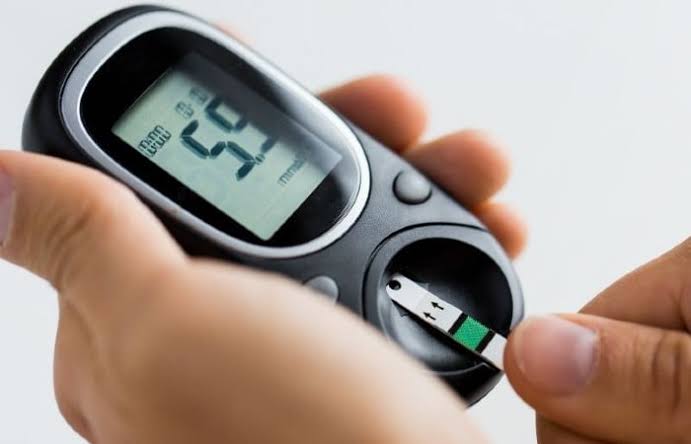
A home glucose meter provides the most accessible way to measure fasting blood glucose. Accurate results depend on consistent testing technique and timing — small deviations in protocol can meaningfully shift the result.
The fasting period: The minimum fast for a valid fasting glucose test is eight hours without food or caloric beverages. Water is allowed and encouraged — dehydration can modestly concentrate blood glucose. Plain black coffee and unsweetened tea are typically considered acceptable by most clinical guidelines (the caffeine and polyphenols do not add glucose), but some clinicians prefer pure water only to avoid any variability in results. Avoid any food, juice, flavored coffee, sweetened beverages, gum, or candy during the fasting period, as even small carbohydrate amounts will raise blood glucose and invalidate the fasting measurement. Many people find that testing immediately on waking — before any morning routine except hand-washing — makes the fasting protocol easiest to follow consistently.
Testing technique: Wash hands thoroughly with soap and warm water and dry completely before lancing — residual food residues or moisture on the fingertips can significantly affect the reading. Lance the side of a fingertip rather than the pad — the sides have more capillaries and fewer pain nerve endings, making testing easier and less uncomfortable with repeated use. Apply enough pressure to produce a good-sized droplet without excessive squeezing — squeezing hard can dilute the blood sample with tissue fluid, producing a falsely lower reading. Apply the blood directly to the test strip’s sample area per the meter’s instructions, and read the result after the meter’s specified processing time.
Interpreting the result: A single fasting glucose reading provides one data point. A pattern of consistently elevated fasting readings (above 100 mg/dL on multiple mornings across multiple weeks) is more clinically meaningful than any single value. Home glucose meters have a permitted accuracy range of ±15% of the true value — a reading of 110 mg/dL could reflect a true glucose anywhere from 93 to 127 mg/dL. For clinical decision-making about diagnosis, a laboratory plasma glucose test (drawn from a vein in a clinical laboratory) is more accurate than a home capillary meter reading. Home meters are excellent for tracking trends and patterns; a clinical lab test is appropriate for confirming a diagnosis. Our comprehensive guide on home blood sugar monitoring covers all aspects of accurate home testing — meter selection, test strip management, proper technique, and how to interpret and track results over time.
Why Fasting Blood Sugar Can Be High Even Without Eating
A common point of confusion is when fasting blood sugar is higher than expected — sometimes higher than readings taken earlier in the day after meals. Several physiological phenomena explain why fasting glucose can be elevated despite not eating, and understanding them prevents misattribution of the result.
The dawn phenomenon: In the early morning hours (roughly 3:00–8:00 AM), the body releases cortisol, growth hormone, and glucagon as part of the normal circadian preparation for waking activity. These hormones collectively stimulate the liver to increase glucose production and reduce tissues’ insulin sensitivity — a physiological preparation for the energy demands of the coming day. In people with normal glucose regulation, additional insulin production compensates for this hormonal glucose push, and fasting glucose remains in the normal range. In people with diabetes or significant insulin resistance, the additional insulin response is insufficient, and the dawn phenomenon produces a measurable rise in fasting glucose — sometimes of 20–40 mg/dL or more. This is why the highest fasting reading of the day may be the early morning one, even though no food has been eaten since the previous evening. People using insulin for diabetes management sometimes require higher insulin doses in the early-morning period to counteract the dawn phenomenon.
The Somogyi effect: The Somogyi effect (also called rebound hyperglycemia) is a pattern in which overnight hypoglycemia (blood glucose falling too low during sleep) triggers counter-regulatory hormone release (adrenaline, glucagon, cortisol) that drives a rebound rise in blood glucose. The person wakes with a high fasting glucose that appears to be ordinary hyperglycemia, but is actually the aftermath of a nocturnal low. The Somogyi effect is controversial — some researchers question how commonly it actually contributes to elevated fasting glucose — but the principle of counter-regulatory rebound is physiologically sound. People using insulin who notice very high fasting glucose despite adjustments to evening insulin may benefit from checking glucose at 2–3 AM to identify whether overnight lows are occurring. If they are, reducing evening or bedtime insulin dose (to prevent the nocturnal low) is a more appropriate response than increasing it (which would worsen the nocturnal low while appearing to target the high fasting reading).
Stress and illness: As described in our guide on early signs of high blood sugar, stress hormones and the physiological response to illness both raise blood glucose — including fasting glucose — independently of food intake. A fasting glucose taken on a day of significant stress or during an illness may be meaningfully higher than the person’s typical baseline, and should be interpreted in that context rather than as a definitive reflection of usual glucose regulation. The blood sugar readings most meaningful for clinical assessment are those taken on normal representative days when the person is well and not under unusual stress. For people tracking fasting glucose over time with a home meter, recording the circumstances of each test — including illness, stress, or unusual activity — allows retrospective identification of readings that may be outliers rather than representative of the usual metabolic picture. The full reference for what fasting glucose values mean, alongside post-meal and A1C ranges, is summarized in our comprehensive blood sugar chart for adults, which provides a single reference for all glucose testing scenarios and the action thresholds associated with each range.
Fasting Glucose and Cardiovascular Risk
The clinical importance of fasting blood glucose extends well beyond its role in diagnosing diabetes. Elevated fasting glucose — even in the prediabetes range — is an independent risk factor for cardiovascular disease, and the relationship between glucose and cardiovascular risk begins below the diagnostic diabetes threshold. Studies including large population cohorts have demonstrated that the risk of cardiovascular events (heart attack, stroke) begins to increase with fasting glucose values above 85–90 mg/dL — well within the “normal” range by current diagnostic criteria. This does not mean that everyone with a fasting glucose of 92 mg/dL needs treatment, but it means that fasting glucose is not simply a binary “normal or not normal” measurement — it reflects metabolic health on a spectrum where lower values, within reason, are genuinely better than higher values even when both are technically “normal.”
The mechanism connecting elevated fasting glucose to cardiovascular risk involves several pathways: glucose oxidizes LDL cholesterol particles, making them more prone to oxidative damage and arterial wall infiltration; elevated glucose promotes endothelial dysfunction (impaired function of the cells lining blood vessel walls, an early step in atherosclerosis); advanced glycation end-products from elevated glucose alter the structural properties of blood vessel walls; and the insulin resistance that underlies elevated fasting glucose is independently associated with dyslipidemia (elevated triglycerides, reduced HDL, small dense LDL) and hypertension, which compound cardiovascular risk. For people with diabetes, the cardiovascular risk associated with elevated blood sugar is covered in our guide on why blood sugar matters for long-term health, which details the full spectrum of complications that chronically elevated glucose produces. Understanding this broader context explains why management of blood sugar — tracked through tools like the A1C test and regular fasting glucose monitoring — is not merely about preventing diabetes progression but about reducing metabolic risk across multiple organ systems simultaneously.
How Often to Check Fasting Blood Sugar
The appropriate frequency of fasting glucose testing depends on a person’s current metabolic status and risk profile.
Healthy adults with no diabetes risk factors: Testing fasting glucose every three to five years as part of routine health screening is generally appropriate. The U.S. Preventive Services Task Force recommends screening for prediabetes and Type 2 diabetes in adults aged 35–70 who are overweight or obese, at least every three years. People who have ever had a borderline fasting glucose (95–99 mg/dL, in the upper-normal range) benefit from annual rechecks to monitor for progression.
Adults with prediabetes: Once impaired fasting glucose (100–125 mg/dL) has been identified, annual fasting glucose and A1C testing is appropriate to track whether glucose is stable, improving, or progressing toward diabetes. The Diabetes Prevention Program demonstrated that lifestyle intervention (modest weight loss and increased physical activity) can reduce the rate of progression from prediabetes to diabetes by 58% — making this the period when intervention has the greatest impact. Annual testing allows timely detection of whether intervention is working or whether additional measures are needed.
People with diabetes: For most people managing diabetes with medication, fasting glucose monitoring is part of daily or near-daily routine — either with a home glucose meter or through continuous glucose monitoring (CGM). The fasting reading each morning provides a daily snapshot of overnight glucose control and is one of the key readings used to adjust insulin doses, medication timing, and evening carbohydrate intake. People with well-controlled Type 2 diabetes managed with diet and exercise alone may check fasting glucose less frequently (weekly or monthly) if their readings are consistently stable and their A1C confirms good long-term control.
People with risk factors for diabetes: Adults with family history of diabetes, obesity, insulin resistance, history of gestational diabetes, or other diabetes risk factors benefit from earlier and more frequent fasting glucose testing than the general screening recommendations — typically annually starting at whatever age the risk factor first becomes relevant, or starting at age 35 at the latest. Catching the transition from normal to impaired fasting glucose early maximizes the window for effective preventive intervention.
Low Fasting Blood Sugar: When Is It Concerning?
While most of the clinical focus around fasting blood sugar is on values that are too high, values that are persistently low — below 70 mg/dL — in a person not taking glucose-lowering medications also warrant evaluation.
In people not taking insulin or diabetes medications, fasting glucose below 70 mg/dL may indicate: reactive hypoglycemia (though this is typically post-meal rather than fasting); an insulinoma (a rare insulin-secreting tumor of the pancreas); adrenal insufficiency (low cortisol, which reduces gluconeogenesis); severe liver disease (reduced glycogen storage and gluconeogenesis capacity); or non-islet cell tumors that produce insulin-like growth factor. Truly low fasting glucose in a non-medicated person is uncommon and warrants medical evaluation to identify the cause.
In people taking insulin or sulfonylureas for diabetes, fasting glucose below 70 mg/dL reflects medication-induced hypoglycemia — either from too high an insulin dose, too long-acting a sulfonylurea relative to overnight glucose needs, or the Somogyi rebound phenomenon described above. This requires medication review and adjustment with a diabetes care provider. Persistent nocturnal hypoglycemia — even if the person does not wake with obvious hypoglycemia symptoms — contributes to hypoglycemia unawareness over time and raises the risk of more severe future hypoglycemic episodes. Using a continuous glucose monitor overnight to identify patterns of nocturnal low glucose provides the data needed to make medication adjustments that prevent this cycle. For detailed guidance on interpreting and acting on home glucose readings across the full range of values, our guide on home blood sugar monitoring covers how to track, interpret, and use fasting glucose data effectively in the context of diabetes management. And for those newly encountering elevated fasting glucose readings and wondering what to do next, the early signs of high blood sugar guide provides the broader symptom context, and the blood sugar chart for adults gives a quick-reference visual of where any given fasting value falls relative to the diagnostic and management thresholds described in this guide.
Medications and Foods That Can Affect Fasting Glucose
Beyond the physiological factors discussed above, several common medications and substances can raise fasting blood glucose — a practical consideration when interpreting an unexpectedly elevated fasting reading.
Corticosteroids (prednisone, prednisolone, dexamethasone) — used widely for inflammatory conditions, allergic reactions, and autoimmune diseases — reliably raise blood glucose through multiple mechanisms: they increase hepatic glucose production, reduce insulin sensitivity in peripheral tissues, and impair insulin secretion at high doses. The glucose-raising effect of steroids is often most pronounced in the afternoon and evening rather than in the morning, but people on continuous steroid therapy may see elevated fasting readings as well. Short courses of steroids for acute conditions (allergic reactions, asthma exacerbations) can temporarily push glucose into the diabetic range in people who were previously normal, and may unmask underlying insulin resistance that was not previously apparent. People with diabetes who are prescribed steroids typically need medication adjustment for the duration of steroid treatment.
Thiazide diuretics (hydrochlorothiazide, chlorthalidone) — used for blood pressure and heart failure — can modestly raise fasting glucose over time through mechanisms that include reduced potassium (which impairs insulin secretion) and direct effects on hepatic glucose metabolism. Beta-blockers, antipsychotics (particularly second-generation agents like olanzapine and clozapine), and niacin (used for cholesterol) can also raise fasting glucose. People who notice a meaningful rise in fasting glucose after starting a new medication should discuss it with their prescriber — in many cases, medication adjustments or substitutions can address the glucose effect while maintaining the treatment benefit the medication was prescribed for. This awareness, combined with regular fasting glucose monitoring as described in this guide and comprehensive glucose tracking with the tools covered in our home blood sugar monitoring guide, allows early identification of medication-related glucose changes before they accumulate into a sustained pattern requiring more intensive intervention.
Sources: American Diabetes Association. Standards of Medical Care in Diabetes — 2024. Diabetes Care. 2024;47(Suppl 1):S20–S42. • Monnier L, et al. Activation of Oxidative Stress by Acute Glucose Variations. Diabetes Care. 2006;29(6):1459–1464. • National Institute of Diabetes and Digestive and Kidney Diseases. Diabetes Tests and Diagnosis. NIDDK; 2023.
I have been reading about fasting blood sugar explained: ranges and for weeks and this is the most thorough guide I found. The connection between lifestyle choices and long-term outcomes is explained clearly here. Forwarding this to others in my support group who are dealing with similar issues.
Finally a resource that explains fasting blood sugar explained: ranges and in plain language. The specific numbers and thresholds mentioned are exactly what I needed to understand my results. Forwarding this to others in my support group who are dealing with similar issues.
As someone dealing with this personally, the fasting blood sugar explained: ranges and section was very helpful. I have tried following advice from several sources but this is most consistent with what my specialist told me. I wish I had found this article earlier — would have saved a lot of confusion.