
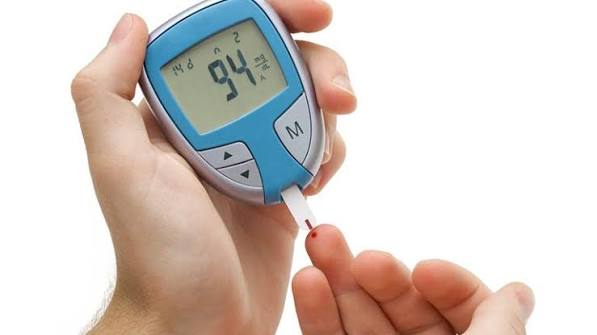
How Often Should Blood Sugar Be Checked?
One of the most practical and consequential questions in diabetes management is how often should blood sugar be checked — and there is no single correct answer, because the right monitoring frequency depends entirely on who is asking. A person with Type 1 diabetes using an insulin pump has fundamentally different monitoring needs than a person with Type 2 diabetes managed on diet and exercise alone, and both differ from someone with prediabetes who has no current treatment. The purpose of blood sugar monitoring, the type of information it provides, and the consequences of missing a problematic reading all vary by clinical situation — and therefore so does the appropriate testing frequency. This guide provides clear, evidence-based guidance for each situation, grounded in the clinical rationale for why monitoring frequency matters. For the foundational context on what blood glucose measurements mean, see our guide on what is normal blood sugar, and for a reference on the specific target ranges monitoring is designed to maintain, see our blood sugar chart for adults.
Why Blood Sugar Monitoring Frequency Matters
Blood glucose monitoring serves different purposes depending on the clinical context, and the frequency needed to serve those purposes varies accordingly. In general, the reasons to check blood sugar fall into three categories: safety decisions that require real-time information, pattern identification for management optimization, and accountability or tracking for lifestyle modification.
Safety decisions: When someone uses insulin — either Type 1 or insulin-treated Type 2 diabetes — the consequences of an undetected glucose abnormality (too low or too high) can be immediate and serious. Hypoglycemia while driving, sleeping, or performing physical work can be dangerous; severe hyperglycemia can lead to diabetic ketoacidosis or hyperosmolar hyperglycemic state. For these individuals, monitoring frequency is not primarily about tracking trends — it is about detecting glucose levels that require immediate action to prevent harm. Every insulin dosing decision requires knowing the current glucose level to calculate the right dose. Missing a pre-meal or pre-sleep check creates genuine risk. For this group, the answer to “how often?” is: as often as needed to keep glucose in a safe range and make informed dosing decisions.
Pattern identification: For people whose glucose management depends on lifestyle choices — diet, physical activity, meal timing, sleep — blood glucose monitoring reveals the patterns that make those choices visible. Checking before and after different meals shows which foods spike glucose most; checking before and after exercise shows how activity affects glucose; checking at different times of day identifies whether morning glucose is consistently elevated (suggesting overnight hepatic glucose production is high) or whether post-dinner glucose is the primary problem. Without this pattern data, lifestyle adjustments are made blind. With it, they can be targeted. Our guide on home blood sugar monitoring covers the full monitoring approach for optimizing pattern identification.
Accountability and tracking: For people in the earlier stages of glucose metabolism impairment — prediabetes or well-controlled Type 2 on diet alone — monitoring provides feedback on whether lifestyle choices are working. While this group does not need safety-oriented real-time monitoring, periodic structured glucose checks confirm that fasting and post-meal levels remain in target ranges and detect early worsening before it becomes significant. Understanding what blood sugar is and how it reflects diet and activity choices makes monitoring a more motivating tool rather than just a data collection task.
Blood Sugar Monitoring for Type 1 Diabetes
People with Type 1 diabetes require the most frequent blood glucose monitoring of any group, because they produce no endogenous insulin and must replace it entirely through injections or an insulin pump. Every meal, exercise session, and period of stress or illness can shift glucose significantly, and every insulin dose must be calibrated to the current glucose level and anticipated glucose impact of the next meal or activity.
The American Diabetes Association recommends that people with Type 1 using multiple daily injections (MDI) check glucose at minimum four times daily — before each of three meals and at bedtime — and often more. A typical structured testing schedule for Type 1 on MDI includes: fasting (before breakfast), before lunch, before dinner, and before bed, with additional checks two hours after meals when making food-glucose correlation observations, at 2–3 AM when overnight hypoglycemia is a concern, before and after exercise, and any time symptoms of hypoglycemia or hyperglycemia are present. This adds up to six to ten or more checks on active days — and for people using continuous glucose monitors (CGM), the device may record glucose every five minutes automatically, generating nearly 300 glucose readings per day. CGM has become the standard of care for Type 1 diabetes in settings where it is available, because it provides the continuous glucose picture that intermittent fingerstick testing cannot — detecting trends, overnight dips, and post-meal peaks that occur between scheduled meter checks. For a detailed understanding of what post-meal glucose patterns look like and why they matter, see our guide on post-meal blood sugar explained.
Blood Sugar Monitoring for Type 2 Diabetes on Insulin
People with Type 2 diabetes who use insulin — either basal insulin once or twice daily, pre-meal bolus insulin, or a combination — have monitoring needs similar to Type 1, though often somewhat less intensive because they retain some endogenous insulin production that provides a partial buffer against extreme glucose excursions. A person with Type 2 on basal insulin once daily typically needs a fasting check each morning to evaluate the overnight glucose trend and determine whether the basal dose is appropriate, plus periodic post-meal checks to identify meal response patterns. Clinically, the standard recommendation for basal-only Type 2 insulin users is one to two checks daily, with additional checks when glucose is thought to be very high or low, when starting or adjusting a dose, during illness, before driving, and any time symptoms are present. A person with Type 2 using pre-meal bolus insulin in addition to basal — a more intensive regimen — needs to check before each meal to calculate the bolus dose, following the same logic as Type 1. For context on the fasting glucose that typically anchors the morning check for basal insulin users, see our guide on fasting blood sugar explained.
- Type 1 (MDI or pump): 4–10+ times daily; CGM strongly preferred
- Type 2 on basal + bolus insulin: 4+ times daily (before each meal + bedtime)
- Type 2 on basal insulin only: 1–2 times daily (fasting + periodic post-meal)
- Type 2 on sulfonylurea or meglitinide: At least once daily; more often when adjusting or unwell
- Type 2 on metformin or other non-hypoglycemic agents: Periodic structured checks (not daily required); frequency per provider guidance
- Type 2 on diet and exercise only: Weekly structured checks or as needed; A1C every 3–6 months is sufficient for many
- Prediabetes: Not routinely required; periodic structured checks (monthly or quarterly) plus A1C every 6–12 months
- All groups: always check when symptomatic, before driving if on insulin/sulfonylurea, before strenuous exercise, and during illness

Blood Sugar Monitoring for Type 2 Diabetes Not on Insulin
For people with Type 2 diabetes who are not using insulin — managed with oral medications, non-insulin injectables, or lifestyle alone — the evidence base for optimal monitoring frequency is more nuanced. Daily monitoring in this group does not reduce A1C or improve clinical outcomes consistently in randomized trials, and excessive monitoring without a clear plan for acting on the results can cause unnecessary anxiety and expense without clinical benefit. The key question is not simply “how often?” but “what will be done with the information?”
On sulfonylurea or meglitinide: These medications stimulate insulin release and can cause hypoglycemia, particularly if meals are missed or delayed. People on these agents should check at least once daily — usually fasting — and should check any time they experience hypoglycemia symptoms. During dose adjustments, illness, or changes in meal pattern, more frequent checking is appropriate. Before driving, especially on days when a meal was smaller or later than usual, a quick glucose check is a reasonable safety measure.
On metformin, DPP-4 inhibitors, SGLT-2 inhibitors, or GLP-1 agonists: These medications do not cause hypoglycemia on their own and therefore do not create a safety-oriented need for frequent monitoring. For many people in this group, periodic structured monitoring — such as a week of structured checking (fasting, two hours after main meals) done once a month, or checking fasting glucose a few times per week — provides sufficient pattern information without the burden of daily monitoring. The specific protocol should be determined with the healthcare provider based on how well-controlled glucose currently is, whether there have been recent changes to medication or lifestyle, and the individual’s interest in seeing the glucose data to support motivation and behavior change. Understanding how post-meal glucose responds to different foods — covered in our guide on post-meal blood sugar explained — can help people make more purposeful use of their monitoring time. For context on how to interpret glucose patterns within a home monitoring log over time, our guide on home blood sugar monitoring provides a practical framework for making sense of the data. And for understanding the long-term relationship between glucose control and complications — the reason blood sugar monitoring ultimately matters — our guide on why blood sugar matters for long-term health provides the complete picture of what sustained glucose control actually achieves. When A1C and the A1C test are used alongside periodic home monitoring, the combination provides both the real-time pattern data and the long-term summary that together give the most complete picture of glucose management — helping individuals and providers identify whether current approaches are working and what adjustments might be beneficial.
Blood Sugar Monitoring for Prediabetes
For people diagnosed with prediabetes — impaired fasting glucose (100–125 mg/dL), impaired glucose tolerance on OGTT (140–199 mg/dL at two hours), or A1C of 5.7–6.4% — routine daily home blood glucose monitoring is not standard clinical practice and is not recommended by major diabetes guidelines. The reason is that in prediabetes, the glucose levels typically seen at home are close enough to normal that small fluctuations are not clinically actionable in the way they are for someone using insulin, and the monitoring burden without clear benefit can undermine the motivation and mental health that are important for the lifestyle changes prediabetes management depends on.
That said, periodic structured checking can be valuable in prediabetes for several purposes. Checking fasting glucose a few times per week provides a running sense of whether the baseline glucose is trending up or down — early warning of progression if fasting values are consistently approaching 125 mg/dL, or reassurance if they remain below 110 mg/dL. Checking two hours after a meal on days when an unusual meal (larger, higher carbohydrate, or at a restaurant) was eaten can reveal which foods drive glucose most in that individual — useful information for dietary modification. And checking before and after starting a new exercise routine can show how physical activity affects glucose, providing immediate feedback that motivates continued activity. The primary long-term monitoring tool in prediabetes is A1C — typically checked every six to twelve months — which provides the most reliable assessment of whether glucose averages are improving, stable, or worsening, as discussed in detail in our guide on the A1C test. For the full clinical picture of prediabetes and what to do about it, see our guide on what prediabetes is.
Special Situations That Always Warrant More Frequent Monitoring
Regardless of the general monitoring frequency appropriate for a person’s usual clinical situation, several specific circumstances call for more frequent blood glucose checking across all groups.
During illness: Acute illness — infections, fever, gastrointestinal illnesses, respiratory illness — consistently raises blood glucose through counter-regulatory hormone responses, even in people who are otherwise well-controlled. For someone on insulin, illness also creates the risk of diabetic ketoacidosis if glucose rises significantly while carbohydrate intake is reduced by nausea or poor appetite. The general guidance is to check glucose every two to four hours during significant illness, contact a healthcare provider or follow a “sick day rules” protocol if glucose is above 240–300 mg/dL or if the illness involves vomiting, and ensure adequate fluid intake. For people not on insulin, daily monitoring during illness is appropriate even if usual frequency is lower, to detect glucose elevations that might indicate the need for temporary medication adjustment. Understanding the early signs of high blood sugar is important during illness so that significant glucose elevation is recognized early rather than attributed entirely to illness symptoms.
After a medication change: Any time a new glucose-lowering medication is started, an existing one is dose-adjusted, or a medication is discontinued, more frequent monitoring for the subsequent one to two weeks helps confirm the effect on glucose. For insulin users, more frequent checking after every dose adjustment is essential — the expected response to a 10-unit change in basal insulin should be verified over the following few days to ensure it produced the intended glucose change without causing hypoglycemia. For oral medications, checking fasting glucose daily for one to two weeks after a dose increase confirms the response and helps avoid both insufficient and excessive medication effect.
During significant changes in diet or physical activity: Starting a new diet — whether lower carbohydrate, lower calorie, or otherwise significantly different from the prior pattern — will change post-meal glucose patterns. Increased physical activity, whether a new exercise program or an unusually active day (travel, manual labor, hiking), will typically lower glucose and may increase hypoglycemia risk for anyone on insulin or sulfonylurea. More frequent monitoring during these periods of change identifies the new glucose patterns and allows medication and meal adjustments to prevent both hypoglycemia and hyperglycemia. For people with Type 1 or insulin-treated Type 2, checking glucose before and after every exercise session is standard practice when starting a new type or intensity of exercise, as glucose responses to exercise can be unpredictable until the individual learns how their glucose responds to that specific activity. Our guide on what is insulin resistance explains why physical activity has such a direct and powerful effect on glucose levels — the context that makes the glucose-exercise relationship make physiological sense.
Before and during travel: Travel disrupts meal timing, physical activity patterns, sleep, and sometimes medication timing (particularly for people crossing time zones on insulin). More frequent glucose monitoring during travel provides the information needed to make safe adjustments in unfamiliar routines. For anyone on insulin traveling across multiple time zones, a specific time-zone adjustment protocol for basal insulin timing should be discussed with a healthcare provider before the trip; during the trip itself, checking glucose more frequently than usual helps detect unexpected highs or lows that could result from the schedule disruption.
When driving on insulin or sulfonylurea: For anyone using insulin or a sulfonylurea — medications that can cause hypoglycemia — checking blood glucose before getting behind the wheel is a safety-critical practice. Hypoglycemia while driving is associated with significantly increased accident risk, and the cognitive impairment from glucose below 70 mg/dL can affect driving ability before the driver is aware of it. The general recommendation is to check glucose before driving if on these medications, particularly if the last meal was more than three hours ago or if any symptoms of low glucose are present, and to treat any reading below 90 mg/dL before driving. For a comprehensive framework on which blood sugar readings and symptom combinations require immediate action versus scheduled follow-up, see our guide on when blood sugar symptoms need medical attention.
Continuous Glucose Monitoring vs. Fingerstick Monitoring
The choice between traditional fingerstick monitoring and continuous glucose monitoring (CGM) significantly affects how monitoring frequency is understood and implemented. CGM devices use a small sensor inserted under the skin to measure interstitial glucose (the glucose in the fluid between cells) every one to five minutes, providing a continuous real-time glucose graph with trend arrows showing whether glucose is rising, falling, or stable. Rather than a series of discrete readings at specific planned times, CGM generates a continuous picture of how glucose moves throughout the entire day and night — including the hours between scheduled meter checks that traditional fingerstick monitoring cannot capture.
For people with Type 1 diabetes, CGM has been shown in randomized trials and large observational studies to reduce A1C, reduce time spent in hypoglycemia, reduce time spent in hyperglycemia, and improve quality of life compared to fingerstick monitoring. For insulin-treated Type 2 diabetes, the evidence for CGM benefit is also strong, though the magnitude of benefit is generally somewhat smaller than in Type 1. CGM is increasingly available and covered by insurance for people meeting clinical criteria, and is now considered the preferred glucose monitoring method by major diabetes organizations for anyone who requires multiple daily glucose assessments to manage their treatment. For people not on insulin whose daily glucose variability is modest and stable, the added data density of CGM may not provide proportionate benefit compared to structured fingerstick monitoring — though it remains available as an option for anyone who wants more granular glucose data for dietary or activity optimization.
For a deep dive into the practical tools and techniques for effective home blood glucose monitoring — whether with a fingerstick meter or CGM — our guide on home blood sugar monitoring covers the full spectrum of available tools, how to choose between them, and how to use the data they generate most effectively for glucose management. The combination of the right monitoring frequency, the right monitoring tools, and a clear plan for acting on the data that is collected transforms blood glucose monitoring from a mechanical data-collection task into a powerful tool for actively managing diabetes and preventing the long-term complications that sustained glucose elevation causes. For the full picture of why those complications matter and how even modest improvements in glucose control translate to real health benefits over time, see our guide on why blood sugar matters for long-term health. And for anyone tracking their glucose across multiple readings and wanting a clear reference for interpreting those numbers — whether fasting, post-meal, or at other times — our comprehensive blood sugar chart for adults provides all the major reference ranges in one accessible place.
Sources: American Diabetes Association. Standards of Medical Care in Diabetes — 2024. Diabetes Care. 2024;47(Suppl 1):S20–S42. • Malanda UL, et al. Self-Monitoring of Blood Glucose in Patients with Type 2 Diabetes Mellitus Who Are Not Using Insulin. Cochrane Database Syst Rev. 2012;(1):CD005060. • Klonoff DC, et al. Continuous Glucose Monitoring: An Endocrine Society Clinical Practice Guideline. J Clin Endocrinol Metab. 2011;96(10):2968–2979.
Really well-written article on how often should blood sugar be. What I liked most was that the article didn’t just say what to avoid — it also gave alternatives. I wish I had found this article earlier — would have saved a lot of confusion.
Came across this while researching how often should blood sugar be for a family member. I appreciated how the article addressed both the clinical side and the practical adjustments. Looking forward to reading more articles from this website.
Finally a resource that explains how often should blood sugar be in plain language. The connection between lifestyle choices and long-term outcomes is explained clearly here. This gave me real confidence going into my next specialist appointment.