
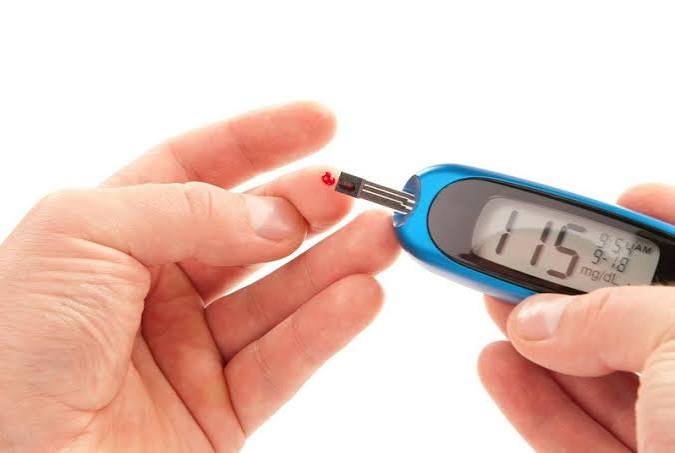
When Blood Sugar Symptoms Need Medical Attention
One of the most important skills in diabetes and blood sugar management is understanding urgency: knowing which symptoms can be monitored at home, which require a scheduled medical appointment within days, and which demand immediate emergency care. The blood sugar symptoms that need medical attention range from subtle warning signs that accumulate over weeks to acute emergencies that are life-threatening within hours if not treated. The consequences of under-responding — delaying emergency care when it is needed — can be as serious as the consequences of over-responding, which includes missing the patterns that would predict a developing crisis before it becomes one. This guide provides a structured framework for distinguishing emergency, urgent, and routine blood sugar symptoms, and for understanding what makes each category clinically distinct. For the underlying physiology of what blood sugar is and why it matters, our guides on what blood sugar is and why it matters long-term provide essential background context.
Emergency: Call 911 or Go to the ER Immediately
Certain combinations of blood sugar symptoms indicate a medical emergency in progress — conditions where delay in treatment can result in serious harm or death within hours. In these situations, calling emergency services (911 in the United States) or going directly to the nearest emergency room is the appropriate response, without waiting for a primary care appointment or telehealth consultation.
Diabetic Ketoacidosis (DKA)
Diabetic ketoacidosis occurs when severe insulin deficiency causes the body to switch into emergency fat-burning mode, producing ketones (acidic breakdown products of fat metabolism) faster than the body can clear them. The accumulating ketones acidify the blood to a degree that disrupts virtually every organ system. DKA is most common in Type 1 diabetes but can occur in Type 2 diabetes under conditions of severe physiological stress (serious illness, surgery, major infection). It can also be the presenting episode that establishes a first diagnosis of Type 1 diabetes — occurring in people who had no prior knowledge of having diabetes.
The symptoms of developing DKA include: nausea, vomiting, and abdominal pain (from the effects of acidosis on the gastrointestinal system); rapid and unusually deep breathing — called Kussmaul breathing — as the lungs compensate for metabolic acidosis by expelling carbon dioxide; a fruity or acetone-like odor to the breath (from exhaled acetone, one of the ketones produced); extreme fatigue and weakness; and altered mental status, confusion, or difficulty staying awake as the condition progresses. These symptoms occur on a background of the usual high blood sugar symptoms — intense thirst, very frequent urination, and significant fatigue — which may have been present for days before the acute DKA symptoms emerge. If a home ketone test (urine or blood) shows moderate to large ketones alongside high blood glucose, or if blood glucose is above 250 mg/dL and any of the above symptoms are present, emergency evaluation is appropriate without delay. DKA requires intravenous insulin, fluids, and electrolyte replacement that cannot be safely administered outside a hospital setting. For context on the full spectrum of symptoms of Type 1 diabetes, DKA is the most urgent extreme of the same insulin deficiency that produces the milder chronic symptoms earlier in the disease course.
Severe Hypoglycemia
Severe hypoglycemia — blood glucose below 54 mg/dL, or any blood glucose level that causes loss of consciousness, seizure, or inability to swallow — is a medical emergency requiring external intervention because the affected person cannot safely treat themselves. It occurs most commonly in people using insulin (particularly intensive insulin regimens) or certain oral diabetes medications (sulfonylureas, meglitinides), and its risk is increased by missed meals, unusual physical activity, alcohol consumption, or changes in medication dose.
Emergency signs of severe hypoglycemia include: loss of consciousness; convulsions or seizures; inability to be roused or extreme confusion that prevents the person from recognizing or treating the hypoglycemia themselves; or any situation in which the person cannot safely swallow. In these situations, calling emergency services and, if glucagon is available (glucagon injection kit, glucagon nasal spray, or dasiglucagon), administering it immediately while waiting for emergency services is the appropriate response. Do not try to put food or liquid into the mouth of an unconscious or seizing person — the risk of aspiration is severe. Emergency services carry intravenous dextrose (glucose) that can correct even the most severe hypoglycemia rapidly, and the standard hospital management of severe hypoglycemia typically involves confirming glucose normalization, identifying the cause, and adjusting the medication regimen to prevent recurrence. For people who have recovered from severe hypoglycemia, contacting a diabetes care provider the same day or the next day is appropriate to discuss medication adjustment — recurrent severe hypoglycemia is a signal that the current treatment regimen needs modification.
Hyperosmolar Hyperglycemic State (HHS)
Hyperosmolar hyperglycemic state (HHS) — sometimes called hyperosmolar nonketotic coma — is an emergency primarily of Type 2 diabetes, occurring when blood glucose rises to extreme levels (often above 600 mg/dL, sometimes above 1000 mg/dL) in the context of severe dehydration and inadequate fluid replacement. Unlike DKA, significant ketosis is typically absent (because residual insulin prevents unrestrained fat breakdown), but the extreme glucose elevation and dehydration produce a blood hyperosmolarity that is acutely dangerous to the brain. HHS most commonly affects elderly people with Type 2 diabetes who may not drink enough fluids when ill, may not recognize thirst accurately due to age-related blunting of the thirst response, or whose diabetes had been undiagnosed or inadequately managed. The symptoms include profound weakness, confusion, altered consciousness, or coma, occurring in the context of extreme glucose elevation detected on a home glucose meter or by emergency services. Any person with diabetes who develops confusion, decreased consciousness, or extreme weakness — particularly in the context of an illness or reduced fluid intake — should be evaluated emergently, even if they are not specifically known to be in crisis from blood sugar. The possibility of HHS warrants immediate evaluation rather than watchful waiting at home.
- EMERGENCY (call 911 now): Unconsciousness, seizure, inability to swallow, fruity breath + vomiting + confusion, blood glucose above 400 with nausea and vomiting
- SAME DAY / URGENT (evaluate today or tomorrow): New thirst + urination + fatigue + weight loss together; blood glucose above 300 without improvement; foot wound not healing in a person with diabetes
- WITHIN 1–2 WEEKS (schedule appointment): Persistent unexplained fatigue; slow wound healing; new vision changes; tingling in feet; blood glucose consistently above 180
- MONITOR AND DISCUSS AT NEXT VISIT: Occasional glucose readings 140–180; mild dry mouth; mild increased thirst; stable diabetes symptoms within known range
- HOME GLUCAGON: Households with insulin-using diabetics should keep glucagon (kit or nasal spray) on hand and ensure at least one other person knows how to use it
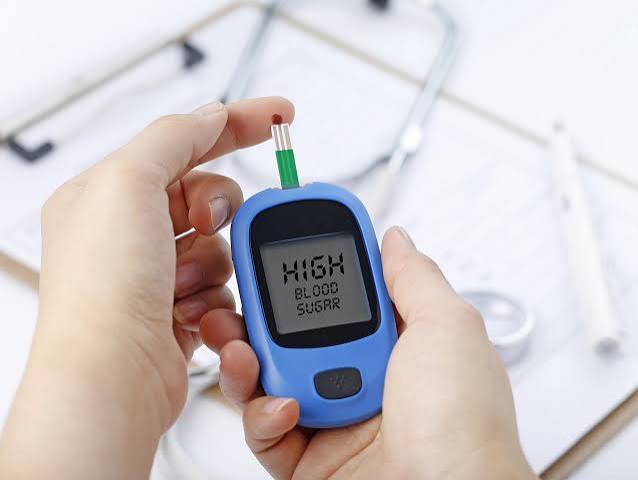
Urgent: Evaluate Within 24–72 Hours
Between the clear emergencies above and the routine monitoring of stable diabetes, there is an important middle category: symptoms that require evaluation within one to three days rather than years or months. These are situations where the clinical concern is real and timely evaluation will meaningfully improve outcomes, but where the immediate threat to life is lower than the emergencies described above.
Classic diabetes symptom triad in someone without a diagnosis: A person experiencing the combination of marked thirst, frequent urination, and unexplained fatigue — particularly if recent weight loss or unusual hunger accompanies these — should have a fasting glucose and A1C checked within the next one to three days rather than waiting for a routine annual physical. The symptom cluster of polydipsia, polyuria, polyphagia, and weight loss is the hallmark presentation of significantly elevated blood glucose, and catching it promptly allows treatment before DKA or other complications develop. Our guide on early signs of high blood sugar covers this symptom cluster in full detail, and our guide on what diabetes is explains the diagnostic criteria and what a positive test means for next steps.
Blood glucose above 300 mg/dL on a home meter without nausea, vomiting, or altered consciousness: A blood glucose reading above 300 mg/dL without the acute emergency symptoms of DKA warrants same-day or next-day contact with a diabetes care provider to discuss whether medication adjustment or evaluation is needed. At these levels, the risk of progressing to DKA (in insulin-dependent diabetes) or developing significant dehydration is meaningful, and a brief clinical check or telehealth consultation to assess for ketones, review medication, and ensure hydration is appropriate.
New or worsening foot symptoms in a person with diabetes: Any new foot wound, blister, or area of redness in a person with diabetes — particularly one with known neuropathy — should be evaluated within one to two days, because impaired wound healing and infection risk mean that minor wounds can progress to serious infections rapidly. An area that does not show clear improvement within two to three days of home wound care also warrants prompt in-person evaluation. The guidance in our article on slow wound healing and diabetes covers when home management is appropriate and when escalation is needed.
Symptoms suggesting a new diabetes complication: New visual disturbances (floaters, flashing lights, areas of vision loss), new chest pain or shortness of breath in a person with diabetes, or new significant swelling of the legs in diabetes all warrant prompt evaluation — not necessarily emergency room evaluation, but clinical assessment within one to two days rather than weeks. These symptoms may indicate complications of diabetes affecting the eyes, heart, or kidneys that require time-sensitive evaluation and management.
Routine: Schedule Within 1–2 Weeks
Many blood sugar symptoms are important to address but do not require the same urgency as the above categories. These include: blood glucose readings that are consistently above target (above 180 mg/dL fasting or above 200 mg/dL post-meal) for more than a few days; mild, stable increased thirst or urination that has been present for weeks rather than appearing acutely; tingling or numbness in the feet that is new or changing; blurry vision that fluctuates with blood glucose levels; persistent fatigue that does not have another obvious explanation; and any unexplained weight change over several weeks. These symptoms deserve medical attention within one to two weeks — enough time to arrange a proper evaluation with relevant testing — but do not require urgent same-day action when they appear in isolation and without the acute emergency features described above. For people who do not have a regular healthcare provider and are newly noticing these symptoms, establishing care with a primary care physician is the starting point, and specific testing — fasting glucose, A1C, and relevant associated tests — can be ordered at that first visit. Understanding what prediabetes is helps contextualize mild symptom patterns that may reflect early metabolic dysfunction worth addressing before they progress to overt diabetes. Home monitoring with a blood glucose meter, as described in our guide on home blood sugar monitoring, can provide useful documentation of glucose patterns to bring to a medical appointment and can confirm whether readings are within or outside the ranges described in our guide on normal blood sugar. Understanding diabetes risk factors and assessing personal risk helps calibrate how urgently routine symptoms warrant evaluation — a person with multiple risk factors, a family history of diabetes, and the symptoms above has more reason for prompt evaluation than someone with no risk factors who is experiencing mild, transient symptoms.
Recognizing Hypoglycemia Before It Becomes Severe
Preventing severe hypoglycemia requires recognizing mild and moderate hypoglycemia before it progresses to the point where self-treatment is no longer possible. The early symptoms of hypoglycemia — blood glucose typically 54–70 mg/dL — include shakiness or trembling, sweating, heart palpitations or racing pulse, anxious or nervous feeling, hunger, and pale skin. These symptoms are mediated by the release of adrenaline (epinephrine), the body’s primary counter-regulatory hormone that responds to falling blood glucose by triggering the classic “fight-or-flight” signs. At this stage, the person is fully conscious and capable of treating themselves with fast-acting carbohydrates — glucose tablets, juice, regular soda, or glucose gel.
As blood glucose falls further — below 54 mg/dL — neurological symptoms emerge as the brain begins to experience glucose deficiency directly: confusion, difficulty concentrating, slurred speech, blurry vision, weakness, and loss of coordination. At this stage, the person may still be conscious but their judgment is impaired — they may not recognize that they are hypoglycemic, may refuse treatment, or may not be able to safely swallow. A companion or family member who recognizes these signs can assist with treatment, but the window for safe home management is narrowing and glucagon preparation should be at hand in case consciousness deteriorates. People with diabetes who use insulin and have a history of severe hypoglycemia should educate family members and close contacts on how to administer glucagon and should have a glucagon rescue kit (injection or nasal spray) in their home. The prescription nasal glucagon (brand name Baqsimi) has made glucagon administration easier and requires no mixing or injection — an important practical advance for household management of hypoglycemia. For those managing blood glucose at home and wanting to understand how to interpret readings in real time, our guide on home blood sugar monitoring covers the practical aspects of using readings to make management decisions. And for context on what glucose levels are expected and when, the normal blood sugar reference provides the range comparisons that make individual readings meaningful.
A particularly challenging scenario is hypoglycemia unawareness — a condition in which recurrent hypoglycemia causes the body to habituate to low blood glucose, blunting the early adrenaline-mediated symptoms that normally provide warning. People with hypoglycemia unawareness may lose consciousness or have a seizure without experiencing the warning symptoms of shakiness and sweating that typically allow self-treatment. This condition develops most commonly in people who have had frequent hypoglycemic episodes over time, and it substantially raises the risk of severe hypoglycemia. Managing hypoglycemia unawareness requires medical guidance — typically involving a period of strict avoidance of hypoglycemia (targeting slightly higher glucose levels than usual) that allows the hypoglycemia warning responses to recover over weeks to months. Continuous glucose monitoring (CGM) systems with low glucose alerts are particularly valuable for people with hypoglycemia unawareness, because they provide real-time warnings even when the person’s own physiological warning system is blunted.
When to Seek Medical Attention for Newly Diagnosed Diabetes
A first diagnosis of diabetes represents a transition point in medical care that requires prompt establishment of a comprehensive management plan — not because newly diagnosed diabetes is an acute emergency in most cases, but because early expert involvement substantially improves long-term outcomes and prevents the complications that inadequately managed diabetes produces over time.
After a blood test confirms diabetes (fasting glucose above 126 mg/dL on two occasions, or A1C above 6.5%, or a random glucose above 200 mg/dL with symptoms), the next steps include: establishing care with a physician who manages diabetes (primary care physician, internist, or endocrinologist); obtaining a comprehensive metabolic evaluation that includes kidney function, lipids, thyroid function, and blood pressure — all of which are frequently abnormal in newly diagnosed Type 2 diabetes; referral to a diabetes education program (Diabetes Self-Management Education and Support, or DSMES) which provides structured teaching on glucose monitoring, medication use, dietary management, foot care, and other essential skills; and eye examination (dilated funduscopy by an ophthalmologist or optometrist) to establish a baseline retinal assessment, since retinopathy may already be present at the time of Type 2 diabetes diagnosis in people who had elevated glucose for years before diagnosis.
The A1C at diagnosis helps contextualize how long glucose elevation has likely been present and how urgent intervention is. An A1C of 6.5–7.0% suggests relatively early or mild elevation; an A1C above 10% indicates prolonged, significant elevation. Our guide on the A1C test explains what the percentage means, how it relates to average blood glucose, and how often it should be rechecked after treatment begins. Understanding what diabetes is at a physiological level, and what prediabetes means for those who were there before diagnosis, helps frame the new diagnosis in a way that supports understanding and engagement with the management steps that follow.
Communicating Effectively With Emergency and Healthcare Providers
When seeking medical attention for blood sugar symptoms — whether in an emergency room, urgent care, or a scheduled appointment — having key information ready significantly improves the quality and efficiency of care received. Emergency providers and clinicians need to know: the current blood glucose level if it has been tested at home (and when it was tested); whether blood or urine ketones have been tested and their result; the current diabetes medications being taken, including insulin type and dose; when the last meal was eaten; any recent illness, stress, or change in activity that might have precipitated the glucose change; and any new symptoms that accompany the glucose abnormality.
For people using insulin, wearing a medical alert bracelet or carrying a diabetes identification card accelerates recognition and appropriate treatment if they become unable to communicate due to severe hypoglycemia or altered consciousness. Emergency services responding to an unconscious person can give glucagon or intravenous glucose immediately if they know the person has diabetes — without that information, diagnosis may be delayed. Keeping an updated list of all medications and medical conditions in a wallet or on a phone (or through a medical ID app) serves the same purpose in any medical emergency.
For people with diabetes who experience blood sugar crises more than once — particularly repeated severe hypoglycemia or repeated DKA — the pattern itself is information that needs to be communicated to a diabetes care team and addressed systematically. Recurrent crises indicate that the current management plan is not adequately preventing dangerous glucose extremes, and adjustments to medication regimen, monitoring technology, or diabetes education may substantially reduce future risk. The resources described throughout this guide — from understanding insulin resistance and how blood sugar is controlled, to the practical monitoring skills covered in the home monitoring guide — provide the background knowledge that empowers people with diabetes to recognize problems earlier, communicate more effectively with their care teams, and make better real-time management decisions that prevent symptoms from escalating to emergencies. The earlier a blood sugar symptom pattern is recognized and addressed — ideally at the stage described in our guide on early signs of high blood sugar — the less likely it is to progress to the acute crisis presentations that require emergency care.
Sources: American Diabetes Association. Standards of Medical Care in Diabetes — 2024. Diabetes Care. 2024;47(Suppl 1):S20–S42. • Kitabchi AE, et al. Hyperglycemic Crises in Adult Patients With Diabetes. Diabetes Care. 2009;32(7):1335–1343. • National Institute of Diabetes and Digestive and Kidney Diseases. Symptoms and Causes of Diabetes. NIDDK; 2023.
This is one of the clearest explanations of when blood sugar symptoms need medical I have found. It is refreshing to see an article that acknowledges individual variation rather than one-size-fits-all advice. Will definitely be coming back to this site for more health information.
I shared this article on when blood sugar symptoms need medical with my doctor and they appreciated the level of detail. I especially valued the explanation of why these recommendations exist, not just what they are. This is exactly why I prefer this website over generic health platforms.
My doctor recommended I look into when blood sugar symptoms need medical and this article covered it perfectly. What I liked most was that the article didn’t just say what to avoid — it also gave alternatives. Looking forward to reading more articles from this website.