
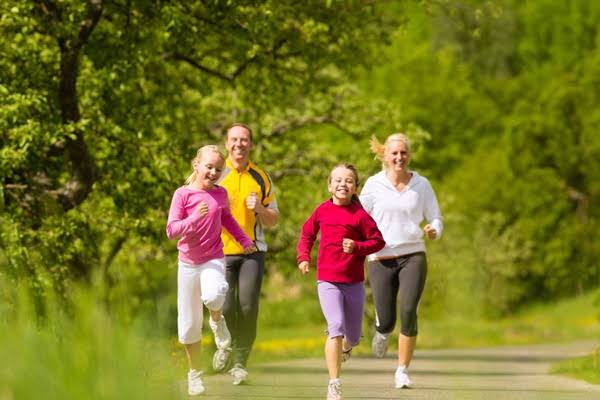
How Walking Lowers Blood Sugar
Walking and blood sugar control are connected through several physiological mechanisms that operate both during and after each walking session. Understanding these mechanisms helps explain why walking is among the most evidence-supported interventions for glucose management in prediabetes, Type 2 diabetes, and general metabolic health — and why factors like walking pace, duration, and timing dramatically influence the magnitude of glucose benefit achieved.
During walking, contracting skeletal muscle fibers require energy rapidly — drawing glucose from the bloodstream through a process that is partly independent of insulin. This contraction-stimulated glucose uptake occurs via GLUT4 transporter translocation to the muscle cell membrane, triggered by AMPK (AMP-activated protein kinase) activation during exercise rather than by insulin signaling. The significance of this insulin-independent pathway is profound for people with insulin resistance or prediabetes: even when insulin cannot effectively shuttle glucose into cells because of cellular insulin resistance, walking muscle contractions bypass that resistance and directly pull glucose from the blood. The result is an immediate, measurable blood glucose reduction during and immediately after moderate-pace walking — typically 15–30 mg/dL in people with elevated baseline glucose. Our guide on what is insulin resistance explains the cellular mechanisms that walking circumvents.
After walking ends, the insulin-sensitizing effects persist for 24–72 hours through ongoing GLUT4 upregulation in muscle cells — meaning that muscle cells remain more responsive to insulin (and more effective at clearing glucose from the bloodstream) for 1–3 days after each walking session. This post-exercise insulin sensitization is the mechanism that makes walking frequency as important as total weekly walking volume: walking every other day maintains near-continuous enhanced insulin sensitivity, while walking only once per week allows that sensitivity to return to baseline between sessions. Our guide on exercise and diabetes prevention covers these mechanisms in the context of long-term diabetes risk reduction through regular physical activity.
Optimal Walking Protocol for Blood Sugar Control
Not all walking produces equivalent blood sugar benefit. The intensity, duration, and timing of walking each significantly influence the magnitude of glucose improvement:
Pace: Moderate Is Optimal
Brisk walking — approximately 3.0–3.5 mph, producing a heart rate of 50–70% of maximum (the “talk test” zone where you can speak in sentences but not sing) — produces the most consistent and large blood glucose reductions across studies. Slow, casual walking provides some benefit but at approximately half the glucose-lowering effect of brisk walking. Very vigorous walking or running can paradoxically cause a temporary blood glucose rise in some individuals (through epinephrine-stimulated glycogen release from the liver) before producing a sustained post-exercise fall. For most adults with prediabetes or Type 2 diabetes, moderate brisk walking is the sweet spot for maximizing glucose benefit while minimizing joint stress and injury risk.
Duration: 30 Minutes Per Session
A 30-minute brisk walk represents the standard evidence-based session length for blood sugar control — producing meaningful acute glucose reductions and providing the session volume that, when performed consistently, achieves the cumulative adaptations (increased GLUT4 expression, improved mitochondrial function, visceral fat reduction) that drive long-term insulin sensitivity improvement. Shorter sessions (10–15 minutes) still produce acute glucose-lowering effects, particularly when timed after meals (see below), and are a valid starting point for deconditioned individuals. Research suggests that breaking 30 minutes into three 10-minute post-meal walks produces greater 24-hour glucose-lowering effect than a single 30-minute session at another time of day — an important finding for understanding how walking timing amplifies blood sugar benefits.
Frequency: Most Days of the Week
The 24–72 hour duration of post-exercise insulin sensitization makes walking frequency a primary determinant of blood sugar control benefit. Walking 5–7 days per week maintains near-continuous enhanced insulin sensitivity, providing sustained improvement in fasting and postprandial glucose. Walking only 2–3 days per week allows insulin sensitivity to partially return to baseline between sessions, reducing the cumulative benefit despite the same total weekly walking volume. The clinical implication: a 20-minute walk every day produces better blood sugar control than a 50-minute walk three days per week, even though the total weekly walking time is similar. For sustainable habit formation, targeting a daily walk at the same time each day — morning, lunchtime, or after dinner — creates a routine that is more likely to be maintained than variable-schedule exercise.
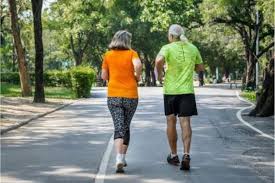
Walking After Meals: The Timing Advantage
The most significant recent insight in the relationship between walking and blood sugar control is the profound impact of walking timing relative to meals. Postprandial glucose — the blood sugar rise that occurs 30–90 minutes after eating — is a major driver of glycemic variability, beta-cell stress, and long-term insulin resistance progression in both prediabetes and established Type 2 diabetes. Walking during the postprandial window — within 30–60 minutes after eating — intercepts this glucose peak at its source, using the meal-derived glucose as immediate fuel for walking muscle contraction before it can accumulate in the bloodstream.
A landmark 2022 study published in Sports Medicine compared the glucose-lowering effects of pre-meal versus post-meal walking and found that post-meal walking produced 24-hour glucose reductions 17% greater than equivalent walking performed in the fasted state. A separate study comparing a single 30-minute morning walk with three 10-minute post-meal walks of identical total duration found the post-meal walking protocol produced significantly greater reductions in postprandial glucose peaks despite identical total exercise time — because the post-meal walks intercepted three separate glucose peaks throughout the day rather than one morning exercise bout followed by 8–12 hours of predominantly sedentary behavior. The optimal post-meal walking window is 15–30 minutes after finishing eating — waiting too long allows the glucose peak to occur unchecked, while exercising immediately after eating can cause discomfort. Our guide on exercise after meals and blood sugar covers the complete research on post-meal exercise timing across different exercise modalities.
Walking for Different Glucose Conditions
The specific blood sugar benefits of walking vary by the underlying glucose condition, and understanding this context helps individuals calibrate their walking program to their specific needs:
Prediabetes
For adults with prediabetes (fasting glucose 100–125 mg/dL or HbA1c 5.7–6.4%), regular walking is one of the two primary interventions (alongside dietary change) for preventing progression to Type 2 diabetes. The DPP lifestyle intervention’s walking component — targeting 10,000 steps per day or 150 minutes per week of brisk walking — achieved 58% lower diabetes incidence. Walking specifically reduces the postprandial glucose excursions that are exaggerated in prediabetes and drive the accelerated insulin resistance that leads to beta-cell exhaustion and eventual Type 2 diabetes. Our guide on prediabetes symptoms and prevention covers the complete management framework for prediabetes in which walking is a central intervention.
Type 2 Diabetes
In established Type 2 diabetes, walking improves HbA1c by an average of 0.5–0.7% in meta-analyses of randomized controlled trials — an effect comparable to adding a second oral glucose-lowering medication. Walking also reduces fasting glucose, improves postprandial glucose control, reduces insulin resistance, and contributes to the cardiovascular risk reduction that is a primary treatment goal in Type 2 diabetes. For people with Type 2 diabetes on insulin or sulfonylureas, monitoring blood glucose before walking and carrying fast-acting carbohydrates (glucose tablets, juice) for hypoglycemia management is important, particularly for longer walking sessions. The American Diabetes Association’s walking guidance covers diabetes-specific safety considerations for exercise.
Healthy Adults Seeking Prevention
For healthy adults without established glucose abnormalities who are walking to maintain metabolic health and prevent future diabetes risk, the evidence supports substantial benefit at all levels of walking volume above the sedentary baseline. Even light walking — 7,500–8,000 steps per day compared to fewer than 5,000 steps — is associated with 20–25% lower all-cause mortality, lower cardiovascular event rates, and reduced diabetes incidence in prospective studies. The optimal step count target for healthy adults appears to be approximately 8,000–10,000 steps per day, with benefits increasing up to approximately 10,000 steps before plateauing in most studies of metabolic outcomes.
Building a Walking Habit for Long-Term Blood Sugar Control
The gap between knowing that walking benefits blood sugar and actually walking consistently for years is bridged by habit formation strategies that make walking automatic rather than effortful:
- Anchor walking to existing routines: Attaching a walk to a consistent daily anchor (after breakfast, during lunch break, after dinner) creates a “habit stack” that leverages existing routine cues rather than requiring fresh willpower each day. Research on habit formation shows that behavior anchored to an existing routine requires less motivation to initiate and is significantly more likely to persist over months and years.
- Use a step counter or fitness tracker: Objective step counting through a pedometer, fitness tracker, or smartphone health app provides the feedback loop that motivates sustained walking behavior. DPP participants who used pedometers achieved significantly higher step counts than those who did not, and research from multiple weight management studies shows that people with access to objective activity data perform 20–25% more physical activity than those who rely on self-estimation.
- Start below your capacity: Beginning with a manageable daily walk (15–20 minutes) that feels easy rather than ambitious ensures near-perfect initial adherence that builds walking as an established identity before ramping up duration and frequency. Starting too aggressively leads to missed days, guilt, and the all-or-nothing thinking that derails most exercise programs.
- Walk with others when possible: Social walking — with a partner, friend, family member, or walking group — improves adherence by adding social accountability, making walking time enjoyable rather than purely instrumental, and transforming walking from a health obligation to a social activity.
For adults with diabetes or prediabetes seeking integrated guidance on walking within a comprehensive glucose management program, the NIDDK’s diabetes exercise guide and the CDC National Diabetes Prevention Program provide structured support. Our guide on weight management and diabetes prevention covers how walking contributes to the modest weight loss that amplifies walking’s direct glucose benefits. For adults with foot complications from diabetes, our guide on diabetes and foot health covers the footwear selection, foot inspection practices, and walking surface considerations that make safe walking possible with neuropathy or foot vulnerabilities.
Walking Intensity: Does Pace Matter for Blood Sugar?
One of the most practically important questions for people using walking specifically to control blood sugar is whether walking pace significantly affects glucose-lowering outcomes — and the evidence is clear that it does. Brisk walking (3.0–3.5 mph) produces approximately twice the acute blood glucose reduction compared to slow casual walking (2.0–2.5 mph) for the same duration, because greater muscle fiber recruitment and higher heart rate at faster paces activate more GLUT4 transporters and deplete more muscle glycogen. However, the relationship is not linear at higher intensities: very fast walking or running can trigger catecholamine release (particularly epinephrine) that stimulates hepatic glycogenolysis — releasing liver glucose stores into the bloodstream and temporarily raising blood glucose before the larger overall exercise effect produces a net reduction. For most people with prediabetes or Type 2 diabetes, brisk (not strenuous) walking represents the optimal intensity for maximizing net glucose-lowering effect per unit of time.
Nordic walking — brisk walking using bilateral trekking poles that engage the upper body in a cross-country-skiing-like motion — activates 20–30% more muscle mass than conventional walking, producing proportionally greater blood glucose reduction per unit of time and higher caloric expenditure. Several studies in adults with Type 2 diabetes show Nordic walking produces significantly greater HbA1c reduction (average 0.8–1.0%) than conventional walking over 12 weeks, at the same subjective effort level — making it a particularly effective walking variant for people seeking enhanced glucose benefit from the same time investment. Nordic walking poles are widely available at outdoor retailers and require a brief learning period for proper technique but otherwise need no prior fitness experience.
Interval walking — alternating 1–3 minute periods of brisk (70–80% of maximum heart rate) walking with equal or shorter recovery periods at moderate pace — has been shown in Danish and Japanese trials to produce superior HbA1c reduction compared to continuous moderate-pace walking of the same duration in adults with Type 2 diabetes. The interval approach increases total energy expenditure, produces greater post-exercise insulin sensitization than steady-state exercise, and adds variety that many people find more engaging and sustainable than monotonous steady-pace walking. Starting with a simple ratio of 1 minute brisk / 2 minutes moderate for a 20–30 minute walk, then progressing to 2 minutes brisk / 1 minute moderate over 4–6 weeks, provides a structured progression into interval walking without requiring precise heart rate monitoring.
Combining Walking With Other Lifestyle Strategies for Blood Sugar
Walking produces its largest blood sugar control benefits when integrated with the other lifestyle behaviors that collectively determine glucose metabolism — rather than used in isolation as a standalone intervention. The complementary interactions are important:
- Walking + dietary quality: Eating a low-glycemic meal (high fiber, moderate protein, healthy fat) before walking reduces the postprandial glucose peak that walking then acts on — making the combined dietary-exercise effect greater than either intervention alone. Conversely, walking after a high-glycemic meal (refined carbohydrates, sugary beverages) still produces benefit but starts from a higher postprandial glucose baseline. Our guide on prediabetes reversal through lifestyle changes covers the integrated dietary and exercise approach to glucose normalization.
- Walking + weight loss: Walking contributes to the caloric deficit that drives weight loss, and weight loss (particularly visceral fat reduction) further improves insulin sensitivity — creating a reinforcing cycle where walking improves glucose control both directly (through acute insulin sensitization) and indirectly (through supporting the weight loss that permanently reduces baseline insulin resistance). Our guide on weight management and diabetes prevention covers how walking’s caloric expenditure contribution to weight management amplifies its direct glucose benefits.
- Walking + sleep: Regular walking improves sleep quality through multiple mechanisms (reduced stress hormones, improved circadian rhythm entrainment, reduced anxiety), and adequate sleep in turn improves the insulin sensitivity that makes walking more metabolically effective. This bidirectional relationship means that adults who address both walking and sleep quality simultaneously achieve better glucose outcomes than those who optimize only one factor. Our guide on sleep habits and diabetes prevention covers the sleep-glucose relationship in detail.
- Walking + resistance training: Adding 2–3 resistance training sessions per week to a regular walking program produces significantly greater HbA1c reduction and insulin sensitivity improvement than either modality alone, because the mechanisms of glucose benefit are complementary rather than overlapping. Our guide on strength training and insulin sensitivity covers how to combine resistance training with a walking program for maximal metabolic benefit.
Walking is unique among all blood sugar control interventions in its accessibility — requiring no equipment, no gym membership, no special skill, and no financial investment, while providing blood glucose reductions comparable in magnitude to pharmaceutical intervention when performed consistently and strategically. The evidence base across prediabetes, Type 2 diabetes, and cardiovascular risk reduction consistently identifies regular brisk walking as one of the highest value-per-effort health behaviors available to any adult — and its specific blood sugar control benefits make it particularly essential for the approximately 130 million American adults currently living with prediabetes or Type 2 diabetes. The Mayo Clinic’s diabetes exercise guide and the NIDDK’s diabetes complication prevention resources provide additional clinical perspective on walking as a cornerstone of evidence-based glucose management.
Special Considerations: Walking With Diabetes Complications
Adults living with established Type 2 diabetes who want to use walking for blood sugar control should be aware of several diabetes-specific considerations that do not apply to prediabetic or healthy adults:
- Peripheral neuropathy and foot care: Diabetic peripheral neuropathy reduces pain sensation in the feet, making it possible to sustain pressure ulcers, blisters, or stress fractures from walking without realizing it. Daily foot inspection before and after walking — examining the soles, between toes, and heel — and wearing properly fitted, cushioned walking shoes with seamless socks are essential safety practices. Our guide on diabetes and foot health covers foot care and footwear selection for safe walking with neuropathy in detail.
- Hypoglycemia management: Adults with Type 2 diabetes on insulin or sulfonylureas (glipizide, glimepiride) should check blood glucose before a walking session and carry fast-acting carbohydrates (glucose tablets, 4 oz juice) during walks longer than 20–30 minutes. Blood glucose below 100 mg/dL before walking is a signal to consume 15–20g of fast-acting carbohydrates before beginning, to avoid hypoglycemia during the session. People using continuous glucose monitoring can watch for glucose trends during walking and respond proactively to falling glucose before it reaches hypoglycemic levels.
- Retinopathy and vigorous exercise: Adults with severe proliferative diabetic retinopathy should avoid high-intensity or high-impact exercise (including strenuous walking on uneven terrain) due to risk of vitreous hemorrhage. Moderate brisk walking on level surfaces is generally safe; individual guidance from an ophthalmologist or endocrinologist is appropriate for those with known severe retinopathy. Our guide on diabetes and eye health covers the retinopathy screening and progression monitoring that informs safe exercise choices.
- Cardiovascular screening: Adults with long-standing Type 2 diabetes or multiple cardiovascular risk factors should discuss their exercise program with a healthcare provider before significantly increasing walking intensity or duration, as silent cardiac ischemia is more prevalent in people with diabetes than in the general population. Once cleared, regular walking reduces cardiovascular risk — but an initial medical evaluation ensures that exercise recommendations are appropriately tailored to individual cardiovascular status.
For the vast majority of adults with prediabetes and most people with well-controlled Type 2 diabetes, brisk walking poses no meaningful risks and provides substantial blood sugar control benefits that outweigh any theoretical concerns. The combination of walking’s accessibility, safety profile, and robust evidence base for blood glucose reduction makes it the first-line exercise recommendation for virtually every adult seeking better glucose control — and the single most impactful lifestyle change available to the many adults with prediabetes who may not yet be aware of how powerfully regular walking can protect their metabolic health.
Sources: Colberg SR, et al. “Physical Activity/Exercise and Diabetes: A Position Statement of the ADA.” Diabetes Care 2016. | Reynolds AN, et al. “Advice to walk after meals is more effective for lowering postprandial glycaemia in type 2 diabetes than advice that does not specify timing.” Diabetologia 2016. | American Diabetes Association — Fitness Resources. | Umpierre D, et al. “Physical activity advice only or structured exercise training and HbA1c levels in type 2 diabetes.” JAMA 2011. | American Diabetes Association. “Standards of Medical Care in Diabetes 2024.” Diabetes Care 2024.
Finally a resource that explains walking and blood sugar control in plain language. The connection between lifestyle choices and long-term outcomes is explained clearly here. Appreciate the effort that went into researching and writing this — it shows.
My doctor recommended I look into walking and blood sugar control and this article covered it perfectly. This is the kind of evidence-based writing that actually changes how people approach their health. Shared this with three friends who are dealing with related issues. Very useful resource.
I never fully understood walking and blood sugar control until I read this. The connection between lifestyle choices and long-term outcomes is explained clearly here. This is going into my health folder that I bring to every doctor’s visit.