
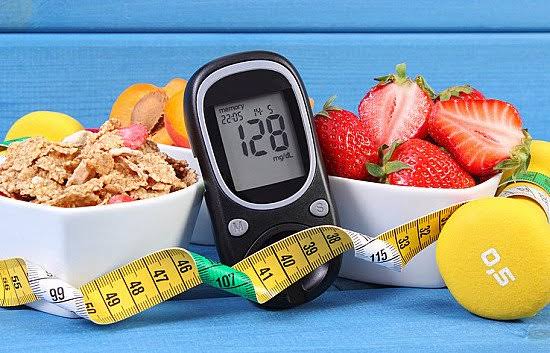
Managing diabetes long-term is fundamentally a habit problem, not a knowledge problem. Most adults with diabetes know what they should be doing — checking blood sugar, taking medication consistently, choosing lower-glycemic foods, exercising regularly, sleeping adequately. The gap between knowing and doing is where diabetes management either succeeds or fails. That gap is closed not by more information or stronger willpower, but by building the right habits — specific, automatic behaviors that occur without requiring repeated conscious decision-making. This guide covers the evidence-based habit science framework that makes lasting diabetes behavior change realistic for adults managing a lifelong condition.
The reason most diabetes habit-change attempts fail is not lack of motivation. It is that they are designed incorrectly — too large, too vague, or disconnected from the behavioral science that explains how habits actually form and sustain in the human brain. Understanding that science changes the approach and improves the outcome.

The Science of Habit Formation — Applied to Diabetes
Habits are neural pathways — sequences of behavior that, through repetition, become encoded in the basal ganglia as automatic routines. When a habit is fully formed, the behavior occurs in response to a trigger (cue) without requiring conscious decision-making — the same way brushing teeth occurs automatically in the morning without deliberating about whether to do it. This automaticity is the goal of diabetes habit formation: moving self-care behaviors from the deliberate, effortful category to the automatic category, where they no longer compete with other demands for limited cognitive and motivational resources.
The Habit Loop — Cue, Routine, Reward
Every habit follows the same three-component structure: a cue (a trigger that initiates the behavior), a routine (the behavior itself), and a reward (the positive outcome that reinforces the neural pathway). For a new diabetes habit to form, all three components must be deliberately designed. The cue must be specific and consistent — occurring at the same time, in the same context, reliably. The routine must be clear and executable — beginning with a version simple enough that it can be performed even on a low-energy day. The reward must be immediate — the brain’s reward system responds to immediate consequences far more strongly than delayed ones.
The most common failure in diabetes habit formation is designing the routine without the cue. “I will exercise more” fails because there is no cue — no specific trigger that tells the brain when to initiate the behavior. “I will do 10 minutes of walking immediately after breakfast, before clearing the table” succeeds because the cue (clearing the table) is specific and reliably follows the anchor event (breakfast). The routine is attached to an existing behavior — which already has a neural pathway — making the new habit parasitic on an established one rather than requiring the brain to create an entirely new initiation sequence. Our blood sugar log and tracking guide covers specific cue-routine structures for glucose monitoring that attach the check to established meal and medication routines.
Habit Stacking — Attaching New Behaviors to Existing Ones
Habit stacking is the technique of linking a new behavior to an existing habit — using the existing habit as the cue for the new one. The format is: “After [existing habit], I will [new diabetes habit].” This structure leverages the neural pathway of the existing habit to trigger the new one. Examples specific to diabetes management:
- “After I make my morning coffee, I will check my blood glucose.”
- “After I brush my teeth at night, I will take my evening medication.”
- “After I sit down for lunch, I will log my meal in my food tracking app.”
- “After I park at work, I will walk the long route to the entrance (3 extra minutes).”
- “After the evening news ends, I will prepare my blood sugar log for tomorrow.”
Each of these examples uses an existing, reliable daily event as the cue for a new diabetes self-care behavior. The existing event provides the initiation signal that the new habit needs — removing the requirement for a separate, effortful decision to begin the behavior each day.
Choosing the Right Habits — Start Small and Specific
The Minimum Viable Habit Principle
The most effective starting point for a new diabetes habit is smaller than most adults expect. The goal is not to begin with the ideal version of the habit — it is to begin with the smallest version that still counts as doing the thing. The minimum viable habit for blood glucose monitoring is not “check glucose four times daily and log everything in a CGM app.” It is “check glucose once, at the same time every day.” The minimum viable habit for exercise is not “30 minutes of moderate aerobic activity five days per week.” It is “put on exercise shoes and walk for 5 minutes after dinner.” The minimum viable habit for dietary improvement is not “track every carbohydrate gram for every meal.” It is “replace one side dish per day with a non-starchy vegetable.”
Small starting habits do two things that larger ones cannot. They build successfully — the behavioral evidence that you can do the thing is psychologically reinforcing in a way that repeated failure to do a large habit is not. And they are executable on low-energy days — the days when motivation is absent and diabetes management feels hardest. A habit that requires full motivation to perform will not be performed on low-motivation days — which means it will fail to build the repetition required for automaticity. A habit small enough to execute on the worst day builds consistently enough to become automatic.
Which Habits Have the Highest Glycemic Impact?
Not all diabetes habits produce equal glucose benefit. The habits with the highest evidence-based impact on blood glucose control — and therefore the highest priority for adults building a diabetes habit system — are:
- Consistent medication timing: Taking medication at the same time daily — using the same cue — produces more stable glucose levels than irregular timing, even at the same dose.
- Post-meal movement: A 10-minute walk within 30 minutes after eating reduces post-meal glucose spike by 30–50 mg/dL in research studies. The habit is small, requires no equipment, and has a large glycemic effect. Our walking after meals for blood sugar guide covers the mechanism and the specific timing protocol for maximum post-meal glucose benefit.
- Regular sleep timing: Going to bed and waking at consistent times — even on weekends — significantly improves glucose regulation through cortisol and insulin sensitivity pathways. Our diabetes and sleep practical guide covers the specific sleep timing habits that most strongly affect morning fasting glucose.
- Stress management practice: A daily 5–10 minute stress reduction practice — breathing, progressive muscle relaxation, or brief mindfulness — reduces cortisol-driven glucose elevation and improves insulin sensitivity over weeks. Our stress eating and blood sugar guide covers the cortisol mechanism and practical daily stress management protocols for adults with diabetes.
- Daily glucose monitoring: Regular monitoring provides the feedback that makes all other self-care behaviors more effective — showing what works and what needs adjustment in real time.
The Four-Week Habit Formation Protocol
Week 1 — One Habit Only
Choose one habit from the high-impact list above. Design its cue, routine, and reward explicitly. Write the habit formula: “After [cue], I will [routine], then immediately [reward].” The reward must be immediate and genuinely enjoyable — not “I will feel better about my health” (too abstract and delayed), but “I will make a cup of tea I enjoy” or “I will watch one episode of a show I like.” Track the habit daily with a simple checkmark — paper or app. Perform only this one habit change in week 1. Adding multiple habits simultaneously reduces the success rate of each. The behavioral research on habit formation is consistent on this point: serial habit addition (one at a time, consolidated before the next is added) produces more sustained habits than parallel habit addition (multiple new habits at once).
Week 2 — Consolidate and Evaluate
Continue the week 1 habit. Evaluate the tracking record. If the habit was performed 5 or more days out of 7, it is consolidating. If it was performed fewer than 5 days, identify the specific obstacle — timing, context, reward inadequacy — and modify one element before continuing. Do not add a second habit yet. Week 2 is for strengthening the first habit’s neural foundation, not expanding the system.
Weeks 3–4 — Add the Second Habit
Once the first habit is performing at 6–7 days per week consistently, add a second habit using the same cue-routine-reward design. Continue tracking both. By week 4, the first habit should require significantly less deliberate effort — the early indicators of automaticity developing. The second habit will still feel effortful — that is appropriate at 2 weeks of formation. Continue both habits through week 4 before evaluating whether to add a third. The full transition to automaticity typically takes 66 days on average (Lally et al., 2010, European Journal of Social Psychology) — though this varies from 18 to 254 days depending on habit complexity. The four-week protocol establishes a foundation. Consistency beyond four weeks completes the automaticity.
When Habits Break Down — Recovery Without Shame
Inevitable Disruption — The Planning Fallacy in Habit Formation
Every diabetes habit system will experience disruption — illness, travel, family emergencies, work crises, and life transitions interrupt even well-established routines. The planning fallacy in habit formation is assuming that the habit will build smoothly without interruption. Adults who treat the first significant disruption as evidence that the habit has failed — and abandon the system — lose progress that could have been recovered in 3–5 days of resumed consistency. Adults who treat disruption as expected — and plan for recovery in advance — sustain their habits through the inevitable interruptions that life produces.
The Recovery Plan — Designed in Advance
When the disruption ends, return to the minimum viable version of the habit immediately. Do not attempt to compensate for missed days by doubling up. Do not restart from scratch with a revised plan. Resume the established routine at its smallest executable version — one glucose check, five minutes of walking, one vegetable substitution — and let consistency rebuild from that foundation. Our traveling with diabetes guide covers the minimum viable diabetes habit set that maintains essential self-care behaviors during travel — the highest-disruption environment that adults with diabetes regularly encounter. Our sick-day planning for diabetes guide covers the illness-period habit adaptation that maintains glucose safety while reducing non-essential self-care demands during the physiologically stressful period of acute illness. The diabetes burnout that results from habit systems built on perfectionism rather than flexibility — and its recovery — is in our diabetes burnout guide. The family support framework that creates a habit-supportive home environment — through genuinely helpful rather than critical family involvement — is in our family support for diabetes management guide. The emotional health and diabetes management framework that addresses the psychological component of habit breakdown — particularly when disruption triggers self-critical thinking rather than neutral recovery planning — is in our emotional health and diabetes management guide. The annual care review that tracks habit consistency alongside clinical metrics — providing the long-term data that shows which habits are sustaining and which need redesign — is in our annual diabetes care checklist. The ADA’s healthy living and fitness resources cover evidence-based behavior change strategies for adults with diabetes across physical activity, nutrition, and self-management domains. The NIDDK’s diabetes management overview integrates lifestyle habit change within the comprehensive clinical diabetes management framework. The CDC’s living with diabetes resources cover the behavioral change framework for adults managing diabetes long-term, including habit development and sustainability strategies.
Social Accountability and Habit Tracking
Why External Accountability Accelerates Habit Formation
Social accountability — telling someone else about a new habit commitment — increases the probability of habit follow-through by 65% compared to private intention alone. External accountability works through two distinct mechanisms. First, it increases the social cost of not performing the habit — the discomfort of reporting failure to another person. Second, it increases the social reward of performing it — the positive experience of reporting success. Both effects are independent of the habit’s direct health benefit, which means they add motivational force during the early formation period when the habit has not yet become intrinsically rewarding through automaticity. The accountability partner does not need to share the diabetes diagnosis — only to check in regularly on the committed habit. Our family support for diabetes management guide covers how to ask family members for accountability support that is genuinely helpful rather than critical or pressuring.
Habit Tracking Tools — Simple Beats Sophisticated
The most effective habit tracking system is the one that gets used consistently — not the most feature-rich one. For most adults, a simple paper-based habit tracker — a grid with dates on one axis and habit names on the other, marked with a checkmark daily — outperforms sophisticated apps in sustained use. The paper tracker is immediately accessible, requires no login, cannot be dismissed by a notification setting, and produces the visual chain of consecutive checkmarks that behavioral researchers call “the streak effect.” The streak effect is a powerful motivational mechanism — the visible record of consecutive days creates a specific motivation not to break the chain. Missing a day becomes more aversive as the chain grows longer. Adults who have tracked a habit for 21 consecutive days experience significantly higher dropout if they miss a day than they would have at day 3 — because the chain has become worth protecting. This effect is free, requires no technology, and works by design in the human reward system.
Digital Tracking — When Apps Help
Digital habit tracking apps provide value in specific circumstances. Adults who travel frequently — where paper trackers can be forgotten or damaged — benefit from smartphone-based tracking that persists across locations. Adults who track multiple metrics simultaneously — glucose, steps, sleep, medication, meals — benefit from apps that consolidate tracking in one interface. Adults who respond well to data visualization — seeing weekly or monthly habit adherence rates — benefit from apps that generate progress charts. The limitation of digital tracking is the same as all smartphone apps: notification fatigue, app switching friction, and the ease of disabling reminders when motivation is low. Paper removes these barriers at the cost of analytical depth. Most adults benefit from beginning with paper tracking and transitioning to digital only if the paper system consistently fails at a specific point in the tracking workflow. Our blood sugar log and tracking guide covers the integration of habit tracking with glucose monitoring — using the daily glucose check as a habit anchor that structures the timing of other daily self-care habits around it.
Adjusting Habits for Different Diabetes Scenarios
Habits During Illness — The Minimum Viable Maintenance Set
Acute illness disrupts all established routines simultaneously. Sleep is irregular. Appetite is suppressed. Normal daily structure collapses. For adults with diabetes, illness also creates glycemic instability — making the glucose monitoring habit more important, not less, while making adherence to food-based and activity-based habits difficult or impossible. During illness, the appropriate approach is to reduce the habit set to the minimum viable maintenance set: medication adherence, glucose monitoring (increased frequency during illness), and fluid intake. Food and activity habits should be suspended during active illness without self-judgment. The sick-day plan that maintains glucose safety during illness while suspending non-essential habits is in our sick-day planning for diabetes guide. After illness resolves, resume suspended habits at their minimum viable version — not at the pre-illness level — and allow consistency to rebuild over 5–7 days before increasing intensity.
Habits During High-Stress Periods
Work crises, family emergencies, and major life transitions create periods of sustained high stress that compete directly with the cognitive and emotional resources that habit performance requires. During high-stress periods, the same minimum viable maintenance approach applies: preserve the two or three most glucose-critical habits and suspend the rest. The critical habits during stress are medication adherence, basic glucose monitoring, and one brief stress management practice — because cortisol from unmanaged stress directly elevates glucose, making stress management a glycemic intervention during these periods, not a luxury. The cortisol mechanism and its direct blood glucose effect during chronic stress are covered in our stress eating and blood sugar guide. The emotional health framework for sustaining self-care through high-stress periods without falling into the burnout that sustained stress can produce is in our emotional health and diabetes management guide. The diabetes burnout guide — which covers recovery from the habit system collapse that extended high-stress periods can cause — is in our diabetes burnout guide. The traveling with diabetes approach — which applies the same minimum viable habit set principle to travel environments — is in our traveling with diabetes guide. The annual care review that evaluates long-term habit sustainability alongside clinical metrics is in our annual diabetes care checklist. The ADA’s healthy living resources cover evidence-based behavior change for adults with diabetes, including physical activity, nutrition, and self-management habit development. The CDC’s living with diabetes behavioral resources cover the full scope of lifestyle habits that support diabetes management across exercise, nutrition, stress, and sleep domains.
Habit Identity — Thinking Like a Person Who Manages Diabetes Well
Identity-Based vs. Outcome-Based Habit Formation
Most adults approach diabetes habit formation from an outcomes-based perspective: “I want to lower my A1C” or “I want to lose 15 pounds.” Outcomes-based motivation is effective initially — it provides direction and a clear success metric. But it is fragile over time. When the outcome is slow to arrive, motivation erodes. When the outcome fluctuates — an A1C that rises despite consistent effort, or weight that plateaus — the motivation that was based on that outcome collapses with it.
Identity-based habit formation is more durable. It starts from the inside out — from a belief about who you are, rather than a goal you want to achieve. Instead of “I am trying to exercise more,” the identity-based frame is “I am a person who moves after meals.” Instead of “I am trying to check my blood sugar,” it is “I am a person who monitors my glucose consistently.” Each successful habit performance becomes evidence for the identity, and the identity motivates future performance. The habit and the self-concept reinforce each other — creating a self-sustaining cycle that survives outcome fluctuations because its foundation is not the result, but the behavior itself.
Building the Diabetes Self-Management Identity
Identity shift in habit formation happens gradually through accumulated behavioral evidence. Every time you take your medication at the established time, you cast a vote for the identity “I am a person who takes my medication consistently.” Every time you do the post-meal walk, you cast a vote for “I am a person who moves after eating.” Every habit performance, even imperfect ones, adds evidence for the identity. And conversely: every time a deliberate habit choice is made — choosing the salad over the fries, pausing before stress-eating, doing the glucose check despite not wanting to — the identity grows stronger. The goal of the first 90 days of habit building is not primarily glucose improvement. It is accumulating enough behavioral evidence to change the self-concept from “someone who struggles with diabetes self-care” to “someone who manages their diabetes.” Once that identity shift occurs, habit maintenance becomes substantially easier because it is self-concept maintenance — which humans are powerfully motivated to sustain. Our emotional health and diabetes management guide covers the psychological self-concept work that supports this identity shift — particularly for adults whose sense of self has been negatively affected by years of perceived self-care struggle.
Sources: Lally P et al. How are habits formed: Modelling habit formation in the real world. European Journal of Social Psychology 2010; Duhigg C. The Power of Habit. 2012; American Diabetes Association Standards of Care in Diabetes 2024; Clear J. Atomic Habits. 2018; NIDDK Diabetes Management Overview 2024; CDC Living With Diabetes 2024.
Thank you for covering building healthy habits with diabetes so thoroughly without being overly technical. The practical tips made this immediately actionable, not just theoretical. This is exactly why I prefer this website over generic health platforms.
I shared this article on building healthy habits with diabetes with my doctor and they appreciated the level of detail. The connection between lifestyle choices and long-term outcomes is explained clearly here. This is going into my health folder that I bring to every doctor’s visit.
I never fully understood building healthy habits with diabetes until I read this. The practical tips made this immediately actionable, not just theoretical. Will definitely be coming back to this site for more health information.