
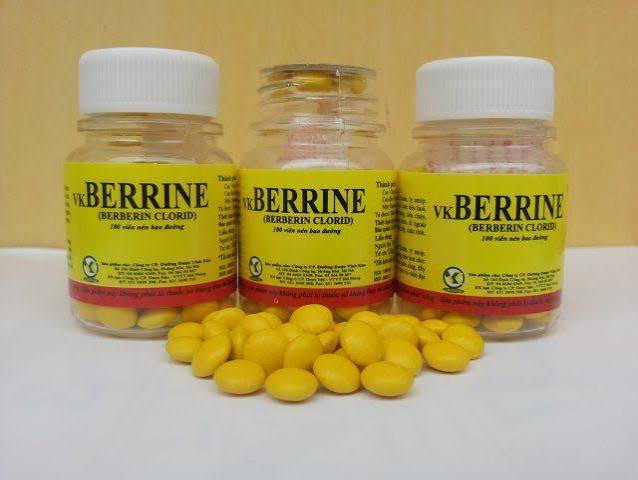
Among the supplements marketed for blood sugar management, berberine stands out for having the strongest and most replicated clinical evidence for glucose reduction. Multiple meta-analyses of randomized controlled trials — the highest quality evidence level — have found that berberine reduces fasting glucose, post-meal glucose, and HbA1c by amounts that are clinically meaningful. These effects have led to comparisons with metformin, the first-line medication for Type 2 diabetes. Those comparisons are real in some contexts and require important qualification in others. Berberine also carries significant drug interaction risks that make it inappropriate for some adults to use without care team supervision — risks that are rarely disclosed as clearly as the glucose benefits are marketed. This guide covers the mechanism, the evidence, the interactions, and the practical framework for adults considering berberine for blood sugar management.
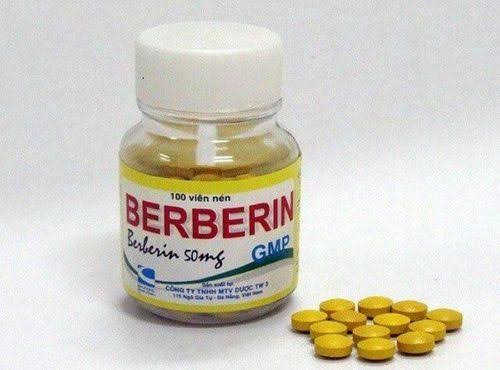
What Is Berberine and Where Does It Come From?
Botanical Sources and Historical Use
Berberine is a quaternary ammonium alkaloid — a naturally occurring plant compound — found in the roots, stems, and bark of several plant species including Berberis vulgaris (barberry), Berberis aristata (Indian barberry), Hydrastis canadensis (goldenseal), Coptis chinensis (Chinese goldthread), and Mahonia aquifolium (Oregon grape). The bright yellow color characteristic of these plant parts comes from berberine itself. Berberine has been used in traditional Chinese medicine (TCM) and Ayurvedic medicine for over 2,500 years — initially for gastrointestinal conditions, antimicrobial effects, and fever reduction. Its investigation for blood glucose management is more recent — driven by observations that diabetic patients in TCM contexts using berberine-containing preparations showed improved glucose control, which prompted systematic pharmacological investigation beginning in the 1980s and accelerating significantly in the 2000s.
The AMPK Mechanism — Why Berberine Works Like Metformin
Berberine’s primary mechanism for glucose reduction is activation of AMP-activated protein kinase (AMPK) — a cellular energy-sensing enzyme that regulates glucose and lipid metabolism. AMPK activation occurs when cellular energy is low (high AMP:ATP ratio) and triggers a cascade of metabolic responses: increased glucose uptake by muscle cells through GLUT4 transporter translocation, decreased hepatic glucose production (gluconeogenesis), improved insulin receptor sensitivity, and activation of fatty acid oxidation. Metformin — the most widely prescribed diabetes medication in the world — works through a similar AMPK activation pathway, which is the primary basis for the metformin comparison. Berberine appears to activate AMPK through mild inhibition of mitochondrial Complex I — the same mechanism proposed for metformin, though at different receptor-level specificity. Beyond AMPK, berberine also slows intestinal carbohydrate digestion and absorption — by inhibiting alpha-glucosidase enzymes that break down complex carbohydrates in the gut — adding a mechanism similar to acarbose (a diabetes medication that works purely through this intestinal mechanism). This multi-mechanism action — AMPK activation plus alpha-glucosidase inhibition — may explain why berberine’s clinical effects appear somewhat stronger than supplements working through a single mechanism.
Clinical Trial Evidence — What the Research Shows
The Meta-Analysis Evidence — HbA1c and Fasting Glucose
The 2012 meta-analysis by Dong et al. in Evidence-Based Complementary and Alternative Medicine — covering 14 randomized trials with 1,068 participants — found that berberine reduced HbA1c by an average of 0.9% and fasting blood glucose by 20.5 mg/dL compared to placebo or lifestyle change in adults with Type 2 diabetes. A 2019 meta-analysis in the Journal of Ethnopharmacology covering 46 randomized trials found broadly consistent results: significant reductions in fasting glucose, post-meal glucose, and HbA1c across studies, with better effects in patients with higher baseline glucose levels. A head-to-head trial comparing berberine directly to metformin found comparable HbA1c reduction between 500 mg berberine three times daily and 500 mg metformin three times daily over 3 months. This comparison trial — which generated significant popular attention — should be interpreted carefully: it was a single trial in a specific Chinese population, it compared to a relatively low metformin dose, and it has not been replicated with equivalent methodology in Western populations.
Post-Meal Glucose and Triglycerides
Beyond fasting glucose and HbA1c, berberine shows consistent effects on post-meal glucose elevation — reducing the glucose spike after meals by slowing intestinal carbohydrate absorption through alpha-glucosidase inhibition. This mechanism is particularly relevant for adults whose post-meal glucose spikes are the primary driver of elevated HbA1c — which is common in adults with early-to-moderate Type 2 diabetes whose fasting glucose is only modestly elevated. Berberine also consistently reduces triglycerides across trials — with some meta-analyses showing reductions comparable to low-dose statin therapy for triglycerides — through AMPK-mediated improvement in lipid metabolism. This lipid effect may provide additional cardiovascular benefit beyond glucose reduction, though the cardiovascular outcome evidence is not as strong as for established medications. Our blood sugar log and tracking guide covers post-meal glucose monitoring — the measurement approach that detects whether berberine’s post-meal glucose effect is occurring in an individual’s data.
Drug Interactions — The Most Important Safety Consideration
CYP3A4 and P-glycoprotein Inhibition
Berberine significantly inhibits two major drug clearance systems: CYP3A4 (a cytochrome P450 enzyme responsible for metabolizing approximately 50% of all clinical drugs) and P-glycoprotein (a drug efflux transporter that removes drugs from cells and tissues). By inhibiting these systems, berberine increases blood levels of many medications — sometimes to toxic or supratherapeutic ranges — without any dose change to those medications. Drugs metabolized primarily by CYP3A4 include: many statins (particularly simvastatin and lovastatin — whose levels can increase 2–5 fold with berberine), many immunosuppressants (cyclosporine, tacrolimus), many HIV medications, many calcium channel blockers, and several cardiac medications. Adults taking any of these medications should not take berberine without explicit guidance from the prescribing physician or pharmacist who has reviewed the interaction for their specific drug and dose. This is not a theoretical concern — case reports of statin-induced rhabdomyolysis (muscle breakdown) precipitated by berberine-statin interactions exist in the medical literature.
Additive Glucose Lowering With Diabetes Medications
Adults already on diabetes medication — particularly insulin or sulfonylureas — who add berberine at standard doses face a real risk of additive hypoglycemia. Berberine produces clinically meaningful glucose reduction. Adding that reduction to the glucose reduction already produced by insulin or sulfonylureas can bring glucose below target — sometimes significantly below. Adults on these medications who choose to try berberine should: start at half the standard dose (250 mg once daily rather than 500 mg three times daily), increase monitoring frequency to detect any additive lowering effect, and inform their care team so medication dose adjustments can be made if glucose improves significantly. Our supplement safety for people with diabetes guide covers the full interaction framework — including how to structure the care team conversation about berberine specifically, what monitoring frequency is appropriate, and when to seek medication adjustment.
Practical Use — Dosing, Timing, and Gastrointestinal Effects
Standard Dosing Protocol
The most commonly studied and used dose of berberine for blood glucose management is 500 mg taken three times daily with meals — for a total of 1,500 mg per day. This dosing schedule — with meals — is important both for maximizing the alpha-glucosidase inhibition effect at the time of carbohydrate consumption and for reducing gastrointestinal side effects. Lower total doses (500–1000 mg daily) have also shown benefit in some trials but less consistently than the 1,500 mg divided dose. Most trials run for 8–16 weeks. The minimum trial period to assess individual response is 8 weeks — HbA1c reflects 3-month average glucose and requires sustained supplementation to show meaningful change. Adults who see no benefit in glucose monitoring data after 8 weeks of consistent 1,500 mg daily dosing are unlikely to be berberine responders and should discontinue rather than continuing indefinitely.
Gastrointestinal Side Effects — Common and Manageable
The most common adverse effect of berberine supplementation is gastrointestinal — nausea, loose stool, diarrhea, and abdominal cramping. These effects occur in a meaningful proportion of users, particularly at the standard 500 mg three times daily dose. They are most common in the first 1–2 weeks of use and often improve as tolerance develops. Starting at a lower dose — 250 mg once daily for the first week, then increasing to 250 mg twice daily, then to 500 mg twice daily over 2–3 weeks — reduces early gastrointestinal effects compared to starting immediately at the full dose. Taking berberine with food (rather than fasting) also reduces gastrointestinal effects by slowing absorption. If gastrointestinal effects persist beyond 3–4 weeks at full dose, reducing to the dose that is tolerated — even if below 1,500 mg total — is preferable to discontinuing entirely. The broader cinnamon evidence — for adults considering multiple supplement options with very different safety profiles — is in our cinnamon and blood sugar guide. The chromium evidence — the trace mineral supplement with insulin signaling mechanism complementary to berberine’s AMPK mechanism — is in our chromium and blood sugar guide. The magnesium evidence — the mineral supplement most likely to benefit adults with confirmed deficiency alongside berberine — is in our magnesium and blood sugar guide. The supplements for blood sugar overview that contextualizes berberine within the full supplement landscape is in our supplements for blood sugar guide. The guide on reviewing blood sugar supplements safely — covering the evaluation framework for any supplement claim — is in our guide to reviewing blood sugar supplements safely. The building healthy habits framework that positions berberine correctly as a potential adjunct to diet, exercise, and medication — not a replacement — is in our building healthy habits with diabetes guide. The annual care checklist that includes supplement review and discussion in comprehensive annual diabetes management is in our annual diabetes care checklist. The NCCIH’s independent berberine evidence summary provides non-commercial assessment of berberine research for diabetes and other health applications. The ADA’s vitamins and supplements guidance covers the evidence criteria applied to herbal and botanical supplements in diabetes management. The NIDDK’s diabetes management overview integrates supplement considerations within the comprehensive evidence-based diabetes care framework.
Berberine Bioavailability — Why the Dose Strategy Matters
Poor Oral Absorption Is a Known Limitation
Berberine has one of the lowest oral bioavailabilities of any commonly studied supplement — typically estimated at 1–5% in most pharmacokinetic studies. This means that of the 500 mg in a standard capsule, only 5–25 mg reaches systemic circulation in its unchanged form. The low bioavailability results from several concurrent factors: poor solubility in the intestinal environment, extensive first-pass metabolism in the intestinal wall and liver, and efflux by P-glycoprotein (which pumps berberine back out of intestinal cells before it can be absorbed). Despite this poor systemic absorption, berberine produces meaningful clinical effects — which are explained in part by local intestinal activity. Berberine acts on intestinal alpha-glucosidase enzymes and the intestinal microbiome before absorption, so its low systemic bioavailability does not negate these local gut effects. Additionally, berberine metabolites — particularly dihydroberberine and berberrubine, formed during intestinal and hepatic first-pass metabolism — retain some biological activity and contribute to the overall effect profile even when the parent compound is mostly metabolized before reaching circulation.
Why Three Times Daily Dosing Is Essential
The pharmacokinetic consequence of berberine’s poor bioavailability and rapid hepatic clearance is a short effective half-life — typically 2–4 hours for the parent compound in most subjects. This means that a single daily dose of 1,500 mg berberine produces a large but brief peak and extended period with low or no active berberine in tissues. Dividing the same 1,500 mg into three 500 mg doses taken at meal times maintains more consistent tissue concentrations throughout the day — particularly in the intestine, where local activity matters — and produces more stable glucose effects over 24 hours. Studies comparing once-daily versus divided dosing consistently find superior glucose outcomes with divided dosing, and single-dose protocols are not recommended for clinical use. This three-times-daily requirement is also one of the most common reasons for adherence failures in berberine users — taking a supplement three times daily at meals is significantly more demanding than once-daily dosing. Setting medication reminders or linking doses to specific meal rituals — the same time, same context every day — substantially improves adherence to this dosing schedule. Our building healthy habits with diabetes guide covers habit anchoring — the behavioral strategy that makes consistent supplement or medication timing automatic rather than effortful.
Berberine in Insulin Resistance and Metabolic Syndrome
Beyond Diabetes — Evidence in Prediabetes and Metabolic Syndrome
Most berberine clinical trials have enrolled adults already diagnosed with Type 2 diabetes. A smaller but meaningful body of evidence exists for adults with prediabetes, insulin resistance, or metabolic syndrome — the cluster of conditions including central obesity, elevated triglycerides, low HDL cholesterol, hypertension, and impaired fasting glucose that together substantially increase diabetes and cardiovascular risk. A 2008 study in the Journal of Clinical Endocrinology and Metabolism by Zhang et al. found that berberine 500 mg three times daily for 12 weeks in adults with Type 2 diabetes also significantly reduced triglycerides by approximately 35%, LDL cholesterol by approximately 25%, and blood pressure — producing effects across the full metabolic syndrome profile, not only glucose. These lipid effects — particularly the substantial LDL and triglyceride reductions — appear to be mediated through AMPK activation of hepatic PCSK9 inhibition (increasing LDL receptor expression) and improved fatty acid oxidation, respectively. For adults with full metabolic syndrome — elevated glucose plus dyslipidemia plus hypertension — berberine’s multi-target mechanism is particularly relevant, as it may address multiple components simultaneously. However, this multi-effect profile also increases the drug interaction complexity and risk: adults on statins, antihypertensives, and glucose-lowering medications who add berberine face potential interactions with all three drug classes simultaneously. The care team disclosure requirement for metabolic syndrome patients considering berberine is even more critical than for glucose-only conditions.
Gut Microbiome Effects — An Emerging Mechanism
Recent research has revealed that a significant portion of berberine’s effects may be mediated through gut microbiome modification rather than direct AMPK activation alone. Berberine — despite its poor systemic absorption — reaches high concentrations in the intestinal lumen and significantly alters the composition of the gut microbiome. Multiple animal and human studies have found that berberine increases the abundance of Akkermansia muciniphila — a bacterium associated with improved gut barrier function, reduced endotoxemia, and improved insulin sensitivity — while reducing populations of Firmicutes associated with obesity and inflammation. A 2020 study in Nature Communications demonstrated that the metabolic effects of berberine in mice were substantially dependent on an intact gut microbiome — germ-free mice with no gut bacteria showed far less metabolic improvement from berberine than conventionally raised mice. Whether this microbiome mechanism is equally important in humans remains under investigation, but it provides an additional rationale for berberine’s glucose effects that extends beyond the original AMPK-chromodulin framework. It also suggests that the composition of an individual’s baseline gut microbiome may partly explain why berberine response varies between individuals — a factor that is not routinely assessed in clinical practice but may eventually become relevant to personalized supplementation decisions.
Long-Term Use — Cycling, Tolerance, and Duration Limits
Does Tolerance Develop With Prolonged Berberine Use?
Most berberine clinical trials run for 8–16 weeks. Fewer trials have assessed effects beyond 6 months, and there is limited long-term data on whether the glucose-lowering effect is maintained indefinitely or whether tolerance — reduced effect with the same dose over time — develops with extended use. Some practitioners who use berberine clinically recommend cycling protocols — taking berberine for 8–12 weeks, then a 4-week break, then resuming — based on the theory that continuous use may downregulate AMPK sensitivity or alter the gut microbiome in ways that reduce efficacy over time. This cycling rationale is theoretical rather than evidence-based — no randomized trial has compared continuous versus cycling berberine use for long-term glucose outcomes. Adults who use berberine long-term should track glucose data carefully to detect any waning effect and should discuss duration with their care team during regular reviews. The standard diabetes monitoring framework — including HbA1c every 3 months and fasting glucose tracking — provides the data needed to assess whether berberine’s initial effect is sustained. Our blood sugar log and tracking guide covers the systematic tracking approach that allows adults to detect changes in supplement effectiveness over time — the monitoring that makes long-term supplementation decisions evidence-based rather than speculative.
Special Populations — Who Should Not Use Berberine
Pregnancy and Breastfeeding — A Clear Contraindication
Berberine is contraindicated in pregnancy. Animal studies and limited human evidence suggest that berberine crosses the placenta and may cause adverse fetal effects — including potential harm to fetal development through its AMPK activation and anti-proliferative properties. Berberine also passes into breast milk. Pregnant and breastfeeding adults should not use berberine regardless of glucose management rationale. Adults with gestational diabetes — who need blood sugar management during pregnancy — should work exclusively with their obstetric and endocrinology care team on glucose management strategies that have established safety profiles in pregnancy. Berberine is not among them, and no established safe dose in pregnancy exists.
Adults With Kidney or Liver Impairment
Because berberine inhibits CYP3A4 and P-glycoprotein — drug clearance systems heavily dependent on normal hepatic and renal function — adults with significant kidney or liver impairment may accumulate higher berberine concentrations and experience exaggerated drug interactions. Adults with chronic kidney disease stage 3 or above, or adults with hepatic insufficiency, should use berberine only under direct medical supervision with baseline and follow-up monitoring of kidney and liver function tests. The supplement safety framework covering kidney disease and liver disease contraindications for glucose-lowering supplements is in our supplement safety for people with diabetes guide. The annual care checklist covering kidney function monitoring as part of standard diabetes care — the monitoring that detects impairment that would change supplementation decisions — is in our annual diabetes care checklist. The doctor visit checklist covering how to structure the berberine discussion with a primary care provider — including which medications to mention and what monitoring to request — is in our doctor visit checklist for diabetes guide. Adults who have reviewed the evidence and decided to try berberine should bring a list of all current medications to their pharmacist for an interaction review before starting — pharmacists are the clinical resource best positioned to identify CYP3A4 conflicts that non-pharmacist practitioners may overlook.
Sources: Dong H et al. Berberine in the treatment of type 2 diabetes mellitus: a systemic review and meta-analysis. Evidence-Based Complementary and Alternative Medicine 2012; Yin J et al. Efficacy of berberine in patients with type 2 diabetes mellitus. Metabolism 2008; Zhang Y et al. Treatment of type 2 diabetes and dyslipidemia with the natural plant alkaloid berberine. Journal of Clinical Endocrinology and Metabolism 2008; NCCIH Berberine Evidence Review 2024; ADA Standards of Care in Diabetes 2024; NIDDK Diabetes Management Overview 2024.
This breakdown of berberine and blood sugar: what adults is exactly what patients need before a specialist appointment. I have tried following advice from several sources but this is most consistent with what my specialist told me. This is exactly why I prefer this website over generic health platforms.
As someone dealing with this personally, the berberine and blood sugar: what adults section was very helpful. I appreciated how the article addressed both the clinical side and the practical adjustments. Exactly the kind of evidence-based information that is hard to find in one place.
Came across this while researching berberine and blood sugar: what adults for a family member. What I liked most was that the article didn’t just say what to avoid — it also gave alternatives. This is going into my health folder that I bring to every doctor’s visit.