
Urinary health doesn’t get as much attention as cardiovascular or metabolic health — but the urinary system affects daily life in immediate, practical ways: how often you need to urinate, whether you can hold it when you need to, whether urination is painful, and whether your bladder fully empties when you go. Urinary problems — from recurrent infections to urgency and leakage — are among the most common reasons adults visit urologists, and among the most commonly underreported because they are perceived as embarrassing rather than medical. This guide explains what urinary health means, what the urinary system does, what healthy function looks like, and what protects or threatens it — including when symptoms warrant seeing a provider.
What Does the Urinary System Do?
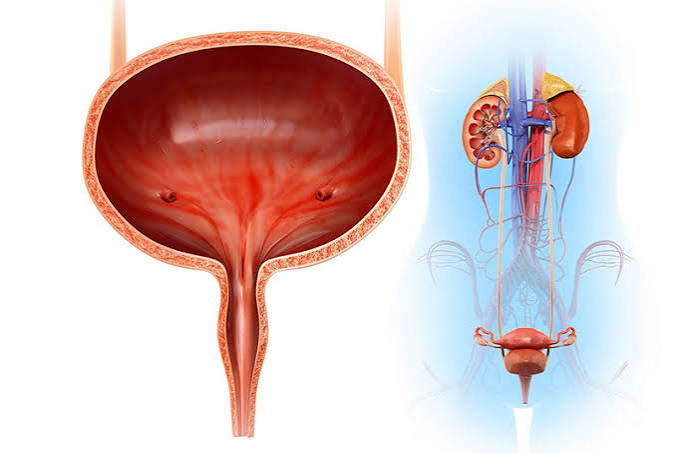
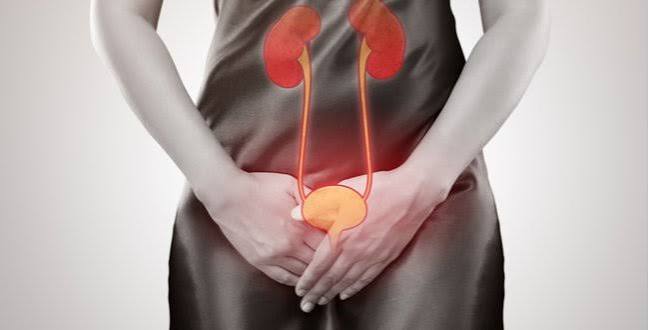
The urinary system’s primary job is to store and eliminate urine produced by the kidneys. The kidneys filter blood continuously — the ureters carry that urine to the bladder for storage, and the urethra carries it out of the body when voiding. Controlling when elimination happens requires both involuntary and voluntary sphincter muscles, coordinated by signals between the bladder wall, spinal cord, and brain.
Normal voiding happens 6–8 times per day, with 0–1 episodes at night. The urge to urinate is typically first felt when the bladder holds about 150–200 mL; a strong urge develops around 300–400 mL. A healthy bladder holds 400–600 mL comfortably and empties completely when voiding. Each void should be pain-free, produce a steady stream, and leave a sense of complete emptying.
The Anatomy of the Urinary Tract
The Ureters — From Kidney to Bladder
The ureters are two muscular tubes, approximately 25–30 cm long, carrying urine from each kidney to the bladder via peristalsis — rhythmic muscular contractions, similar to those that move food through the esophagus. This means urine reaches the bladder even when lying down. At each ureter’s bladder junction, a valve prevents backflow. When this valve is deficient (vesicoureteral reflux), urine can ascend toward the kidneys during voiding — increasing the risk of kidney infection and scarring.
The Bladder — Storage and Control
The bladder is a hollow muscular organ in the pelvis whose wall is composed primarily of the detrusor muscle — smooth muscle that expands as the bladder fills and contracts forcefully during urination. The trigone — a triangular region at the bladder’s base where the two ureters enter and the urethra exits — contains dense sensory nerve endings that signal fullness. Irritation of the trigone from infection, stones, or inflammation contributes to urgency and frequency symptoms.
The Urethra and Sphincters
The urethra carries urine from the bladder to the outside. Its length differs significantly by sex — and this difference is the single most important anatomical factor in UTI risk. In women, the urethra is 3–4 cm long and its external opening is close to both the vaginal opening and the anus. In men, the urethra is 18–20 cm long, passing through the prostate and the length of the penis.
Two sphincters control urination: the internal urethral sphincter (smooth muscle, involuntary) at the bladder neck; and the external urethral sphincter (skeletal muscle, voluntary) — part of the broader pelvic floor musculature. Pelvic floor weakness is the primary structural contributor to stress urinary incontinence.
Signs of Healthy Urinary Function
Healthy urinary function is characterized by: frequency of 6–8 voids per day; color of pale yellow to clear; a steady uninterrupted stream with a sense of complete emptying; control — ability to delay urination without urgency or leakage; comfort — no burning, pain, or pressure; and normal nocturia of 0–1 times. Foamy urine suggests protein leakage from the kidneys (a kidney health finding). Pink, red, or cola-colored urine requires immediate medical evaluation.
What Can Go Wrong — Common Urinary Health Problems
Urinary Tract Infections
UTIs are the most common urinary health problem. Bacteria — primarily E. coli (~80–85% of UTIs) — enter the urethra and ascend to infect the bladder (cystitis): symptoms include burning urination (dysuria), urgency, frequency, suprapubic discomfort, and cloudy or strong-smelling urine. Approximately 50–60% of women experience at least one UTI in their lifetime; about 20–30% have recurrent UTIs.
When bacteria ascend to the kidneys, the infection becomes pyelonephritis — causing flank pain, fever, and nausea — requiring antibiotics and sometimes hospitalization. Prevention for women includes: adequate hydration, post-coital urination, front-to-back hygiene, and avoiding vaginal microbiome disruption. UTI in a man under 50 warrants urological evaluation for an underlying cause.
Overactive Bladder and Urge Incontinence
Overactive bladder (OAB) is defined by urinary urgency — sudden compelling urge to urinate that is difficult to defer — usually with frequency and nocturia, with or without urge incontinence. It affects approximately 17% of adults and rises with age. OAB results from abnormal involuntary detrusor contractions during filling — the bladder signals urgency before it is actually full. Caffeine, alcohol, neurological conditions, and pelvic floor dysfunction all contribute. Management includes bladder training, reducing irritants, pelvic floor exercises, and medications (antimuscarinics or beta-3 agonists).
Stress Incontinence and Pelvic Floor
Stress urinary incontinence is leakage triggered by physical activity that increases abdominal pressure — coughing, sneezing, laughing, lifting. It results from a weakened pelvic floor and external urethral sphincter. Most common in women after vaginal childbirth or menopause. Pelvic floor physical therapy (including Kegel exercises with proper technique) is the first-line evidence-based treatment and can significantly reduce or eliminate stress incontinence. Surgical options are available for cases that don’t respond to conservative management.
Benign Prostatic Hyperplasia — Men’s Urinary Health
The prostate gland surrounds the male urethra at the bladder neck. With age, it typically enlarges (BPH), compressing the urethra and causing lower urinary tract symptoms (LUTS): decreased stream force, hesitancy, incomplete emptying, post-void dribbling, frequency, urgency, and nocturia. BPH affects approximately 50% of men by age 50 and over 90% by age 80. Treatment ranges from watchful waiting through medications (alpha blockers, 5-alpha reductase inhibitors) to minimally invasive procedures and surgery (TURP).
Kidney Stones — From Kidney to Urinary Tract
Kidney stones form in the kidney but become symptomatic as they pass through the ureter — causing severe cramping flank pain (renal colic) that may radiate to the groin, nausea, and blood in the urine. About 10% of the US population will experience a kidney stone. Calcium oxalate stones account for approximately 80% of cases. Prevention focuses on high fluid intake (to produce ≥2 L of urine per day), reducing sodium, and for susceptible individuals, modifying dietary oxalate and protein.
Interstitial Cystitis / Bladder Pain Syndrome
Interstitial cystitis (IC) is a chronic condition causing bladder pain, pressure, or discomfort associated with urgency and frequency — without infection. It is more common in women and is a diagnosis of exclusion. Management focuses on eliminating dietary triggers (caffeine, alcohol, citrus, carbonated drinks), pelvic floor physical therapy, and medications. Bladder instillations are used in more severe cases.
Urinary Health Risk Factors
- Female sex: shorter urethra, proximity of urethral opening to rectum → higher lifelong UTI risk; pelvic floor vulnerability post-partum and post-menopause
- Age: pelvic floor weakening, post-menopausal urethral atrophy (women), BPH (men), reduced bladder reserve (both)
- Diabetes: glucosuria increases UTI risk; diabetic neuropathy can impair bladder sensation and emptying
- Neurological conditions: stroke, Parkinson’s, MS → impaired bladder control
- Obesity: increased intra-abdominal pressure → stress incontinence; associated with OAB
- Smoking: strongest modifiable risk factor for bladder cancer (~50% of bladder cancers in men, ~30% in women)
- Dehydration: concentrated urine irritates bladder lining; increases UTI and stone risk
Urinary Health by Life Stage and Sex
Women across the lifespan: Higher baseline UTI risk throughout life due to urethral anatomy. Pregnancy increases UTI risk and stresses the pelvic floor. Post-menopause, estrogen decline causes urethral and vaginal atrophy (genitourinary syndrome of menopause), reducing natural protection and increasing UTI risk — local estrogen therapy is evidence-based for recurrent UTIs in postmenopausal women.
Men from midlife onward: The prostate becomes relevant to urinary health from approximately age 45–50 as BPH prevalence rises. Prostate treatment (surgery or radiation) carries urinary side effects including stress incontinence and irritative urinary symptoms.
Both sexes with aging: Bladder capacity decreases, urgency tolerance reduces, and nocturia becomes more common — partly from structural changes (BPH or pelvic floor) and partly from shifts in ADH secretion patterns that increase nocturnal urine production.
How to Protect Urinary Health
Stay adequately hydrated. Adequate fluid intake dilutes urine (reducing bladder irritation), flushes bacteria before infection establishes, and reduces stone formation risk. A target of 2–3 liters of total daily fluid is appropriate for most adults.
Identify and reduce bladder irritants. Caffeine, alcohol, carbonated drinks, citrus, and artificial sweeteners increase urgency and frequency in susceptible individuals. Reducing these is the first-line approach for OAB and IC. Keeping a bladder diary helps identify personal triggers.
Strengthen the pelvic floor. Kegel exercises — contracting and holding the pelvic floor muscles for 5–10 seconds, releasing, and repeating — are effective for both stress incontinence and urge incontinence when performed consistently. Pelvic floor physical therapy provides superior guidance to self-directed exercises alone.
Maintain healthy weight. Excess abdominal weight increases pelvic floor load — a direct contributor to stress incontinence. Weight loss consistently reduces incontinence episodes in overweight adults.
Stop smoking. Smoking is the strongest modifiable risk factor for bladder cancer. It also irritates the bladder lining, contributing to urgency and frequency.
For women — specific hygiene. Wiping front-to-back, urinating after sexual intercourse, and avoiding harsh soaps or douches that disrupt vaginal microbiome balance are supported UTI prevention strategies.
When to See a Provider
- Blood in urine (hematuria): always requires evaluation — even once, even without pain. Painless hematuria is the classic presentation of bladder cancer.
- Burning or pain during urination: likely UTI; culture-confirmed diagnosis is preferred over self-treating with leftover antibiotics
- Recurrent UTIs (≥2/year): warrants investigation and a prevention strategy
- Urinary leakage affecting daily life or sleep: highly treatable — pelvic floor PT and/or medication are effective first-line options
- Nocturia ≥2 times per night: affects sleep quality; may indicate OAB, BPH, nocturnal polyuria, or a systemic condition
- Weak stream, hesitancy, or incomplete emptying (in men): classic BPH symptoms; evaluation guides treatment
- Pelvic pressure or pain without diagnosed infection: IC should be considered
How Urinary Health and Kidney Health Overlap
The kidneys produce urine. The urinary tract stores and eliminates it. These are distinct systems with different disease patterns — but what happens downstream affects what’s upstream. Recurrent or untreated UTIs that ascend to the kidneys cause pyelonephritis and, over time, kidney scarring. Bladder outlet obstruction (from BPH or urethral stricture) can cause hydronephrosis (kidney swelling from backed-up pressure) and kidney damage if prolonged. Conversely, kidney disease changes what the urinary tract receives: proteinuria shows up on dipstick; glucosuria from poorly controlled diabetes increases UTI risk.
Our what is kidney health guide covers what the kidneys do and how kidney function is assessed with lab values. Our how the kidneys work guide explains kidney anatomy and filtration physiology. Our kidney health vs urinary health comparison guide addresses the clinical distinction between these two related systems.
Frequently Asked Questions
How many times a day should you urinate?
Healthy adults urinate 6–8 times per day. Frequency depends on fluid intake — drinking more produces more voids. More than 8 times per day is classified as urinary frequency and may indicate OAB, UTI, or excessive fluid intake. Fewer than 4 times per day with dark urine suggests dehydration.
Is it normal to wake up at night to urinate?
Waking once per night is common and generally not concerning, especially over age 50. Waking two or more times per night (nocturia) is clinically notable — it affects sleep quality and may reflect OAB, BPH, nocturnal polyuria, poorly controlled diabetes, or heart failure. Worth discussing with a provider if it’s affecting sleep or worsening.
What color should healthy urine be?
Pale yellow to straw-colored urine indicates good hydration. Clear urine indicates well-hydrated or over-hydrated. Dark yellow or amber indicates dehydration. Pink, red, or brown may indicate blood and warrants evaluation. Orange typically results from certain medications or dehydration. Green or blue is rare and usually medication-related.
Can dehydration cause UTIs?
Dehydration increases UTI risk by reducing urine volume (less frequent bladder flushing) and concentrating urine (potentially impairing the bladder’s natural bacterial defenses). Adequate hydration is consistently recommended as a UTI prevention strategy — though it is not a substitute for antibiotic treatment in a confirmed infection.
Do Kegel exercises work for men?
Yes. Pelvic floor muscle training is effective for male urinary incontinence, particularly stress incontinence after radical prostatectomy. Studies consistently show that pelvic floor exercises reduce the duration and severity of post-prostatectomy incontinence. Pelvic floor physical therapy is more effective than unsupervised self-directed exercises, particularly for men who need guidance in identifying the correct muscles.
Good urinary health is not just the absence of infection or leakage — it is a system working as designed: producing and storing urine efficiently, releasing it completely and without discomfort at appropriate intervals, and protecting the kidneys from the complications of a backed-up or infected system. Most urinary health problems are treatable — often with non-surgical approaches — when addressed rather than managed in silence. If urinary symptoms are affecting your daily life or sleep, they are worth discussing with a provider.
For age-specific context on how urinary health changes in midlife and beyond, our why kidney health matters after age 40 guide covers the intersecting risks that emerge with aging in both the kidney and urinary systems. The NIDDK’s urologic disease resource center provides clinical information on UTIs, OAB, incontinence, and related conditions. The Office on Women’s Health UTI guide covers prevention and management from a women’s health perspective. The Urology Care Foundation’s urologic conditions guide is the leading professional urology organization’s patient resource for bladder and urinary health.
Understanding Urinary Health Lab Tests and Office Assessments
Several clinical tools are used to evaluate urinary health, and knowing what each measures helps you understand what your provider is looking for.
Urinalysis
A standard urinalysis is usually the first urinary health test ordered. A dipstick test takes approximately two minutes and checks multiple parameters: pH (normally 5.5–7.0), specific gravity (concentration), glucose (should be absent unless blood glucose is very high), protein (should be absent or trace — significant protein suggests kidney, not urinary tract, disease), blood (should be absent — presence warrants microscopic examination), white blood cells (WBCs — presence suggests infection or inflammation), nitrites (produced by certain bacteria — positive nitrite combined with positive WBC is highly suggestive of UTI), and leukocyte esterase (enzyme released by WBCs — another infection marker).
Microscopic urinalysis examines the urine under a microscope for red blood cells, white blood cells, bacteria, casts (cylindrical structures that form in kidney tubules — their presence and type carry diagnostic meaning), crystals (uric acid or calcium oxalate crystals suggest stone risk), and epithelial cells. A dipstick is a screening tool; microscopic analysis is the definitive step when the dipstick is abnormal.
Urine Culture
When a UTI is suspected, a urine culture identifies the specific bacteria causing the infection and tests its sensitivity to different antibiotics. This takes 24–48 hours. Treating a UTI with the correct antibiotic reduces the risk of treatment failure and of driving antibiotic resistance. For recurrent UTIs or in complicated cases (pregnancy, men, immunocompromised individuals), culture-directed treatment rather than empirical treatment is the appropriate standard.
Post-Void Residual (PVR)
A post-void residual measurement uses a bladder ultrasound scan immediately after the patient has urinated to measure how much urine remains in the bladder. A PVR under 50 mL is considered normal (essentially complete emptying). A PVR of 150 mL or more is clinically significant, indicating incomplete bladder emptying — a pattern seen in BPH, bladder outlet obstruction, or neurogenic bladder. Chronically elevated PVR increases the risk of urinary tract infection (stagnant urine is a bacterial growth medium) and, if very high, can cause back-pressure on the kidneys (hydronephrosis).
Urodynamic Testing
Urodynamic testing measures bladder function during the filling and voiding phases — how much the bladder can hold before urgency develops, how the detrusor muscle behaves during filling (looking for involuntary contractions that indicate OAB), and how effectively the bladder empties. It is used for complex or refractory incontinence, when the clinical picture is unclear, or before surgical intervention for incontinence. The test is performed in a specialist’s office and typically takes 30–60 minutes.
Cystoscopy
A cystoscopy allows direct visual inspection of the interior of the bladder and urethra using a thin camera inserted through the urethra. It is used to evaluate hematuria (to look for bladder tumors, stones, inflammation, or anatomical abnormalities), recurrent UTIs, interstitial cystitis, and suspected urethral stricture. In women, cystoscopy is done in clinic with local anesthetic; in men, a gel anesthetic is used. A brief, mild discomfort is typical. The procedure takes 5–15 minutes.
The Bladder Diary — A Practical Self-Assessment Tool
A bladder diary is a simple record that patients keep for 2–3 days documenting: the time of each void, the volume voided (measured with a measuring cup), fluid intake type and quantity, and episodes of urgency, leakage, or pad use. It is the most informative single piece of information for evaluating urgency, frequency, and incontinence — far more useful than a description of symptoms alone because it quantifies the pattern. Many urologists and pelvic floor physical therapists ask patients to complete a bladder diary before the first visit. Keeping one for 2–3 days before an appointment — and bringing it — makes the evaluation significantly more efficient and accurate.
Medications That Affect Urinary Function
Several commonly prescribed medication classes have significant effects on urinary function that adults should be aware of. Diuretics (“water pills”) — prescribed for blood pressure and heart failure — increase urine production and can worsen urgency and nocturia. Antihistamines and decongestants (found in many cold medications) can relax bladder muscle and cause urinary retention, particularly in men with BPH. Calcium channel blockers (a common blood pressure medication class) can also reduce bladder contractility, contributing to incomplete emptying. Antidepressants — particularly tricyclics — may cause urinary retention as a side effect. Alpha blockers (used for BPH and sometimes blood pressure) can cause stress incontinence in women by reducing urethral resistance. If you start a new medication and notice a change in urinary function — increased frequency, leakage, difficulty emptying, or new nocturia — mention it to your prescriber. The timing link between a medication change and a new urinary symptom is often diagnostic.
Sources: National Institute of Diabetes and Digestive and Kidney Diseases (2023); Office on Women’s Health (2023); Urology Care Foundation (2023); American Urological Association Guidelines (OAB, BPH, Incontinence); CDC Bladder Cancer Statistics (2023).
Pingback: Common Urinary Problems in Adults
Finally a resource that explains what is urinary health? a practical in plain language. The connection between lifestyle choices and long-term outcomes is explained clearly here. Looking forward to reading more articles from this website.
As someone dealing with this personally, the what is urinary health? a practical section was very helpful. The connection between lifestyle choices and long-term outcomes is explained clearly here. Shared this with three friends who are dealing with related issues. Very useful resource.
I have been reading about what is urinary health? a practical for weeks and this is the most thorough guide I found. The section on managing this condition day-to-day was especially useful for planning. Appreciate the effort that went into researching and writing this — it shows.