

Most adults in their 40s don’t think much about their kidneys. Kidney disease is perceived as something that happens to older adults, or to people who already have a diagnosis. But the biology doesn’t work that way. The natural age-related decline in kidney function begins in the 30s and accelerates meaningfully from the 40s. The risk factors most likely to cause kidney disease — diabetes and high blood pressure — accumulate at precisely this age. And the disease that causes most irreversible damage — chronic kidney disease — is silent throughout its early and middle stages, producing no symptoms while the damage accumulates. By the time symptoms appear, the opportunity to protect kidney function has largely passed. Paying attention to kidney health after 40 is not excessive caution — it is the appropriate window.
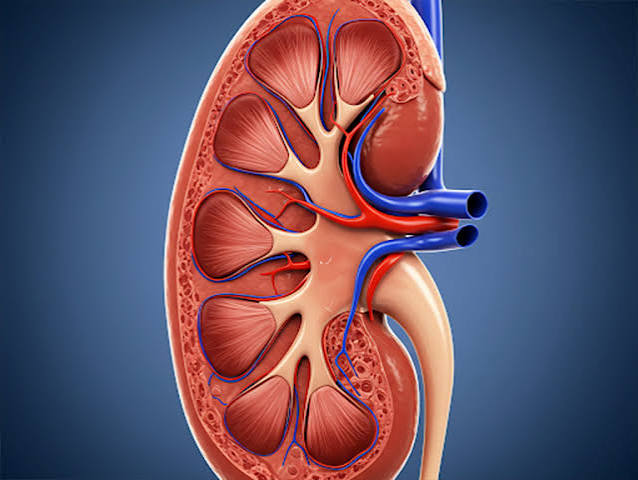
How Kidney Function Changes After Age 40
Kidney aging is gradual, structural, and normal — but it has practical consequences that compound significantly when other risks are present. The number of functional nephrons decreases approximately 10% per decade after age 40 — by age 70, most adults have lost 25–30% of their peak nephron count. This reduces the kidney’s functional reserve: its capacity to compensate when challenged by dehydration, illness, nephrotoxic medications, or other stressors. Younger kidneys absorb physiological insults and recover; older kidneys have less margin.
eGFR decline mirrors this nephron loss — approximately 1 mL/min/1.73m² per year from age 40 onward, faster after age 70. A 45-year-old with an eGFR of 80 might have an eGFR of 70 by age 55 — simply from aging. This is why age context matters: an eGFR of 65 in a 75-year-old may be within age-appropriate range; the same value in a 45-year-old warrants investigation.
The kidneys also lose concentrating capacity with age — young adults concentrate urine to ~1,200 mOsm/kg; older adults may achieve only 600–700 mOsm/kg. This means the aging kidney produces more dilute urine at rest and is more vulnerable to dehydration during illness, hot weather, or fluid restriction. Older adults may need to drink deliberately, since the thirst mechanism also becomes less reliable with age.
Why the 40s and 50s Are the Critical Window
The 40s and 50s are the decade when the two primary causes of CKD — diabetes and hypertension — become most prevalent. Type 2 diabetes affects approximately 10% of adults aged 40–44, rising to roughly 25% by age 65. Hypertension affects about 30% of adults in their early 40s and over 70% by age 65. These risk factors have been accumulating for years — and their effects on the kidneys compound over time.
This is also the window when intervention is most effective. Blood pressure control in Stage 1–2 CKD (eGFR ≥60) can preserve kidney function for decades. SGLT-2 inhibitors started when UACR is first rising can prevent the proteinuria trajectory that leads to kidney failure over a 10–15 year horizon. These interventions have diminishing returns as CKD advances — they slow progression but cannot rebuild lost nephrons. The case for starting kidney health monitoring in your 40s is about catching the problem when the full range of effective interventions is still available.
CKD and cardiovascular disease are also bidirectionally linked: an eGFR below 60 is an independent cardiovascular risk factor comparable in magnitude to a history of diabetes. Kidney health and heart health are not separate considerations in midlife — they are deeply intertwined.
The Specific Risks That Emerge After 40
Diabetic Kidney Disease — The Leading CKD Cause
Diabetic kidney disease (DKD) accounts for approximately 44% of new dialysis cases. It develops when chronic hyperglycemia damages the glomeruli — causing the filtration barrier to leak albumin (rising UACR) and eventually scarring the glomeruli (falling eGFR). The ADA Standards of Care 2024 recommend annual eGFR and UACR screening for all adults with diabetes, and SGLT-2 inhibitors for adults with diabetes and CKD — for their kidney-protective effects independent of glycemic control. The CREDENCE and DAPA-CKD trials showed approximately 30–40% reductions in CKD progression risk with these agents.
Hypertensive Kidney Disease
Hypertension is the second leading cause of CKD. Elevated blood pressure increases mechanical stress on glomerular capillaries → progressive glomerulosclerosis → damaged kidneys produce more renin → higher blood pressure → more kidney damage. This self-reinforcing cycle requires active intervention. Blood pressure control to below 130/80 mmHg (the KDIGO target for adults with CKD) is the most impactful single kidney-protective measure. ACE inhibitors and ARBs are preferred when proteinuria is present, reducing intraglomerular pressure beyond their blood pressure effect.
Kidney Stone Risk Rising
Kidney stone prevalence rises with age, particularly in men. Approximately 10% of the US population will experience a kidney stone in their lifetime, with peak incidence in the 40s and 50s. Adults with a prior stone have approximately a 50% recurrence risk within 5 years without preventive measures. Prevention includes high fluid intake (≥2 L urine/day), reduced sodium, and dietary adjustments based on stone type confirmed through 24-hour urine collection.
Medication Nephrotoxicity — More Drugs, More Risk
Adults in their 40s–60s typically take more medications — and several carry significant kidney risk:
- NSAIDs (ibuprofen, naproxen): reduce renal blood flow via prostaglandin inhibition → AKI risk; chronic use → progressive kidney damage
- IV contrast (CT scans): contrast nephropathy risk rises with lower eGFR; hydration is the primary preventive measure
- Aminoglycoside antibiotics (gentamicin): directly nephrotoxic; require dose adjustment and monitoring
- Metformin: typically held when eGFR <30; reassessment at eGFR <45 due to lactic acidosis risk
- Many antibiotics and antivirals: dose adjustment required when eGFR falls below 30–45
Knowing your current eGFR is necessary to ensure your medication doses are appropriate. Annual eGFR monitoring makes this possible.
Acute Kidney Injury Risk and Older Kidneys
Acute kidney injury (AKI) — defined as serum creatinine rising ≥0.3 mg/dL within 48 hours or ≥1.5 times baseline within 7 days — is more common and more dangerous in older adults. Common precipitants after age 60: dehydration during illness, NSAID use during dehydration, IV contrast for imaging, and sepsis. AKI in older adults significantly elevates subsequent CKD risk, even after apparent recovery. AKI on top of pre-existing CKD is particularly dangerous due to reduced baseline reserve.
Kidney Health Screening After 40 — What to Ask For
Two tests are needed — neither alone is sufficient:
- Blood test → eGFR. Confirm that eGFR is reported (not just creatinine). Typically included in a comprehensive metabolic panel (CMP) when ordered with eGFR calculation.
- Urine test → UACR. A spot urine sample measuring albumin-to-creatinine ratio. This test is frequently omitted from routine bloodwork — asking specifically for “urine albumin” or “UACR” is often necessary. Without UACR, early kidney damage is frequently missed — eGFR can be completely normal while UACR is already elevated.
Who should be screened annually: adults with Type 1 or Type 2 diabetes; adults with hypertension; adults over age 60; adults with family history of kidney disease; adults with obesity (BMI ≥30); adults with history of prior AKI.
Interpreting results: eGFR ≥60 + UACR <30 = normal, continue annual monitoring; eGFR ≥60 + UACR 30–300 = early damage, address BP/glucose, repeat in 3–6 months; eGFR 45–59 = CKD Stage 3a, increase monitoring frequency; eGFR 30–44 = CKD Stage 3b, nephrology referral consideration; eGFR <30 = nephrology referral, dialysis planning discussion.
The Protective Strategies That Matter Most After 40
Blood Pressure Control to <130/80 mmHg
The single most evidence-supported kidney-protective intervention. For adults with CKD and proteinuria (UACR ≥30), ACE inhibitors or ARBs are the preferred antihypertensive class — they reduce intraglomerular pressure and proteinuria beyond their blood pressure effect.
Blood Sugar Management and SGLT-2 Inhibitors
For adults with diabetes, A1c below 7% is foundational for preventing DKD. The ADA Standards 2024 also recommend SGLT-2 inhibitors for adults with diabetes and CKD — including those not needing additional glucose lowering — for their kidney-protective effects through reduced glomerular hyperfiltration.
NSAID Awareness
Adults over 40 with any CKD risk factors should avoid routine NSAID use for chronic pain. Acetaminophen is generally safer for kidney health at recommended doses. If NSAIDs are needed acutely, the lowest effective dose for the shortest time, while staying well-hydrated, substantially reduces risk.
Hydration — More Critical After 40
Adequate hydration becomes progressively more important as concentrating capacity declines. A baseline of 2–3 liters of total fluid per day is appropriate for most adults. During illness, older adults and those with reduced kidney reserve need more deliberate fluid maintenance — the thirst mechanism becomes less reliable with age.
Annual Medication Review
If you take regular medications, an annual review of whether doses are appropriate for your current eGFR is valuable — especially if eGFR is below 60. Many adjustments require that the provider knows and is actively considering your kidney function in prescribing decisions.
Kidney and Urinary Health After 40 — The Intersecting Risks
After 40, kidney and urinary health concerns converge. In men, BPH begins to affect urinary function in the late 40s to 50s — significant bladder outlet obstruction, if untreated, can cause hydronephrosis and kidney damage. Nocturia (waking at night to urinate) becomes more common after 50 and reflects both BPH or OAB (urinary) and declining urine concentrating capacity (kidney). In women, post-menopausal estrogen decline causes urethral atrophy, increasing UTI risk — and UTIs that ascend to the kidneys cause pyelonephritis and kidney scarring.
Our what is urinary health guide covers the age-specific urinary changes including BPH and post-menopausal urinary health. Our kidney health vs urinary health comparison guide addresses when a urinary symptom should trigger a kidney workup vs a urological evaluation.
What Your Doctor Should Be Checking — and What to Ask
At your annual check-up after age 40, if you have diabetes, hypertension, obesity, or a family history of kidney disease:
- “Has my eGFR been checked recently, and what is the trend?” — A trend matters more than a single value.
- “Can we also test my urine for albumin (UACR)?” — Often needs to be specifically requested.
- “Is my blood pressure target appropriate for my kidney health?” — If any CKD or proteinuria is present, the target may be <130/80.
- “Are any of my current medications hard on the kidneys given my eGFR?” — Particularly important if eGFR is below 60.
Frequently Asked Questions
At what age should I start paying attention to kidney health?
Annual kidney function screening — eGFR and UACR — is appropriate from age 40 if you have any risk factors (diabetes, hypertension, obesity, family history of kidney disease). Without risk factors, starting around age 60 is generally appropriate. The goal is knowing your trend before any problem develops — not worrying about a single result.
What does it mean if my eGFR is 70 at age 50?
An eGFR of 70 at age 50 is within the normal CKD classification threshold (≥60) but below the peak for a young adult. The most important context: Has this been stable, or is it declining? What is the UACR? Are risk factors present that explain the value? A stable eGFR of 70 at 50 without proteinuria and without risk factors typically warrants monitoring rather than concern. A declining eGFR of 70 at 50 with rising UACR warrants a conversation with your provider about intervention.
Can I reverse early CKD?
Structural nephron damage cannot be reversed — lost glomeruli are not replaced. However, functional kidney health can be significantly stabilized. eGFR can be maintained at a slow decline (normal aging) with appropriate intervention. UACR can be reduced with ACE inhibitors, ARBs, and SGLT-2 inhibitors — and reduced proteinuria is associated with slower CKD progression. “Protecting what remains” is the achievable and meaningful goal.
Is a creatinine of 1.2 bad for a woman?
For most women, a serum creatinine of 1.2 mg/dL is above the typical normal range (approximately 0.6–1.1 mg/dL). Whether it is clinically significant depends entirely on the corresponding eGFR and UACR. A creatinine of 1.2 in a 65-year-old woman may correspond to an eGFR of 50 (CKD Stage 3a); the same value in a 40-year-old with higher muscle mass might yield an eGFR of 60 or higher. Always ask for the eGFR calculation — the creatinine alone is less useful.
How do I know if I’m at risk for kidney disease?
Primary risk factors: Type 1 or Type 2 diabetes; hypertension; family history of kidney disease (PKD, early kidney failure in a parent or sibling); obesity (BMI ≥30); prior acute kidney injury; age over 60. Some populations (African American, Hispanic, South Asian backgrounds) have higher CKD prevalence partly driven by higher rates of diabetes and hypertension. If you have one or more of these factors, annual kidney screening with eGFR and UACR is appropriate.
Kidney health after 40 is a mainstream health issue for adults navigating the decade when diabetes, hypertension, and obesity become most prevalent. The kidneys work invisibly until they fail, and the damage accumulates silently for years before symptoms emerge. That is exactly why this is the right time to check. A blood test for eGFR and a urine test for UACR, annually, combined with blood pressure and blood sugar management, is a straightforward protocol that can protect kidney function for decades.
For detailed information on what the kidneys do and how eGFR and UACR reflect their function, see our what is kidney health guide and our how the kidneys work guide. The NIDDK’s kidney disease resource center is the authoritative patient reference for kidney disease education. The CDC’s CKD basics page provides public health statistics on prevalence and prevention. The National Kidney Foundation’s CKD overview is the leading patient resource for staging, symptoms, and self-management.
What Happens When Kidney Disease Is Caught Early vs Late
The difference in outcomes between kidney disease caught at Stage 1–2 versus Stage 4 is substantial — not because the treatments differ so dramatically in principle, but because what’s treatable changes so much depending on what remains.
At CKD Stage 1–2 (eGFR ≥60, with proteinuria as the signal), the kidneys still have the vast majority of functional nephrons. The goals are entirely preventive: slow the trajectory of eGFR decline, reduce proteinuria, control blood pressure and blood glucose, avoid nephrotoxic exposures. An SGLT-2 inhibitor started at this stage, in a patient with diabetes and rising UACR, has the potential to delay kidney failure by a decade or more based on the trajectory seen in clinical trials. A patient at this stage has essentially the same quality of life as before diagnosis; the kidney problem exists on paper in lab values, not in lived experience.
At CKD Stage 3b (eGFR 30–44), the focus shifts. The same protective interventions still apply — blood pressure and glucose control, avoiding nephrotoxins — but complications now emerge: anemia begins to develop and may need treatment with ESAs or iron; bone mineral metabolism requires monitoring and often calcitriol supplementation; serum bicarbonate may fall below normal, requiring sodium bicarbonate supplementation; phosphorus and potassium intake may need dietary attention. The patient now manages a condition, not just a risk factor. Quality of life is still generally intact, but the daily and clinical management burden grows.
At CKD Stage 4–5 (eGFR below 30), dialysis or transplant preparation begins. Dialysis (hemodialysis 3 times per week for 3–5 hours, or daily peritoneal dialysis) replaces some kidney function but cannot replicate all of what healthy kidneys do — it does not produce EPO (patients remain anemic unless treated), does not activate vitamin D (bone management continues), and cannot replicate the kidneys’ hormonal nuance. The cardiovascular risk at this stage is very high. Transplantation — when available — provides substantially better outcomes than dialysis, with recipients living approximately twice as long on average and with significantly better quality of life. But kidneys for transplant are scarce: the median wait time for a deceased donor kidney in the United States is 3–5 years depending on blood type and region; living donor transplant is faster and has better outcomes.
The practical point is direct: the gap between Stage 2 and Stage 4 is the gap between a manageable condition caught on a blood test and a life-altering one requiring dialysis or a wait for a transplant organ. That gap is navigated by screening. In your 40s, with risk factors present, the most important kidney health action is simple: get the blood test and the urine test, and know your trend.
Beyond the Numbers — Living Well With Kidney Health Awareness
Kidney health monitoring doesn’t require making kidney disease the center of your health narrative — particularly in adults who are in early stages or simply monitoring their trend. It requires knowing two numbers (eGFR and UACR), knowing your blood pressure and blood glucose, and making a small number of consistent decisions: about NSAID use, hydration, and the conditions that drive kidney damage over time. The complexity scales with the stage: Stage 1–2 CKD is managed largely through controlling the conditions that cause it; Stage 3 onward requires more specific monitoring and management of the complications that emerge.
What matters most in your 40s and 50s is establishing the habit: annual kidney labs with eGFR and UACR are as routine as a cholesterol check. Most results will be normal — and that normalcy is worth knowing. In the small percentage of cases where something is found, the earlier that finding arrives, the more time and tools are available to respond to it. The kidneys do not announce their distress in advance; the labs speak for them.
Common Misconceptions About Kidney Health After 40
“If something were wrong with my kidneys, I would feel it.” This is the most important misconception to correct. Chronic kidney disease produces no reliable symptoms until Stage 4 or late Stage 3b. The fatigue, edema, and cognitive changes associated with kidney failure appear only after most functional tissue has already been lost. The absence of symptoms is not evidence of normal kidney function — it is precisely why lab screening exists.
“My doctor would tell me if my kidneys were a problem.” In reality, eGFR may appear on your lab results without explicit comment if it is borderline rather than clearly abnormal. An eGFR of 58 in a 55-year-old with diabetes may fall below the threshold that triggers a proactive call from the clinic, particularly if it is close to the previous result. UACR is often not ordered at all unless specifically requested. Advocating for both tests, by name, is a reasonable and appropriate thing to do at an annual visit. Providers appreciate engaged patients who ask specific questions.
“Kidney disease only matters if it leads to dialysis.” Even moderate CKD — Stage 3, eGFR 30–59 — significantly elevates cardiovascular risk, contributes to anemia (with its effects on energy and cardiac function), and requires medication dose adjustments to avoid inadvertent harm. The majority of patients with CKD never reach kidney failure — they die of cardiovascular disease before that point. Managing CKD is therefore substantially about managing cardiovascular risk, not just about preserving kidney function.
“There is nothing you can do about kidney disease anyway.” This fatalism is not supported by the evidence. Aggressive blood pressure control, SGLT-2 inhibitors in diabetes, RAAS blockade (ACE inhibitors/ARBs) in proteinuric CKD, and smoking cessation all have evidence-backed, meaningful impacts on slowing CKD progression. The interventions that work best require early detection — which is the argument for the screening schedule, not for fatalism about outcomes.
Sources: National Institute of Diabetes and Digestive and Kidney Diseases (2023); CDC Chronic Kidney Disease Surveillance System (2023); National Kidney Foundation (2023); KDIGO Clinical Practice Guidelines (2012/2021); ADA Standards of Care 2024; CREDENCE Trial (NEJM, 2019); DAPA-CKD Trial (NEJM, 2020).
Pingback: Common Kidney Problems in Adults
Pingback: Signs of Healthy Kidney Function
Pingback: Early Signs of Kidney Problems
Came across this while researching why kidney health matters after age for a family member. The practical tips made this immediately actionable, not just theoretical. Looking forward to reading more articles from this website.
My doctor recommended I look into why kidney health matters after age and this article covered it perfectly. I appreciated how the article addressed both the clinical side and the practical adjustments. Exactly the kind of evidence-based information that is hard to find in one place.
Really well-written article on why kidney health matters after age. I appreciated how the article addressed both the clinical side and the practical adjustments. Forwarding this to others in my support group who are dealing with similar issues.