
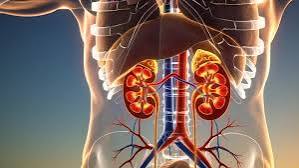
Kidney disease risk factors are the characteristics, conditions, and habits that increase the probability that your kidneys will be damaged — either gradually through chronic disease, or suddenly through acute injury. A risk factor is not a diagnosis: having one or several risk factors does not mean kidney disease is inevitable or even likely. But it does mean that kidney function deserves active monitoring, that certain avoidable exposures should be avoided, and that the window for intervention is wider — and more effective — the earlier these risks are recognized and managed. This article covers the kidney disease risk factors that every adult should know, organized from most to least clinically impactful, with practical guidance on what each one means for monitoring and protection.
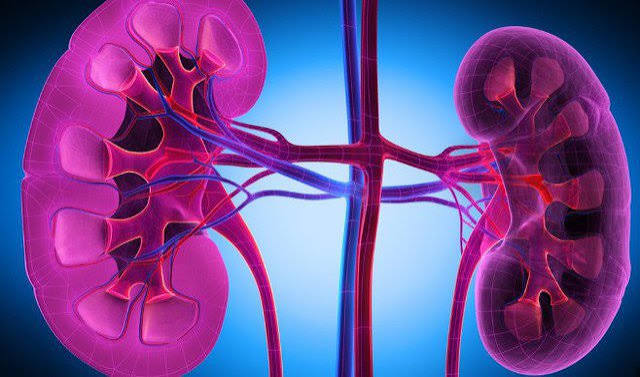
Modifiable vs Non-Modifiable Kidney Disease Risk Factors
Kidney disease risk factors fall into two broad categories. Modifiable risk factors are those you can change — treating diabetes, controlling blood pressure, stopping smoking, avoiding nephrotoxic medications, and managing weight all reduce the kidney risk associated with each factor. Non-modifiable risk factors — family history of kidney disease, age, genetic variants like APOL1 high-risk alleles, race or ethnicity, and having been born with reduced nephron mass — cannot be changed. But recognizing non-modifiable risk factors is equally important because they determine the screening schedule and the degree to which modifiable risks must be optimized. A person with one non-modifiable risk factor who controls all their modifiable risks has a substantially better kidney prognosis than someone with the same non-modifiable risk who leaves their modifiable risks unaddressed.
Diabetes — The Highest-Risk Modifiable Factor
Diabetes mellitus is the single largest risk factor for kidney disease: approximately 40 percent of adults with diabetes in the United States develop CKD, and diabetes accounts for roughly 44 percent of new end-stage kidney disease cases annually. Both type 1 and type 2 diabetes cause diabetic nephropathy through chronic hyperglycemia, though type 2 diabetes dominates by numbers. The risk accumulates over years — the longer the duration and the worse the average glycemic control (reflected in HbA1c), the greater the cumulative glomerular damage. Adults with type 2 diabetes may already have microalbuminuria at diagnosis, reflecting years of undetected pre-diabetes-level hyperglycemia.
Protective interventions are among the most evidence-supported in medicine: maintaining HbA1c below 7% (ADA 2024 target); using an ACE inhibitor or ARB for any adult with diabetes and UACR above 30 mg/g; starting an SGLT-2 inhibitor for adults with type 2 diabetes and CKD — based on CREDENCE and DAPA-CKD trials; and adding a GLP-1 receptor agonist for additional kidney and cardiovascular protection. Annual eGFR and UACR testing is recommended from the time of type 2 diabetes diagnosis, and from 5 years after type 1 diabetes diagnosis.
High Blood Pressure
Approximately 35 percent of adults with hypertension in the United States have CKD — and the relationship is bidirectional. High blood pressure damages kidney tissue through chronic intraglomerular hypertension causing glomerulosclerosis. Damaged kidneys worsen hypertension by impairing sodium excretion, activating the RAAS, and reducing prostaglandin-mediated vasodilation — accelerating both conditions simultaneously. Even prehypertension (systolic 130–139 mmHg) is associated with elevated CKD risk. The blood pressure target for all adults with CKD or diabetes is below 130/80 mmHg (KDIGO 2021). For adults with CKD and UACR above 30 mg/g, ACE inhibitors or ARBs are the preferred antihypertensive agents — protecting the kidneys beyond what blood pressure lowering alone achieves by reducing intraglomerular pressure.
Obesity and Metabolic Syndrome
Obesity — BMI above 30 kg/m² — is an independent kidney disease risk factor even in adults without diabetes or hypertension. Elevated cardiac output and increased renal blood flow in obesity transmit elevated pressure into the glomerular capillaries, causing progressive glomerulosclerosis. Adults with BMI above 35 kg/m² can develop FSGS (focal segmental glomerulosclerosis) through this hyperfiltration mechanism. Weight reduction reduces proteinuria in proportion to the weight lost. Metabolic syndrome — the cluster of central obesity, insulin resistance, dyslipidemia, and hypertension — approximately doubles CKD risk through combined mechanisms. Hyperuricemia, which frequently accompanies metabolic syndrome, causes uric acid crystal deposition in tubules and independently promotes tubular injury and CKD progression.
Smoking and Kidney Health
Smoking is an under-recognized kidney risk factor. Nicotine causes direct renal vasoconstriction and promotes oxidative stress and endothelial damage in the renal vasculature. Multiple epidemiological studies show that smoking accelerates CKD progression approximately twofold. Smoking increases proteinuria, worsens blood pressure control, and compounds the cardiovascular risk already elevated in CKD. Cessation is among the highest-yield lifestyle interventions for kidney protection — the protective effect begins within months and continues to accrue over years.
Family History — The Genetic Risk Factor
A first-degree relative (parent, sibling, or child) with end-stage kidney disease is associated with 3 to 4 times higher CKD risk, reflecting both shared genetic susceptibility and shared environmental risk factors within families. The most clinically significant genetic kidney risk factor is the APOL1 gene. Adults of African ancestry who carry two high-risk APOL1 variants (the G1 or G2 alleles) have approximately 7 to 10 times the lifetime risk of FSGS, HIV-associated nephropathy, and hypertension-attributed kidney disease. The APOL1 high-risk genotype is present in approximately 13 percent of African Americans. Autosomal dominant PKD (ADPKD) is directly inherited — each child of an affected parent has a 50 percent probability of inheriting the disease-causing mutation, and kidney ultrasound screening of family members is appropriate. Alport syndrome follows X-linked or autosomal patterns — family members of affected individuals should undergo urine screening for hematuria and proteinuria, and genetic testing where available.
Race, Ethnicity, and Kidney Risk
Kidney disease disproportionately affects certain racial and ethnic groups. African Americans develop ESRD at 3 to 4 times the rate of white Americans — driven significantly by the APOL1 genetic risk factor, combined with higher rates of hypertension and diabetic nephropathy. Hispanic Americans have approximately 1.5 times the CKD prevalence of non-Hispanic white Americans, driven primarily by higher rates of type 2 diabetes. Asian Americans have elevated rates of IgA nephropathy. Native Americans have among the highest rates of type 2 diabetes and correspondingly high rates of diabetic kidney disease. These disparities reflect both genetic differences and disparities in access to preventive care. Elevated baseline risk should prompt more consistent and earlier kidney screening — not different clinical standards of care.
Older Age and Reduced Nephron Reserve
eGFR falls approximately 1 mL/min/1.73m² per year after age 40 as part of normal physiological aging. An eGFR of 60 to 70 mL/min/1.73m² in a 70-year-old with normal UACR and stable trend may represent healthy aging rather than CKD. However, older age also means reduced nephron reserve — less functional capacity to compensate when additional kidney stress occurs. Adults over 65 have a lower threshold for AKI: the same dehydration or NSAID exposure that causes minimal creatinine rise in a 40-year-old may cause clinically significant AKI in a 75-year-old. Annual kidney monitoring — eGFR and UACR — is appropriate from age 60 even in adults without specific known risk factors.
Prior Kidney Injury and Reduced Kidney Mass
Any episode of acute kidney injury that did not fully recover leaves permanent nephron damage — increasing baseline CKD risk. KDIGO recommends a 3-month post-AKI creatinine and UACR check to determine whether CKD has developed. Adults with a single functioning kidney — from birth (renal agenesis), nephrectomy, or donation — have reduced total nephron mass. The remaining kidney undergoes compensatory hyperfiltration that, over decades, predisposes to CKD and proteinuria. These adults should maintain blood pressure below 130/80 mmHg, avoid NSAIDs, and undergo annual eGFR and UACR monitoring. Low birth weight (below 2,500 grams) is associated with approximately 25 to 30 percent fewer nephrons than normal birth weight — a deficit that predisposes to hypertension and CKD in adulthood.
Cardiovascular Disease and Kidney Risk
Cardiovascular disease and kidney disease share so many risk factors that the two conditions are closely linked. Heart failure reduces cardiac output, creating chronic pre-renal stress on the kidneys that predisposes to CKD progression and AKI with each exacerbation. Atrial fibrillation is independently associated with CKD risk. CKD, conversely, is an independent cardiovascular risk factor — associated with 2 to 4 times the cardiovascular event rate compared to age-matched adults without CKD. Managing kidney risk and cardiovascular risk together — rather than in separate silos — reflects the true physiological connection between the two systems.
Nephrotoxic Medications and Supplements
Regular use of nephrotoxic medications is a preventable kidney risk factor that deserves explicit awareness. NSAIDs (ibuprofen, naproxen, diclofenac) are the most common preventable cause — particularly when used daily for chronic pain in adults who already carry other risk factors. Aminoglycoside antibiotics, iodinated contrast agents, lithium, and calcineurin inhibitors (cyclosporine, tacrolimus) are significant nephrotoxins in clinical care. Aristolochic acid in some traditional herbal preparations causes irreversible tubulointerstitial fibrosis. Any adult with CKD or significant kidney risk factors should review all medications — prescription, over-the-counter, and herbal — specifically checking for nephrotoxic potential and dose adjustment requirements in reduced kidney function.
When and How to Screen Based on Your Risk Factors
The appropriate kidney screening schedule depends on your specific risk factor profile: adults with diabetes, annual eGFR and UACR from diagnosis; adults with hypertension and at least one additional risk factor, annual eGFR and UACR; adults with a first-degree relative with ESRD or PKD, every 1 to 2 years starting in early adulthood; adults with APOL1 high-risk genotype, annual kidney monitoring starting at age 18; adults over 60 without known risk factors, eGFR at least every 3 years; adults with a history of AKI, creatinine and UACR at 3 months post-AKI and annually thereafter. For a full picture of what healthy kidney function looks like, see our article on signs of healthy kidney function. For the lab values used to detect and track kidney disease, see our guide on kidney health numbers every adult should know. For what changes these risk factors produce in the kidneys, see our article on what causes kidney disease. And for the early warning signs that appear before CKD becomes advanced, see our article on early signs of kidney problems.
Urinary Tract Infections and Kidney Stones as Risk Factors
Recurrent urinary tract infections — particularly ascending infections that reach the kidneys — cause repeated episodes of pyelonephritis. Each episode of severe pyelonephritis causes focal renal scarring. In adults with structural urinary tract abnormalities that predispose to reflux (vesicoureteral reflux, ureteral obstruction, or enlarged prostate), bacteria repeatedly reach the renal parenchyma, creating cumulative scarring that progresses to CKD in some patients. Prompt treatment of UTIs and correction of underlying structural abnormalities when possible — particularly in children and young adults — prevents this accumulated damage. Adults with three or more UTIs per year should be evaluated for structural predisposing factors.
Kidney stones are both a risk factor for and a consequence of some CKD causes. Calcium oxalate and uric acid stones cause direct tubular injury when crystals deposit in the tubules. Obstructive stones — stones lodged in the ureter or ureteropelvic junction — cause post-renal AKI that, if prolonged, results in permanent loss of nephrons in the obstructed kidney. Staghorn calculi — large branching stones that fill the renal collecting system — provide a nidus for chronic infection and chronic obstruction, combining infection and mechanical damage. Adults with recurrent stones should be evaluated with a 24-hour urine collection to identify the metabolic cause (hyperoxaluria, hypercalciuria, hyperuricosuria, cystinuria) and treated accordingly, since the stone-forming state is also often a kidney-damaging state.
Nephrotoxic Contrast and Procedural Risks
Iodinated contrast media used in CT scans with contrast and cardiac catheterization can cause contrast-induced AKI, particularly in adults with pre-existing CKD (eGFR below 45 mL/min/1.73m²), diabetes, heart failure, or volume depletion. Risk is minimized by ensuring adequate pre-procedure hydration, using the lowest effective contrast volume, choosing iso-osmolar or low-osmolar agents, and withholding metformin for 48 hours post-procedure in CKD patients. Adults with known risk factors for contrast nephropathy should discuss their kidney function with their ordering physician before any contrast-enhanced imaging — in many cases, alternative imaging without contrast (MRI without gadolinium, ultrasound, plain CT) can answer the clinical question equally well.
Gadolinium-based MRI contrast agents pose a different risk in severe CKD (eGFR below 30 mL/min/1.73m²): nephrogenic systemic fibrosis (NSF), a rare but serious condition involving skin and organ fibrosis. Modern macrocyclic gadolinium agents have dramatically reduced NSF risk compared to older linear agents, but adults with advanced CKD should still be evaluated for whether gadolinium contrast is necessary versus avoidable. Perioperative AKI — kidney injury occurring around major surgery — is another underappreciated modifiable risk factor. The combination of anesthesia-induced hemodynamic changes, intraoperative blood pressure variability, volume shifts, and frequent NSAID use for post-surgical pain creates a perfect storm for kidney injury in adults with underlying risk factors.
HIV, Hepatitis C, and Infections That Damage Kidneys
Several systemic infections cause direct kidney damage through distinct mechanisms. HIV causes HIV-associated nephropathy (HIVAN), predominantly in adults with the APOL1 high-risk genotype, producing a collapsing variant of FSGS with rapidly progressive CKD. Antiretroviral therapy — particularly tenofovir disoproxil fumarate (TDF) — has reduced HIVAN incidence dramatically, though TDF itself can cause tubular toxicity (Fanconi syndrome) and slow CKD progression in some patients. Modern tenofovir alafenamide (TAF) formulations have substantially lower kidney toxicity than TDF. Hepatitis C virus causes membranoproliferative glomerulonephritis and cryoglobulinemic vasculitis that directly damages glomeruli — antiviral therapy for HCV now regularly leads to complete remission of HCV-associated nephropathy. Bacterial endocarditis and post-streptococcal infections can trigger immune complex glomerulonephritis — a reminder that systemic infections do not remain confined to their primary organ of invasion.
Autoimmune and Inflammatory Conditions
Systemic autoimmune diseases are an important non-modifiable risk factor category that warrants specific mention. Lupus nephritis occurs in 50 to 60 percent of adults with systemic lupus erythematosus — IgG immune complex deposition in the glomerulus causes inflammation that, untreated, progresses to ESRD. Close monitoring of kidney function and urine protein in all adults with lupus — including those without apparent kidney symptoms — is standard of care. ANCA-associated vasculitis (granulomatosis with polyangiitis, microscopic polyangiitis) causes crescentic glomerulonephritis that can destroy kidney function in weeks without treatment; hematuria and red cell casts in urinalysis are the warning signs. IgA nephropathy, the most common primary glomerulonephritis worldwide, frequently presents with hematuria and mild proteinuria and can remain stable for decades — or progress to CKD in a minority of patients. Any diagnosis of a systemic autoimmune or inflammatory condition should prompt discussion with a physician about baseline kidney function assessment and monitoring schedule.
Dietary Patterns and Kidney Risk
Diet shapes kidney risk in ways beyond the effect on body weight and blood pressure. High sodium intake — above 2,300 mg per day, and typically far higher in the Western diet — worsens hypertension control, increases urinary protein excretion, and blunts the antiproteinuric effect of ACE inhibitors and ARBs. Dietary sodium reduction from 3,500 to 2,000 mg per day has been shown to reduce proteinuria by 30 to 40 percent in adults with CKD, an effect comparable to adding a second antihypertensive agent. High dietary protein — particularly from red and processed meats — generates more nitrogen waste that the kidneys must excrete, increasing glomerular filtration pressure and promoting kidney hyperfiltration. A moderate dietary protein restriction (0.6 to 0.8 grams per kilogram per day) in adults with CKD stage 3b–4 is associated with slower progression to ESRD.
The DASH diet — Dietary Approaches to Stop Hypertension — reduces blood pressure and proteinuria and has been associated with slower CKD progression in epidemiological studies. A plant-predominant diet that replaces animal protein with legumes, whole grains, and vegetables not only reduces dietary acid load (plants produce less acid than meat) but also lowers phosphate, potassium, and nitrogen waste burden on the kidneys. Excessive dietary phosphate — from processed foods where inorganic phosphate is added as a preservative — is particularly concerning in CKD, where phosphate retention drives secondary hyperparathyroidism and vascular calcification. Ultra-processed food consumption, which is associated with all the major cardiometabolic risk factors, has been independently associated with CKD risk in population studies, making dietary quality a modifiable kidney risk factor in its own right.
Dehydration and Inadequate Fluid Intake
Chronic mild dehydration — a state common in older adults who have blunted thirst perception, and in people in hot occupational environments — is associated with lower urine output, more concentrated urine, and a higher risk of kidney stone formation. Recurrent stone formation damages tubules and predisposes to CKD. Workers in hot environments (agricultural workers, construction workers, miners) who experience repeated episodes of volume depletion and heat stress develop a pattern of CKD — termed CKD of uncertain etiology (CKDu) — that has reached epidemic proportions in parts of Central America, Sri Lanka, and India. Adequate hydration — at least 2 to 3 liters of fluid per day in adults without fluid restriction — maintains urine flow, dilutes potentially damaging solutes, and protects tubular cells from concentration-related injury. For adults with a history of kidney stones, maintaining urine output above 2 liters per day is a standard preventive recommendation.
Taking Stock of Your Full Risk Profile
Kidney disease risk rarely comes from a single factor operating in isolation. The clinical reality is that multiple modest risk factors interact — a 55-year-old African American man with hypertension and the APOL1 high-risk genotype who also smokes and takes ibuprofen daily for arthritis pain has a substantially higher CKD risk than any single factor would predict. Identifying the complete risk profile — modifiable and non-modifiable — enables a prioritized protection strategy: which risks can be eliminated entirely (stopping NSAIDs, stopping smoking), which can be substantially reduced (optimizing blood pressure and glycemic control), and which require more vigilant monitoring because they cannot be changed (age, genetics, prior AKI). The earlier this complete picture is assembled, the longer the window for effective intervention — and the better the chance that a full lifespan can be lived with kidneys that continue to do their job.
Annual Kidney Monitoring: A Minimum Standard for All Adults
Even in adults with no identified risk factors, a single eGFR and UACR measurement before age 50 establishes a baseline. Any future decline in eGFR or rise in UACR has meaning only when compared to a known baseline — a one-time eGFR of 72 mL/min/1.73m² means something very different in a 40-year-old with a prior baseline of 95 than in a 75-year-old whose eGFR has been stable at 70 for five years. Annual monitoring — or monitoring triggered by new risk factors such as a new diabetes diagnosis, a hypertension diagnosis, or a hospitalization involving AKI — ensures that kidney disease, if it develops, is caught while intervention still has the most to offer. The kidneys rarely announce their distress with dramatic symptoms until function is severely compromised. Routine, proactive monitoring is the only reliable early-warning system available.
Sources: National Institute of Diabetes and Digestive and Kidney Diseases (NIDDK), niddk.nih.gov; National Kidney Foundation, kidney.org; American Kidney Fund, kidneyfund.org. USRDS Annual Data Report 2022; KDIGO CKD Guidelines 2012/2024; ADA Standards of Care 2024.
Pingback: Diabetes and Kidney Health
Pingback: Obesity and Kidney Disease Risk
Pingback: Family History and Kidney Disease Risk
As someone dealing with this personally, the kidney disease risk factors every adult section was very helpful. I appreciated how the article addressed both the clinical side and the practical adjustments. This gave me real confidence going into my next specialist appointment.
My doctor recommended I look into kidney disease risk factors every adult and this article covered it perfectly. The specific numbers and thresholds mentioned are exactly what I needed to understand my results. Exactly the kind of evidence-based information that is hard to find in one place.
Thank you for covering kidney disease risk factors every adult so thoroughly without being overly technical. I appreciated how the article addressed both the clinical side and the practical adjustments. This is going into my health folder that I bring to every doctor’s visit.