
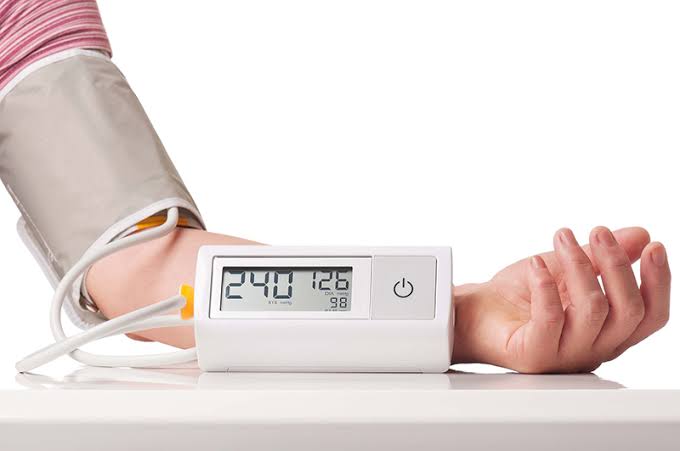
High blood pressure and kidney disease are locked in a cycle that most people don’t recognize until it’s advanced. Hypertension damages the kidneys over years — quietly, without symptoms — while the damaged kidneys simultaneously make hypertension harder to control. Breaking this cycle requires understanding how each condition drives the other, and what interventions actually interrupt it.
Hypertension is the second leading cause of kidney failure in the United States. Nearly half of all American adults have it, and a significant portion will develop chronic kidney disease (CKD) if their blood pressure stays uncontrolled for years. Yet the damage is largely preventable — not through dramatic interventions, but through consistent blood pressure management, the right medications, and the kind of daily habits that accumulate into decades of protected kidney function.
Why High Blood Pressure Damages the Kidneys
The kidney’s filtering units — the glomeruli — are remarkably sensitive to pressure. Under normal conditions, a system of constricting and dilating blood vessels keeps intraglomerular pressure stable even when systemic blood pressure fluctuates. But in chronic hypertension, this autoregulation fails. Elevated pressure passes directly into the glomerular capillaries, where the filtration membrane must withstand forces it was not designed to handle continuously.
The result is glomerulosclerosis — progressive scarring of the glomeruli. As more glomeruli scar, the remaining functional ones compensate by increasing their filtration rate, which raises the pressure on them further. This is the same hyperfiltration cycle seen in diabetic kidney disease, and it accelerates the scarring process in a self-reinforcing spiral.
Simultaneously, hypertension injures the small arteries and arterioles feeding the kidneys. These vessels thicken and stiffen — a process called hypertensive nephrosclerosis — reducing blood flow to kidney tissue and causing ischemic damage to the tubules. The kidneys become less able to handle sodium, less able to filter waste, and increasingly reliant on the renin-angiotensin-aldosterone system (RAAS) to maintain perfusion pressure. Activating the RAAS causes vasoconstriction and sodium retention — which raises blood pressure further, completing the cycle.
Proteinuria compounds the injury. Damaged glomeruli leak albumin into the tubules, where it triggers an inflammatory response. Protein in the tubular lumen is directly toxic to tubular cells and stimulates the scarring that leads to tubular atrophy. This is why proteinuria is not merely a marker of kidney damage — it is an active driver of further damage.
The Blood Pressure Targets That Actually Protect Kidney Function
The target blood pressure for people with CKD is below 130/80 mmHg, a threshold established by the Kidney Disease: Improving Global Outcomes (KDIGO) 2021 guidelines and consistent with the American College of Cardiology/American Heart Association 2017 hypertension guidelines. This target applies regardless of whether the CKD is accompanied by diabetes.
The SPRINT trial examined whether targeting below 120 mmHg systolic in people with CKD (eGFR ≥20) provided additional benefit. It reduced cardiovascular events significantly — but at the cost of a modest additional decline in eGFR and higher rates of acute kidney injury during treatment. The consensus interpretation: 130/80 is the appropriate target for most CKD patients, with more intensive targets reserved for selected high-cardiovascular-risk patients in shared decision-making with their physician.
Home blood pressure monitoring is more informative than clinic readings alone. White-coat hypertension — elevated readings only in clinical settings — is common and may lead to unnecessary medication escalation. Masked hypertension — normal clinic readings with high readings at home — is also common in CKD and is associated with faster progression and worse cardiovascular outcomes. Two readings, morning and evening, on three days before an appointment provides a more accurate picture than any single clinic measurement.
In practice, “controlled blood pressure” means averaging below 130/80 across the day — not just achieving it occasionally. A blood pressure that is 128/76 in the morning clinic and 148/90 at 9 PM represents uncontrolled hypertension even if the clinic visit showed a good number. Home monitoring closes this gap.
Medications That Protect Both Blood Pressure and Kidneys
ACE inhibitors and ARBs are the preferred first-line medications for hypertension in the setting of CKD — particularly when proteinuria is present. They lower systemic blood pressure through RAAS blockade, but their kidney-protective benefit goes further: by dilating the efferent arteriole specifically, they reduce intraglomerular pressure and decrease proteinuria. This dual effect — controlling systemic BP and directly reducing the internal pressure that scars glomeruli — makes them uniquely beneficial compared to other antihypertensive classes.
Clinical trial evidence supports this preference. The RENAAL trial with losartan and the IDNT trial with irbesartan both showed 25–35% reductions in CKD progression (measured as doubling of serum creatinine or kidney failure) in hypertensive patients with proteinuric kidney disease. These reductions were beyond the benefit attributable to blood pressure control alone.
When starting an ACE inhibitor or ARB, expect a modest initial rise in creatinine — typically 10–20% — as the efferent arteriole dilates and intraglomerular pressure adjusts. This rise is expected and acceptable; it is not a sign of kidney injury. A rise exceeding 30–35% should prompt evaluation for renal artery stenosis or volume depletion. Potassium levels require monitoring, as ACE/ARB reduces potassium excretion and can cause hyperkalemia, particularly in CKD Stage 3 and above.
Diuretics are often needed alongside ACE/ARB for BP control. Thiazide diuretics (chlorthalidone, hydrochlorothiazide) are effective in early-to-moderate CKD (eGFR above 30) and were the backbone of blood pressure management in SPRINT. As eGFR falls below 30, thiazides lose efficacy and loop diuretics (furosemide, torsemide) become necessary — particularly for fluid management in people with edema or volume overload.
Calcium channel blockers (amlodipine) are often added as the third antihypertensive agent when ACE/ARB plus a diuretic is insufficient. They are well-tolerated and have a neutral to mild positive effect on kidney outcomes. Non-dihydropyridine CCBs (diltiazem, verapamil) may modestly reduce proteinuria and can be useful in patients who cannot tolerate ACE/ARB.
SGLT2 inhibitors have entered the CKD space for non-diabetic patients. The DAPA-CKD trial included a substantial subgroup of patients with CKD but no diabetes, and dapagliflozin reduced the composite kidney endpoint (sustained ≥50% eGFR decline, ESRD, or death from kidney/CV causes) by approximately 44% in this subgroup. The FDA approved dapagliflozin for CKD in 2021, regardless of diabetes status. For hypertensive patients with proteinuric CKD, adding an SGLT2 inhibitor to ACE/ARB may provide additional kidney protection beyond blood pressure control.
One combination to avoid: ACE inhibitor plus ARB (dual RAAS blockade). The VA-NEPHRON-D trial demonstrated that combining both classes increases rates of hyperkalemia and acute kidney injury without providing additional kidney or cardiovascular benefit. Use one class or the other, not both simultaneously.
The DASH Diet — Designed for Blood Pressure and Kidney Health
The Dietary Approaches to Stop Hypertension (DASH) diet was specifically developed and tested for blood pressure reduction, and it delivers results comparable to a single antihypertensive medication. Trials have shown it reduces systolic blood pressure by 8 to 14 mmHg — significant enough to move someone from Stage 1 hypertension (130–139/80–89) to normal range without any drug.
The DASH diet emphasizes abundant fruits and vegetables, whole grains, low-fat dairy, nuts and legumes, fish, and poultry — while limiting red meat, saturated fat, and sodium. The sodium target in the standard DASH protocol is 2,300 mg per day; the sodium-restricted version targets 1,500 mg, with additional BP benefit. Sodium restriction is particularly impactful in CKD because the declining kidney’s ability to excrete sodium decreases, making salt sensitivity almost universal by Stage 3.
The DASH diet requires modification for advanced CKD. Its emphasis on potassium-rich fruits and vegetables — bananas, oranges, potatoes, tomatoes — may cause hyperkalemia in patients with eGFR below 30 or those on ACE/ARB and potassium-sparing diuretics. A renal dietitian can help adapt the DASH principles while managing potassium and phosphorus within safe limits. The underlying structure of the diet — low processed food, high produce, limited saturated fat — remains appropriate even with modification.
For the average hypertensive patient with early CKD, the dietary recommendation is straightforward: reduce processed food (the primary source of dietary sodium), increase vegetables and legumes, and limit red and processed meats. This produces both BP reduction and a reduction in metabolic acid load, both of which benefit the kidney.
Lifestyle Changes With Documented BP Effects
Lifestyle modifications are not alternatives to medication in hypertensive CKD — they are essential additions that amplify medication effectiveness and sometimes reduce the number of drugs required.
Exercise reduces systolic blood pressure by 5 to 7 mmHg on average in hypertensive individuals, with similar effects seen in CKD populations. The target is 150 minutes per week of moderate-intensity aerobic activity — brisk walking, cycling, swimming. Resistance exercise contributes additional cardiovascular benefit. Exercise also improves insulin sensitivity, helps with weight management, and has been associated with slower eGFR decline in observational CKD studies. The risk of exercise in CKD is generally low; consult a physician before starting if eGFR is below 30 or if there is cardiovascular disease.
Weight loss produces approximately 1 mmHg of systolic BP reduction per kilogram lost. For a patient 10 kg above their ideal weight, losing that weight is equivalent to adding one antihypertensive agent. Weight loss also reduces metabolic demand on the kidneys, decreases proteinuria, and improves insulin sensitivity — beneficial across the CKD risk factor profile.
Smoking cessation is urgently important in hypertensive CKD. Smoking damages renal arterioles directly, accelerates arteriolar stiffening, and raises blood pressure acutely with each cigarette. Long-term smoking is independently associated with more rapid CKD progression, and cessation slows this trajectory within months. Patients who smoke and have both hypertension and CKD carry three compounding risks — smoking cessation removes one of them immediately.
Alcohol raises blood pressure in a dose-dependent manner. Limiting alcohol to no more than one drink per day for women and two for men supports blood pressure control. Heavy alcohol use also disrupts medication adherence — a practical concern for patients on multiple antihypertensives.
Sleep quality is increasingly recognized as a blood pressure modifier. Obstructive sleep apnea — common in overweight individuals — causes nocturnal blood pressure surges that are particularly damaging to the kidneys. Treating sleep apnea, when present, can reduce both daytime and nighttime blood pressure and reduce the medication burden needed for control.
Monitoring Kidneys When You Have Hypertension
Hypertension-related kidney damage accumulates silently. Without regular monitoring, significant function loss can occur before any symptom appears. The monitoring schedule should be matched to the level of risk — more frequent testing for those with more advanced CKD, active medication changes, or poorly controlled blood pressure.
The urine albumin-to-creatinine ratio (UACR) should be tested annually in all hypertensive patients, and every 3–6 months if it is above 30 mg/g. Even microalbuminuria — previously considered a minor abnormality — predicts cardiovascular events and CKD progression. Rising UACR should prompt medication adjustment, typically intensification of ACE/ARB or addition of an SGLT2 inhibitor if not already prescribed.
The eGFR should be tested annually if CKD Stage 1–2, every 6 months at Stage 3, and every 3 months at Stage 4. A decline of more than 5 mL/min/year warrants investigation for a reversible cause — medication nephrotoxicity, dehydration, renal artery stenosis, or an acute illness — and nephrology referral if no reversible cause is found.
Potassium requires monitoring every 1–3 months for patients on ACE inhibitors, ARBs, or potassium-sparing diuretics — and more frequently after any medication change. Hyperkalemia (potassium above 5.5 mEq/L) can cause dangerous cardiac arrhythmias and sometimes requires dietary restriction, potassium binders (patiromer, sodium zirconium cyclosilicate), or medication dose reduction.
Resistant Hypertension and CKD — When BP Won’t Come Down
Resistant hypertension is defined as blood pressure above goal despite three antihypertensive agents at optimal doses, one of which is a diuretic. In CKD, it is more common than in the general population and carries a higher risk of rapid kidney function loss and cardiovascular events.
Before treating a case as truly resistant hypertension, exclude pseudo-resistance: medication non-adherence (extremely common), white-coat effect (requires home or ambulatory monitoring), and inadequate diuretic dosing (a loop diuretic instead of thiazide may be needed as eGFR declines).
True resistant hypertension warrants additional workup. Primary aldosteronism — excess aldosterone from an adrenal adenoma or bilateral hyperplasia — accounts for 10–20% of resistant hypertension cases and is often missed. Testing requires an aldosterone-to-renin ratio blood test. Renal artery stenosis — narrowing of the arteries supplying the kidneys — causes renovascular hypertension that is difficult to control medically; a renal Doppler ultrasound is the first-line imaging test.
Nephrology referral is appropriate for resistant hypertension with CKD, particularly when eGFR is below 45 or when the diagnosis of the underlying kidney disease is uncertain. A nephrologist can evaluate for secondary causes, optimize diuretic therapy, and assess for the feasibility of procedures such as renal artery revascularization or adrenal surgery if indicated.
How Hypertension and Kidney Disease Interact Over Time
Understanding the long-term trajectory helps patients make sense of why treatment must intensify as CKD progresses, rather than stabilizing.
As the kidney loses nephrons to hypertensive scarring, the remaining nephrons compensate by increasing their individual filtration rate. This raises intraglomerular pressure, which damages more nephrons. The RAAS activates more strongly as renal blood flow falls, producing more renin, more angiotensin II, and more aldosterone — all of which raise blood pressure and cause direct kidney and cardiac injury. The kidneys retain more sodium and water, expanding blood volume and pushing blood pressure higher. By CKD Stage 3–4, most patients require three or more antihypertensive agents to maintain control, and this is entirely expected — it reflects kidney biology, not treatment failure.
For comprehensive strategies that apply across the full spectrum of kidney disease prevention, including risk reduction before CKD develops, the Kidney Disease Prevention: A Practical Guide covers the foundational actions that apply regardless of blood pressure status. For patients managing both hypertension and diabetes simultaneously, How to Protect Your Kidneys With Diabetes addresses the combined-risk picture in detail.
Frequently Asked Questions
What blood pressure number is dangerous for kidneys?
Sustained readings above 140/90 mmHg significantly increase the risk of kidney damage over time. Readings above 160/100 accelerate the process considerably. The protective threshold — below 130/80 — is the target for patients with existing CKD. Even borderline elevations (130–139 systolic) maintained over years cause measurable glomerular injury.
Can hypertensive kidney damage be reversed?
Partial restoration is possible in early stages. Microalbuminuria can resolve with blood pressure control and ACE/ARB therapy. Once glomerulosclerosis is established, structural damage is permanent — but its progression can be slowed substantially. This is why early detection and treatment matter: the window for meaningful reversal closes as fibrosis advances.
Should I keep taking an ACE inhibitor if my creatinine rises after starting it?
A creatinine rise of 10–30% after starting an ACE inhibitor is expected and generally acceptable. It reflects the drug working — reducing intraglomerular pressure — not harming the kidneys. A rise exceeding 30–35% should prompt evaluation (check for dehydration, medication interactions, renal artery stenosis) but does not automatically require stopping the medication. Always consult your prescribing physician before discontinuing.
Is potassium restriction necessary with blood pressure medications?
Not for everyone. ACE inhibitors and ARBs reduce potassium excretion; combined with CKD (which also impairs potassium excretion), potassium can accumulate. Restriction becomes necessary when blood potassium rises above 5.0–5.5 mEq/L on laboratory testing, or when dietary patterns include very high-potassium foods (juiced fruits, high-dose supplements) in the context of advanced CKD. Regular lab monitoring guides this decision better than blanket restriction.
Can I exercise safely with CKD and hypertension?
Yes, exercise is encouraged at all CKD stages. It reduces blood pressure, improves cardiovascular fitness, and slows CKD progression in observational data. Patients with eGFR below 30 should discuss intensity with their nephrologist, but there is no stage of CKD where exercise is contraindicated as a category. Start with moderate intensity — brisk walking or cycling — and progress gradually. Monitor blood pressure before and after exercise, especially when starting or changing medications.
Protecting kidney function with high blood pressure is not a passive process. It requires an active, consistent approach: reaching and sustaining the blood pressure target, using the right medications, eating to support vascular health, and monitoring regularly so problems are caught early. Every year of controlled blood pressure is a year of preserved kidney function — and the evidence is clear that this protection is achievable with the tools currently available.
A Practical Blood Pressure Routine for CKD Patients
Managing blood pressure with CKD is a long-term commitment, and a consistent monitoring and medication routine makes the difference between controlled and uncontrolled disease. The following structure applies to most patients with hypertension and CKD stages 1–4 — it should be adapted based on individual medications, CKD stage, and physician guidance.
- Morning: Take antihypertensive medications as scheduled; measure blood pressure before medications if advised (some physicians prefer pre-dose readings to assess trough effect); log the reading with date and time.
- Evening: A second home reading captures diurnal variation and nocturnal hypertension patterns, which are common in CKD and more damaging than daytime readings in many cases.
- Weekly: Review BP log trend — if consistently above 130/80 on most readings, contact your physician about adjustment rather than waiting for the next scheduled visit.
- Monthly (medication changes only): After starting or increasing an ACE inhibitor, ARB, or diuretic, a potassium and creatinine check should occur within 2–4 weeks to confirm the change is being tolerated.
- Every 3–6 months: UACR and eGFR; potassium; review home BP log with physician.
Home blood pressure cuffs validated for clinical use (arm cuff models, not wrist cuffs) are inexpensive and significantly improve management. Insurance often covers them with a hypertension diagnosis. Using a validated cuff, taking two consecutive readings 1 minute apart, and logging the average gives a reliable picture of actual blood pressure outside the clinic environment.
What to Expect as You Treat Hypertension With CKD
Patients who are new to managing hypertension alongside CKD often have questions about what “success” looks like and what to expect from treatment. Several realities are worth understanding upfront.
Blood pressure control takes time to calibrate. The right combination of medications, at the right doses, often requires several adjustments over weeks to months. This is not a sign of treatment failure — it is the normal process of individualizing antihypertensive therapy.
Some initial eGFR decline is expected when starting ACE/ARB. A 10–20% rise in creatinine after starting an ACE inhibitor or ARB reflects the drug lowering intraglomerular pressure — which is the intended mechanism. Long-term, this lower pressure is kidney-protective even though it appears on a short-term lab as a decline. Most guidelines recommend continuing the medication if the creatinine rise is within acceptable range and potassium is normal.
Kidney function may still decline slowly despite good BP control. This happens and should not be interpreted as treatment failure. The goal of management is to slow progression, not necessarily stop it entirely. A patient who declines from eGFR 55 to 48 over five years of excellent control is doing far better than someone who declines from 55 to 25 over the same period with poor control — even though both showed decline.
Medication regimens will likely grow as CKD advances. This is kidney biology, not a failure of willpower or adherence. The declining kidney loses its sodium-excretion capacity, activates the RAAS more intensely, and retains fluid — all of which push blood pressure higher. Adding medications to counteract these mechanisms is the expected and appropriate response.
Understanding these realities helps patients stay engaged with treatment rather than becoming discouraged when it proves more complex than initially expected. The National Institute of Diabetes and Digestive and Kidney Diseases offers additional patient-facing resources on hypertension and CKD that can supplement clinical guidance.
Sources: KDIGO Blood Pressure in CKD Guidelines 2021 · ACC/AHA Hypertension Guidelines · NIDDK — High Blood Pressure and CKD
This is one of the clearest explanations of how to protect your kidneys with I have found. This is the kind of evidence-based writing that actually changes how people approach their health. Forwarding this to others in my support group who are dealing with similar issues.
Finally a resource that explains how to protect your kidneys with in plain language. I appreciated how the article addressed both the clinical side and the practical adjustments. This is going into my health folder that I bring to every doctor’s visit.
This breakdown of how to protect your kidneys with is exactly what patients need before a specialist appointment. The specific numbers and thresholds mentioned are exactly what I needed to understand my results. Looking forward to reading more articles from this website.