
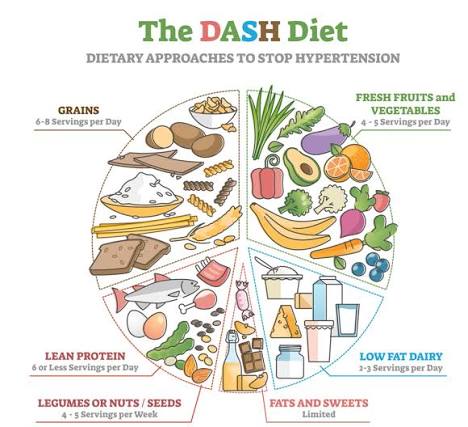
The DASH diet — Dietary Approaches to Stop Hypertension — was developed specifically to reduce blood pressure without medication, and the results from its original clinical trials were striking enough to establish it as a first-line dietary intervention for hypertension management. For people with chronic kidney disease, the DASH diet carries particular relevance because hypertension is both a leading cause of CKD and its most powerful accelerant: every 10 mmHg reduction in systolic blood pressure reduces the rate of eGFR decline by approximately 10 to 20 percent in CKD patients. A diet specifically designed to lower blood pressure is therefore also a diet specifically designed to slow kidney disease progression. But the DASH diet and kidney disease relationship is not straightforward — the standard DASH diet includes foods and nutrient targets that need adjustment for CKD patients, particularly regarding potassium, phosphorus, and sodium restrictions that differ by CKD stage.
This guide covers what the DASH diet is, how it reduces blood pressure and protects kidney function, what research shows about DASH diet adherence and CKD outcomes, how to adapt the standard DASH diet for CKD mineral restrictions, and what a practical kidney-modified DASH eating pattern looks like day to day.
What the DASH Diet Is and How It Was Developed
The DASH diet was developed in the early 1990s by the National Heart, Lung, and Blood Institute (NHLBI) as a non-pharmacological approach to blood pressure control. Two landmark clinical trials — the original DASH trial published in the New England Journal of Medicine in 1997 and the DASH-Sodium trial published in 2001 — established its blood pressure-lowering effects. The original DASH trial compared three diets: a typical American control diet, a diet rich in fruits and vegetables, and a combination diet (the full DASH diet) that combined fruits, vegetables, low-fat dairy, reduced saturated fat, and limited sodium. The full DASH diet reduced systolic blood pressure by 11.4 mmHg in hypertensive participants — an effect comparable to a single blood pressure medication.
The DASH diet is characterized by its nutrient targets rather than specific recipes. The standard DASH diet targets daily: 2,300 mg of sodium (with a lower-sodium variant at 1,500 mg/day for greater blood pressure reduction), 4,700 mg of potassium, 1,250 mg of calcium, 500 mg of magnesium, at least 30 grams of fiber, and less than 27 percent of calories from fat (with less than 7 percent from saturated fat). It achieves these targets through 8 to 10 servings of fruits and vegetables per day, 2 to 3 servings of low-fat dairy, 6 or fewer ounces of lean protein, 6 to 8 servings of grains (preferably whole grains), 4 to 5 servings of nuts/seeds/legumes per week, and minimal sweets, added sugars, and processed foods. The NHLBI DASH Eating Plan provides the official nutrient targets and serving recommendations.
How the DASH Diet Reduces Blood Pressure
The DASH diet reduces blood pressure through multiple simultaneous mechanisms, which is why its blood pressure-lowering effect is larger than any single nutrient modification can achieve:
High potassium intake: Potassium promotes renal sodium excretion (natriuresis), directly opposing sodium’s blood pressure-raising effect. For every additional 1,000 mg of dietary potassium, systolic blood pressure falls by approximately 1 to 2 mmHg in hypertensive individuals. The DASH diet’s 4,700 mg potassium target significantly exceeds the typical American intake of 2,600 mg per day, creating substantial blood pressure benefit through this natriuretic mechanism.
Sodium restriction: Sodium promotes water retention and increases blood volume. The DASH-Sodium trial found that reducing sodium intake from 3,300 mg/day to 1,500 mg/day produced an additional 4.6 mmHg systolic reduction in hypertensive participants on top of the DASH dietary pattern, confirming that sodium restriction and DASH diet benefits are additive. For CKD patients, sodium restriction to 1,500 to 2,000 mg/day is often recommended regardless of dietary pattern, so the DASH-Sodium approach aligns with CKD care goals. The low-sodium eating for kidney health guide covers sodium reduction strategies in detail.
High magnesium intake: Magnesium relaxes vascular smooth muscle and promotes vasodilation. DASH diet adherence increases magnesium intake to approximately 500 mg/day from nuts, seeds, legumes, and leafy greens. Several meta-analyses have found that higher dietary magnesium intake is associated with lower blood pressure, an effect mediated through calcium channel antagonism (magnesium naturally blocks calcium channels in vascular smooth muscle, reducing vasoconstriction).
High calcium intake: Adequate calcium intake supports vascular tone regulation and may counteract the sodium-retention effects of high dietary sodium. The standard DASH diet achieves calcium targets through dairy servings. For CKD patients who need to limit dairy due to phosphorus concerns, calcium intake may require attention when dairy is substantially reduced.
Reduced saturated fat and increased unsaturated fat: Saturated fat impairs endothelial function and increases LDL oxidation, contributing to arterial stiffness. The DASH diet’s reduced saturated fat content improves endothelial function and reduces blood pressure through improved vascular compliance. Substituting plant-based unsaturated fats (from nuts, seeds, and olive oil) provides additional vasodilatory benefits through nitric oxide pathway support.
DASH Diet and CKD Outcomes — What Research Shows
The research on DASH diet adherence and CKD outcomes demonstrates consistent benefits, with some important nuances for patients with already-established kidney disease:
In a large prospective analysis from the Women’s Health Initiative, women with higher DASH diet scores had significantly lower rates of CKD incidence over the 14-year follow-up period, with approximately 30 percent lower risk in the highest adherence quintile compared to the lowest. The effect was partially but not fully explained by blood pressure differences, suggesting mechanisms beyond blood pressure control.
A study published in the Clinical Journal of the American Society of Nephrology using data from the Atherosclerosis Risk in Communities (ARIC) study found that higher DASH diet score was associated with approximately 14 percent lower odds of developing CKD over 23 years of follow-up, after adjustment for multiple CKD risk factors including hypertension and diabetes.
In patients with established CKD, DASH diet adherence is associated with slower eGFR decline and lower risk of progression to kidney failure. A 2021 analysis from the CKD Biomarker Consortium found that each one-point increase in DASH diet score was associated with a 6 percent lower risk of eGFR halving or kidney failure over 5 years of follow-up in CKD patients, after adjustment for baseline eGFR, proteinuria, and traditional risk factors.
The primary caveat from CKD-specific research is that the standard DASH diet — particularly its high potassium target of 4,700 mg/day and its dairy-derived calcium — is not directly applicable to all CKD patients. A modified DASH approach that adapts these components for CKD restrictions while preserving the sodium restriction, fiber, and overall plant-rich pattern retains most of the blood pressure and kidney-protective benefits with less concern about hyperkalemia or excessive phosphorus exposure.
Why Standard DASH Needs CKD Modification
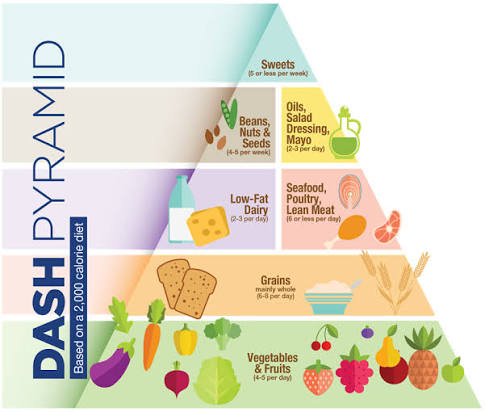
The standard DASH diet was developed for people with hypertension but without CKD. Its 4,700 mg potassium target is not safe for CKD patients with impaired potassium excretion. Its emphasis on dairy (2 to 3 servings per day) adds substantial phosphorus burden in patients where hyperphosphatemia is already a concern. Understanding exactly what needs to change — and what should stay the same — is essential for applying DASH principles safely in CKD:
What stays the same in a kidney-modified DASH diet:
Sodium restriction to 1,500 to 2,000 mg/day — actually stricter than the standard DASH sodium target of 2,300 mg/day, and fully compatible with CKD management. High fruit and vegetable intake — modified in terms of which fruits and vegetables (low-potassium varieties prioritized when restriction is needed) but not eliminated. Reduced saturated fat and elimination of processed meat. High fiber from vegetables, fruits, and grains. Limited sweets and added sugars.
What changes in a kidney-modified DASH diet:
Potassium target is calibrated to the individual patient’s serum potassium rather than universally set at 4,700 mg/day. For CKD patients with normal serum potassium (below 5.0 mEq/L), the full DASH potassium intake may be tolerable and beneficial. For patients with confirmed hyperkalemia, potassium is restricted to 2,000 to 3,000 mg/day by selecting lower-potassium fruits and vegetables and controlling portions of higher-potassium foods. Dairy is moderated to 1 serving per day rather than 2 to 3, reducing phosphorus exposure while maintaining some calcium contribution. Whole grains may be partially replaced with refined grains (white rice, white pasta) to reduce phosphorus load when serum phosphorus is elevated. The phosphorus and kidney disease guide covers which grain choices minimize bioavailable phosphorus.
CKD-Modified DASH Diet: Practical Food Choices
A kidney-modified DASH diet replaces the highest-potassium DASH foods with lower-potassium alternatives while preserving the dietary pattern’s essential character:
Fruits: Standard DASH emphasizes bananas, oranges, and melons — all high in potassium (400–600 mg per serving). CKD-modified DASH substitutes apples (195 mg per medium), blueberries (57 mg per half cup), strawberries (110 mg per cup), grapes (144 mg per half cup), and pineapple (180 mg per cup). These provide similar antioxidant and fiber benefits with substantially lower potassium per serving.
Vegetables: Standard DASH emphasizes potatoes, tomatoes, and leafy greens including spinach — moderate to high potassium. CKD-modified DASH prioritizes cauliflower (150 mg per half cup cooked), cabbage (76 mg per half cup), green beans (92 mg per half cup), lettuce (100 mg per cup), cucumber (76 mg per half cup), and red bell pepper (156 mg per half cup) as primary vegetable staples. These deliver fiber, vitamin C, folate, and antioxidants within a CKD-appropriate potassium budget.
Protein: Standard DASH includes lean poultry, fish, and limited red meat. CKD-modified DASH maintains this protein selection but avoids enhanced or processed versions. Fresh fish, fresh chicken, and egg whites provide high-quality protein without phosphate additives. For dialysis patients with higher protein requirements (1.2 g/kg/day), protein portions increase while the food source quality standards remain the same. The protein and chronic kidney disease guide covers how to calibrate protein intake for each CKD stage.
Grains: Standard DASH emphasizes whole grains for their fiber and magnesium content. CKD-modified DASH includes white rice, regular pasta, and white bread as primary grain options when serum phosphorus is elevated, since refined grains have lower total and lower bioavailable phosphorus than whole grains. When phosphorus is well controlled, some whole grain servings can be retained for their fiber benefit.
Legumes: Standard DASH includes 4 to 5 servings of nuts, seeds, and legumes per week. CKD-modified DASH retains legumes at the same frequency for patients with normal serum potassium, reducing portion size to half cup servings and monitoring potassium labs when increasing legume intake. Nuts are portioned to one ounce per serving to manage phosphorus and potassium from these concentrated sources.
Blood Pressure Medications and the DASH Diet in CKD
Most CKD patients take blood pressure medications, and the interaction between the DASH diet and these medications is clinically important. ACE inhibitors and ARBs — the most commonly prescribed blood pressure medications in CKD because they also reduce proteinuria and slow CKD progression — raise serum potassium as a side effect by reducing aldosterone’s sodium-retaining and potassium-excreting effects. For CKD patients on ACE inhibitors or ARBs, the high potassium content of an unmodified DASH diet creates a real hyperkalemia risk that must be managed through monitoring and, when needed, potassium-selective food substitutions as described above.
The good news is that the blood pressure-lowering effect of DASH diet combined with medication is additive, not redundant. Patients who adopt a DASH dietary pattern while taking blood pressure medications achieve greater blood pressure control than medication alone — and in some cases can reduce medication doses under physician supervision. For CKD patients where tighter blood pressure control translates directly into slower eGFR decline, this additive effect of DASH plus medication is clinically significant. The high blood pressure and kidney health guide covers blood pressure management targets and medication options in CKD. Regular potassium monitoring — every 3 months in CKD stages 3–4, more frequently when diet changes are made — is essential when implementing DASH principles in patients on RAAS-blocking medications.
A Sample Kidney-Modified DASH Day
Translating DASH principles into actual meals for CKD patients requires substituting the high-potassium DASH staples with lower-potassium alternatives while preserving the sodium restriction, fiber content, and overall dietary pattern:
Breakfast: Plain oatmeal (half cup dry) with blueberries and a drizzle of honey — approximately 120 mg potassium, 100 mg phosphorus, 4 grams of fiber. Or egg white scramble (two egg whites) with red bell pepper and onion on white toast — approximately 250 mg potassium, 50 mg phosphorus, 14 grams of protein.
Lunch: Large salad with romaine lettuce, cucumber, red bell pepper, apple slices, and two ounces of grilled fresh chicken, dressed with olive oil and lemon — approximately 350 mg potassium, 100 mg phosphorus, 18 grams of protein. Or lentil soup with cabbage and garlic, one slice of white bread — approximately 400 mg potassium, 8 grams of plant protein, 7 grams of fiber.
Dinner: Baked cod fillet (four ounces) with roasted cauliflower and green beans, served over white rice — approximately 450 mg potassium, 220 mg phosphorus, 28 grams of protein. Seasoned with garlic, lemon, and fresh herbs — no added salt. Or tofu stir-fry with cauliflower, green beans, and ginger in low-sodium soy sauce (limited amount for sodium control), served over white rice — approximately 380 mg potassium, 10 grams of plant protein.
Snacks: Apple slices with a small amount of unsalted almond butter; fresh strawberries; a small handful of unsalted walnuts. Total daily potassium: approximately 1,400 to 1,800 mg — within the 2,000 mg restriction target for patients with confirmed hyperkalemia, or easily expandable to 2,500 to 3,000 mg for patients with normal serum potassium by adding tomatoes, sweet potato, or orange at one meal. The best foods for kidney health guide provides additional food-level detail on kidney-safe choices within each food group.
Working With Your Nephrology Team on DASH Diet Implementation
Successfully implementing a kidney-modified DASH diet in CKD requires coordination with your nephrology team because the dietary changes — particularly any increase in plant food intake — may affect serum potassium, serum phosphorus, and blood pressure medication requirements within weeks. The practical steps for implementing DASH with appropriate oversight:
First, establish your current serum potassium and phosphorus baseline. Ask your nephrologist for your most recent values if you don’t already know them. This determines which version of DASH (standard potassium versus restricted potassium) is appropriate for your current situation.
Second, implement sodium restriction first, as this carries no mineral restriction risk and provides immediate blood pressure benefit. Reducing processed food, deli meat, canned goods with salt, and restaurant food to reach the 1,500 to 2,000 mg/day target is the safest first step and may itself prompt your physician to reassess blood pressure medication requirements.
Third, increase fruit and vegetable intake using low-potassium options (apples, berries, cauliflower, green beans, cucumber) before introducing higher-potassium options. Check serum potassium within 4 to 6 weeks of any significant increase in plant food intake.
Fourth, work with a renal dietitian if available to individualize the DASH framework to your specific lab values, CKD stage, medication regimen, and food preferences. The kidney-friendly diet beginner’s guide provides a complementary starting framework that integrates well with a DASH-based approach.
Conclusion
The DASH diet and kidney health are intimately connected through blood pressure — the most modifiable driver of CKD progression available through dietary intervention. The evidence for DASH diet benefits in CKD prevention is robust, and the evidence for benefits in established CKD is growing. Adapting the standard DASH diet for CKD mineral restrictions — primarily by monitoring and adjusting potassium intake based on serum levels, moderating dairy, and choosing fresh over processed proteins — preserves the vast majority of its kidney-protective benefits while managing the specific mineral concerns of CKD patients.
The combination of DASH diet and blood pressure medication achieves blood pressure control that neither achieves alone, and in CKD where every mmHg of blood pressure reduction matters, this additive effect is clinically meaningful. Implement sodium restriction first, monitor potassium levels, and build DASH principles progressively with your nephrology team’s support. The investment in dietary change pays dividends in slower CKD progression, lower cardiovascular risk, and better long-term quality of life.
DASH Diet, Proteinuria, and Kidney Filtration
Proteinuria — protein in the urine above the normal threshold of 30 mg per day — is one of the strongest predictors of CKD progression and cardiovascular mortality in CKD patients. Reducing proteinuria is therefore a primary treatment goal alongside blood pressure control, and the two are intimately linked: elevated glomerular capillary pressure from systemic hypertension directly drives filtration of protein across the glomerular basement membrane. Every intervention that reduces blood pressure also reduces proteinuria through this mechanical pathway, making the DASH diet’s blood pressure-lowering effects directly relevant to proteinuria reduction.
Beyond blood pressure, several components of the DASH diet independently reduce proteinuria. Dietary sodium restriction reduces proteinuria by lowering glomerular hydrostatic pressure and enhancing the anti-proteinuric effect of ACE inhibitors and ARBs — a clinically important synergy, since RAAS-blocking medications are the pharmacological cornerstone of proteinuria reduction and their effects are significantly blunted by high sodium intake. Research has shown that CKD patients on RAAS blockade who simultaneously maintain sodium intake above 3,000 mg/day achieve less than half the proteinuria reduction of those maintaining sodium below 1,500 mg/day. This explains why the dietary and pharmacological components of CKD management are not independent: the DASH diet’s sodium restriction unlocks the full potential of blood pressure medications to reduce proteinuria and slow CKD progression.
The high fiber content of the DASH diet additionally reduces proteinuria through its effects on the gut microbiome and systemic inflammation. Uremic toxins — particularly indoxyl sulfate and p-cresyl sulfate generated from protein fermentation in the gut — directly damage the glomerular filtration barrier, increasing permeability and worsening proteinuria. Dietary fiber shifts gut fermentation toward short-chain fatty acid production and away from uremic toxin generation, protecting glomerular filtration integrity. The plant-based eating and kidney health guide covers the gut-kidney axis and fiber’s role in uremic toxin reduction in detail. The combined effect of DASH diet’s sodium restriction, blood pressure reduction, and fiber-mediated gut health improvement creates a multi-pathway approach to proteinuria management that complements RAAS-blocking medication rather than duplicating it.
Sources: Appel LJ et al., “A Clinical Trial of the Effects of Dietary Patterns on Blood Pressure (DASH),” New England Journal of Medicine (1997); Sacks FM et al., “Effects on Blood Pressure of Reduced Dietary Sodium and the DASH Diet,” NEJM (2001); Tyson CC et al., “The DASH Diet and CKD,” American Journal of Kidney Diseases (2015); National Heart, Lung, and Blood Institute DASH Eating Plan; KDOQI Nutrition in CKD Guidelines (2020); Clinical Journal of the American Society of Nephrology.