
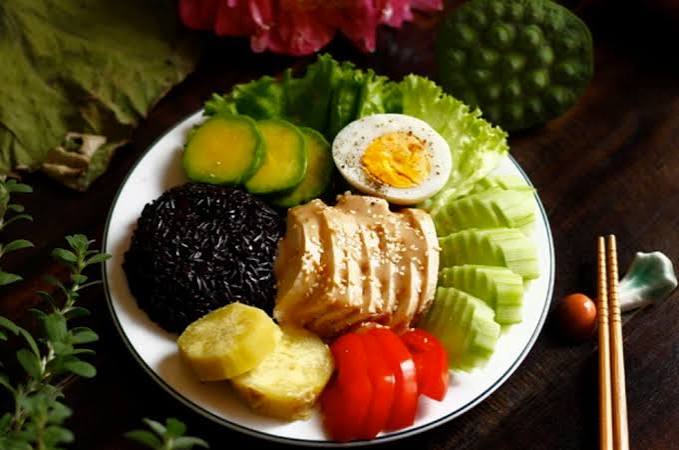
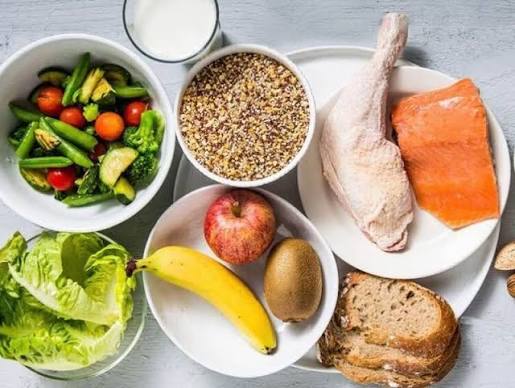
Lunch is the meal most likely to be eaten outside the home — at work, in a restaurant, or from a cafeteria — which makes it the most challenging meal to keep kidney-friendly. Unlike breakfast, which is usually prepared at home, lunch often involves convenience foods, fast food, or whatever happens to be available. For people with chronic kidney disease (CKD), this creates real risk: restaurant portions are oversized, processed lunch items are high in sodium and phosphorus additives, and the default protein choices (deli meat, canned tuna, full-fat cheese) are exactly the foods that strain a compromised kidney.
Kidney-friendly lunch ideas for CKD are built around the same principles as the broader renal diet — controlled potassium, phosphorus, sodium, and protein — but they also need to be practical, portable, and satisfying enough to sustain energy through the afternoon. This guide gives you the framework to understand what makes a lunch kidney-friendly, which foods to build it around, which to avoid, and eight specific kidney-friendly lunch ideas that can be made at home or adapted in most restaurant settings. It also covers how to adjust your choices based on your CKD stage and what your most recent lab results show.
What Makes a Lunch Kidney-Friendly?
A kidney-friendly lunch is not simply “healthy” in the general sense. It is specifically designed to limit minerals and substances that healthy kidneys filter easily but diseased kidneys cannot. The four core constraints are potassium, phosphorus, sodium, and protein — and the degree to which you need to restrict each depends on your CKD stage and your current lab values.
Potassium is found in high amounts in tomatoes, potatoes, avocados, oranges, bananas, beans, and many whole grains. The lunchtime default of a large salad with tomatoes, avocado, and beans can easily deliver 2,000 mg of potassium in a single meal — more than many CKD patients should consume in an entire day. Kidney-friendly lunches substitute lower-potassium vegetables (cabbage, green beans, cauliflower, white rice, iceberg lettuce) for high-potassium defaults.
Phosphorus is the mineral most commonly hidden in processed lunch foods. Phosphate additives in deli meats, processed cheese, flavored crackers, and fast food are absorbed at 90–100% efficiency compared to 40–60% for naturally occurring phosphorus. A typical deli sandwich with American cheese and whole-grain crackers can deliver 800 mg of phosphorus — often more than a CKD patient’s daily phosphorus target. Reading ingredient lists for any word ending in “phosphate” is the most practical way to avoid this hidden source.
Sodium is the easiest of the four to overconsume at lunch. Canned soups, deli meats, condiments, and restaurant meals are all exceptionally high in sodium. A standard can of chicken noodle soup contains 1,800–2,400 mg of sodium — close to the entire daily limit for CKD patients. Low-sodium versions exist but are not always available in restaurant settings.
Protein is complicated in CKD because requirements change by stage. People in early CKD (stages 1–3) may benefit from moderate protein restriction to reduce the kidneys’ filtration burden. Those in later stages (4–5 not on dialysis) typically need stricter protein restriction. People on dialysis, counterintuitively, often need more protein because dialysis removes protein. The goal at lunch is an appropriate portion of high-quality protein — typically 2–3 ounces for most non-dialysis CKD patients — rather than the 6–8 ounces that restaurant portions often contain.
Foods to Build Kidney-Friendly Lunches Around
The following foods are low enough in potassium, phosphorus, and sodium to serve as reliable building blocks for CKD-appropriate lunches. They are not zero in any of these minerals, so portion size still matters — but they allow flexibility in meal construction without triggering the sharp mineral spikes that higher-risk foods create.
Grains and starches: White bread, white rice, white pasta, and plain crackers made without phosphate additives are the safest starch choices. Refined grains have had the phosphorus-rich bran removed, making them lower in phosphorus than whole grains despite popular belief to the contrary. Plain white flour tortillas, plain white pita bread, and plain couscous all fall into this category.
Vegetables: Cabbage (all varieties), cauliflower, green beans, wax beans, iceberg lettuce, cucumber, radishes, bell peppers, and bean sprouts are among the lowest-potassium vegetables available. These can be used freely in salads, grain bowls, wraps, and stir-fries. Leaching — soaking and boiling root vegetables before eating — can reduce potassium by 30–50% for those who want to include carrots or potatoes occasionally.
Protein: Egg whites (fresh, not packaged), small portions of fresh chicken breast or turkey, canned tuna packed in water (rinsed to reduce sodium), and water-packed tofu are the lowest-phosphorus, lowest-potassium protein options for lunch. Fresh fish (cod, tilapia, flounder) is an excellent choice. Avoid processed deli meats, pre-marinated meats, and any protein with visible seasoning or sauce unless you’ve verified the sodium and phosphate content.
Dairy alternatives: Rice milk is the lowest-phosphorus dairy alternative. Unsweetened rice milk contains only 100 mg of phosphorus per cup compared to 250 mg in cow’s milk. It can be used in dressings, added to soups, or consumed as a beverage with lunch. Small amounts of cream cheese (1 tablespoon) or brie are lower in phosphorus than hard cheeses and can add richness to a sandwich without excessive phosphorus.
Foods to Limit or Avoid at Lunch
Several lunch staples are problematic enough that they warrant consistent avoidance or strict portion control, regardless of how healthy they appear from a general nutrition standpoint.
Deli meats and processed proteins: Turkey slices, ham, salami, pepperoni, and canned chicken with flavoring all contain high amounts of sodium and often contain phosphate preservatives. A 2-ounce serving of deli turkey (which is a small portion) typically contains 400–600 mg of sodium and 150–200 mg of phosphorus from additives. These numbers compound quickly if you’re building a standard deli sandwich.
Full-fat and processed cheeses: American cheese, processed cheese slices, and cheese spreads contain phosphate additives that make them disproportionately high in phosphorus relative to their serving size. Even small amounts (one slice) can contribute 200–300 mg of phosphorus. Sharp cheddar, Swiss, and Parmesan, while natural cheeses, are very high in phosphorus and sodium and should be used sparingly — a maximum of 1 ounce if included at all.
Tomatoes and tomato-based products: Tomatoes are high in both potassium and phosphorus. Tomato sauce, ketchup, salsa, and tomato soup are concentrated sources — two tablespoons of ketchup contain 110 mg of potassium, and a half-cup of tomato sauce contains 450 mg. Many kidney patients are surprised to learn that what seems like a small condiment portion can represent a significant potassium contribution.
Beans and legumes: Despite their reputation as healthy protein sources, beans — kidney beans, black beans, chickpeas, lentils — are high in both potassium and phosphorus. A half-cup of kidney beans contains approximately 360 mg of potassium and 130 mg of phosphorus. Rinsed canned beans reduce some potassium and sodium but do not eliminate the phosphorus concern. Most CKD patients should avoid beans as a primary protein source at lunch.
Most restaurant soups: Whether cream-based, broth-based, or tomato-based, restaurant soups are consistently high in sodium (often 800–1,500 mg per serving) and frequently high in potassium from vegetable content. A bowl of restaurant soup at lunch can consume your entire daily sodium budget in a single dish.
8 Kidney-Friendly Lunch Ideas
Each of the following lunches is designed to stay under approximately 500 mg of potassium, 400 mg of phosphorus, and 600 mg of sodium while providing adequate macronutrients. Exact values depend on specific brands and preparation methods — always verify with your specific products and consult your renal dietitian for personalization.
1. White Rice Bowl with Egg White and Roasted Cauliflower
Cook 1 cup of white rice and top with 3 egg whites scrambled in olive oil, plus 1 cup of roasted cauliflower florets seasoned with garlic powder and herbs. Add a drizzle of olive oil and fresh parsley. This bowl delivers approximately 320 kcal, 18 g protein, 280 mg potassium, and 200 mg phosphorus. White rice is one of the lowest-phosphorus starches available, and cauliflower is among the most versatile low-potassium vegetables — it can be roasted, steamed, or eaten raw.
2. Chicken Wrap with Cabbage and Herb Mayo
Take a plain white flour tortilla and fill with 2 ounces of sliced fresh-cooked chicken breast (not deli-style), ½ cup of shredded cabbage, 2 tablespoons of cucumber slices, and 1 tablespoon of herb mayonnaise made from regular mayonnaise mixed with dill and garlic powder. Wrap tightly and eat fresh. Estimated nutrients: 340 kcal, 20 g protein, 310 mg potassium, 230 mg phosphorus, 380 mg sodium. The key is using fresh-cooked chicken rather than packaged deli turkey — the sodium difference is dramatic.
3. Tuna Pasta Salad (Low-Sodium Modification)
Cook 1 cup of white pasta and let it cool. Drain and rinse one 5-ounce can of tuna packed in water (rinsing reduces sodium by about 30%). Combine with the pasta, 2 tablespoons of regular mayonnaise, ¼ cup of diced cucumber, and a squeeze of fresh lemon juice. Season with dried herbs instead of salt. Estimated nutrients: 390 kcal, 28 g protein, 350 mg potassium, 280 mg phosphorus, 450 mg sodium. This meal is easily portable and holds well in a sealed container for 4–5 hours.
4. Open-Face Egg White Sandwich
Toast one slice of white bread. Top with 2 tablespoons of plain cream cheese (not flavored), then layer with 3 scrambled egg whites cooked in olive oil, a few slices of cucumber, and a light sprinkle of fresh chives. Avoid butter in this recipe — the cream cheese provides richness without excess phosphorus compared to regular cheese slices. Estimated nutrients: 280 kcal, 16 g protein, 220 mg potassium, 180 mg phosphorus, 340 mg sodium. This is a particularly useful lunch for those who are tired of traditional sandwich options.
5. Couscous Salad with Green Beans and Chicken
Cook ½ cup of couscous according to package directions with no salt. Let cool. Add ¼ cup of blanched and cooled green beans (cut into 1-inch pieces), 2 ounces of sliced fresh-cooked chicken, 2 tablespoons of olive oil, fresh lemon juice, and fresh parsley. Toss gently and serve at room temperature or chilled. Estimated nutrients: 380 kcal, 22 g protein, 300 mg potassium, 240 mg phosphorus, 160 mg sodium. Couscous is lower in potassium than brown rice or quinoa and cooks quickly, making it an ideal base for portable lunches.
6. White Bread Turkey Sandwich (Fresh Turkey Only)
Use two slices of white sandwich bread. Spread 1 tablespoon of plain mayonnaise on each slice. Layer with 2 ounces of fresh-roasted turkey breast (not deli turkey — cook it yourself or use store-roasted turkey carved on site), 2 romaine or iceberg lettuce leaves, and 4 thin slices of cucumber. Avoid adding tomato or condiments with tomato. Estimated nutrients: 360 kcal, 22 g protein, 290 mg potassium, 250 mg phosphorus, 390 mg sodium. The critical difference between this sandwich and a standard turkey sandwich is the protein source: fresh-roasted versus deli-processed.
7. Stir-Fried Rice Noodles with Egg White and Bell Pepper
Soak rice noodles in hot water until soft (about 10 minutes), then drain. In a lightly oiled pan, scramble 3 egg whites, then add the noodles, ½ cup of thinly sliced red or yellow bell pepper, and a light seasoning of garlic powder and low-sodium soy sauce (just 1 teaspoon). Toss everything together over medium-high heat for 2–3 minutes. Estimated nutrients: 350 kcal, 14 g protein, 290 mg potassium, 180 mg phosphorus, 420 mg sodium. Rice noodles are among the lowest-phosphorus noodle options available and cook quickly without special equipment.
8. Cod Fillet with White Rice and Steamed Green Beans
Season a 3-ounce cod fillet with lemon juice, fresh herbs, and a small amount of olive oil. Bake at 375°F for 12–15 minutes or pan-cook until opaque throughout. Serve alongside ½ cup of white rice and ½ cup of steamed green beans. Estimated nutrients: 340 kcal, 26 g protein, 390 mg potassium, 310 mg phosphorus, 200 mg sodium. Cod is one of the lowest-phosphorus white fish options and provides complete protein without the high potassium content of salmon or tuna. The combination of fish, white rice, and green beans is also one of the most adaptable in restaurant settings.
Adjusting by CKD Stage
Not every CKD patient needs the same restrictions at lunch, and applying universal restrictions to all stages simultaneously often leads to unnecessary nutrient deficiencies. The appropriate lunch template depends heavily on where you are in your CKD progression and what your labs show.
In CKD Stage 1–2, kidney function is still relatively intact (eGFR above 60), and dietary restrictions are typically minimal. Standard healthy eating principles apply — low processed food, moderate sodium, balanced protein. Most of the foods in the “limit or avoid” list are fine to consume in reasonable amounts unless your labs indicate specific mineral problems.
In CKD Stage 3 (eGFR 30–59), phosphorus management becomes important because the kidneys begin to lose their ability to regulate phosphorus excretion. This is when avoiding phosphate additives in processed foods starts to matter, even if serum phosphorus is still within normal range. Potassium restriction depends on your specific potassium levels — not everyone in Stage 3 needs to limit potassium. Sodium restriction to 1,500–2,000 mg/day is typically recommended to support blood pressure control.
In CKD Stage 4 (eGFR 15–29), more specific restrictions apply. Both potassium and phosphorus restriction are usually necessary, and protein restriction (0.6–0.8 g/kg body weight) is often recommended to slow progression. The lunches in this guide become particularly relevant at Stage 4 because even small excesses can meaningfully affect lab values.
In CKD Stage 5 not on dialysis and in dialysis patients, requirements shift substantially. Dialysis removes phosphorus, potassium, and protein, so dialysis patients often need more protein (1.1–1.4 g/kg body weight) rather than less, while maintaining the restrictions on sodium and processed phosphate additives. Lunches for dialysis patients should include more protein than the examples above — typically 4–5 ounces of protein rather than 2–3. Your dialysis care team should provide specific targets.
Eating Lunch Away from Home
The biggest practical challenge with kidney-friendly lunches is navigating the situation where you cannot prepare your own food. Restaurant menus and cafeteria options are not designed for CKD patients, and most restaurant staff are not trained to identify phosphate additives in the ingredients they serve. The following strategies help you stay within your targets even in challenging environments.
Choose grilled over fried: Grilled chicken, fish, or turkey are almost universally safer than fried options, which typically involve breading containing phosphate additives. Specify no seasoning or sauce unless you can verify the sodium content.
Substitute vegetables: Most restaurants will substitute side dishes. Ask for steamed green beans, plain white rice, or a simple salad of iceberg lettuce and cucumber in place of default sides like french fries, mashed potatoes (often made with milk), or coleslaw with sweet dressing.
Order sauces on the side: Restaurant sauces — teriyaki, barbecue, honey mustard, ranch — are typically very high in sodium and often contain tomato paste or other high-potassium ingredients. Having sauce on the side lets you use a minimal amount.
Build a plate from simple components: In many cafeteria or buffet settings, the safest approach is to assemble a plate from the simplest individual components: a plain protein, plain white rice or bread, and a low-potassium vegetable, avoiding any pre-sauced or marinated dish.
The grocery shopping guide for kidney health covers label reading in detail, including how to identify phosphate additives on ingredient lists — a skill that applies equally to reading menus and cafeteria ingredient boards.
Meal Prep Strategies for Lunch
Preparing kidney-friendly lunches in advance reduces the daily decision-making burden and significantly lowers the risk of making poor choices when time is short. The most effective strategies for CKD patients follow a few consistent principles.
Batch cook your protein once or twice weekly: Cook a full chicken breast or a piece of cod on Sunday, slice it, and store it in labeled containers for use throughout the week. Fresh-cooked protein is dramatically lower in sodium and free of phosphate additives compared to any packaged deli alternative. A 6-ounce chicken breast provides three 2-ounce lunch portions when sliced.
Cook grains in large batches: White rice, couscous, and pasta all reheat well. Cook 3–4 servings at once, cool them rapidly (spread on a sheet pan for 20 minutes), and store in individual containers. Having cooked grains ready reduces lunch preparation to assembly rather than cooking.
Pre-wash and cut vegetables: Cauliflower florets, cucumber slices, green bean portions, and shredded cabbage all keep well in sealed containers for 3–4 days in the refrigerator. Having pre-cut vegetables makes it easy to add them to any grain or protein base without extra preparation time.
Prepare a week’s worth of dressings or sauces: Simple olive oil and lemon dressings, herb-based mayonnaise, or garlic herb oils can be made in advance and stored in small jars. These provide flavor without relying on high-sodium bottled condiments.
The kidney-friendly breakfast ideas guide covers weekly rotation planning in detail — the same batch-cooking approach applies equally to both breakfast and lunch preparation. The kidney diet beginner’s guide provides the foundational framework for understanding how the four core restrictions (potassium, phosphorus, sodium, protein) work together.
Reading Nutrition Labels for Lunch Foods
Packaged lunch foods — crackers, bread, wraps, deli meats, canned fish — require label reading beyond the standard nutrition facts panel. The Nutrition Facts panel shows potassium and sodium but does not always reflect the true phosphorus content because phosphate additives do not need to be listed as milligrams — only as ingredients.
To evaluate phosphorus in a packaged product, check the ingredients list for any of the following: monocalcium phosphate, tricalcium phosphate, sodium phosphate, potassium phosphate, disodium phosphate, phosphoric acid, sodium hexametaphosphate, or any other compound ending in “phosphate.” The presence of one or more of these indicates significant added phosphorus regardless of what the Nutrition Facts panel shows.
For sodium, use the Nutrition Facts panel directly. The goal is to find items under 140 mg of sodium per serving, since multiple components at lunch can quickly reach 600 mg. Items labeled “low sodium” (under 140 mg/serving) or “reduced sodium” (at least 25% less than the standard version) are useful, but verify that “reduced sodium” still meets your absolute target, not just a comparison.
The NIDDK nutrition guidance for CKD is a reliable reference for understanding label reading in the context of kidney disease. The National Kidney Foundation’s nutrition resources also provide practical tools including phosphorus food lists and potassium food charts that are useful when evaluating unfamiliar packaged items.
When to Adjust Based on Your Labs
Dietary restrictions in CKD are not permanent or static — they change as kidney function changes and as your labs fluctuate. Knowing which lab values to watch and what they mean for your lunch choices is a practical skill that allows you to manage your diet more precisely than following generic CKD rules.
Serum potassium (normal range: 3.5–5.0 mEq/L): If your potassium is consistently within normal range and your nephrologist has not recommended restriction, you may not need to follow potassium limits strictly. Many patients in Stages 1–3 have no problem with potassium regulation and can enjoy higher-potassium foods like sweet potato or bananas in moderate amounts. If your potassium rises above 5.0, stricter restriction at all meals — including lunch — is important because elevated potassium can cause dangerous cardiac arrhythmias.
Serum phosphorus (normal range: 2.5–4.5 mg/dL): If your phosphorus is within normal range, avoidance of phosphate additives in processed foods is still wise (because these are absorbed so efficiently), but you may not need to rigorously limit naturally occurring phosphorus in whole foods. If your phosphorus rises above 4.5, phosphorus restriction becomes critical — the lunch ideas in this guide that rely on white rice, rice noodles, egg whites, and cauliflower become your primary options because they are the lowest-phosphorus combinations available.
BUN (blood urea nitrogen): BUN reflects both kidney function and protein intake. A rising BUN in the context of stable kidney function may indicate that protein intake at meals is higher than the kidneys can efficiently process. If your dietitian identifies elevated BUN, reducing protein portions at lunch from 3 ounces to 2 ounces may help, while ensuring protein quality remains high (egg whites, fresh fish, fresh chicken).
The phosphorus and kidney disease guide covers phosphorus lab values and dietary management in depth. The protein and CKD guide explains how to interpret BUN in the context of dietary protein and kidney function.
Practical Tips for Consistent Kidney-Friendly Lunching
Sustaining a kidney-friendly lunch routine requires a few behavioral habits beyond just knowing what to eat. The following practical tips address the most common points where CKD patients deviate from their lunch goals.
Bring lunch from home 4 out of 5 weekdays: This single habit has more impact than any other. Even if you eat out one day per week, having four prepared lunches from home dramatically reduces your average sodium and phosphorus intake. The meal prep strategies above make this achievable even with a busy schedule.
Keep a small emergency lunch kit at work: Store a can of water-packed tuna (rinsed before eating), a few white crackers without phosphate additives, and a portion of rice cakes in your desk or locker. On days when you forget to bring lunch, this prevents a trip to a restaurant where options are harder to control.
Set a sodium budget before eating, not after: If you know lunch needs to stay under 600 mg of sodium, count your largest sodium sources first — the bread (often 160 mg per slice), the protein (varies widely by source), and any condiment — before adding smaller items. This forward-counting approach prevents the common pattern of eating freely and then trying to compensate by the end of the day.
Track lunch phosphorus separately from breakfast and dinner: Many CKD patients track total daily phosphorus without noting which meal is contributing the most. Lunch, because it often involves packaged or restaurant foods, is typically the highest-phosphorus meal of the day. Tracking it separately makes it easier to identify when a specific lunch habit is consistently pushing your phosphorus above target.
Conclusion
Kidney-friendly lunches are achievable, satisfying, and practical — but they require intentional ingredient selection and, ideally, some advance preparation. The four core principles — controlling potassium through vegetable selection, avoiding phosphate additives in processed foods, keeping sodium under 600 mg per meal, and moderating protein portions by CKD stage — provide a reliable framework that works across home cooking, meal prep, and restaurant eating.
The eight lunch ideas in this guide cover a range of cuisines, preparation styles, and portability levels, giving you a practical toolkit to start from. Your renal dietitian should review these with your specific lab values and CKD stage in mind to refine the portions and specific foods that work best for your situation. As your kidney function changes — and as dialysis may change your requirements substantially — the specific targets will evolve, but the habit of intentional, informed lunch construction remains constant.
For a complete view of the renal diet beyond lunch, the best foods for kidney health guide and the kidney diet meal planning guide provide complementary frameworks for building a full daily diet around your kidney health goals.
Sources: NIDDK — Eating and Nutrition for CKD · National Kidney Foundation — Nutrition · USDA Food and Nutrition